



A close-up can trap us inside a character’s thoughts. Then the camera retreats, the room grows around them, and the whole scene changes. A lonely face becomes a tiny figure in a huge space; a harmless detail becomes part of a larger threat. That transformation is why pull-back camera movement in film can turn simple perspective into emotion.
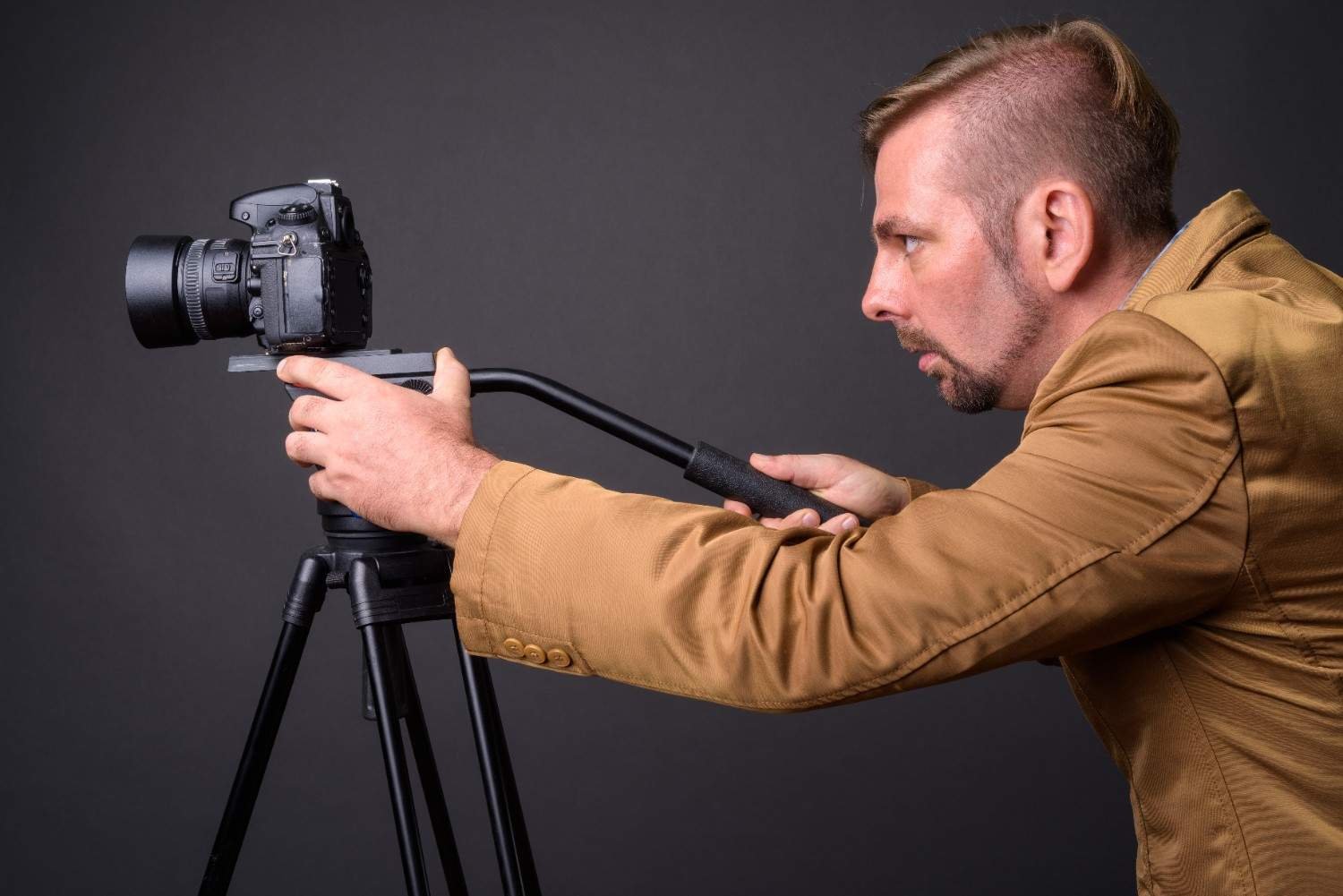
A pull-back, also called a pull-out shot and often executed as a dolly-out, happens when the camera physically moves backward away from a subject. The frame usually widens, revealing more of the environment while changing scale, spatial relationships, and audience understanding.
What Is a Pull-Back Shot and How Does It Work?
A pull-back begins relatively close to a subject and widens as the camera travels backward through physical space. Unlike cutting directly to a wide shot, viewers experience the reveal as it happens. Understanding techniques such as pedestal camera movement explained can also help filmmakers distinguish vertical camera travel from the backward movement used in a pull-back shot.
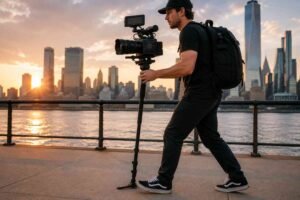
Because the viewpoint changes, foreground, subject, and background elements shift relative to one another. This parallax creates a natural sense of depth. Filmmakers can achieve the effect with dolly tracks, sliders, Steadicams, gimbals, cranes, jibs, drones, or stabilized handheld rigs.
Why Do Directors Use a Pull-Back Reveal?
The pull-back reveal starts tight on a face, object, or detail before exposing information outside the original frame. I like this technique because it can completely change a scene without an edit.
A worried expression becomes more disturbing when the wider frame reveals danger nearby. A peaceful image can turn ironic when chaos appears around it, while comedy can use the same move for a visual punch line.
The technique works because the audience discovers new narrative context gradually rather than receiving every piece of information at once.
How Does a Pull-Back Create Isolation and Emotional Distance?
Moving away from a character can make viewers feel as though they are emotionally leaving that person behind. Among the types of camera movements in film, a pull-back is especially effective because the subject becomes smaller while the environment begins to dominate more of the composition.
Directors use this effect to communicate loneliness, abandonment, helplessness, or insignificance. Someone who fills a close-up can suddenly look powerless when a wider view reveals an enormous empty room or landscape.
This visual separation can communicate emotion without relying on dialogue, which makes the technique particularly effective during moments of realization, loss, or defeat.
How Can a Pull-Back Establish Scale?
A backward camera move can reveal grandeur gradually instead of showing everything in a wide establishing shot immediately.
The opening of Star Wars: Episode IV – A New Hope is famous for progressive visual revelation that makes the Imperial Star Destroyer feel overwhelmingly large. It is not a textbook track-mounted dolly-out, but it demonstrates the same storytelling principle: withhold scale first, then reveal how massive the threat really is.
This approach can also work with buildings, landscapes, crowds, machines, battlefields, or any environment where size plays an important storytelling role.
Why Are Pull-Back Shots Effective at the End of a Scene?
A slow retreat can create concluding finality. Rather than cutting away, the camera gradually leaves the character, suggesting farewell, reflection, defeat, or closure.
Stanley Kubrick’s The Shining is frequently studied for controlled camera movement and compositions that reinforce Jack Torrance’s psychological isolation. Widening spatial relationships complement the feeling that the Overlook Hotel is swallowing its characters.
That is why I often associate slow pull-outs with endings. The physical separation between camera and subject gives the audience room to process what just happened while visually signaling that the moment is ending.
Pull-Back vs. Zoom-Out: What Is the Difference?
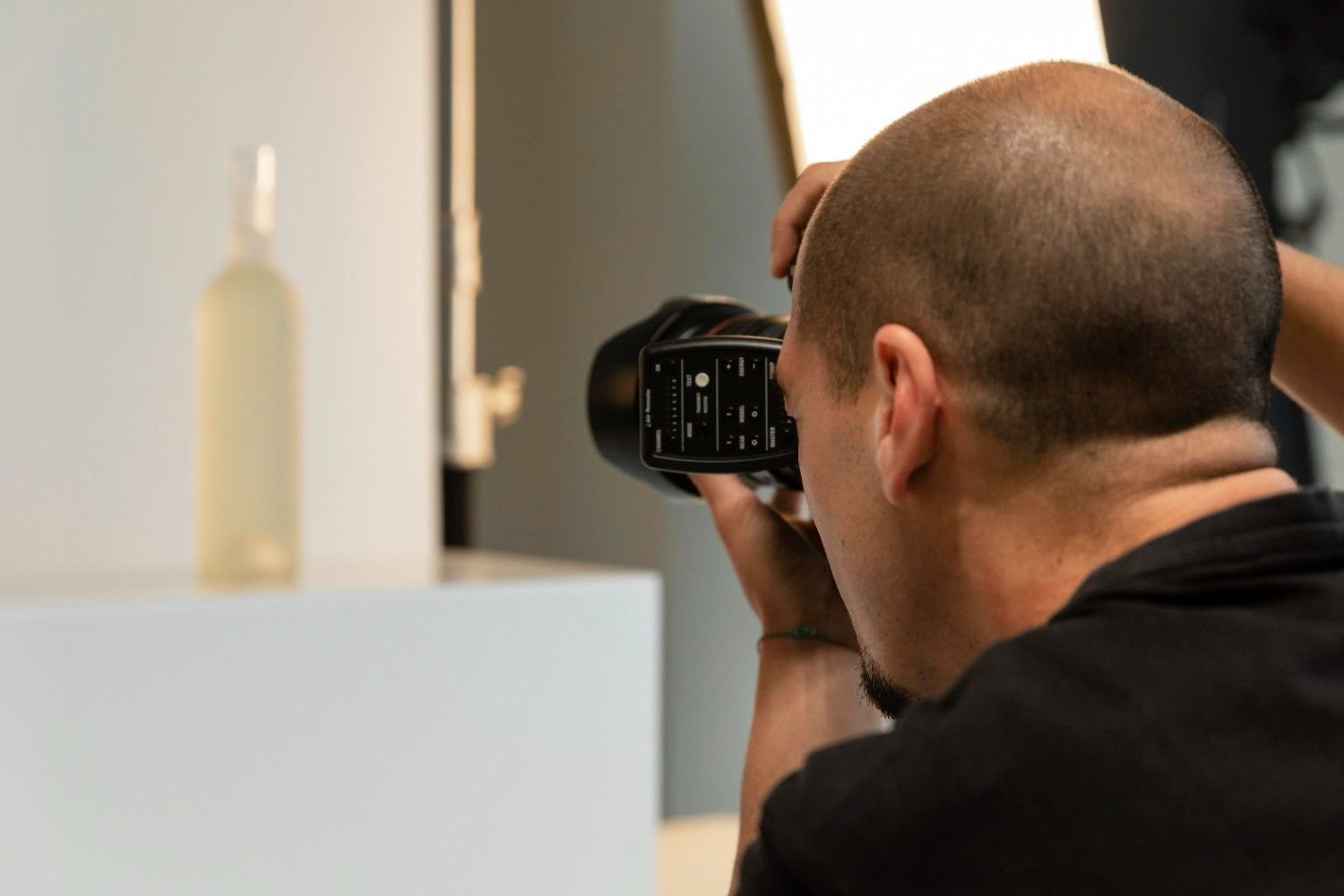
A pull-back physically moves the camera through space. A zoom-out usually keeps the camera stationary while changing lens focal length.
That mechanical difference produces a different visual result. During a pull-back, perspective and parallax change because the viewpoint changes. Foreground and background elements appear to shift relative to each other.
During a zoom-out, framing and magnification change while the camera viewpoint stays fixed.
I would not call zooms automatically flat or artificial because filmmakers use them effectively for stylization, observation, tension, and emotional detachment. A dolly-out generally feels more spatial because the camera actually travels through the environment.
Is a Dolly-Out the Same as a Pull-Back?
The terms overlap, but they are not always identical. “Pull-back” describes the backward visual movement, while “dolly-out” traditionally refers to performing that movement with a wheeled camera dolly.
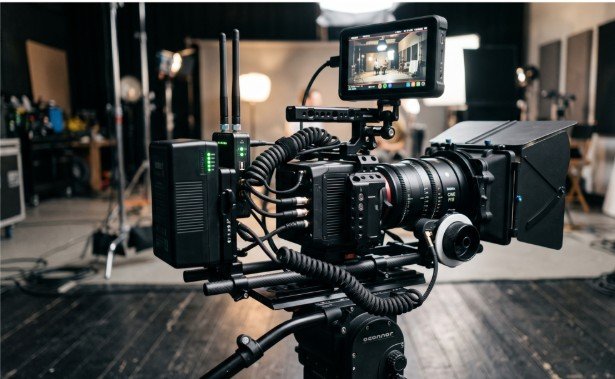
Dolly tracks provide smooth, repeatable motion. A Steadicam or gimbal offers freedom through rooms and irregular locations. A jib or crane can move backward and upward simultaneously, adding dramatic vertical scope.
Sliders suit short movements, while drones and camera vehicles can extend the technique across large exterior environments.
For independent filmmakers and content creators in the US, a professional dolly is not always necessary. A properly balanced gimbal, compact slider, or stabilized handheld rig can produce an effective backward tracking shot when the movement is carefully rehearsed.
How Do You Shoot a Smooth Pull-Back?
I start by choosing the opening frame, ending frame, movement speed, and exact reveal point. Important information should enter the composition when the story needs it rather than appearing accidentally. These fundamentals are especially useful when practicing camera movement techniques for beginners, because they encourage control before complexity.
The camera operator should rehearse the route and maintain consistent speed and camera height. Focus also needs planning because camera-to-subject distance changes throughout the move.
A slow retreat suits isolation, suspense, and reflective endings. A faster move can expose a crowd, threat, battlefield, or huge location. In both cases, speed should support the story.
The movement should also feel motivated. If the audience notices the camera more than the story, the shot may be too aggressive or unnecessarily complicated.
What Are Common Pull-Back Shot Mistakes?
The biggest mistake is moving without narrative motivation. If the wider frame reveals nothing meaningful, a static composition may work better.
Timing matters too. Reveal the environment too quickly and you lose suspense; move too slowly and the shot may feel self-conscious.
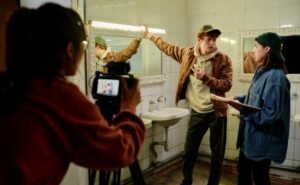
Crews should also inspect the widening frame for lights, stands, cables, reflections, or crew members hidden at the beginning of the shot. A composition that looks clean in a close-up may reveal unwanted production equipment once the camera begins moving backward.
FAQs About Pull-Back Camera Movement
1. What does pulling the camera back mean?
It means physically moving the camera away from the subject while filming, usually making the subject smaller as more of the surrounding environment enters the frame.
2. What is another name for a pull-back shot?
Common terms include pull-out shot, pullback shot, dolly-out, backward camera movement, and backward tracking shot. The exact term often depends on the equipment and production context.
3. Why does a pull-back make a character look lonely?
As the camera retreats, the character occupies less visual space while the surroundings become more dominant. That expanding distance can suggest isolation, vulnerability, abandonment, or emotional detachment.
4. When should filmmakers use a pull-back?
Filmmakers often use pull back camera movement in film when they want to reveal hidden context, establish scale, create emotional distance, emphasize isolation, follow action, or give a scene a memorable sense of closure.
Final Thoughts
A great pull-back does more than make the frame wider. It changes what the audience knows and how the audience feels.
Whether I am working with tracks, a gimbal, a Steadicam, or a crane, I want every inch of backward movement to serve the story. When the reveal, scale, perspective, and emotion all work together, the shot feels cinematic because it has purpose rather than simply because the camera moved.