How many points of attachment does a camera rig actually need?

Home » How many points of attachment does a camera rig actually need?

Experienced grips keep saying ‘one point of attachment is never enough,’ but what does that actually mean in practice for different rig types — jib, crane, car mount, handheld cage?

4 Editorial Answers

These answers are written and fact-checked by PhotoShipOne's editorial team to represent genuinely different perspectives — they are not user comments or crowd-sourced discussion.

Editorial Perspective

Grip / Rigging Standard

The baseline rule is primary mount plus independent backup, always — two points minimum, and they must be independent of each other so a failure in one doesn't take out the other. On a jib or crane, that's the camera's primary quick-release plate plus a separate safety cable to the jib arm itself. On a car mount, it's the primary suction/clamp mount plus a safety line secured to a solid point inside the vehicle, specifically so that if the exterior mount releases at speed, the camera doesn't become a projectile or fall into traffic.

Handheld cages are the one case where the "rig" is your hands — but the moment you add a shoulder strap, a wrist strap, or a cage handle, that becomes your second attachment point, and it should be rated and properly fastened, not an afterthought accessory.

Editorial Perspective

Practical / By Rig Type

Breaking it down by what's actually common on set:

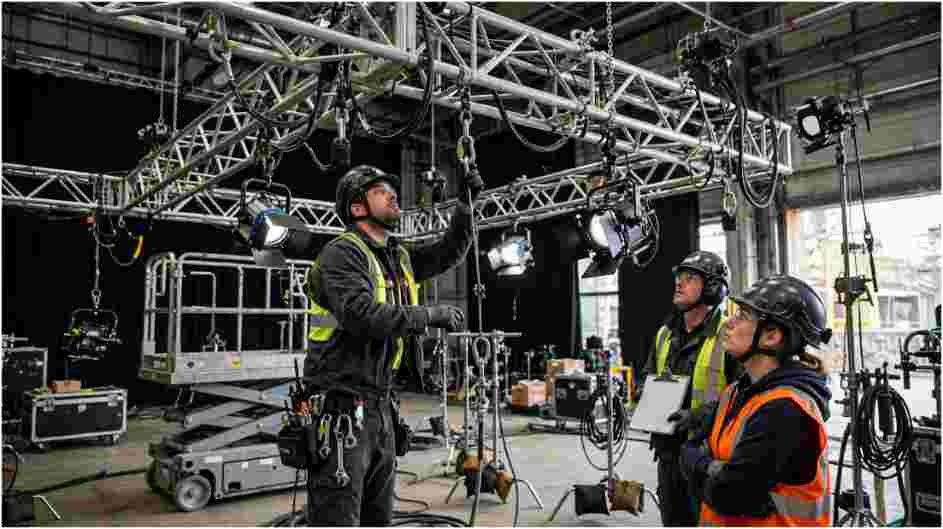
  • Jib/crane: primary plate + safety cable to the arm, both rated for full payload.
  • Car mount: primary mount + safety line to an interior anchor point, tested static before the car moves.
  • Overhead/static mount: primary clamp + independent safety cable to structure (see the overhead mounting question above).
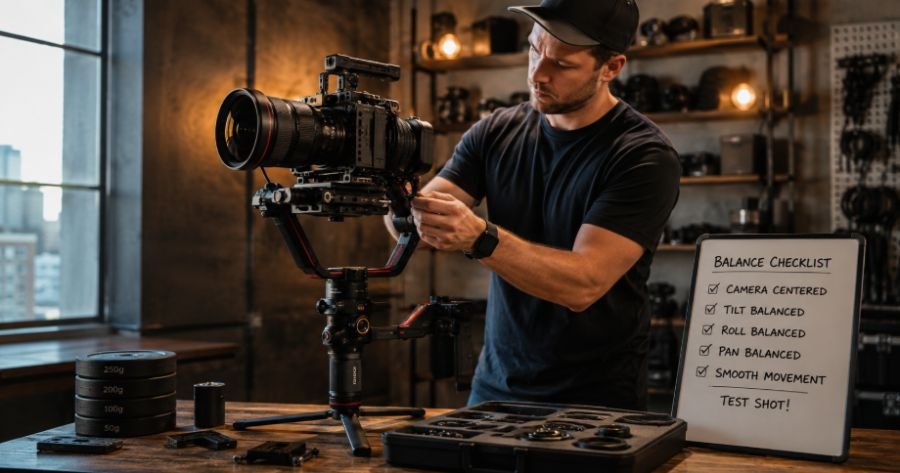
  • Steadicam/handheld rig: the sled's own balancing system plus a properly fitted harness — the harness is your safety redundancy here, not optional comfort gear.

In every case, the test is: if the primary point failed right now, would the camera actually be caught by something else?

Editorial Perspective

Risk / Real Incidents

The specific failure pattern worth internalizing: a rig that technically has a "backup" that isn't actually independent — for example, a safety cable attached to the same bracket as the primary mount, so a bracket failure takes both out at once. Experienced crews have flagged exactly this on shared examples online: rigging where any adjustment to one camera could shake loose the other, because the whole assembly shared a single structural point rather than truly separate ones.

True redundancy means asking "what structure is this actually anchored to" for each attachment, not just counting how many straps or cables are visible.

Editorial Perspective

Set Culture / Communication

Beyond hardware, this is also a communication problem: on multi-department sets, rigging gets adjusted by different people across a shoot day, and nobody automatically knows the full rig history. Experienced camera assistants recommend treating any rig you didn't personally set up as unverified until you've checked it yourself — and if you're new on a crew, asking about the safety setup isn't a sign of inexperience, it's standard practice. Good crews expect and welcome the question; it's a red flag about a crew's culture, not about you, if asking makes you feel unwelcome.

partners@mybacklinks.co

http://photoshipone.com

Leave a Reply

Your email address will not be published. Required fields are marked *