



A camera does more than record a scene—it can chase a character, reveal a secret, create tension, or make a quiet moment feel unforgettable. Whenever I watch a great film, I pay attention to how the camera moves because those choices often shape the emotion just as much as the dialogue or performance.
Understanding the types of camera movements in film helps filmmakers turn ordinary shots into purposeful visual storytelling. From subtle pans and slow push-ins to sweeping crane shots and energetic handheld sequences, every movement can change how viewers experience a scene.
What Are the Main Categories of Camera Movement?
I separate camera movement into four groups: rotational movement, translational movement, optical or focus techniques, and stabilization or operating styles. Pan, tilt, and roll rotate from a fixed position.
Dolly, truck, pedestal, arc, and crane moves physically relocate the camera. Zoom and rack focus change what the lens shows or emphasizes. Handheld, Steadicam, gimbal, and static shooting describe how the camera is supported or operated.
This structure makes cinematic camera movement easier to understand because it explains what is physically happening instead of treating every visual change as the same technique.
Which Rotational Camera Movements Keep the Camera in One Spot?
Pan
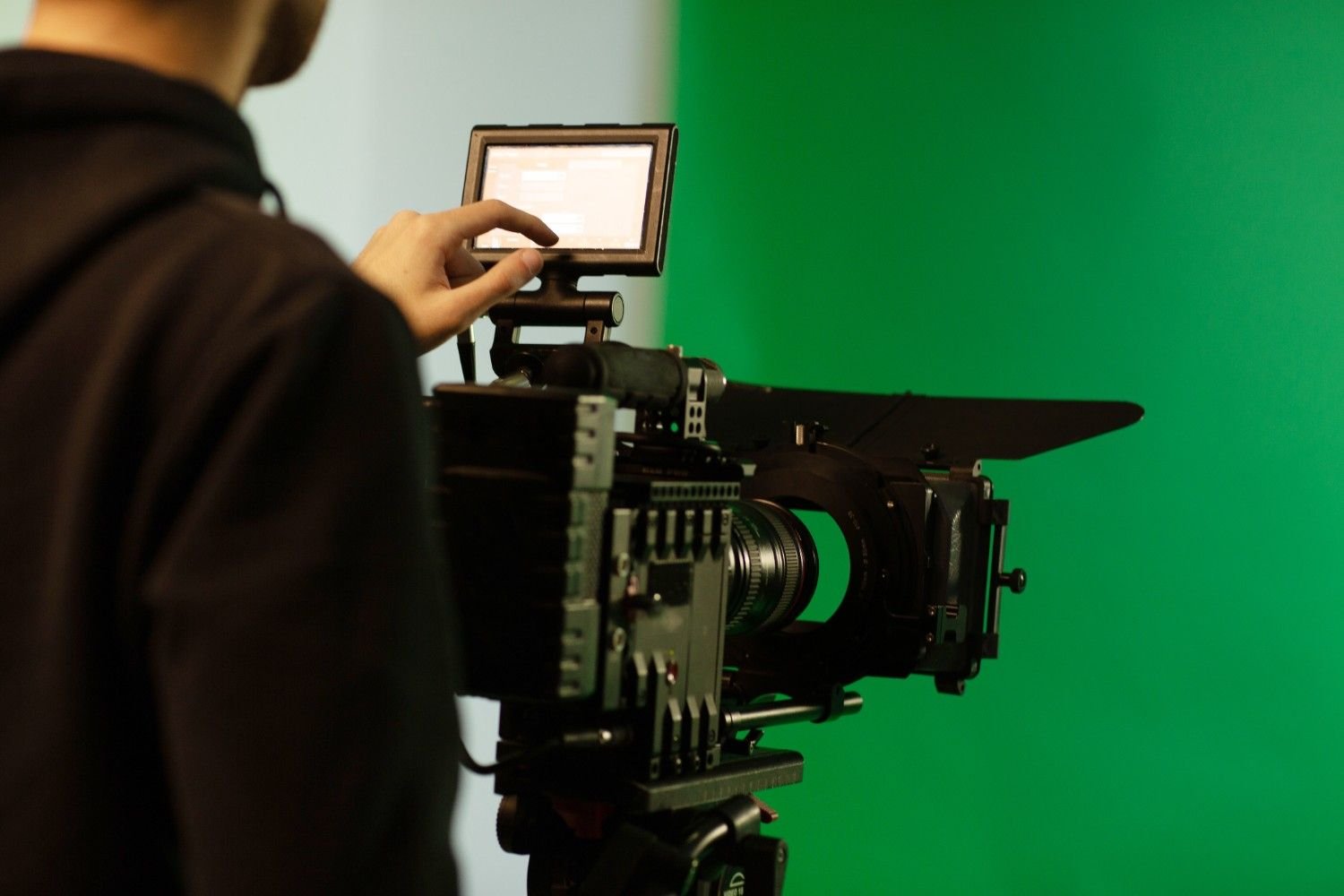
A pan rotates the camera horizontally from a fixed position. It can follow a subject, reveal something beside the frame, or connect two visual points. A fast version, called a whip pan, adds urgency, energy, or motion-blur transitions. StudioBinder and MasterClass distinguish panning from techniques that physically relocate the camera.
Tilt
A tilt pivots the camera vertically while its base remains in place. Tilting upward can emphasize height, power, architecture, or a character reveal. Tilting downward can reveal geography or direct attention below the starting frame.
Roll
A roll rotates the camera around the lens axis, turning the horizon during the shot. Filmmakers can use this movement to suggest imbalance, chaos, anxiety, or disorientation. I would separate a camera roll from a Dutch angle: a Dutch angle can remain static, while a roll specifically introduces rotation during the shot. StudioBinder includes roll among its core camera movement techniques.
Which Camera Movements Physically Travel Through Space?
Dolly, Push-In, and Pull-Out
A dolly physically changes the camera’s distance from the subject. A push-in can heighten emotion, realization, or tension, while a pull-out can expose isolation or reveal the surrounding environment.
Traditional productions may use a wheeled camera dolly and track, although sliders and stabilized camera rigs can create similar forward or backward motion. StudioBinder describes dolly shots as controlled moving-camera shots that can also combine with pans and tilts.
Tracking and Trucking
A tracking shot broadly follows a moving subject, while trucking usually means moving laterally left or right. The entire camera changes position, which separates trucking from panning. Tracking works well for walk-and-talks and action scenes because viewers travel with the subject instead of observing from one fixed location.
Pedestal, Boom, Arc, and Crane
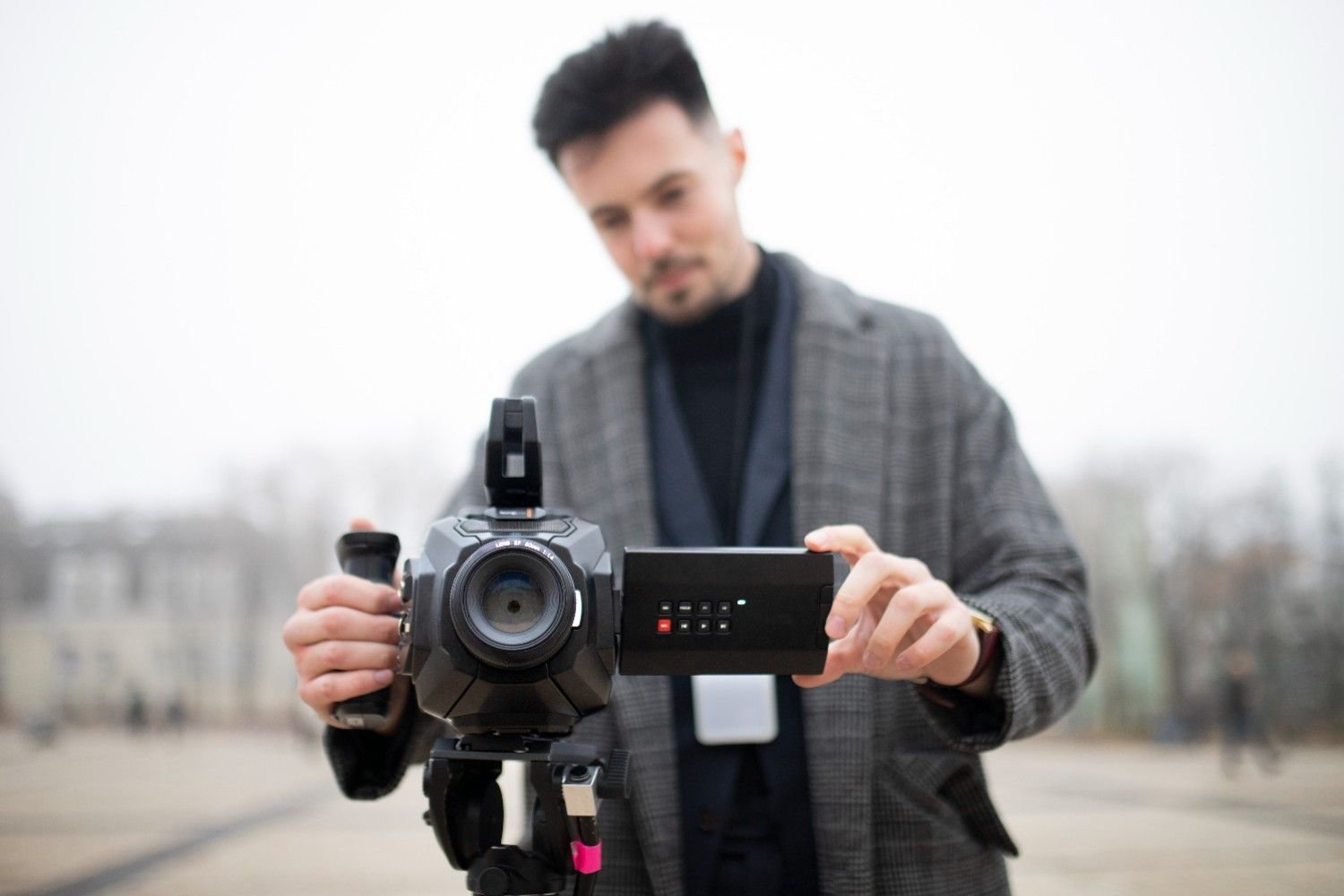
A pedestal raises or lowers the entire camera without tilting it. A boom can create similar vertical movement through a support arm.
An arc shot moves around a subject in a circular or semicircular path. This changes the relationship between the subject and background while adding visual energy. StudioBinder notes that arc shots often orbit a subject using equipment such as a curved dolly setup or Steadicam.
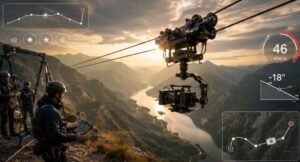
A crane or jib uses a mechanical arm for sweeping vertical, horizontal, or combined movement. These cinematic shots can transition from intimate framing to a much broader view of the location.
How Do Zoom, Rack Focus, and Dolly Zoom Work?
A zoom changes lens focal length while the camera remains physically still. It changes magnification without producing the same perspective shift created when the camera itself travels forward or backward. That is why a zoom-in feels noticeably different from a dolly-in.
Rack focus also leaves the camera position unchanged. Instead, the focus shifts from one subject or depth plane to another, directing the viewer’s attention without cutting. MasterClass includes rack focus among commonly taught camera techniques even though the physical camera does not move.
A dolly zoom combines physical camera movement with an opposite zoom adjustment. The subject can remain nearly the same size while the background appears to expand or compress dramatically, producing the famous disorienting effect associated with shots such as those popularized by Vertigo.
How Do Handheld, Steadicam, Gimbal, and Static Shots Change a Scene?
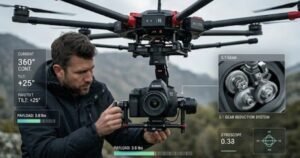
Handheld shooting preserves natural operator movement, which can add realism, panic, immediacy, or documentary-style energy. Steadicam systems and motorized gimbals reduce unwanted shake while allowing camera operators to move through complex locations.
A static or lock-off shot deliberately removes movement. I use still framing when performance, symmetry, tension, blocking, or production design should carry the scene.
A camera does not need to move simply because production equipment makes movement possible; stillness can be equally intentional. StudioBinder includes the static shot alongside other important cinematic movement choices.
Dolly vs Zoom, Pan vs Truck, and Tilt vs Pedestal: What Is the Difference?
A dolly changes camera position; a zoom changes focal length. A pan rotates horizontally; a truck physically travels sideways. A tilt changes the camera’s vertical angle; a pedestal raises or lowers the whole camera. These distinctions also matter in more advanced setups such as high-speed tracking, where understanding exactly how the camera travels through space becomes critical. Filmmaking guides from MasterClass, Storyblocks, and StudioBinder reflect the same core differences.
I find these differences much easier to remember when I ask one question: is the camera rotating, physically traveling through space, or changing something inside the lens?
How Do I Choose the Right Camera Movement for a Scene?
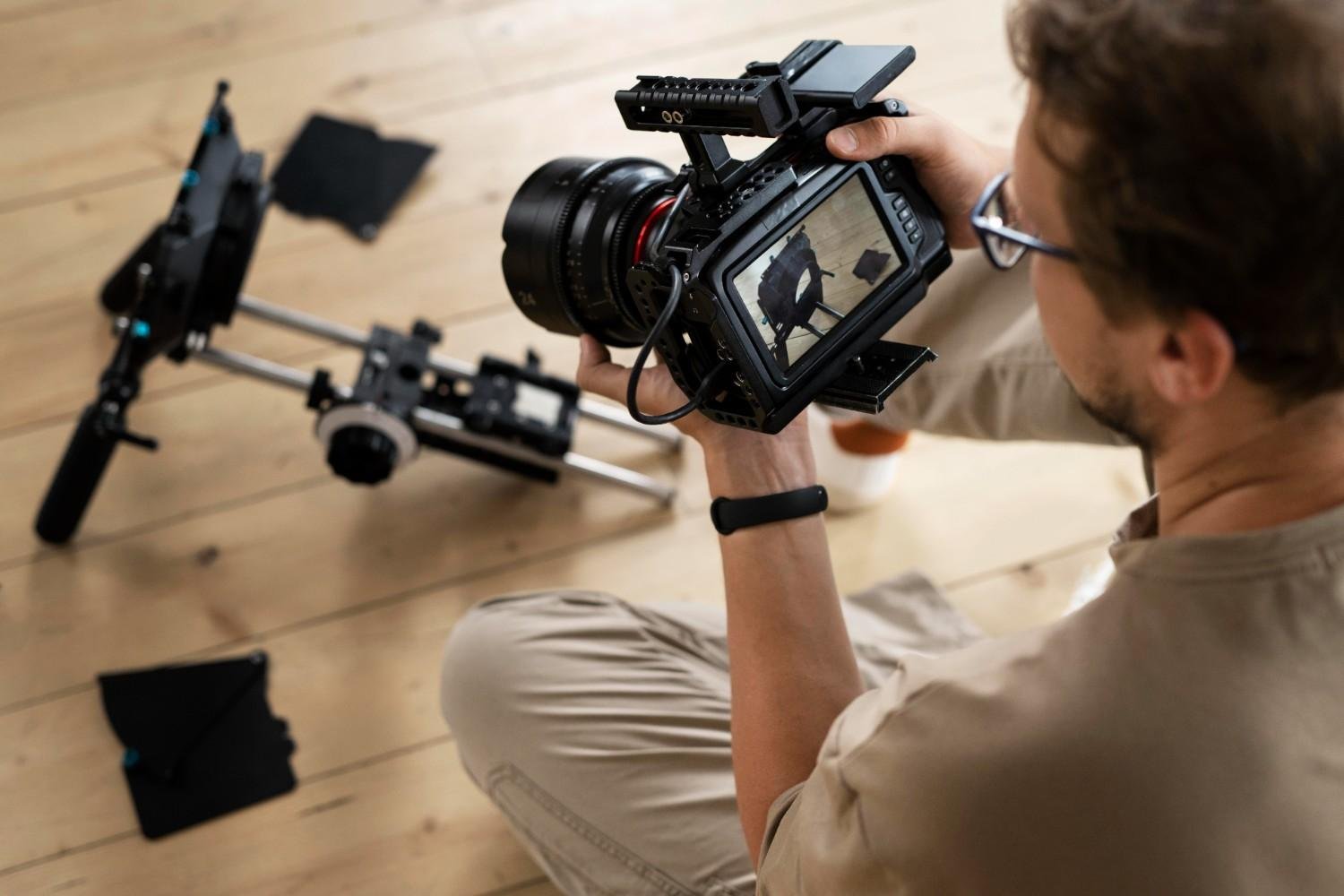
I start with storytelling purpose. If viewers need to discover information, I may pan or tilt. For emotional closeness, I may push in. If the audience should travel alongside a character, I may use a tracking shot. When a sequence needs instability, handheld camera movement may work. When performance deserves uninterrupted attention, I may keep the frame locked.
For U.S. indie filmmakers and smaller production crews, budget, permits, location access, safety, available camera equipment, and tools such as manual and wireless follow focus systems matter too. A gimbal, slider, or carefully planned handheld shot can sometimes replace a larger dolly or crane setup without sacrificing the intended visual storytelling.
Frequently Asked Questions (FAQs)
1. What are the basic types of camera movements in film?
The core techniques include pan, tilt, roll, dolly, truck, tracking, pedestal, arc, crane, zoom, dolly zoom, handheld, stabilized movement, and static framing. Rack focus is also commonly discussed alongside these filmmaking techniques because it redirects audience attention through the lens.
2. Is a zoom technically a camera movement?
Not physically. A traditional zoom changes focal length while the camera stays stationary. Filmmakers still commonly group zoom shots with camera movement techniques because the changing magnification alters how the subject appears within the frame.
3. What camera movement is best for following an actor?
Tracking shots, Steadicam shots, gimbal movement, dolly shots, and handheld techniques can all follow an actor. The best choice depends on desired smoothness, movement speed, terrain, shot duration, available equipment, and the emotional tone of the scene.
Final Takeaway
I treat camera movement as visual storytelling rather than decoration. Pan, tilt, dolly, tracking shot, arc, crane, zoom, handheld, and stabilized shots all change the relationship between the viewer, subject, and environment.
Once I understand whether a cinematography technique rotates the camera, moves it through three-dimensional space, changes the lens, or alters the support style, choosing the right shot becomes much more intentional.
The goal is not to keep the camera moving. It is to move it only when that movement adds meaning.

One thought on “Types of Camera Movements in Film: Complete Filmmaking Guide”