



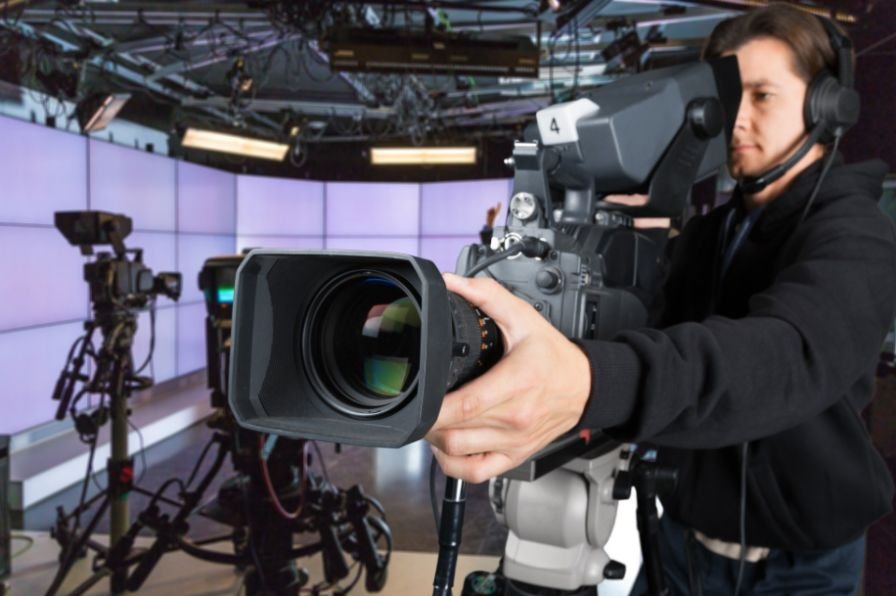
I used to think selecting a cable camera was mainly about finding a system with enough speed and travel distance. In practice, the creative shot is only the beginning. Payload, rigging conditions, camera control, stabilization, crew experience, safety planning, and setup time can determine whether the system works smoothly or becomes an expensive production problem.
Choosing the right cable camera system for productions should therefore begin with the planned camera movement rather than a specific product. A compact point-to-point rig may be ideal for a controlled tracking shot, while a large multi-cable system may be necessary to move freely across an arena, stage, or outdoor location.
Start With the Shot You Need
Define the intended shot before comparing equipment specifications. Determine where the camera begins, where it finishes, how quickly it must travel, and whether the movement needs to be repeated.
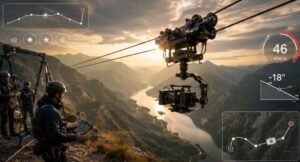
A simple straight-line shot usually requires a one-dimensional system. This configuration uses a trolley that travels along a fixed cable between two anchor points. It can produce smooth tracking shots above pathways, beside performers, through forests, across water, or along event spaces.
A two-dimensional system provides horizontal and vertical movement across a wider plane. A three-dimensional flying camera uses several controlled cables to move through a much larger volume. These advanced systems suit stadiums, concerts, television broadcasts, and productions requiring extensive overhead coverage.
More movement freedom normally means additional winches, control equipment, rigging, programming, operators, and safety procedures.
Calculate the Complete Travelling Payload
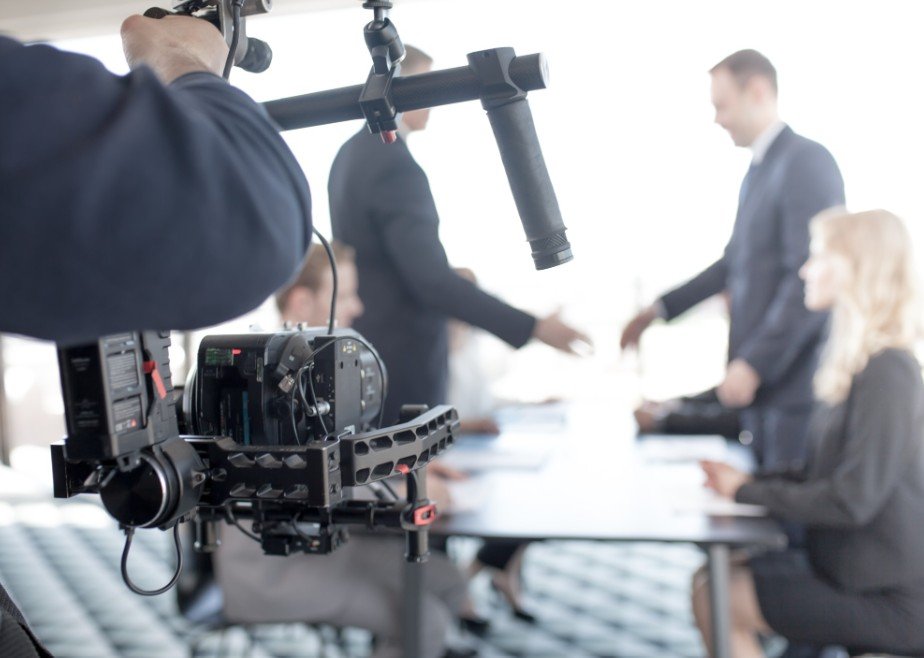
Do not base the payload calculation on the camera body alone. Every component moving along the cable contributes to the system’s working load.
The total may include the lens, battery, media, camera cage, mounting plate, stabilized head, matte box, filters, focus motor, zoom motor, wireless video transmitter, antennas, cables, adapters, and trolley hardware.
Productions building a modular cinema package should also plan the 15mm rod system setup for cinema camera rigs carefully, since rods, clamps, lens supports, motors, and attached accessories all add weight and affect balance.
Payload distribution also matters. A poorly balanced package can increase vibration, strain the motor, reduce braking consistency, and make stabilization more difficult. Compare the completed camera build with the manufacturer’s rated operating capacity, not merely its absolute maximum.
A lightweight mirrorless setup may work with a portable cable cam. A cinema camera with a large zoom lens, remote head, wireless controls, and high-capacity batteries will require a stronger professional system.
Measure the Cable Path and Working Range
Measure the complete distance between potential anchor points, but remember that the physical span is not always the usable camera path. The trolley may need braking space near each end, while cable sag and terrain can reduce clearance.
Consider elevation changes, minimum camera height, maximum height, obstacles, performer positions, audience areas, access routes, and emergency exits. A long advertised line length does not guarantee that the system will deliver the required shot safely at a particular venue.
The proposed anchors must also be suitable for the expected forces. Trees, railings, temporary poles, lighting structures, and decorative building features should never be assumed to be appropriate anchor points without proper assessment.
Compare Speed, Stability, and Motion Quality
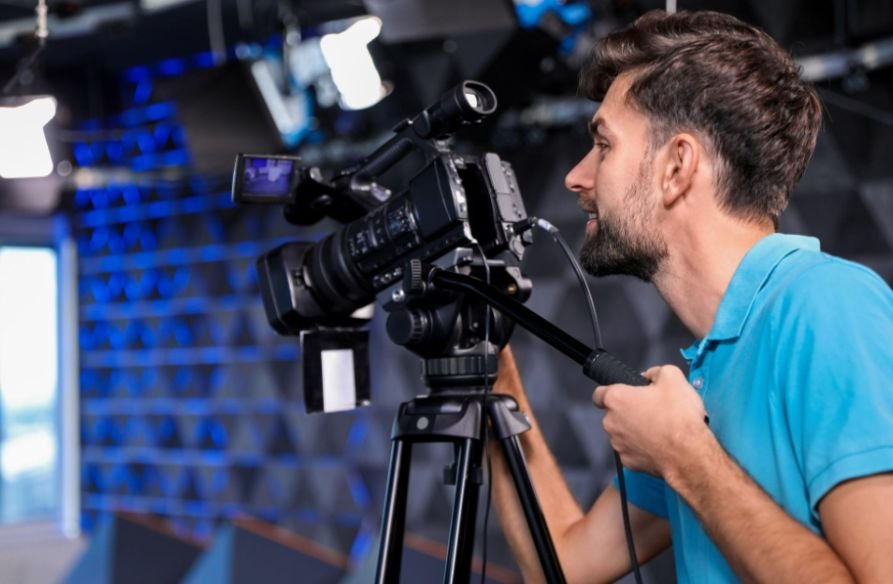
Maximum speed attracts attention, but slow-speed control is often more important for cinematic production. A system should start, stop, accelerate, and change direction without visible jolts.
For dramatic scenes, interviews, product filming, and controlled commercial work, examine low-speed smoothness and repeatability. For sports, racing, live entertainment, or action sequences, acceleration and braking performance may become more important.
If your production is still deciding between an aerial platform and a cable-based movement system, reviewing cable camera vs drone for cinematic shots before finalizing your equipment can help you match the camera movement to the creative and operational requirements of the shoot.
Check whether the system provides adjustable speed limits, soft starts, controlled braking, position presets, programmable motion movement, and emergency stopping. Repeatable moves can be valuable when matching several takes or combining practical footage with visual effects.
Cable vibration, trolley noise, wind, changing tension, and sudden direction changes can affect the image. A quality gimbal or remote head may correct some movement, but it cannot compensate for every rigging or operating problem.
Check Camera and Lens Control Requirements
Basic systems may only move the camera forward and backward. Professional productions often require much more control.
Consider whether the operator needs remote pan, tilt, roll, focus, zoom, iris, recording control, camera menus, tally, timecode, or return video. Live productions may also require integration with switching, intercom, monitoring, and broadcast transmission systems.
Wireless video reliability should be assessed before filming. Range, structures, crowds, competing signals, and the camera’s changing position can all affect transmission.
The control system should also have acceptable latency. Delayed movement, focus, or framing commands can make it difficult to follow performers or fast action accurately.
Evaluate the Location Before Choosing Equipment
Indoor and outdoor environments create different challenges. Indoor venues may provide predictable weather but limited structural access. Outdoor locations may offer longer spans while introducing wind, rain, temperature changes, uneven ground, and difficult access.
Inspect the venue early enough to identify anchor options, cable visibility, power availability, public access, setup windows, noise restrictions, and exclusion zones. The production may also need permission from the property owner, venue operator, or relevant authority.
Choosing the right cable camera system for productions becomes easier when the location survey happens before the equipment booking. A technically capable system may still be unsuitable when the venue cannot support its anchors, installation time, operating path, or safety requirements.
Plan the Crew and Operating Workflow
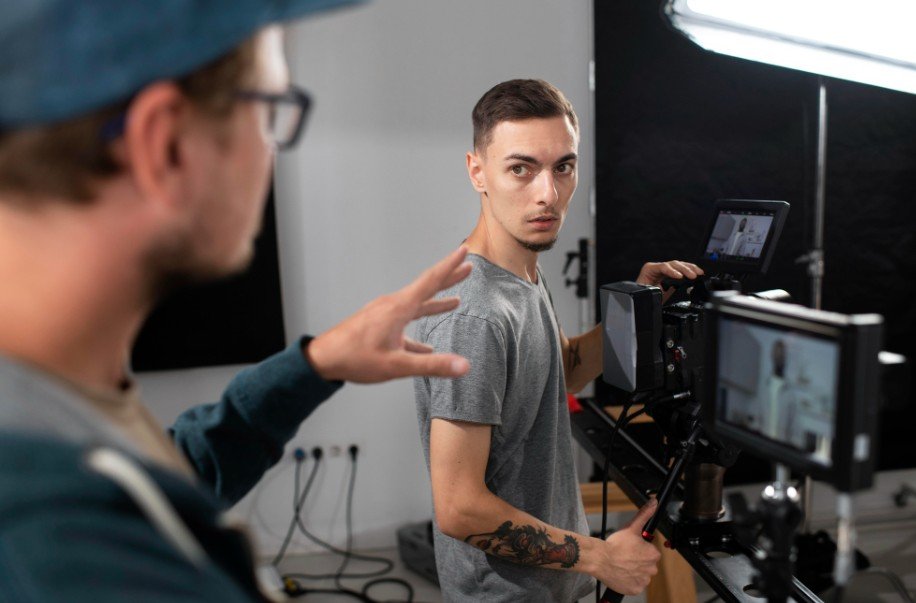
Small portable systems may be operated by a compact camera team in controlled conditions, particularly when the production uses a multi camera vision setup to coordinate different angles. Larger systems can require dedicated riggers, motion operators, camera operators, spotters, technicians, and safety personnel.
Clarify who will install the cables, inspect the anchors, operate the trolley, frame the shot, control the lens, monitor the path, and initiate an emergency stop. Responsibilities should be clearly assigned before rehearsal.
Allow enough time for installation, testing, calibration, camera balancing, wireless checks, rehearsals, and adjustments. The system should be tested through the full movement path before performers or spectators enter the operating area.
Compare Buying, Renting, and Hiring Specialists
Buying can make sense for teams that repeatedly use a compact system in familiar locations. Ownership provides availability and allows the crew to develop consistent operating skills, but it also creates responsibilities for maintenance, inspection, storage, training, and replacement parts.
Renting is practical for occasional productions with established technical crews. It gives access to more capable equipment without requiring a permanent investment.
Hiring a specialist provider is usually the stronger option for large spans, heavy camera packages, multi-cable movement, public events, overhead operation, or unfamiliar venues. The service may include rigging, system operators, transport, technical planning, and production support.
Frequently Asked Questions
1. Which cable camera system is best for a cinema camera?
The best option depends on the completed camera payload, lens-control requirements, movement distance, desired speed, stabilization, and available anchor points.
2. How much payload capacity should a cable cam have?
Its approved operating capacity should accommodate every travelling component. Follow the manufacturer’s specifications and avoid calculating weight from the camera body alone.
3. Can a cable camera be used above people?
Overhead use requires professional risk assessment, suitable equipment, secure rigging, controlled operating procedures, and compliance with applicable venue and safety requirements.
4. What matters most when choosing the right cable camera system for productions?
Prioritize the shot path, full payload, anchor conditions, control requirements, motion quality, trained crew, safety procedures, and complete production cost.
Final Perspective
I choose cable camera equipment by working backward from the finished shot. I first define the movement, measure the location, build the complete payload list, and identify the controls the camera team will need.
The best system is not necessarily the fastest, longest, or most expensive. It is the one that delivers the required movement smoothly, integrates with the production workflow, and can be installed and operated responsibly at the chosen location.