



I used to think drones were the automatic choice whenever a scene needed sweeping movement from above. After examining how professional productions plan complex tracking shots, I realised that cable cameras can sometimes produce smoother, safer, and more repeatable results.
Choosing between a cable camera vs drone for cinematic shots depends on the location, desired movement, camera package, sound requirements, safety conditions, and number of takes. Neither system wins every situation. The right choice is the one that supports the story without creating unnecessary production problems.
What Is a Cable Camera System?
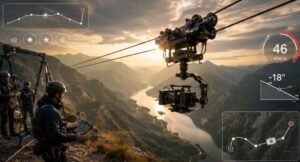
A cable camera is a motorised camera rig that travels along one or more tensioned cables. A simple one-line system moves between two fixed points, while a multi-cable system can move horizontally, vertically, and diagonally within a controlled area.
These systems are frequently used for sports, concerts, vehicle sequences, action scenes, and large indoor productions. Because the camera follows a planned route, operators can create smooth tracking shots and repeat similar movements across multiple takes.
What Is a Cinematic Drone?
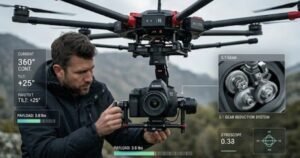
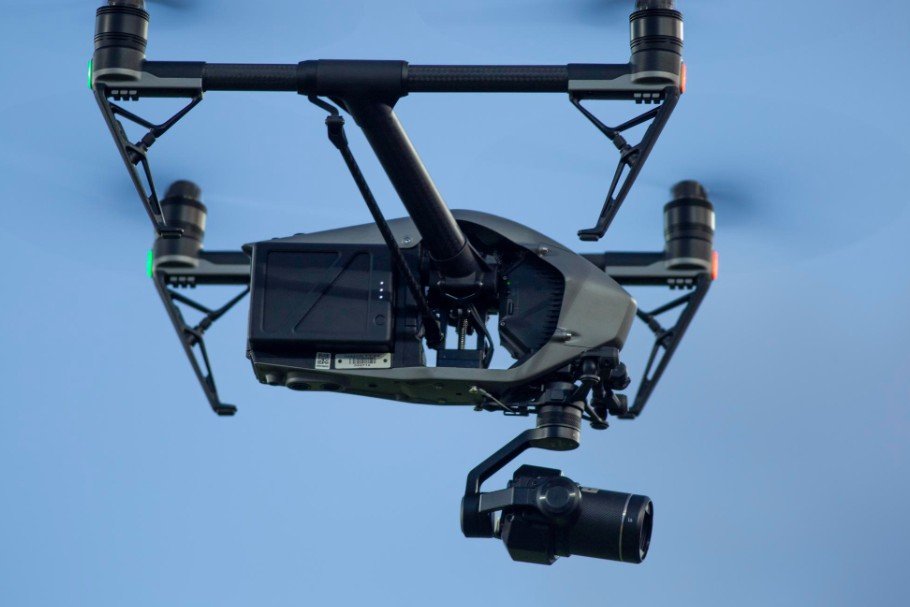
A cinematic drone is an unmanned aerial platform carrying an integrated camera or stabilised camera package. Standard camera drones are compact and quick to deploy, while heavy-lift systems can carry larger cinema cameras and professional lenses.
Drones provide exceptional freedom of movement. They can rise over buildings, circle subjects, cross difficult terrain, follow vehicles, and reveal landscapes without needing tracks, cranes, or cables between fixed anchors.
Cable Camera and Drone Movement Compared
Freedom of Direction
A drone can move in almost any direction within its permitted flying area. It can climb, descend, rotate, orbit, accelerate, and change its route while filming. This flexibility makes it excellent for landscapes, establishing shots, chases, and unpredictable action.
A cable suspended camera system follows a fixed path. Although this limits spontaneous movement, it provides precise framing and predictable timing. Multi-cable systems offer greater three-dimensional movement, but they require more installation space and technical planning.
Smoothness and Repeatability
Cable cameras are highly effective when a shot must be repeated. Actors, vehicles, lighting cues, practical effects, and visual effects plates can be coordinated around a consistent camera path.
Drone operators can recreate routes through skilled piloting or programmed waypoints. However, wind, positioning accuracy, battery changes, satellite reception, and environmental conditions may create small variations between takes.
Image Quality and Camera Payload
Image quality depends on the specific equipment rather than the category alone. Compact drones usually have built-in cameras with limited lens options. Professional heavy-lift drones can support cinema cameras, although larger payloads increase operating complexity and reduce flight time.
Cable systems can often carry heavier cameras, larger lenses, wireless video transmitters, and advanced stabilised heads.
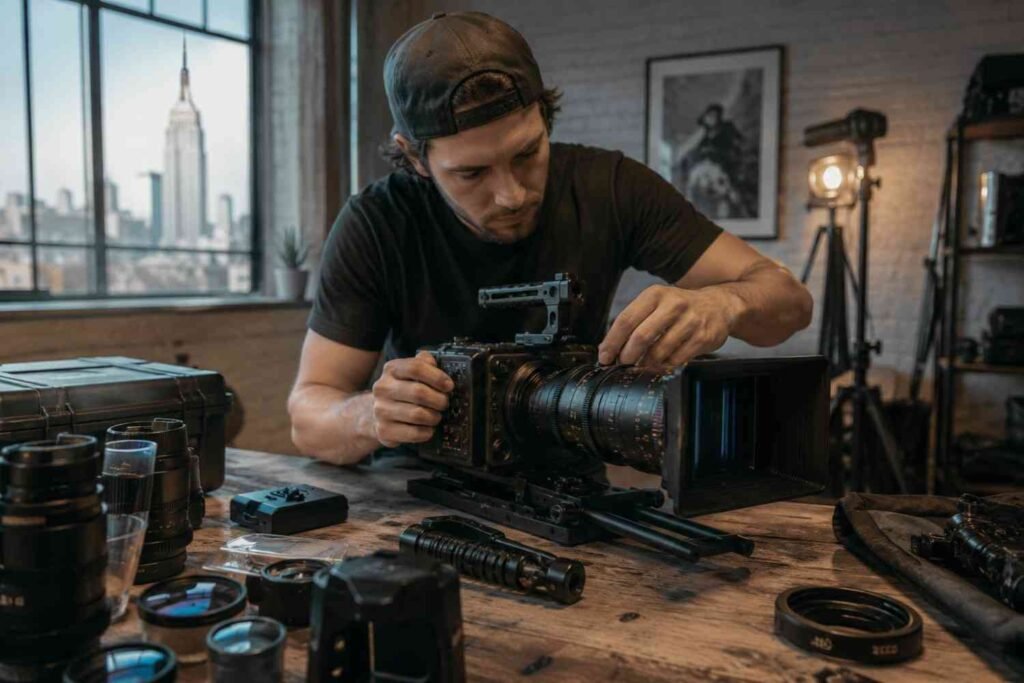
Productions building a heavier camera package should understand how to choose a matte box for a cinema camera based on lens diameter, filter size, mounting method, weight, and compatibility with the stabilisation system.
This makes them attractive when a production wants its aerial-looking shots to match footage from the main cinema camera.
However, lightweight cable cams may have their own payload limits. Producers must compare the actual camera weight, lens size, stabiliser capacity, cable tension, and motor performance before selecting a system.
Indoor Filming and Restricted Locations
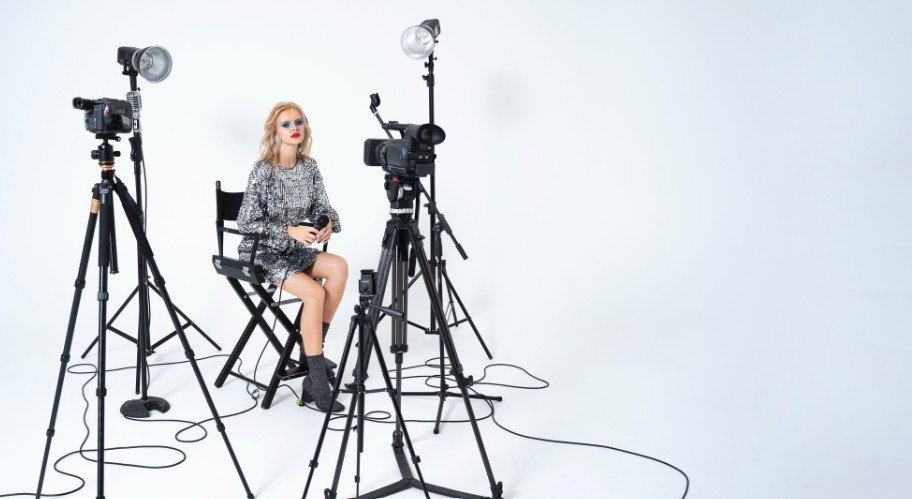
Cable cameras are often better suited to indoor arenas, warehouses, studios, stages, and locations where drone flight is impractical. They can travel above controlled areas without relying on satellite positioning or generating strong propeller wash.
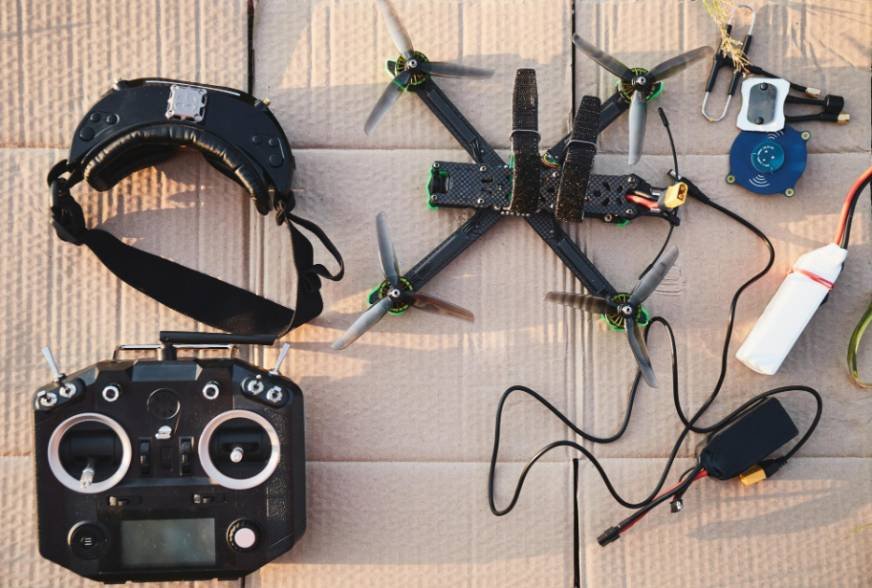
Drones may still be used indoors when the environment, operator skill, safety plan, local rules, applicable UAS regulations, and any required drone flying license allow it. Smaller cinewhoop or FPV drones are especially useful for moving through doorways, corridors, workshops, and compact sets.
The deciding factor should be risk, not novelty. Productions must consider performers, crew members, valuable sets, lighting equipment, audience areas, emergency routes, and the possibility of mechanical failure.
Safety Around Actors and Crowds
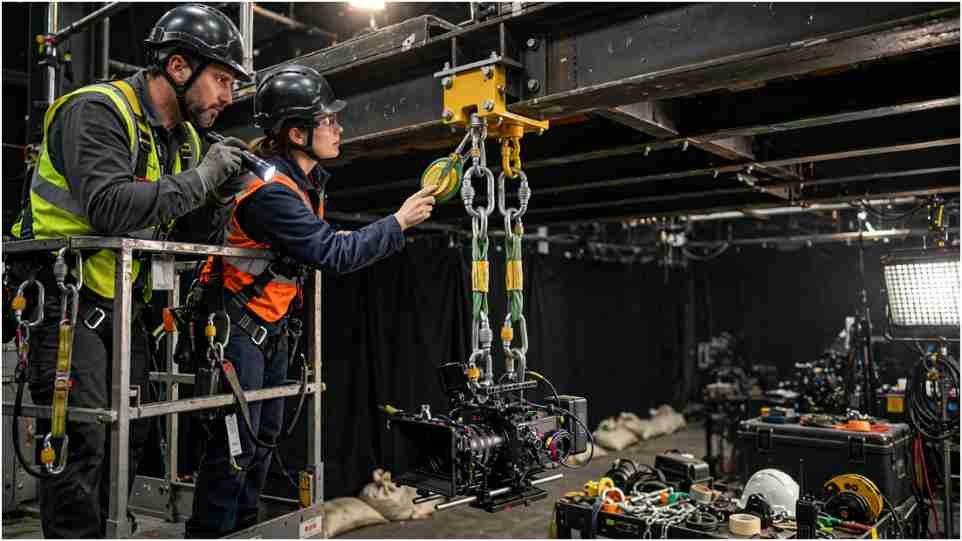
A properly engineered cable camera follows a defined route, allowing the production team to establish exclusion zones and predict where the rig will travel. Professional systems may also use backup lines, braking mechanisms, inspections, and controlled operating procedures.
Drones introduce moving propellers and can deviate from their intended position. They therefore require careful planning near actors, crowds, buildings, vehicles, and public spaces.
Cable systems are not automatically risk-free. Anchor points, cable tension, structural capacity, sag, rigging hardware, weather, emergency stops, and secondary safety measures must all be evaluated by qualified professionals.
Setup Time and Production Flexibility
Drones generally win when speed and mobility are priorities. A suitable location can often be assessed, prepared, and filmed without constructing an extensive physical route. This is helpful for documentaries, travel films, remote landscapes, and productions covering several locations in one day.
Cable cameras normally require more preparation. The crew must identify safe anchor points, install the cable, calculate tension, test the carriage, check framing, and protect the working area.
Once installed, however, the system can deliver consistent movement for hours without repeatedly landing for battery changes.
Sound, Wind, and Weather Conditions
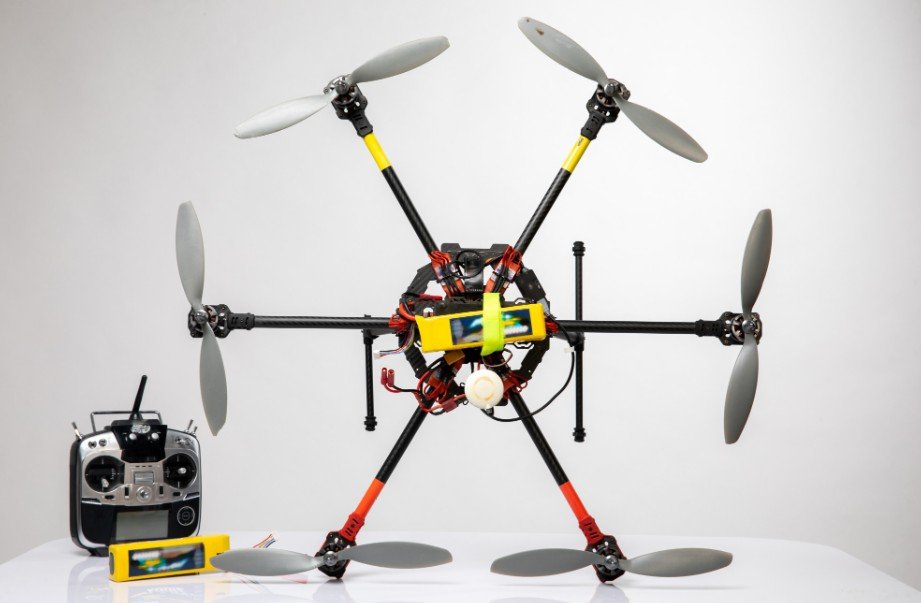
Drone propellers create noticeable noise, which can interfere with dialogue and location sound. Productions may need to record clean dialogue separately or replace it during post-production.
Cable cameras are usually quieter near the camera carriage, although motors, winches, stabilisers, and moving components may still create sound.
Wind affects both systems. It can reduce drone stability and battery performance, while long cable spans may experience vibration, movement, or changing tension. Rain, lightning, temperature, visibility, and manufacturer limitations must also be considered.
Cost and Crew Requirements
A small drone can be more affordable than a professionally rigged cable system. It may also require fewer people and less installation equipment for straightforward exterior shots.
Costs change significantly at the professional level. Heavy-lift drones may require specialist pilots, camera operators, spotters, permits, insurance, transport, backup equipment, and additional safety staff.
Cable-camera expenses can include riggers, engineers, structural assessments, anchors, winches, stabilised heads, technicians, and setup time. The cheapest option is not always the most efficient once delays, retakes, location restrictions, and post-production work are considered.
When Should You Choose a Cable Camera?
Choose a cable camera when the movement must be repeatable, the camera needs to travel close to action, or the production is filming inside a controlled venue.
Teams planning stadium coverage can also review how cable camera systems in live sports broadcasting provide controlled aerial movement, extended operating time, tactical viewpoints, and repeatable tracking across large playing areas.
It is particularly effective for concerts, stadium sports, vehicle passes, factory sequences, obstacle courses, visual effects work, and long tracking shots over predictable routes.
When Is a Drone the Better Choice?
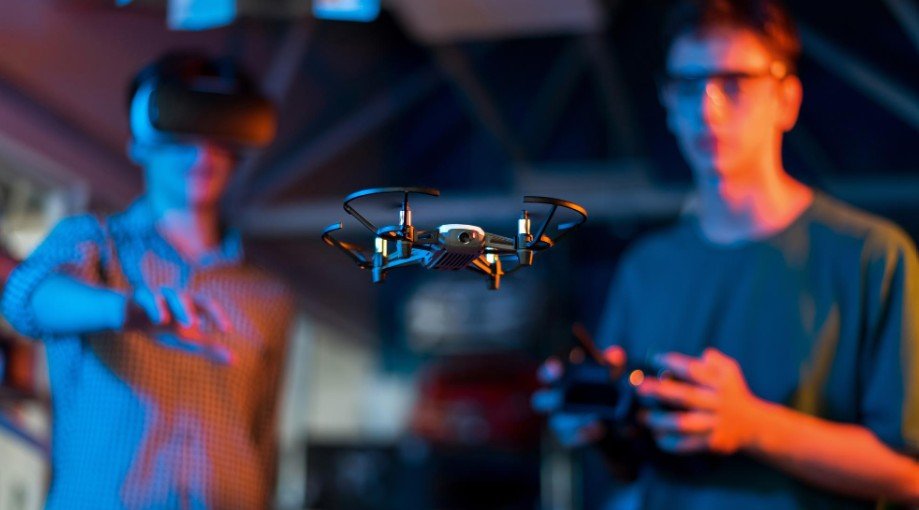
Choose a drone when the scene requires open movement, rapid deployment, wide landscapes, high establishing shots, steep elevation changes, or coverage across difficult terrain.
Drones are excellent for coastlines, forests, mountains, architecture, travel films, remote locations, and dynamic chase sequences where fixed cables would restrict the composition.
Can Both Systems Be Used Together?
Using both systems can create a more complete visual sequence. A drone may establish the scale of a location, while a cable camera follows the subject closely through a controlled section of the action.
This approach gives editors wide aerial geography, intimate tracking movement, and more coverage options without forcing one system to perform every task.
Frequently Asked Questions
1. Which is better for smooth tracking shots?
A cable camera often provides greater consistency along a planned route, while a skilled drone operator can create fluid tracking shots with more directional freedom.
2. Is a cable camera safer than a drone?
It can be safer in certain controlled environments, but safety depends on engineering, installation, inspections, operator training, exclusion zones, weather, and emergency procedures.
3. Which option is better for indoor filming?
Cable systems suit large indoor spaces and predictable routes, while compact FPV drones can work well in smaller interiors when properly controlled.
4. How do I choose between a cable camera vs drone for cinematic shots?
Choose according to movement freedom, repeatability, payload, location access, noise, safety, setup time, weather, budget, and the emotional purpose of the scene.
The Final Frame
I would choose a drone for unrestricted aerial exploration, dramatic reveals, remote landscapes, and fast-moving coverage across changing terrain. I would choose a cable camera for controlled tracking, repeated takes, indoor venues, close action, and heavier camera packages.
The strongest cinematic decision is rarely based on which technology looks more impressive. I focus on the movement the story needs, the risks the location creates, and the system that can deliver the shot reliably. When both tools support different parts of the sequence, combining them can produce the most engaging result.