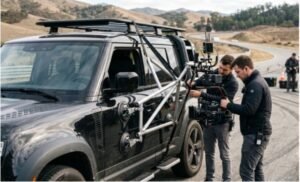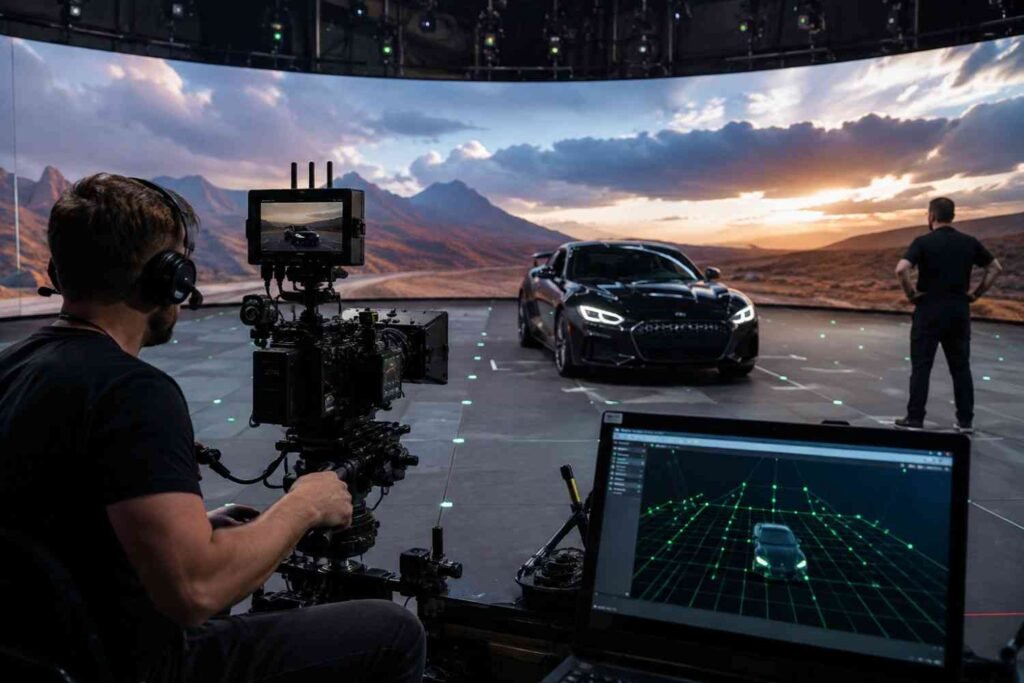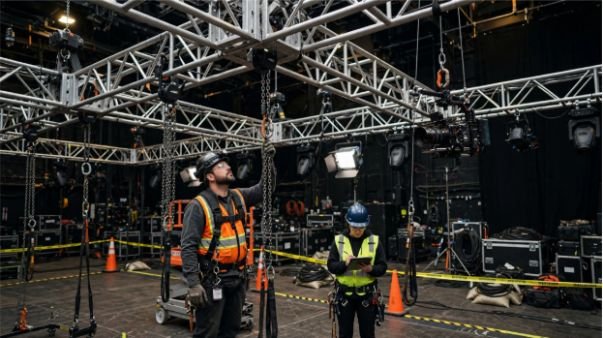




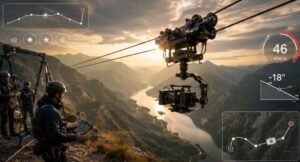
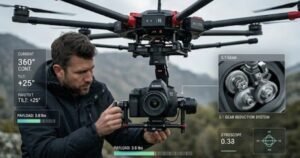
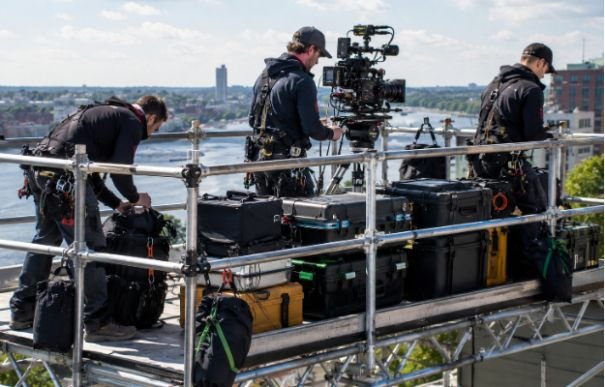
I never treat an elevated camera position as a routine equipment setup. Once an operator, camera, tripod, monitor, or remote head rises above ground level, the production introduces fall, tipping, electrical, collision, and dropped-object risks.
The safest approach is to plan the platform as carefully as the shot itself. These elevated camera platform safety rules help US film crews manage temporary scaffolding decks, scissor lifts, boom lifts, camera cranes, and mobile elevating work platforms without sacrificing efficiency.
Who Is Qualified to Operate an Elevated Camera Platform?
Only trained and authorized personnel should operate a MEWP (Mobile Elevating Work Platform), aerial lift, or powered camera platform. The operator must understand the controls, alarms, emergency-lowering system, rated capacity, travel restrictions, wind limits, and manufacturer instructions.
Camera experience alone does not qualify someone to operate access equipment. Before rehearsal, I assign responsibility for operating the lift, inspecting the platform, spotting movement, securing the camera package, controlling the area below, and calling an emergency stop.
OSHA advises employers to allow only trained workers to use scissor lifts and to ensure that operators can demonstrate safe operation.
What Fall Protection Does a Camera Operator Need?
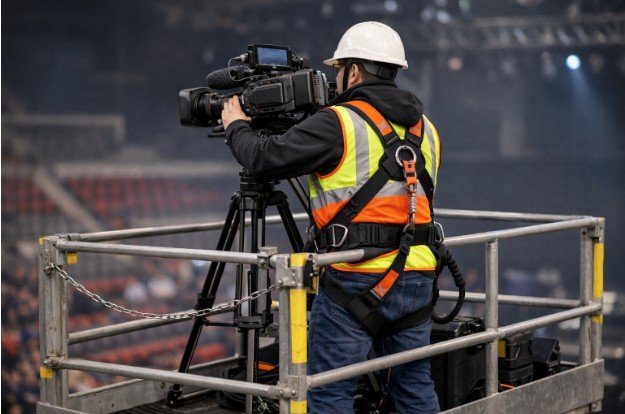
Fall protection depends on the platform type, task, manufacturer guidance, and applicable federal or state requirements. Boom-supported aerial platforms commonly require a properly adjusted full-body harness connected to a manufacturer-designated anchor point.
Some scissor lifts may use a compliant guardrail system when workers remain inside the platform and follow operating instructions. Productions should never assume that one fall-protection rule applies to every platform.
I never allow anyone to attach a lanyard to a standard guardrail, lighting truss, camera support, or nearby structure unless that point was engineered and approved for fall protection. Crew members must keep both feet on the deck floor and never sit, stand, or climb on safety rails.
What Should a Pre-Shift Platform Inspection Cover?
A trained person should complete visual and functional checks before every shoot. The inspection should be repeated after relocation, impact, severe weather, or a major equipment change.
I inspect the operating controls, emergency stop, emergency-lowering system, guardrails, entry gates, tires, wheels, stabilizers, outriggers, hydraulic parts, wiring, alarms, locking pins, fasteners, warning labels, and structural components.
The camera system needs a separate inspection. Tripod plates, clamps, remote heads, monitor mounts, batteries, tethers, and cables must remain secure. A defective lift or damaged mount should be removed from service until a qualified person repairs it.
How Do You Calculate Camera Platform Load Capacity?
The posted load limit includes everything traveling upward, not only the operator. I calculate the combined weight of every crew member, camera body, heavy lens, tripod, fluid head, remote head, monitor, battery, transmitter, focus system, cable, tool, counterweight, sandbag, and accessory.
Weight distribution also matters. Heavy equipment concentrated near one edge can restrict movement and affect stability even when the total remains below the platform’s rated capacity.
Never exceed the manufacturer’s load limit or modify a platform to carry extra equipment. OSHA guidance requires operators to remain within manufacturer-rated capacity and follow approved operating procedures.
How Should Camera Equipment Be Secured at Height?
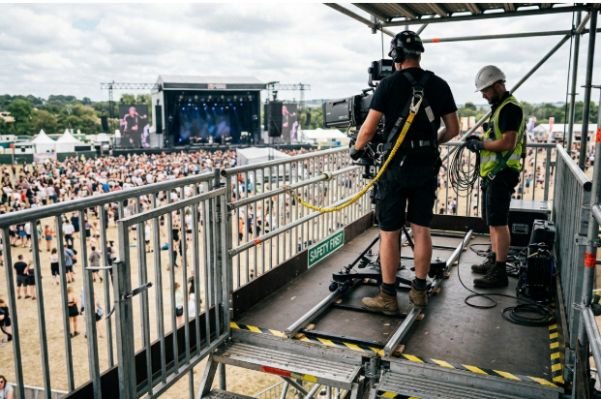
Loose equipment can create tripping hazards and injure people below. I route cables neatly and remove lens caps, tape rolls, tools, cases, and unused accessories from the deck floor.
Cameras, monitors, remote heads, and peripheral equipment should use correctly rated safety bonds or tether straps when appropriate. Sandbags and counterweights must also be restrained so they cannot slide or fall.
Temporary scaffolding decks should include toe boards or kickboards where the platform design, risk assessment, or applicable rules require them. Edge protection can prevent small items from rolling off, but it does not replace proper equipment retention.
The entry gate or mid-rail must remain fully closed before elevation. Camera supports must not block emergency controls, access gates, or the operator’s movement.
How Do Ground Conditions Affect Platform Stability?
The platform should stand on solid, level, stable ground capable of supporting the complete setup without sinking, shifting, or excessive vibration.
Before anyone ascends, I fully deploy and lock all outriggers or stabilizers according to the manufacturer’s instructions. I never use apple boxes, stacked lumber, road cases, or improvised wedges to level a platform.
The site evaluation should also identify slopes, holes, soft soil, curbs, floor openings, moving vehicles, overhead structures, lighting equipment, and pedestrian traffic. Barriers and spotters may be necessary to prevent another vehicle or piece of equipment from striking the base.
When Should Wind Stop Elevated Camera Work?
Crews must follow the wind limit stated in the equipment manual. A Northern Illinois University camera-platform policy uses 25 mph as the limit for aerial lifts unless the operator’s manual specifies otherwise, but 25 mph is not a universal limit.
Camera covers, monitor hoods, flags, reflectors, and fabric can catch wind and increase instability. I stop work earlier when gusts, rain, lightning, ice, poor visibility, or changing ground conditions make the platform unsafe.
A sunset, live broadcast, performer schedule, or expensive production delay should never override a competent person’s decision to lower the platform.
How Far Should a Camera Platform Stay From Power Lines?
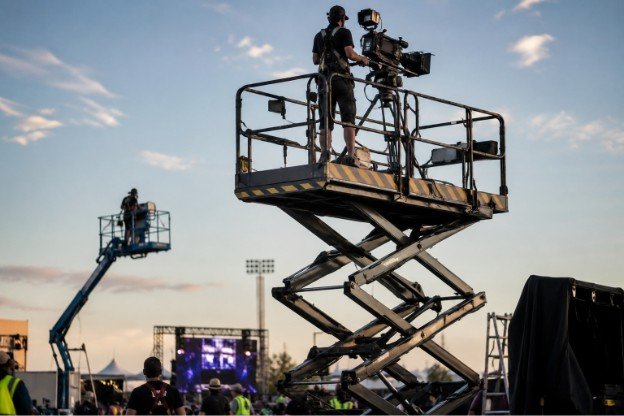
Crews should treat overhead electrical lines and communication cables as energized unless the responsible utility confirms otherwise.
Ten feet is a common minimum clearance in many aerial-lift situations, but voltage, equipment type, and applicable regulations may require a greater distance. Productions should verify the correct minimum approach distance rather than treating 10 feet as a universal rule.
A dedicated spotter may be necessary when the lift travels or operates near electrical hazards.
Can a Camera Platform Move While It Is Elevated?
Never drive, push, reposition, or adjust the base while someone is elevated unless the manufacturer explicitly permits that movement.
When elevated travel is allowed, I clear the route, secure the camera, check overhead clearance, use a spotter, move slowly, and maintain continuous communication. The access gate must remain closed throughout the movement.
Balanced camera cranes and arms require additional control. Crew members should step on or off only after the responsible technician approves the change and confirms the counterweights. Removing a camera, changing a lens, or shifting personnel can alter the balance unexpectedly.
Why Is an Exclusion Zone Necessary?
The production should create a controlled exclusion zone beneath and around the platform. Barriers, signs, or spotters can keep performers, background actors, vehicles, and nonessential personnel away from falling-object and collision hazards.
I also prepare an emergency plan before elevation. A trained person on the ground should understand the emergency-lowering controls, rescue procedure, radio commands, and process for contacting emergency services.
Everyone must have authority to call an immediate stop when they see a serious hazard.
Frequently Asked Questions (FAQs)
1. Is a harness required on every camera platform?
No. Requirements depend on the platform, work activity, manufacturer instructions, and applicable regulations. Boom lifts commonly require personal fall protection, while guardrails may protect workers on certain scissor lifts.
2. Can a tripod be used on a scissor lift?
Yes, when the lift has adequate capacity and working space. The tripod must remain stable and cannot obstruct the controls, gate, or emergency access.
3. What is the safest wind speed for platform operation?
There is no universal wind speed. Follow the manufacturer’s limit and stop earlier when gusts, camera covers, flags, or changing site conditions increase the risk.
4. What are the most important camera platform precautions?
Train the operator, inspect the equipment, use appropriate fall protection, respect load limits, secure all gear, monitor weather, control the area below, and prepare a rescue plan.
Final Thoughts
I believe ambitious cinematography should never depend on improvised access or rushed safety decisions. Strong elevated camera platform safety rules combine qualified operators, suitable equipment, controlled loading, stable ground, proper fall protection, secure camera gear, electrical clearance, weather monitoring, and clear stop-work authority.
When every department understands the plan before the platform rises, the crew can create the shot without exposing people or equipment to preventable danger.