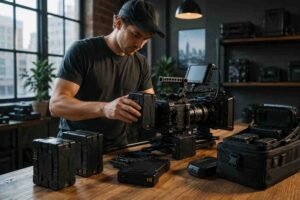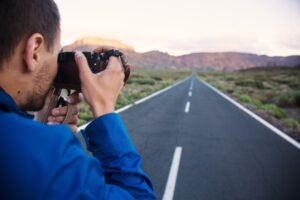




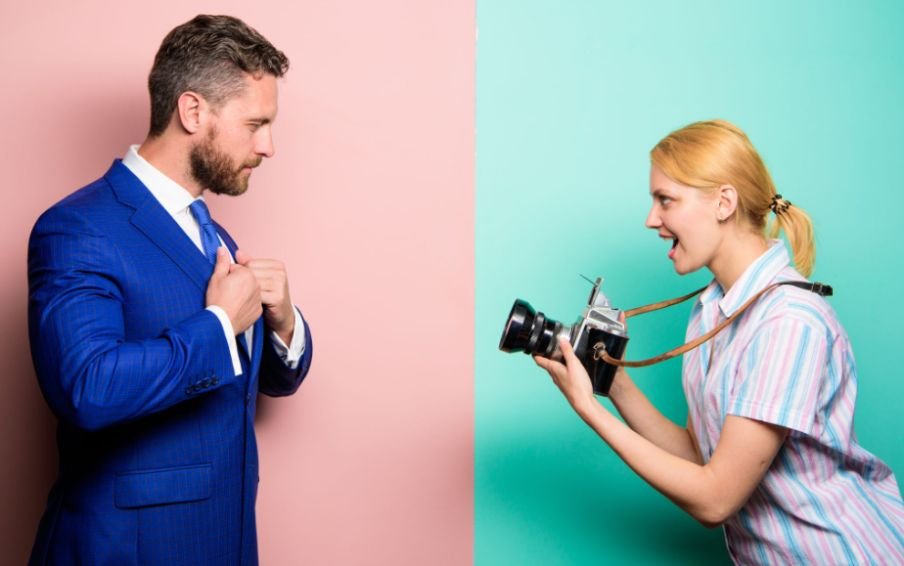
A camera can stay perfectly still and make a scene feel electric, or glide through space and pull viewers into the action. When I compare static shot vs moving camera shot, I do not ask which looks more cinematic. I ask which gives the audience the clearest emotional experience. That choice affects composition, pacing, depth, suspense, and emotion.
What Is the Difference Between a Static and Moving Camera Shot?
A static camera shot keeps the camera in one fixed position throughout the take. Filmmakers also call it a locked-off shot or fixed camera shot. Actors and background elements may move, but the camera stays still.
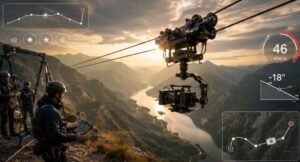
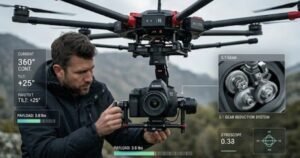
A moving camera shot changes the viewpoint during the take. It may travel forward, backward, sideways, vertically, or around a subject with a dolly, slider, gimbal, Steadicam, crane, drone, or handheld setup. Pans and tilts rotate the camera from a fixed position, while a zoom changes focal length rather than physically moving the camera.
Static framing makes viewers study movement inside the composition. Dynamic camera movement changes their relationship with the subject and environment.
Why Do Filmmakers Use Static Shots?
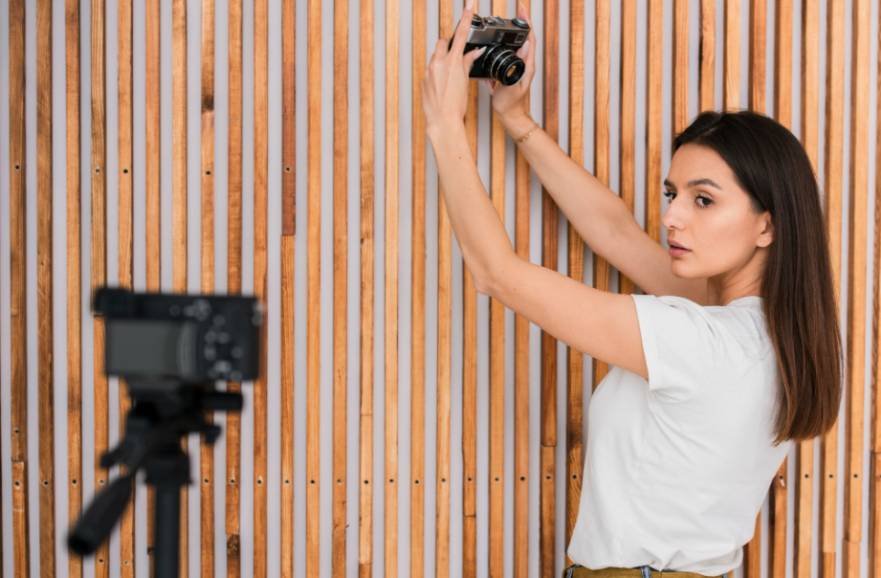
I use a static shot when the scene already has enough visual or emotional energy. Removing camera movement focuses attention on facial expressions, lighting, production design, choreography, and camera blocking.
Stillness can feel observational, intimate, tense, or uncomfortable. In heavy dialogue or a tense standoff, a locked-off shot can force viewers to stay with the characters.
Static shots can also make chaotic action easier to understand. If a fight, explosion, crowd, or frantic performance already creates movement inside the frame, keeping the camera fixed preserves screen geography and creates internal energy without adding visual confusion.
Static cinematography also strengthens cinematic composition. Symmetry, negative space, leading lines, and actor placement become more noticeable. Wes Anderson’s controlled symmetrical framing shows how still compositions can feel highly stylized rather than boring.
Why Do Moving Camera Shots Feel More Immersive?
Moving shots continuously change the relationship between the subject, foreground, and background. That can make a scene feel energetic, visceral, chaotic, intimate, or grand.
A major advantage is parallax. As the camera physically moves, nearby objects appear to cross the frame faster than distant objects, creating stronger three-dimensional depth.
Movement also reveals information. A push-in can isolate a face or important detail. A pull-out can expose more of the environment, emphasize scale, or make a character appear isolated.
Understanding pull back camera movement in film is especially useful when you want a shot to gradually reveal context, distance the audience from a character, or end a scene with a stronger sense of scale.
A tracking shot can follow action through a location while maintaining spatial continuity.
Even a motionless subject can gain energy from a subtle dolly slide, pan, or gimbal shot. The key is motivated camera movement: the move should change what viewers know, feel, or notice.
How Do Static and Moving Shots Change Emotion?
The emotional difference between static shots and moving-camera shots largely comes from how much control the filmmaker gives the viewer.
A fixed camera encourages observation, making it useful for dialogue, landscapes, deadpan comedy, suspense, and restrained moments.
A moving camera guides attention more actively. A dolly shot can increase pressure or intimacy. Handheld movement creates urgency, while a Steadicam or gimbal can simulate physical presence.
A subtle pedestal camera movement can raise or lower the viewpoint vertically, helping reveal a subject, alter visual hierarchy, or shift attention without changing the camera’s angle Crane, jib, and drone moves reveal scale.
That is why camera movement storytelling is about controlling perspective, not simply adding motion.
Which Camera Movement Techniques Should You Use?
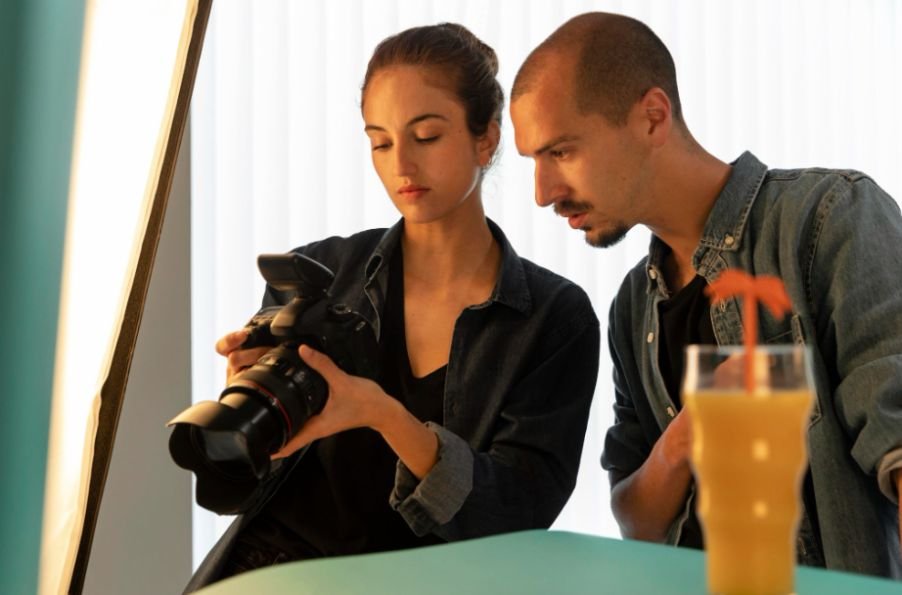
Tracking shots follow subjects through space, dolly shots move toward or away from a subject, and handheld camera work adds immediacy.
If you want to understand how this technique follows a subject while preserving spatial continuity, learning what is a tracking shot can help you plan movement more intentionally. Gimbals and Steadicams create smoother motion, sliders handle short precise moves, and cranes or drones reveal height and scale.
Static setups usually rely on tripods, secure supports, properly rigged C-stands, or stable surfaces. On U.S. commercial, indie, and studio productions, the gear may vary, but the story should always determine the move.
Why Is Switching From Static to Moving Camera So Powerful?
Contrast can make a small movement feel important.
Imagine a dialogue scene filmed with locked-off compositions. Everything feels controlled until one character receives devastating news and the camera begins a slow push-in. Because viewers have adjusted to stillness, the movement suddenly carries more weight.
The reverse works too. A frantic handheld sequence that cuts to a static wide shot can create shock, emptiness, or finality.
This is one of the simplest ways to change pacing and emotional intensity without relying on dialogue or music.
Should Dialogue and Action Scenes Use Different Camera Styles?
For dialogue, I usually begin with performance and blocking. If the actors already create meaningful movement, a fixed frame may be stronger. A slow push, lateral tracking shot, or subtle arc becomes useful when a relationship shifts.
For action, movement can increase speed and physical presence, but more motion is not always better. A static wide shot can make choreography easier to follow, while handheld or tracking shots can intensify selected moments.
The best coverage often combines both approaches instead of committing to constant movement.
What Camera Movement Mistakes Should Filmmakers Avoid?
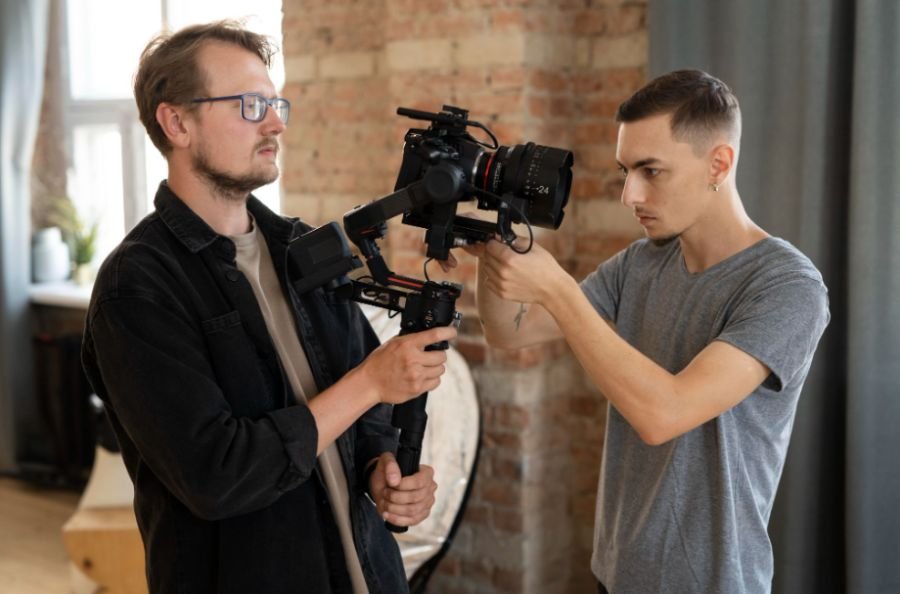
The biggest mistake is moving the camera simply because modern gear makes it easy. Unmotivated movement can distract from performance and weaken visual storytelling.
Another mistake is forgetting composition during the move. Strong moving camera examples maintain intentional framing from beginning to end and still support clean continuity and editing.
Sometimes the most suspenseful decision is refusing to move and waiting for something to enter the frame.
Frequently Asked Questions
1. Is a Static Shot the Same as a Locked-Off Shot?
Usually, yes. A locked-off shot keeps the camera fixed so action unfolds within a stable composition.
2. Can a Static Camera Shot Still Feel Dynamic?
Yes. Actor blocking, choreography, lighting changes, crowds, explosions, and foreground movement can create strong energy inside a fixed frame.
3. Is a Zoom the Same as Moving the Camera?
No. A zoom changes lens focal length while the camera stays in place. A dolly or tracking move physically changes camera position and creates true parallax.
4. When Should You Move the Camera in a Scene?
Move the camera when a change in viewpoint adds emotion, information, depth, energy, or perspective. If movement does not improve the audience’s experience, a fixed camera shot may be more effective.
Static Shot vs Moving Camera Shot: Which Should You Choose?
I choose based on what the audience needs to feel. If I want viewers to observe performance, study composition, feel trapped, or absorb action inside the frame, I favor stillness. If I want to follow action, reveal space, create parallax, change perspective, or draw viewers toward a subject, I use movement.
Neither technique is inherently more professional or cinematic. The better choice is the one that serves the story without unnecessary visual noise.