





A camera does more than record actors and locations. It decides where viewers look, how close they feel to a character, and whether a scene seems calm or dangerous. Understanding the psychological effects of camera movements helps filmmakers shape these reactions deliberately, even when audiences never notice the technique behind the feeling.
Every push, pull, pan, tilt, shake, or track changes the relationship between the viewer and the story. Used thoughtfully, movement can create empathy, suspense, isolation, urgency, wonder, or discomfort without relying on extra dialogue.
Key Takeaways
- Camera movement naturally directs attention before viewers consciously choose a focal point.
- Push-ins often create intimacy, pressure, empathy, or dread.
- Pull-outs can suggest loneliness, freedom, vulnerability, or revelation.
- Handheld footage adds realism, urgency, instability, and physical tension.
- Speed, framing, sound, and context determine emotional meaning.
Why This Topic Matters
The psychological effects of camera movements matter because viewers feel motion before they analyse it. That is the fun part. A gentle push-in whispers, “Watch closely,” while sudden shaking announces, “Something is wrong.” Filmmakers can guide emotion without explaining everything through dialogue, music, or exaggerated acting.
Purposeful movement also makes visual storytelling clearer. Motion without a reason may distract from performance. Motion connected to character, space, and story can make a simple scene memorable.
How Motion Shapes Emotion
Camera movement affects attention, personal distance, balance, and spatial awareness. These responses resemble the way people experience movement in everyday life.
Motion Pulls The Eye
Human vision reacts quickly to movement. A pan toward a doorway or a push toward a face tells viewers where to look before they consciously decide.
Cinema’s dominant effect: Slow motion encourages observation and anticipation. Fast motion demands an immediate response, making it useful for surprise, danger, comedy, or action.
Distance Changes Connection
Moving closer can feel intimate, invasive, comforting, or threatening. Moving away may suggest rejection, freedom, loneliness, or separation.
The reaction resembles real personal space. As the camera approaches, viewers feel more involved. As it retreats, the character may seem increasingly alone.
Push-Ins Heighten Pressure

A push-in moves the camera closer to a subject. It reduces emotional distance and signals that a face, object, or line deserves attention.
Slow Push-Ins Build Empathy
A gradual push-in lets viewers study small expressions. It suits confession, grief, realization, suspicion, or quiet tension because the shot slowly becomes personal.
The movement may remain almost invisible. Audiences simply feel increasingly connected as the character occupies more of the frame.
Pull-Outs Reveal Isolation
A pull-out moves away from the subject, widening the frame and changing how the character relates to surrounding space.
Distance Creates Loneliness
A slow pull-out can make someone appear smaller and more vulnerable. It often follows loss, rejection, failure, or a painful decision.
The growing distance gives emotion room to settle while gradually separating viewers from the character.
Wider Views Reveal Truth
A pull-out can expose information hidden outside the earlier frame. A safe-looking character may suddenly appear surrounded, watched, or completely alone.
The effect combines emotional distance with discovery, helping viewers understand both vulnerability and the larger situation.
Pans And Tilts Guide Curiosity
Pans move horizontally, while tilts move vertically. Both resemble natural head movement and guide viewers through locations, actions, and clues.
Pans Encourage Discovery
A slow pan reveals information gradually, creating curiosity or anticipation. A whip pan creates speed, shock, humor, or brief disorientation. Its meaning depends on where it begins, where it ends, and what appears.
Tracking Shots Build Immersion
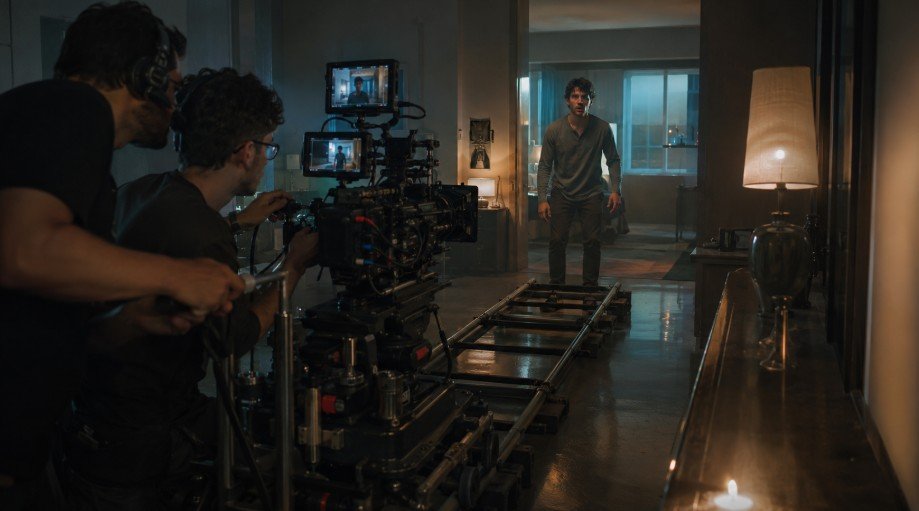
Tracking and dolly shots travel through space with a subject or toward a destination. They make the camera feel like a participant.
Following Creates Connection
Moving beside or behind a character allows viewers to share the journey. Matching the subject’s pace creates flow and presence.
Moving faster, falling behind, or approaching from the opposite direction can suggest resistance, pressure, or pursuit.
Handheld And Steadicam Responses
These tools create opposite kinds of physical presence, yet both can place viewers inside the scene.
Handheld Motion Feels Visceral
Handheld filming introduces imperfections that make a scene feel immediate, unpredictable, and intense. Unstable imagery can simulate panic, danger, confusion, or emotional distress.
Effective handheld work is controlled. Excessive shaking causes fatigue or discomfort, while stable reference points preserve urgency and clarity.
Dolly Zooms Distort Reality
A dolly zoom combines physical movement with an opposite lens zoom. The subject stays similar in size while the background stretches or compresses.
Warped Depth Creates Shock
The effect breaks normal depth perception. Viewers recognise the subject, but the surrounding space appears physically wrong.
It can represent fear, realization, dizziness, or psychological collapse because the character’s visual world seems to change.
Speed Changes Meaning
The same camera angles can communicate different emotions depending on how quickly and evenly it moves.
Slow Movement Builds Suspense
Slow movement gives viewers time to observe, predict, and worry. It may create intimacy, contemplation, anticipation, or dread.
A gradual approach toward a face, doorway, or hidden space becomes stronger when tension already exists.
How To Use Movement Psychology
Applying the psychological effects of camera movements begins with emotion, not expensive equipment. Each choice should answer a storytelling need.
Choose The Core Feeling
First, name the intended emotion. Decide whether viewers should feel close, tense, curious, free, trapped, or uncertain.
Next, match the movement. Use a push-in for pressure, a pull-out for isolation, tracking for participation, handheld motion for urgency, or stillness for restraint.
Follow The Performance

Rehearse before fixing the camera path. Notice the actor’s pauses, glances, gestures, and emotional changes.
Start, stop, or alter speed around those moments. Movement that responds to performance feels motivated and natural.
Test The Complete Shot
Record a rehearsal with the planned lens, sound, lighting, and blocking. Review whether the emotion feels clear without becoming obvious.
Adjust distance, speed, or stability. The simplest movement often works best when its purpose is precise.
Frequently Asked Questions
1. What Is The Effect Of Camera Movement?
Camera movement guides attention, changes emotional distance, shapes spatial awareness, and influences tension, empathy, excitement, fear, control, vulnerability, and isolation.
2. What Is The 60/30/10 Rule In Filmmaking?
The 60/30/10 rule balances color: 60 percent dominant, 30 percent secondary, and 10 percent accent, creating visual harmony and clear emphasis.
3. What Emotion Can A Pull-Out Camera Movement Create?
A pull-out can create loneliness, vulnerability, freedom, revelation, or emotional separation by increasing visible space and making the subject appear isolated.
4. What Is The Psychology Behind Camera Angles?
Camera angles affect perceived power and vulnerability. Low angles may suggest authority or threat, while high angles can make subjects seem exposed or less secure.
The psychological effects of camera movements make these angles stronger when the camera approaches, retreats, rises, lowers, or circles during the shot.
Let The Camera Feel It
The psychological effects of camera movements work best when viewers feel the result without becoming distracted by technique. A thoughtful push, pull, pan, track, shake, or zoom can deepen empathy and reshape a location. Begin with emotion, follow the performance, protect visual clarity, and move only when the story gains something meaningful.