


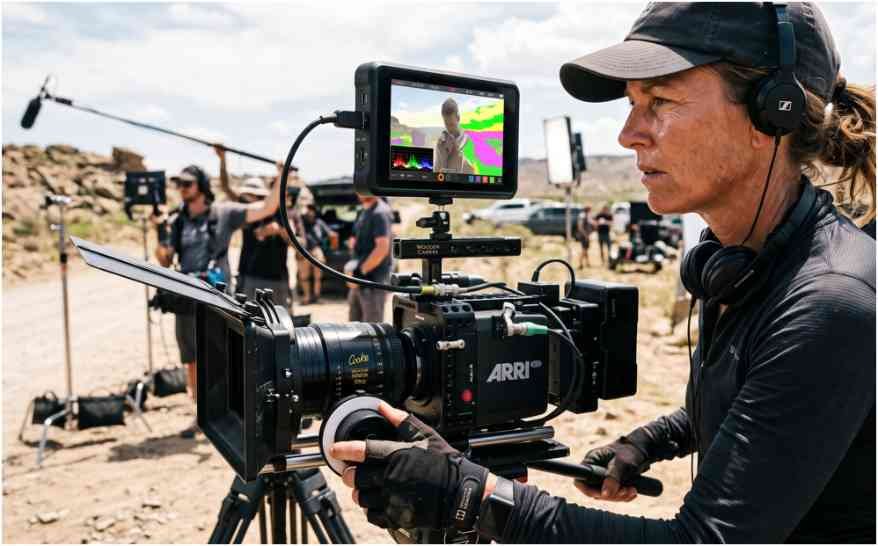
A monitor can look excellent indoors and become almost unreadable the moment sunlight reaches it. From my outdoor shoots, I have found that the on-camera monitor brightness needed for daylight filming starts near 1,000 nits, but dependable performance usually begins closer to 1,500 or 2,000 nits.
For harsh midday sun, beaches, snow, and open landscapes, I prefer a monitor rated between 2,000 and 3,000 nits. Yet brightness alone does not guarantee visibility. Reflections, screen coating, monitor angle, power delivery, and exposure tools also shape the real experience.
How Many Nits Do You Need for Outdoor Filming?
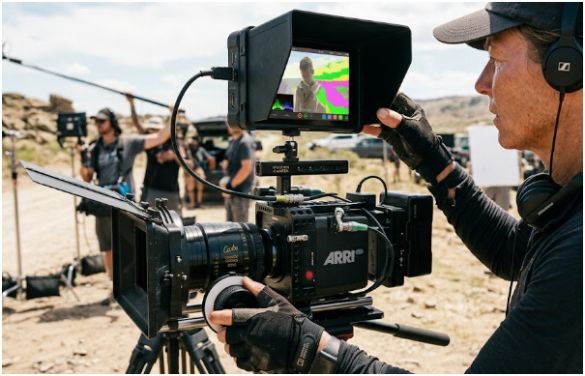
A nit measures luminance, or how much visible light a screen produces. Higher numbers help the display compete with bright surroundings.
However, manufacturers usually publish peak brightness. That number does not always describe sustained brightness, reflection control, or visibility from an angle. I therefore treat the nit rating as a starting point rather than a complete performance score.
Under 1,000 Nits: Indoor and Shaded Use
Monitors below 1,000 nits work well indoors, inside vehicles, under tents, or in deep shade. They become difficult to judge when direct sunlight reaches the panel.
General display guidance places screens between 200 and 400 nits in the indoor-use range. It identifies brightness above 1,000 nits as more suitable for direct sunlight.
A lower-brightness monitor can still help with composition outdoors when paired with a deep sun hood. However, I would not depend on one for critical focus or exposure under midday sun.
1,000–1,500 Nits: Usable Daylight Performance
I consider 1,000 nits the minimum practical level for mixed indoor and outdoor work. It suits overcast weather, early mornings, shaded streets, and controlled exterior sets.
Atomos describes its 1,000- and 1,500-nit Ninja models as viewable in direct sunlight. It also offers optional sun hoods for more extreme conditions.
The difference between 1,000 and 1,500 nits becomes clear when the sun moves behind the operator. At 1,000 nits, I often need to tilt the monitor or shade it with my body. At 1,500 nits, framing and focus become more comfortable, although glare may remain visible.
1,500–2,200 Nits: The Outdoor Sweet Spot
For most professional exterior filming, 1,500 to 2,200 nits offers the best balance. This range provides enough brightness for daylight while avoiding the weight and power demands of some ultra-bright models.
The Atomos Shinobi II uses a 1,500-nit display designed for daylight conditions. SmallHD describes its 1,800-nit Cine 7 as suitable for production in full sunlight.
SmallHD also markets its 2,200-nit UltraBright monitors for full-sun viewing. These examples support what I see in practice: around 2,000 nits is the point where a monitor stops feeling merely usable and starts feeling dependable.
2,500–3,000+ Nits: Harsh and Reflective Locations
Ultra-bright screens make sense when filming around snow, water, sand, pale concrete, or other reflective surfaces. These locations send light toward the screen from several directions.
The on-camera monitor brightness needed for daylight filming in these conditions can reach 2,500 nits or more. This does not mean every outdoor filmmaker needs a 3,000-nit panel. It means difficult locations require extra brightness margin.
That margin helps when the operator cannot reposition the rig, use a sun hood, or turn away from the sun. It also helps directors and focus pullers who view the screen from less favorable angles.
Why the Nit Rating Does Not Tell the Whole Story
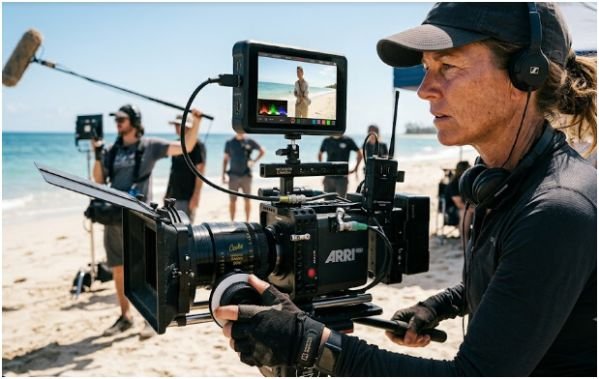
Two monitors with the same nit rating may perform differently outside. I evaluate three additional factors before judging daylight usability.
Reflections and Screen Coatings
A glossy panel can reflect the operator, sky, clothing, and nearby equipment. Those reflections reduce perceived contrast even when the backlight is powerful.
An effective anti-reflective coating may make a 1,500-nit screen feel clearer than a brighter but highly reflective display. A sun hood improves matters further by blocking light before it reaches the panel.
Monitor Angle and Sun Position
A monitor facing the sun needs more brightness than one tilted downward. Even a small angle change can reduce glare dramatically.
I mount the display on an adjustable tilt arm rather than locking it flat above the camera. This lets me protect visibility as the camera height and sun position change.
Screen Size and Viewing Distance
A seven-inch monitor is easier to inspect from a distance, but it adds weight and catches more ambient light. A five-inch monitor keeps handheld and gimbal rigs compact.
Brightness should therefore match both the environment and operating position. A camera operator viewing a five-inch screen from 12 inches away may need less brightness than a focus puller standing farther from a seven-inch display.
My Practical Daylight Brightness Test
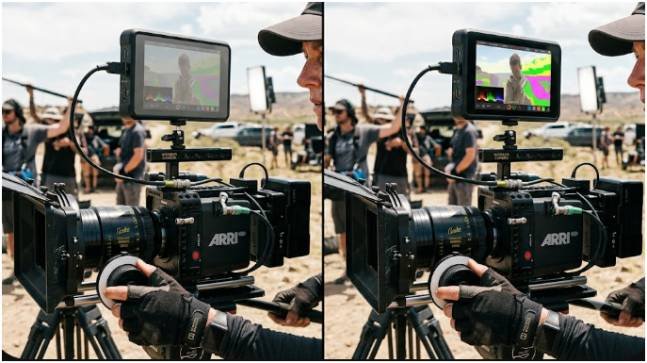
I use a quick test that measures more than the specification sheet. I place the monitor where I expect to shoot, load a scene containing skin, shadows, and fine texture, then rotate the rig through three positions: sun behind me, sun beside me, and sun facing the screen.
I first check whether I can frame the image. Next, I inspect fine focus around eyes or fabric. Finally, I open the waveform and false-color display.
This creates three useful performance levels:
A monitor is merely visible when I can frame but cannot judge focus. It is operational when I can frame, focus, and read scopes. It is comfortably daylight-viewable when I can do all three without shielding the panel.
That distinction is my most useful original test. “Visible outdoors” is not enough when a missed focus point can ruin the take.
Brightness, Battery Life, and Heat Management
Higher luminance requires more power. A monitor running at maximum output can drain a small NP-F battery faster than expected.
For short handheld sessions, I use a larger NP-F battery and carry a charged spare. For long interviews, commercial sets, or documentary days, I prefer regulated power from a V-mount battery.
Ultra-bright displays can also produce more heat. Vent placement matters when the monitor sits close to a transmitter or recorder. I avoid blocking ventilation with cables, battery plates, or fabric covers.
The monitor should also fit the rest of the build. Reviewing the best camera cage accessories for filmmaking rigs can help you plan the mounting arm, battery solution, cable clamp, handle, and weight distribution before adding a bright screen.
Exposure Tools Matter More Than a Pretty Image
Sunlight can distort visual judgment. A screen may appear too dark because of glare, prompting the operator to overexpose the footage.
I never trust screen appearance alone during exterior work. I use waveform, zebras, histogram, or false color to confirm exposure. SmallHD explains that false color identifies highlights, midtones, skin tones, and underexposed areas.
Current Atomos daylight monitors also include tools such as waveform, zebra, histogram, focus peaking, and EL Zone exposure mapping.
Brightness lets me see the interface. Scopes tell me whether the image is technically safe. Both are necessary.
Choosing a Daylight Monitor for Your Camera Rig
For occasional outdoor work, I would choose at least 1,000 to 1,500 nits and add a sun hood. This setup handles cloudy days, shade, and short exterior sessions without excessive battery demand.
For regular documentaries, weddings, sports, or commercial production, I would target 1,500 to 2,200 nits. That range represents the most practical on-camera monitor brightness needed for daylight filming across changing locations.
For deserts, beaches, snow, motorsports, or exposed midday sets, I would consider 2,500 to 3,000 nits. I would also budget for stronger batteries and reliable heat management.
Before buying, I check resolution, focus tools, waveform support, input type, LUT handling, weight, fan noise, power options, and mounting points. A high nit rating cannot compensate for missing production features.
Frequently Asked Questions
1. Is 1,000 nits enough for an outdoor camera monitor?
Yes, 1,000 nits can work in moderate daylight, but direct sun may require a sun hood or careful monitor positioning.
2. Is 1,500 nits bright enough for daylight filming?
A 1,500-nit monitor is suitable for most outdoor filming, especially when it has an anti-reflective screen and adjustable mount.
3. How bright should a monitor be for direct sunlight?
Choose 2,000 to 3,000 nits for dependable visibility in direct sun, reflective locations, or intense midday conditions.
4. Does a brighter camera monitor improve exposure accuracy?
Not by itself; brightness improves visibility, while waveform, zebras, and false color provide more reliable exposure information.
Bright Enough to Stop Fighting the Sun
I would not choose an outdoor monitor by chasing the largest brightness number. I would choose one that remains operational in my hardest shooting environment without exhausting the power system.
For most filmmakers, 1,500 to 2,200 nits is the sensible target. Add a sun hood, adjustable mount, dependable battery, and exposure scopes. Then stop wrestling with reflections and start watching the frame.