



I have always found that the most memorable film shots rarely come from comfortable studios. They happen on narrow roads, moving vehicles, exposed landscapes and locations where conventional production equipment becomes a burden.
While studying how a crew filmed in a difficult location using custom camera rigs, I discovered that the real breakthrough was not one expensive camera. It was a carefully designed system that connected the location, camera movement, crew workflow and final visual effect.
The production of 28 Years Later provides an especially revealing example. Director Danny Boyle and cinematographer Anthony Dod Mantle wanted to work quickly in landscapes that large production units could not easily access. Their solution combined lightweight cameras, extensive testing and custom-built rigs capable of capturing action from several perspectives simultaneously.
Why the Location Created a Filming Problem
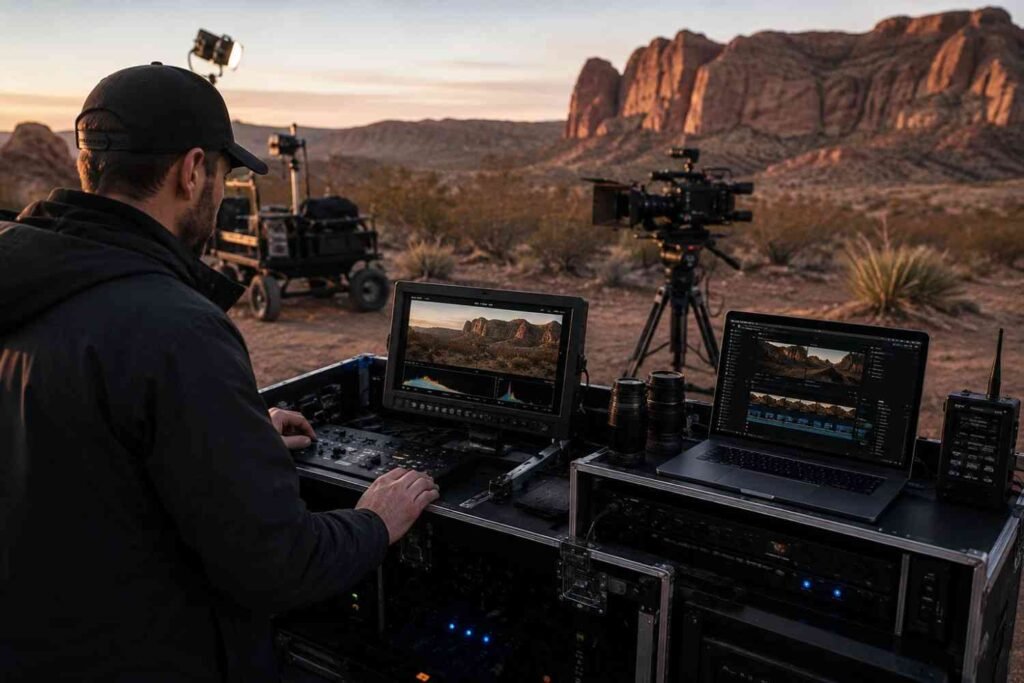
Remote and physically demanding locations affect nearly every part of a production. Access may be restricted, power can be unreliable, weather changes quickly and heavy equipment takes longer to reposition. Even permits and environmental rules can determine where a camera may be placed.
A traditional cinema package normally requires a substantial support system. The camera may need a tripod, dolly, crane, stabilizer, batteries, monitors and a team to transport and operate everything. That equipment produces excellent images, but it can reduce mobility when actors must travel across rough or inaccessible ground.
The creative team wanted the landscape to feel enormous while keeping the filming style spontaneous. A large unit base and heavy camera platform would have made that difficult. The crew therefore needed a smaller system that could move through the environment without sacrificing the scale or intensity of the finished image.
The Shot the Filmmakers Wanted
The objective was not simply to record actors moving through a landscape. The filmmakers wanted wide, energetic images that communicated isolation, danger and uncertainty.
The production eventually adopted an exceptionally wide 2.76:1 aspect ratio. This allowed characters to appear vulnerable within the surrounding environment. It also gave the filmmakers room to place action in the centre while retaining visual information on both sides of the frame.
A conventional single-camera setup could capture a wide image, but it could not provide all the perspectives and timing choices the director wanted. The team needed a rig that could record multiple angles at once while remaining light enough to operate by hand or attach to other support equipment.
How the Custom Camera Rig Worked
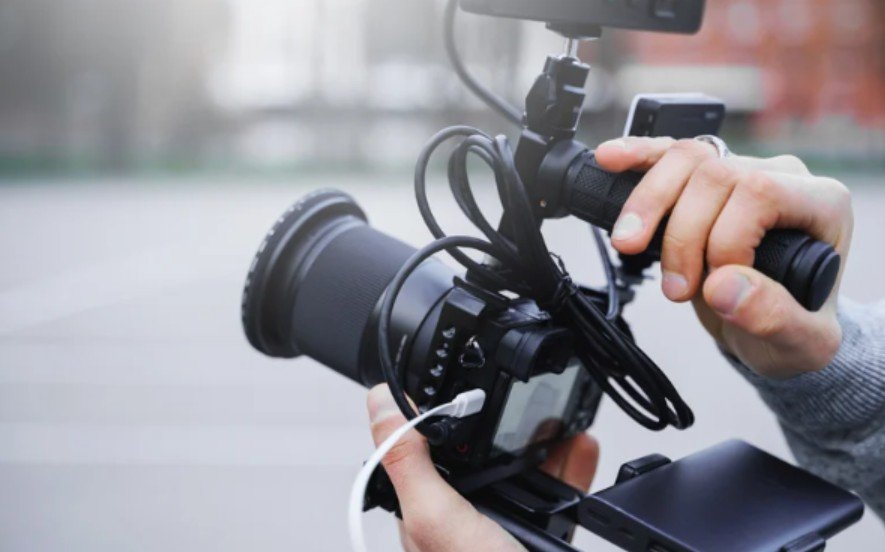
The most distinctive solution was a curved array of iPhone 15 devices. Early versions reportedly used eight phones, but the design expanded to a 20-phone configuration. Each device recorded a slightly different angle of the same performance.
A Lightweight 3D-Printed Frame
The phones were secured inside a custom 3D-printed structure developed further by the grip team. Reducing weight was essential. A heavy metal array would have been more difficult to carry, balance and reposition in an unpredictable location.
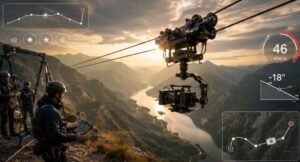
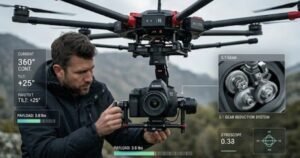
The lightweight frame allowed the crew to operate the array manually. It could also be mounted on cranes when a higher or more controlled perspective was needed. This modular approach meant the filmmakers did not have to build an entirely different system for every shot.
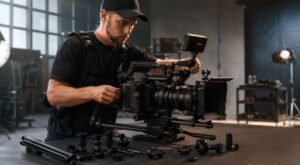
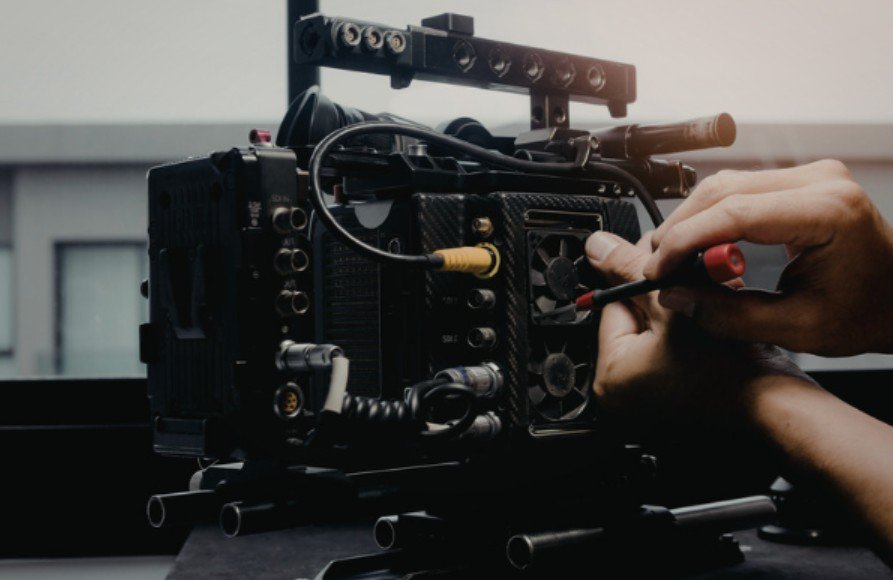
For more conventional cinema builds, a 15mm rod system setup for cinema camera rigs can provide a modular foundation for mounting accessories such as follow-focus units, matte boxes, lens supports, monitors, and power components.
Multiple Frames From One Performance
Because several cameras recorded simultaneously, the filmmakers gained a collection of adjacent viewpoints from a single take. Editors could select an individual angle or move rapidly among perspectives to create an aggressive visual effect resembling a form of accessible bullet time.
The system also introduced unpredictability. Performers could not always determine which lens would supply the final frame, helping their movements feel less staged. The technology therefore influenced both the image and the acting environment.
Testing Before Entering the Location
A custom rig should never be taken directly from an initial design to a demanding shoot. Camera placement, frame strength, lens consistency, heat, storage, synchronisation and battery performance must all be tested.
The production began experimenting with the phones before committing to the final array. Testing showed what the small cameras could and could not achieve. Those limitations were not automatically treated as defects. Softer detail near the sides of the image, for example, contributed to the unusual visual character of the finished film.
This is one of the project’s most valuable lessons: effective testing is not only about eliminating imperfections. It can reveal which technical imperfections support the story.
How the Crew Managed the Rig on Set
Custom equipment succeeds only when the crew can operate it efficiently. The cinematographer, grips, camera assistants and crane technicians needed a shared understanding of the rig’s weight, mounting points and intended movement.
Small cameras made rapid repositioning possible, but using many devices introduced new responsibilities. The team had to manage power, recording media, basic DSLR settings and footage from multiple sources.
For larger cinema setups, understanding how to power a cinema camera rig with V-mount batteries can help crews plan longer shooting periods, reduce battery changes, and supply reliable power to cameras, monitors, wireless systems, and other accessories.
Every phone also needed to remain securely positioned so the captured angles stayed consistent.
Clear communication was therefore as important as the physical design. Before each take, the crew needed to confirm that the array was stable, every required device was recording and the movement remained within the rig’s safe operating limits.
Safety and Equipment Protection
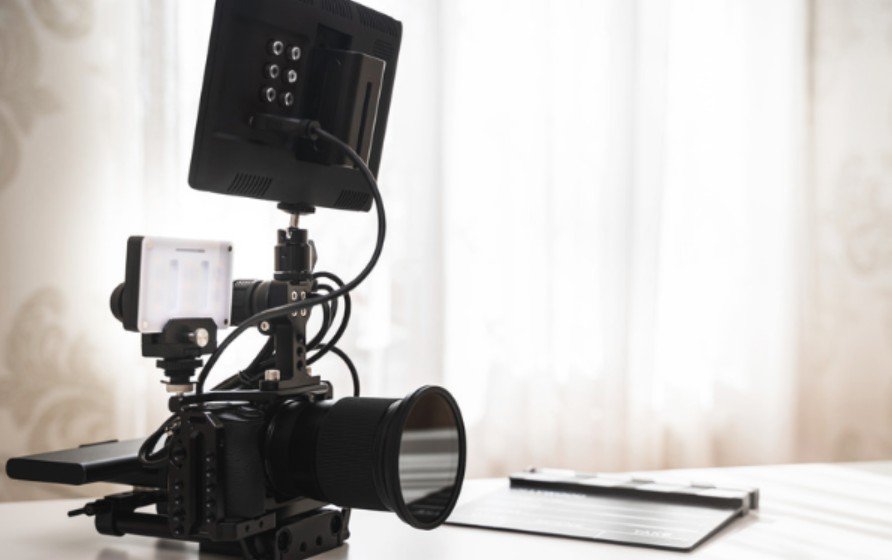
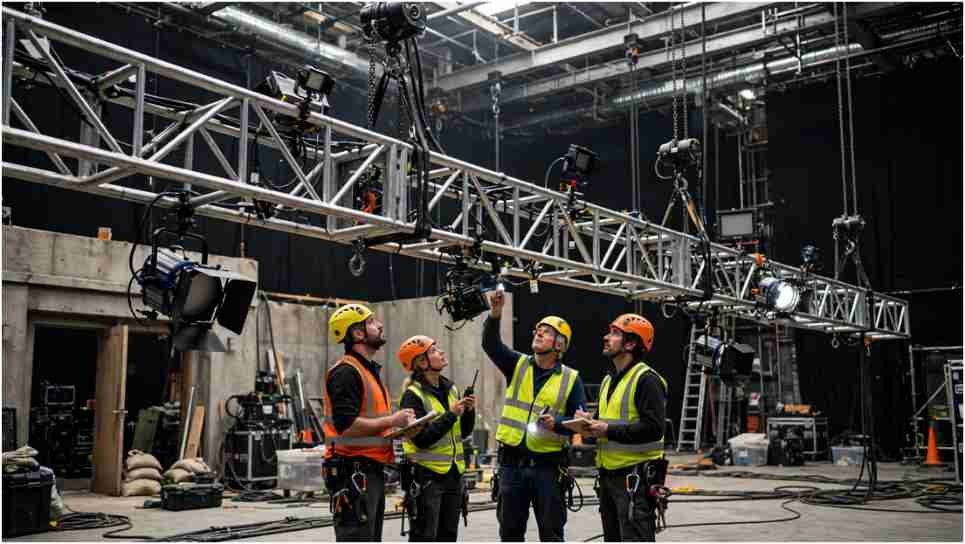
Professional custom rigging depends on redundancy. Any camera attached to a crane, vehicle, performer or elevated structure needs secure primary mounting and an appropriate secondary restraint.
For productions involving moving vehicles, a vehicle camera rig safety checklist for moving film shoots can help crews verify mounting points, restraints, clearances, communication procedures, and equipment security before the camera starts rolling.
The same principle applies in harsh locations. Moisture, dust, wind, vibration and temperature can affect mounts as well as cameras. Crews must inspect connection points, protect exposed equipment and stop filming when environmental conditions exceed safe limits.
No one should reproduce a professional moving-camera arrangement solely from photographs or a general article. Qualified grips and safety personnel must evaluate the load, movement, support structure and location-specific risks.
Why the Approach Worked
The rig succeeded because it answered both a practical problem and a creative one. Lightweight devices made inaccessible areas easier to explore, while the multi-camera array microscope produced a visual language that a conventional camera could not precisely duplicate.
This balance separates meaningful innovation from a technical stunt. The crew did not use phones merely to attract attention. The equipment supported mobility, performance, composition and editing flexibility.
The broader lesson behind how a crew filmed in a difficult location using custom camera rigs is that equipment should be designed around the shot. Camera choice, mounting method and crew size should follow the production’s physical limitations and emotional goals.
Frequently Asked Questions
1. What does “how a crew filmed in a difficult location using custom camera rigs” mean?
It describes a production method in which filmmakers design or modify camera-support equipment to capture shots that standard tripods, dollies or handheld systems cannot safely or effectively achieve.
2. Why would filmmakers build a custom camera rig?
A custom rig can solve problems involving restricted space, unusual movement, rough terrain, vibration or multiple simultaneous viewpoints. It can also create a distinctive perspective that supports the story.
3. Can smartphones be used for professional films?
Yes. Modern smartphones can supplement cinema cameras when mobility, size or multi-camera placement matters. However, professional results still require controlled settings, reliable mounting, careful testing and a suitable post-production workflow.
4. Who is responsible for camera-rig safety?
The key grip, rigging grips, camera team, production safety personnel and relevant equipment specialists normally share responsibility. The exact structure depends on the production and location.
5. How are custom rigs tested?
Crews commonly conduct load, movement, vibration, framing, power, media and environmental tests. They may also build several prototypes before approving the final design.
Final Take
I believe the smartest production tools are the ones viewers eventually forget. The 20-camera array was visually remarkable, but its real value came from helping the filmmakers move through challenging landscapes and translate that environment into emotion.
For me, the strongest takeaway is simple: begin with the location and the shot, not the equipment catalogue. When a crew tests thoroughly, works with qualified rigging professionals and connects every technical choice to the story, even a difficult location can become the film’s greatest visual advantage.