



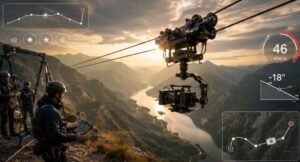
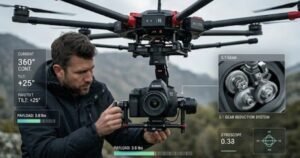
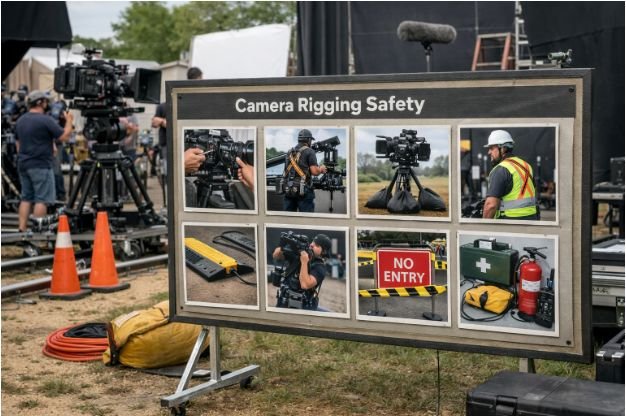
I have learned that ambitious camera movement only works when every connection, load, pathway, and crew responsibility has been checked. A loose dovetail, overloaded clamp, unsecured cable, or poorly balanced crane can turn a creative setup into a serious emergency.
Following reliable camera rigging safety guidelines on film sets protects the crew, performers, equipment, and production schedule.
Safe camera mounting techniques require more than tightening visible screws. Professional crews must evaluate the location, calculate the complete camera payload, inspect every mechanical connection, install independent secondary restraints, control the operating area, and rehearse the movement before filming.
Who Is Responsible for Camera Rigging Safety?
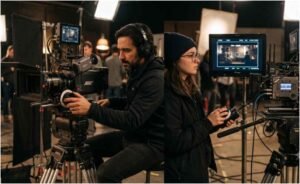
Accountability should be established before the equipment leaves its staging area. The key grip generally supervises grip equipment and major camera-support systems, while trained rigging grips handle specialized mounting, suspension, and structural work. The camera assistant checks the camera package, lens support, baseplate, dovetail, accessories, and related locking mechanisms.
Depending on the shot, the production may also need a crane technician, dolly grip, vehicle-rigging specialist, stunt coordinator, safety supervisor, or qualified rope-access technician.
I make sure one person has authority to approve the finished system. Crew members should never modify an overhead camera rig, vehicle mount, jib, cable camera, or remote head without informing the responsible department head. Everyone must also have the authority to stop work when a hazardous condition appears.
What Should a Film Production Risk Assessment Cover?
A film production risk assessment should begin during the technical scout. I inspect the intended camera path, supporting surfaces, structural attachment points, crew walkways, actor positions, public access, electrical hazards, emergency exits, and environmental exposure.
Wind, rain, extreme heat, cold, dust, water, unstable terrain, traffic, vibration, and overhead power lines can change the safety of a rig. A mount that works inside a soundstage may not remain dependable on a moving vehicle or exposed rooftop.
The assessment should identify the people who could enter the operating area and determine whether barriers, spotters, fall protection, additional ballast, slower movement, engineering approval, or a different shot design is required.
How Do You Calculate a Camera Rig Payload?
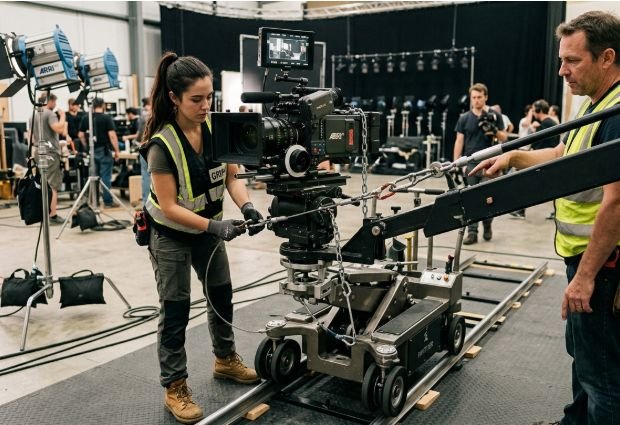
A camera payload calculation must include every item supported by the rig. I count the camera body, lens, battery, media, matte box, follow-focus motors, monitor, wireless transmitter, remote head, mounting plate, rain cover, cables, lens support, and other accessories.
The safe capacity of the setup depends on its weakest component. A high-capacity arm does not make the system safe when it connects through an underrated clamp, quick-release plate, suction cup, anchor, or structural surface.
Why Are Dynamic Loads More Dangerous?
Published payload limits often describe controlled conditions. Acceleration, sudden braking, vibration, directional changes, wind, and vehicle movement create dynamic forces that may exceed the resting weight of the camera.
I avoid operating a rig at its absolute limit. A fast jib stop, cable-camera braking event, pothole, or abrupt gimbal movement can multiply stress across fasteners and mounting points.
Which Camera Locks Should Be Physically Checked?
Before the camera is hoisted, flown, or mounted, the camera assistant and key grip should physically verify every connection. Visual inspection alone is not enough. A well-equipped camera cage with secure mounting points and reliable accessories also plays a crucial role in preventing equipment failures.
Following a Best Camera Cage Accessories for Filmmaking Rigs Guide helps filmmakers choose essential components such as top handles, NATO rails, monitor mounts, cable clamps, and quick-release plates that improve stability, safety, and overall rig performance during demanding shoots.
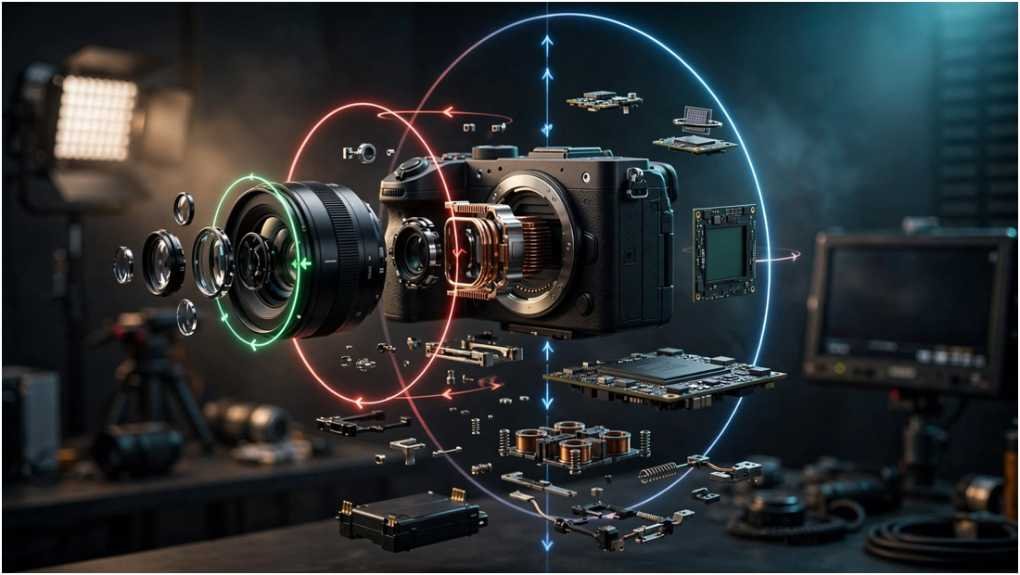
The pan lock, tilt lock, baseplate, dovetail, tripod head, mounting plate, quick-release mechanism, handles, clamps, and support rods must fully engage. A fluid or geared head should be bolted securely to the tripod sticks or rigging base.
Two-step quick-release systems, including NATO rail accessories, should have functioning safety pins or anti-slide stops. Heavy cinema lenses need correctly positioned rod support brackets. Matte boxes must remain secured to the rails or lens barrel so they cannot loosen during movement.
Damaged threads, bent plates, cracked clamps, worn pins, corrosion, or loose safety tabs require immediate removal from service.
Why Do Overhead Camera Rigs Need Secondary Safety Cables?
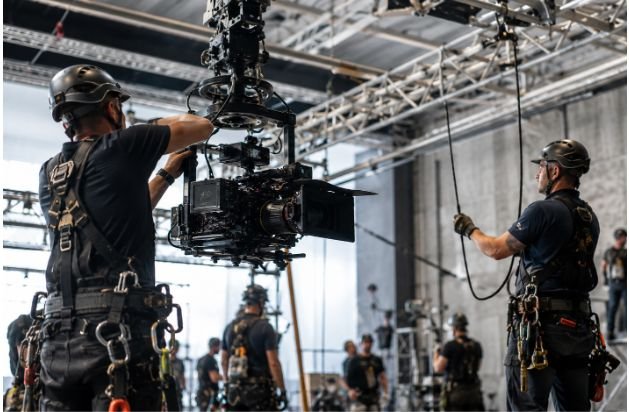
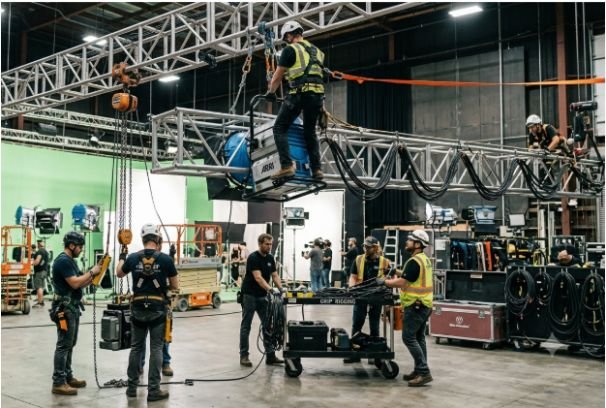
Every underslung, overhead, or suspended camera needs an independent backup whenever failure could allow equipment to fall. The secondary restraint should use a rated steel safety cable or another approved system attached to structural points on both the camera package and supporting rig.
The backup must not connect through the same potentially weak component as the primary mount. I keep it short enough to reduce fall distance but long enough to avoid restricting the camera move. It should never rub against sharp edges, enter gears, or interfere with a remote head.
Secondary camera safety cables also belong on appropriate car mounts and other elevated placements where primary hardware could loosen.
How Should Vehicle Camera Rigs Be Secured?
Vehicle camera rig safety requires equipment designed for automotive forces and installed by experienced personnel. Suction cups, speed rail, clamps, vibration isolators, backup straps, fasteners, and mounting surfaces should be inspected before every run.
Hostess trays, hood mounts, and similar systems should use triangulation wherever the approved design requires it. Anchoring through at least three suitable structural points can distribute forces and provide redundancy instead of placing the load on one connection.
The production must plan the route, speed, braking, road surface, traffic control, communication method, weather limits, and emergency procedure before the vehicle moves. A low-speed rehearsal should occur before the full performance run.
How Can Cranes, Jibs, and Dollies Operate Safely?
Camera crane safety begins with a level base, correct ballast, approved setup, trained operation, and a protected swing radius. Cones, tape, barriers, or spotters should control the full arm path and counterweight area.
No crew member should stand beneath an active arm or counterweight. The operator should never add or remove the camera package while the crane is improperly balanced. Nearby scenery, lighting equipment, ceilings, and electrical lines must remain outside the operating path.
Dolly track should be level, clean, joined correctly, and supported throughout its route. End stops must be secure, and hands, feet, clothing, and cables must stay away from wheels and pinch points.
How Should Gimbals and Handheld Rigs Be Balanced?
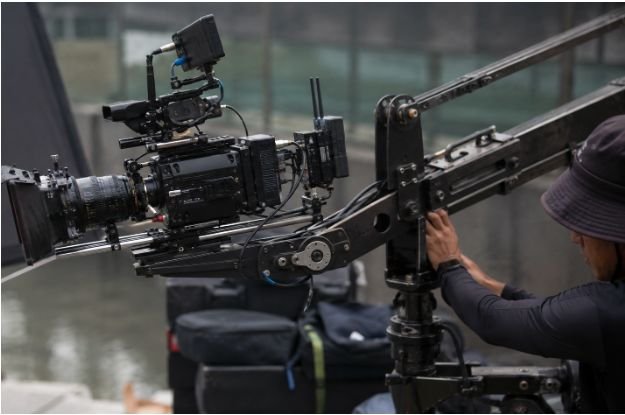
Handheld rigs and gimbals should be balanced around their center of gravity before motors are activated. Incorrect battery placement, side-handle positioning, or lens balance can overload motors and strain the operator’s wrists, shoulders, and back.
I inspect cage screws, monitor arms, top handles, lens supports, quick-release plates, and battery mounts before use. A connection that feels secure while stationary may loosen during running shots or repeated repositioning.
How Should Cables and Rigging Gear Be Managed?
Cable management prevents some of the most common film-set injuries. Power and monitoring lines should run neatly along cages, rods, and support systems with suitable strain relief. Cables must remain clear of gears, wheels, sliding plates, crane joints, and other pinch points.
Lines crossing walkways should be bundled and secured with gaff tape or protected by high-visibility cable ramps. Tape should not create a raised edge that becomes another trip hazard.
Unused tripods, weights, clamps, and rigging equipment belong in designated staging zones away from actor paths, crane perimeters, emergency routes, and active walkways.
What Communication Rules Should Crews Follow?
Clear verbal warnings reduce confusion when equipment begins moving. The designated operator or key grip should call commands such as “Camera moving,” “Crane swinging,” or “Rig hot” loudly enough for nearby departments to respond.
The team should agree on start, stop, reset, and emergency-abort commands before rehearsal. Spotters must be able to stop the movement immediately if someone enters the exclusion zone or if equipment behaves unexpectedly.
A rigged camera or counterbalanced jib should never be left unattended. During a break, the crew should lock off, lower, secure, or strip the equipment according to the approved procedure.
What Should Crew Members Wear Around Moving Rigs?
Crew members handling camera and grip equipment should wear closed-toe footwear with appropriate traction. Form-fitting work clothing helps prevent loose sleeves, straps, lanyards, or accessories from catching in wheels, gears, crane joints, and moving mounts.
Task-specific conditions may also require gloves, helmets, eye protection, fall-arrest equipment, or other personal protective equipment under applicable workplace rules.
What Must Be Checked Before Every Take?
Before filming, I confirm that all locks are engaged, the payload has not changed, secondary restraints remain secure, and the complete movement path is clear. The crew should inspect the exclusion zone, communication system, cables, weather conditions, emergency controls, and performer positions.
The entire move should be rehearsed slowly before normal operating speed. Any impact, major lens change, weather shift, transport event, unusual vibration, or alteration should trigger another camera rig safety checklist.
Frequently Asked Questions (FAQs)
1. What are the most important camera rigging safety guidelines on film sets?
The most important practices are assigning qualified personnel, calculating the full payload, checking every lock, installing independent secondary restraints, controlling the movement zone, and rehearsing the shot.
2. Does every overhead camera need a safety cable?
An overhead camera should have an appropriately rated independent restraint whenever equipment failure could expose people or property to a falling object.
3. Who should install a vehicle-mounted camera?
A trained vehicle-rigging specialist or appropriately qualified grip should install and approve the system based on the equipment, vehicle, route, speed, and production conditions.
4. How often should camera mounts be inspected?
Crews should inspect them before assembly, after installation, before operation, after transport, following impacts or changes, and at the beginning of each shooting day.
Final Takeaway
I never allow production pressure to replace a physical safety check. Strong camera rigging safety guidelines on film sets connect technical planning with disciplined on-set behavior.
When crews verify every lock, calculate dynamic loads, manage cables, communicate clearly, and respect exclusion zones, they can execute complex camera moves without treating preventable risk as part of the creative process.