



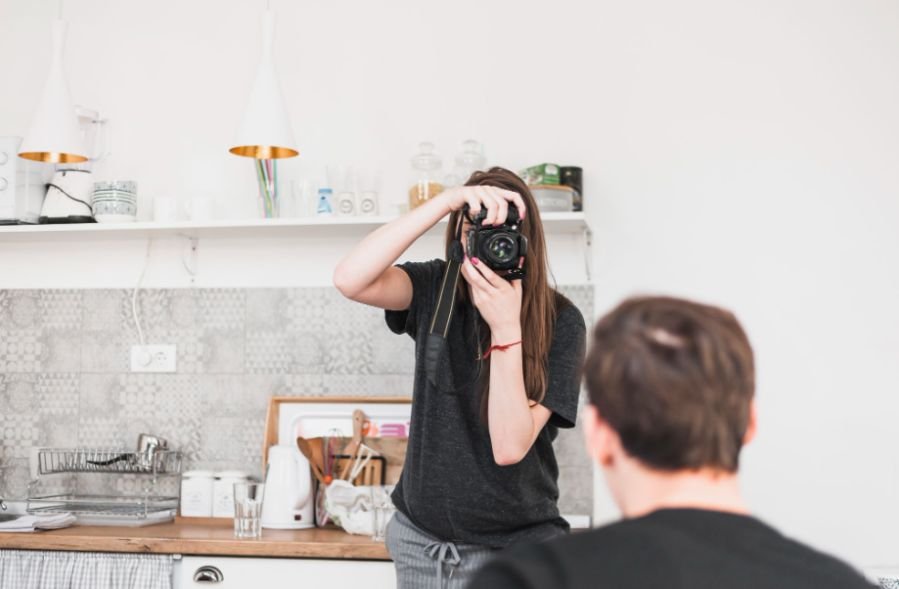
A bedroom can feel intimate, a hallway can feel endless, and a kitchen can become the center of a thriller. Perspective and motion can transform even an ordinary room.
When I plan camera movement for indoor scenes, I work around walls, furniture, doorways, low ceilings, reflections, and limited floor space. Instead of forcing large moves, I use short, motivated techniques that create depth, reveal information, and strengthen emotion.
What Camera Movements Work Best in Small Indoor Spaces?
The most useful indoor cinematography techniques are push-ins, pull-outs, tracking shots, pans, tilts, partial orbits, handheld movement, and compact slider moves. Each can make a small interior feel more dynamic without requiring a large set.
How Does a Slow Push-In Improve Dialogue Scenes?
A dolly-in or push-in moves the physical camera closer to a character. I use it for confessions, realizations, threats, or moments when emotional pressure rises.
Unlike a zoom, a physical push changes perspective and creates parallax. Indoors, even a short slider, gimbal, tabletop dolly, or controlled handheld move can feel significant. The key is keeping the movement subtle enough that viewers notice the emotion rather than the equipment.
When Should You Use a Dolly Pull-Out Indoors?
A pull-out moves the camera away from the subject. I use it to reveal more of the room, introduce another character, expose an important object, or make someone appear isolated.
It works especially well in suspense scenes. Starting tight and slowly retreating until a doorway, shadow, or second person enters the frame gives the movement a clear narrative purpose.
How Do You Shoot Tracking Shots in Hallways and Tight Rooms?
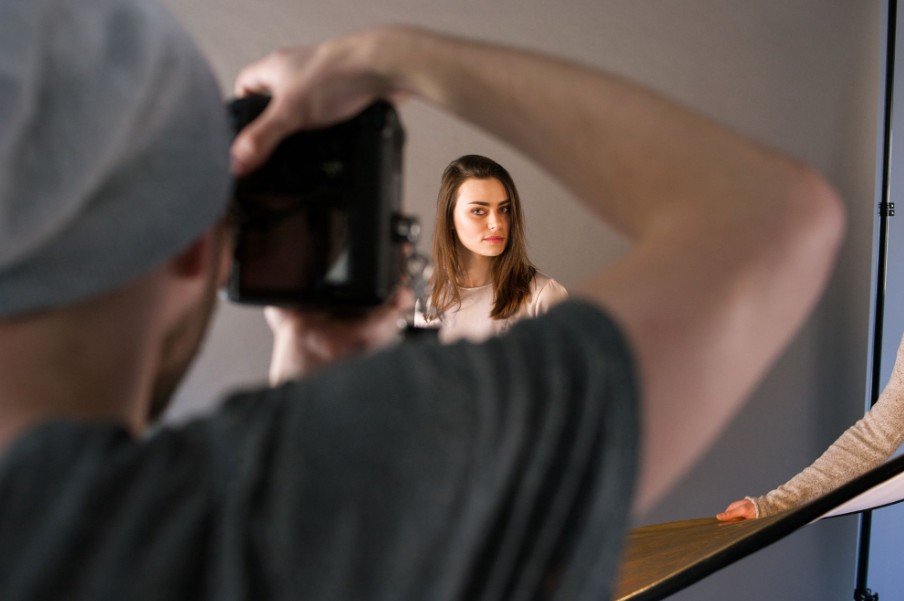
Tracking or trucking shots work particularly well for indoor walk-and-talk scenes. Hallways provide natural leading lines, so I can follow actors from the front, side, or rear with a compact 3-axis gimbal.
In smaller rooms, a short camera slider often makes more sense than a full dolly system. I also treat doorways as extra operating space. Shooting from outside a bedroom, office, or kitchen can extend a push, pull, or tracking shot without overcrowding the interior.
How Can Pan and Tilt Shots Work Without Floor Space?
A pan rotates the camera horizontally, while a tilt moves it vertically. Because the camera stays in almost the same position, both work well when walls or furniture block physical movement.
I might pan between two people during a conversation or reveal someone across the room. A tilt can connect a story prop with a character’s reaction, reveal someone on a staircase, or guide attention from a table to a face.
When vertical movement is needed, it also helps to understand tilt shot vs pedestal shot, because a tilt changes the camera’s angle while a pedestal physically raises or lowers the entire camera. That distinction can determine which move works better when floor space and ceiling height are limited.
How Does Foreground Parallax Make a Small Room Look Deeper?
Foreground parallax is one of the strongest techniques for camera movement for indoor scenes. I place a lamp, plant, shelf, chair, countertop, or doorframe close to the lens and move the camera sideways.
The foreground crosses the frame faster than the background, exaggerating depth. Because of that perspective shift, a short slider move can appear much larger on screen than the camera’s actual travel distance.
What Is a Pullback Reveal?
A pullback reveal starts on a small detail and gradually exposes the surrounding environment.
I might begin on a boiling kettle, ticking clock, phone, photograph, key, or other important prop, then move backward until viewers understand who is in the room and what is happening.
It combines a detail shot, environmental reveal, and storytelling beat in one continuous movement.
Can Orbit and Arc Shots Work in Small Rooms?
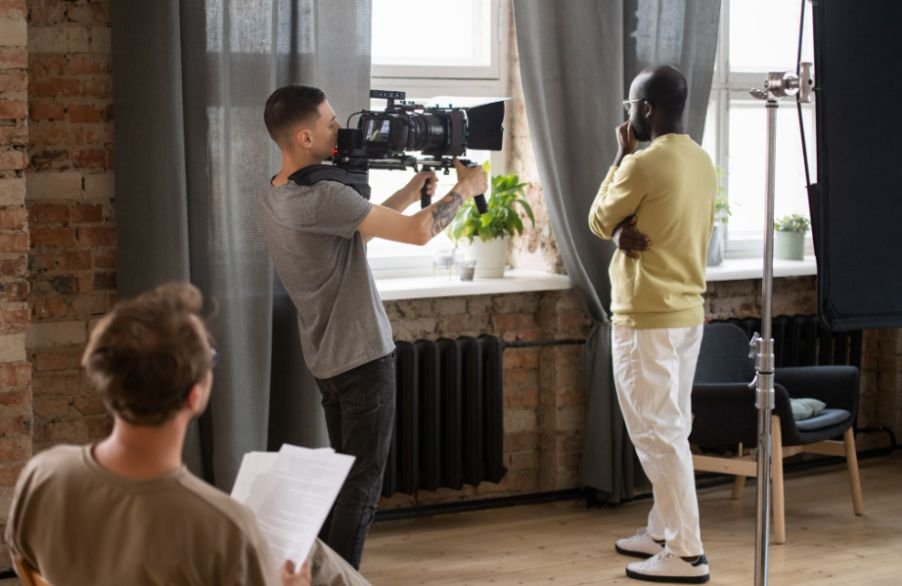
Yes, but I rarely need a complete 360-degree orbit.
A partial arc around a dining table, desk, bed, or central character can create tension, romance, disorientation, or a shift in power. Even a 30- to 90-degree move creates visible background changes and strong cinematic parallax.
Before filming, I check mirrors, windows, reflective appliances, lighting stands, furniture, and the camera operator’s path.
When Should You Use Handheld Movement or Whip Pans Indoors?
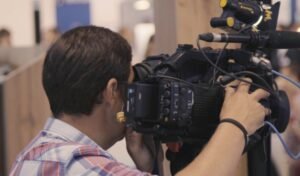
Controlled handheld camera movement works well for arguments, horror scenes, emergencies, documentaries, and indoor action because it makes the viewer feel physically present.
I avoid meaningless shaking. The subject should remain readable even when the framing feels unstable.
A whip pan creates a different effect. The rapid camera rotation produces intentional motion blur that can redirect attention or disguise a cut between different rooms, moments, or takes.
Are Top-Down Camera Moves Useful Indoors?
Top-down shots work especially well over beds, desks, dining tables, kitchen counters, game tables, and product setups.
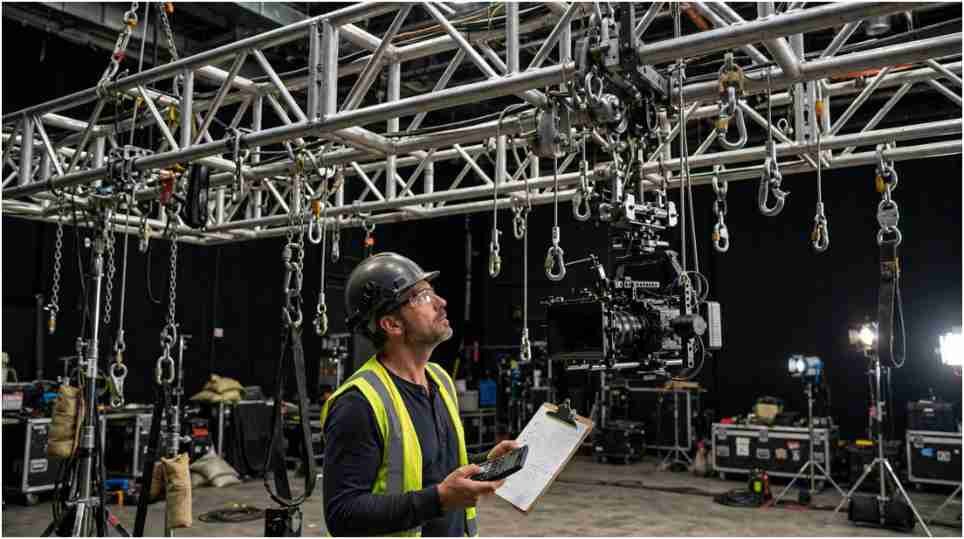
When floor-mounted support cannot reach the desired position, a properly secured overhead or ceiling-mounted rig can create the angle. A professionally engineered overhead track can also produce smooth lateral movement.
Because equipment hangs above people or property, qualified crew, proper mounting hardware, and secondary safety measures are essential.
What Gear Works Best for Indoor Camera Movement?
Compact equipment usually gives me more flexibility in US homes, apartments, offices, and smaller studio locations.
A camera slider produces smooth linear motion without the footprint of full-sized dolly tracks. For repeatable push-ins, pull-outs, product moves, or precisely timed interior shots, motorized camera slider systems can provide more consistent speed and movement than manually operating a slider.
A camera slider produces smooth linear motion without the footprint of full-sized dolly tracks. A 3-axis gimbal works well for narrow doorways, hallway tracking, and room-to-room transitions. A monopod needs very little floor space and can introduce subtle breathing movement during dialogue.
Lens choice also affects how movement feels. A moderate wide-angle lens can show more of a tight interior and exaggerate camera travel, while an excessively wide lens may distort faces or reveal lights and crew near the edges of the frame.
How Does Actor Blocking Make Indoor Shots More Dynamic?
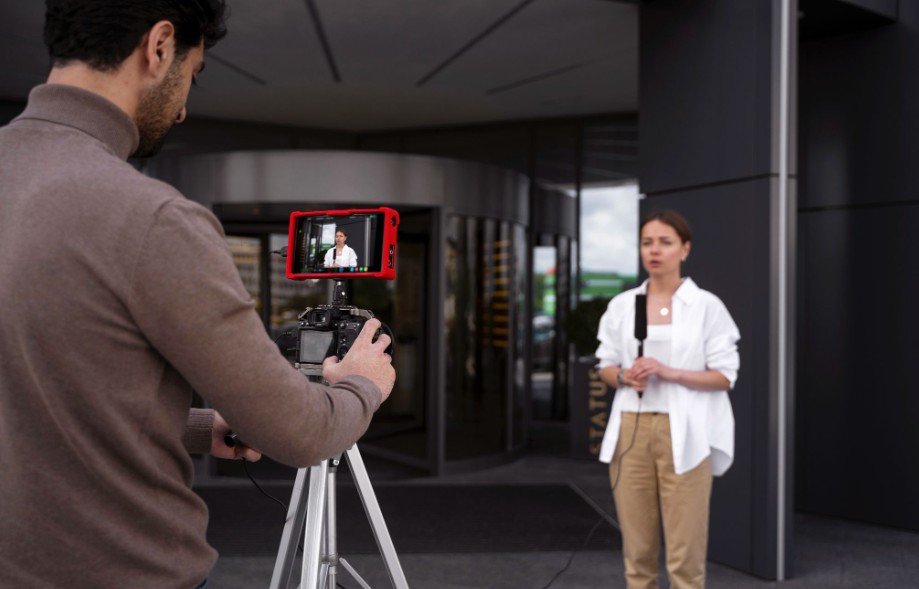
When the camera cannot travel far, I let actor movement create depth.
A character walking from the background toward the lens can energize an almost static shot. Doorway entrances, seating changes, foreground crosses, and movement between connected rooms can continually reshape the composition.
This is also where understanding static shot vs moving camera shot becomes useful. If actor blocking already creates enough visual energy, keeping the camera still can make the performance easier to read. When the scene needs a stronger shift in perspective or emotional emphasis, a controlled camera move can add that extra layer.
Static shots still matter. Holding the camera during an important dialogue scene and introducing one carefully timed push-in can have more impact than continuous gimbal movement.
What Indoor Camera Movement Mistakes Should You Avoid?
I avoid moving the camera simply because the equipment allows it. Every move should reveal information, follow action, change perspective, increase tension, or redirect attention.
I also rehearse for operator shadows, unwanted reflections, furniture collisions, visible lighting equipment, wide-angle distortion, uneven walking speed, and confusing screen direction. A complete camera-and-actor rehearsal can catch most of these problems before recording.
Frequently Asked Questions
1. What is the easiest camera movement in a small room?
A pan or tilt is often easiest because the camera can remain in one physical position. Short slider moves and controlled handheld push-ins also work well.
2. Is a gimbal good for filming inside a house?
Yes. A compact gimbal works well for hallway tracking shots, walk-and-talk scenes, doorway transitions, and room-to-room movement.
3. How do you make a small interior look cinematic?
I combine layered blocking, foreground elements, thoughtful lighting, appropriate focal lengths, and subtle camera motion. Creating visual depth matters more than making the camera travel a long distance.
4. Should the camera always move during dialogue?
No. Static framing can strengthen a performance. I introduce movement when the emotion, power dynamic, perspective, or story information changes.
Final Thoughts
Good indoor cinematography is not about squeezing an elaborate camera move into every room. Push-ins build intimacy, pull-outs reveal context, foreground parallax creates depth, tracking shots add momentum, partial orbits reshape perspective, and handheld or whip-pan movement can increase urgency.
When I plan camera movement for indoor scenes, I choose the smallest move that delivers the strongest storytelling effect. If the movement fits the room, protects the performance, and guides the viewer naturally, even an ordinary interior can look cinematic.