



I have always found that a static shot can look perfectly fine until a little controlled movement is added. A slow slide across a product, a gentle move beside a person, or a reveal from behind foreground objects can instantly give footage more depth. The difference becomes even more noticeable when the movement stays consistent from the first frame to the last.
I also noticed that manual sliders can become frustrating when a shot needs to be repeated several times. Tiny changes in speed, pressure, or timing can make each take look slightly different. That is where motorized camera slider systems become useful. They turn a simple lateral camera move into something that can be controlled, repeated, and adjusted with much greater precision.
What Makes Motorized Camera Sliders Different?
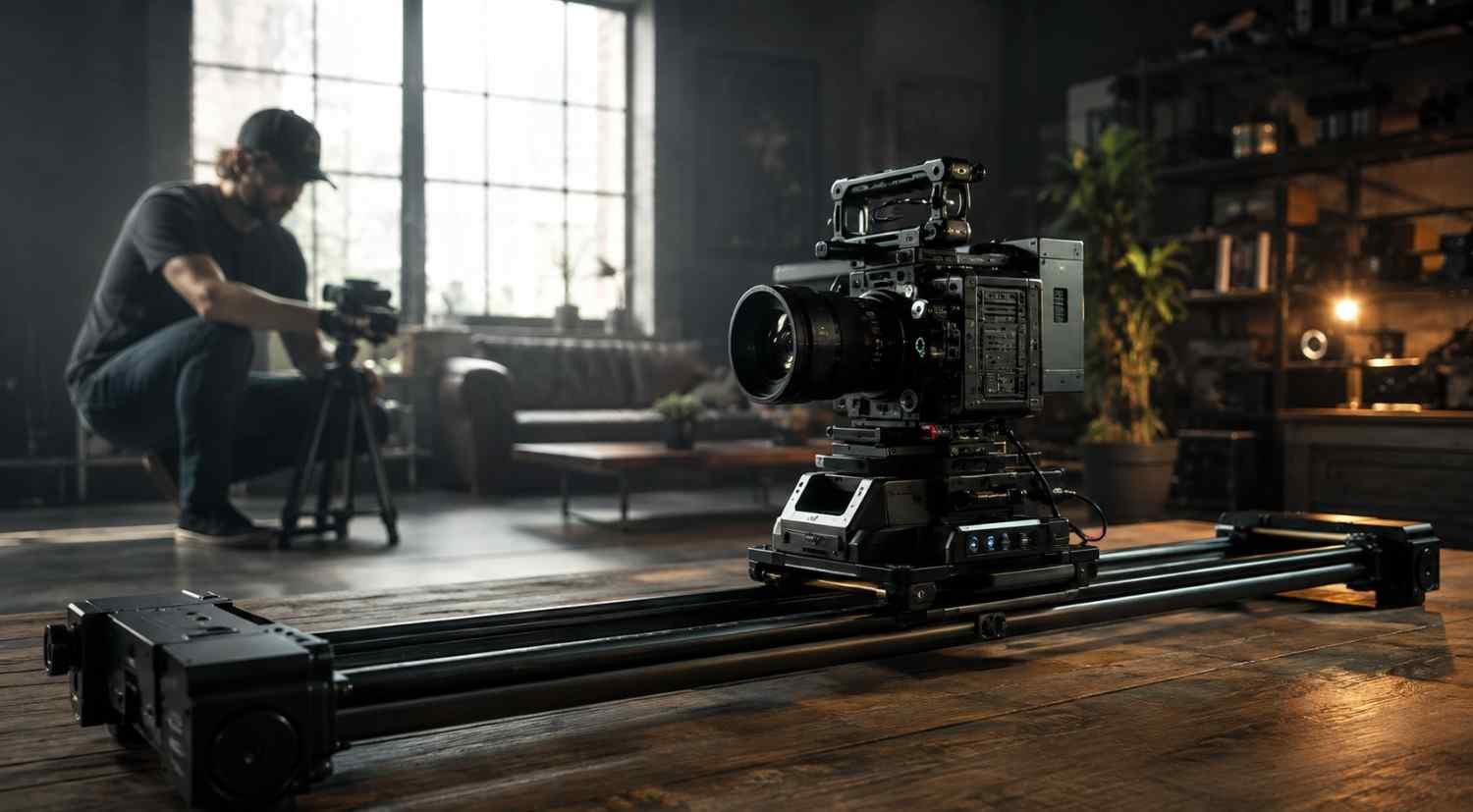
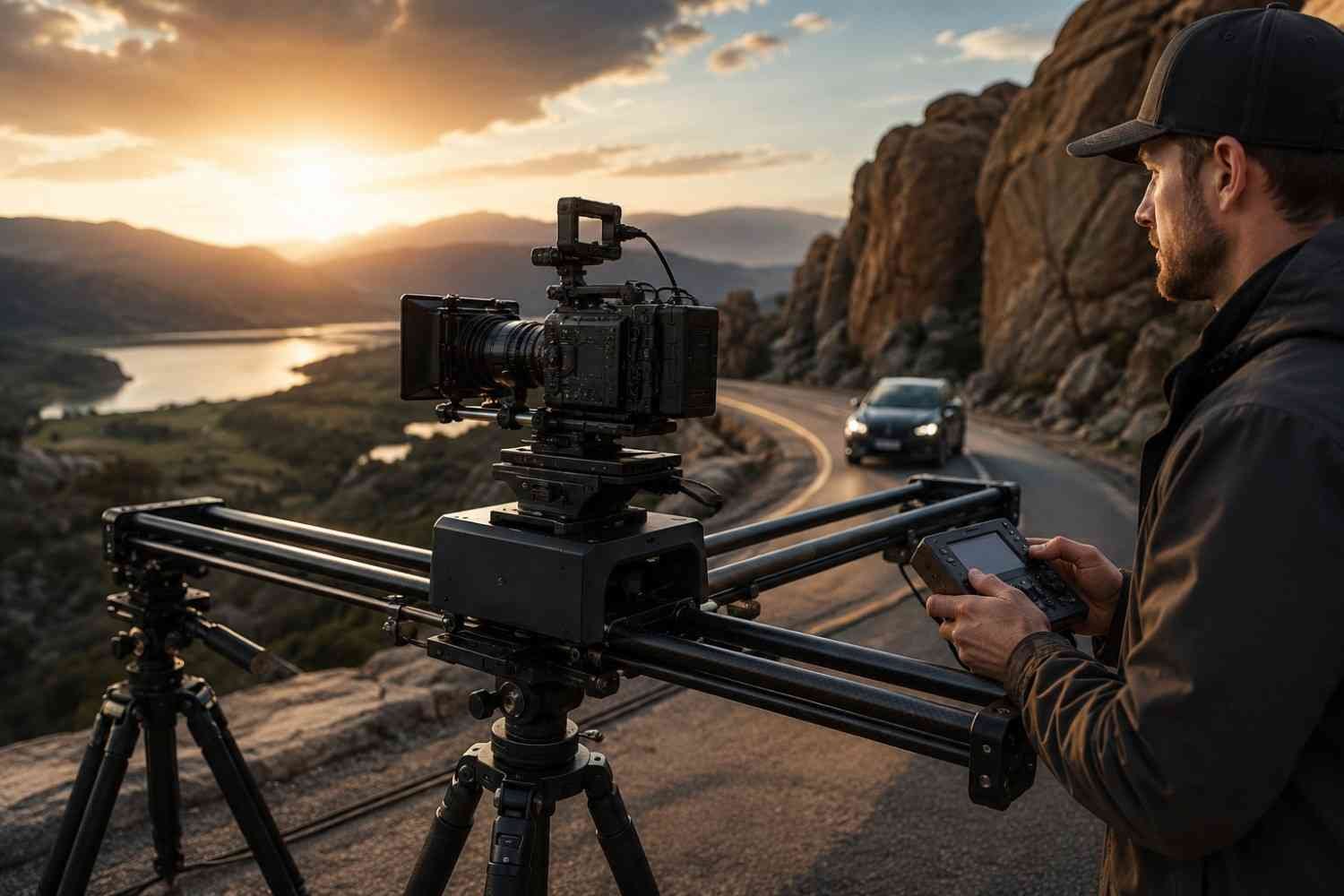
A motorized slider uses a powered carriage to move the camera along a rail at a controlled speed. Instead of physically pushing the camera, the operator can set the direction, speed, and sometimes start and end points before recording.
That makes the system particularly useful for smooth, stable, and controlled tracking shots, a common application of sliders in video production.
The real advantage is consistency. If a scene needs several takes, the camera can follow nearly the same path each time. That matters for interviews, product videos, B-roll, time-lapse work, and shots that may later require compositing.
Where Motorized Sliders Make the Biggest Difference
The best use of a motorized slider is not simply adding movement because the shot looks more cinematic. The movement should have a purpose.
For example, a slow lateral move can reveal a product while keeping the background moving naturally behind it. A slider can also travel alongside a seated interview subject, creating subtle visual variation without distracting from the conversation.
For time-lapse work, controlled movement becomes even more useful. Professional slider systems are designed for time-lapse photography and video production, allowing extremely slow movements that would be difficult to maintain manually.
Parallax shots are another strong application. When the camera slides while a motorized head changes its angle, foreground and background elements move at different rates. That separation creates a stronger sense of depth.
Features That Matter When Choosing a System
The longest slider is not automatically the best slider. Start with the type of shots you actually plan to create.
Travel distance determines how far the camera can move, while payload capacity determines whether the system can safely handle your complete rig. Remember to include the camera body, lens, monitor, follow-focus motor, battery, and other accessories when calculating the load.
Motor noise also deserves attention. A slider used during interviews or dialogue scenes should operate quietly enough that its motor does not become part of the recording. Some current systems use a quiet carriage motor specifically to keep movement unobtrusive.
Speed control is just as important. A slow product shot needs very different movement from a quick reveal. Look for systems with fine speed adjustment and smooth acceleration rather than simple fixed-speed settings.
Also consider portability. A 48-inch rail may look impressive on paper, but it can become inconvenient when you’re working alone or moving between locations. A shorter slider can often cover the shots you need while taking less room in the production bag.
Motorized vs. Manual Sliders
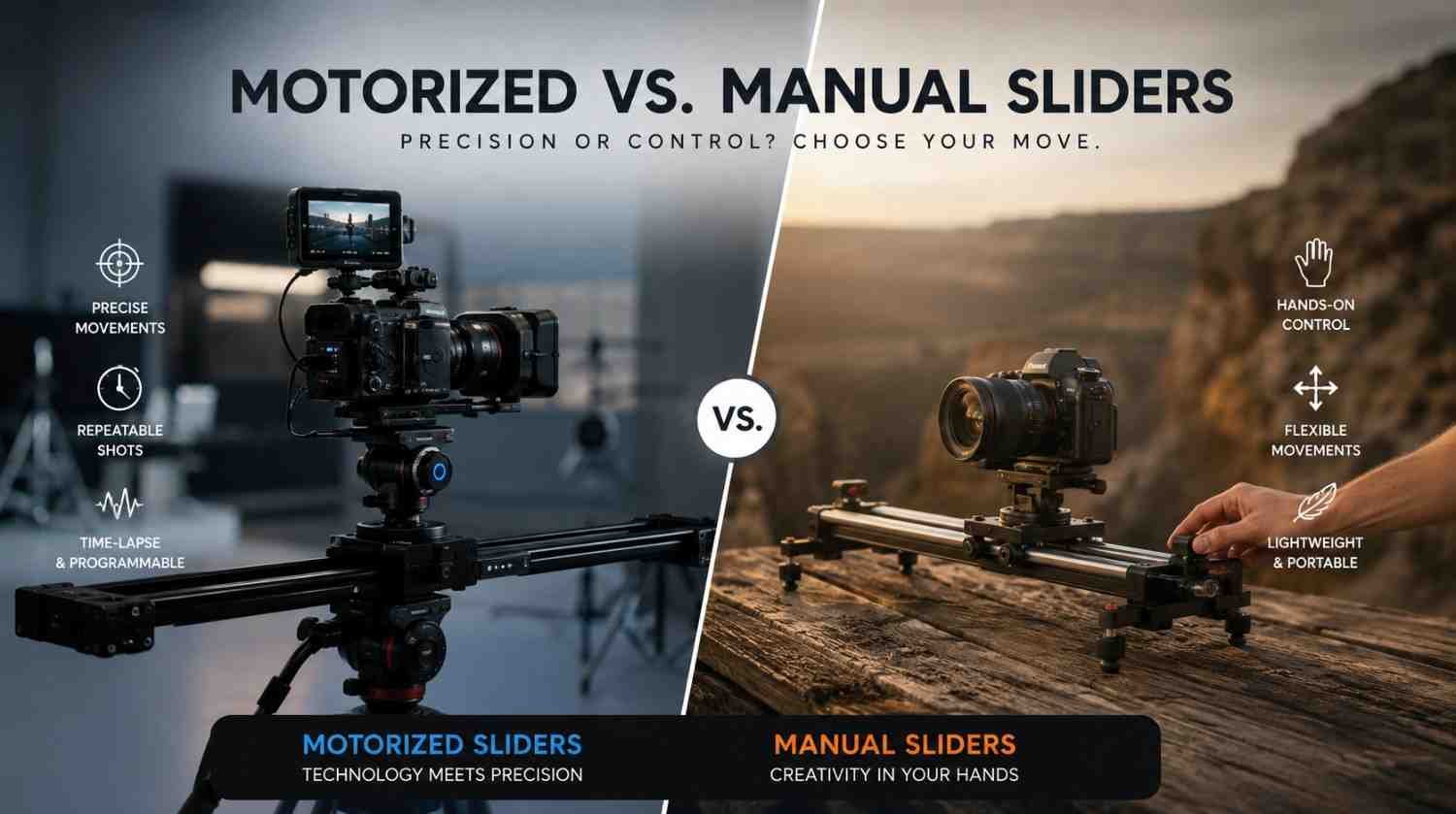
Manual sliders still have a place. They are simple, quick to reposition, and don’t depend on batteries or motors. For casual B-roll, that can be all you need.
Motorized systems become more valuable when precision matters. Their controlled movement can make repeated takes more consistent, which is particularly helpful for product work, visual effects, and time-lapse sequences.
Modern systems can also offer smooth start/stop movements that reduce the sudden jerk you might get when manually beginning or ending a slide.
That does not make motorization better for every filmmaker. It simply gives you another level of control when the shot demands it.
Making a Slider Part of a Larger Camera Setup
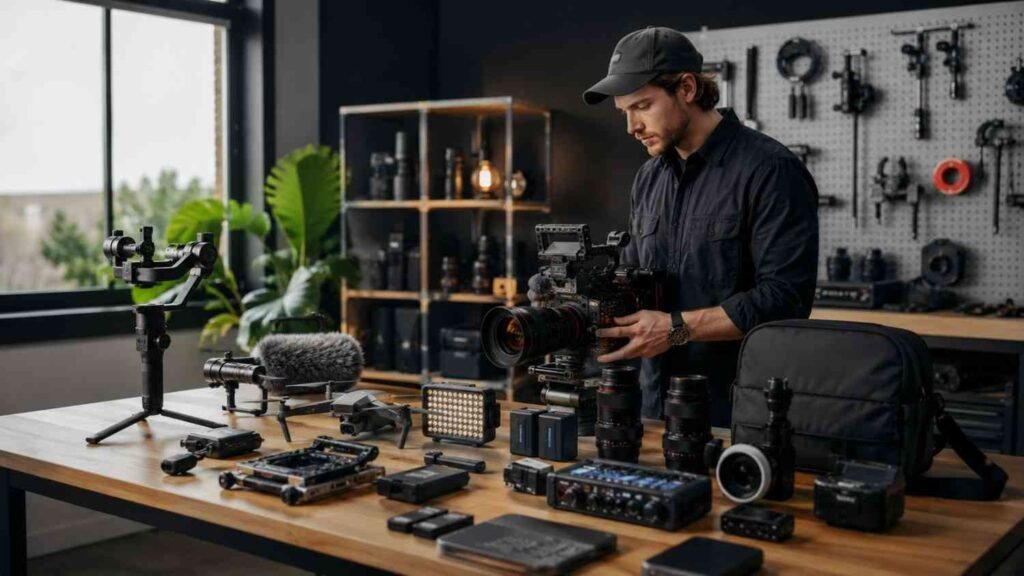
A slider rarely works in isolation. The camera, lens, tripod, head, lighting, and other accessories all influence the final movement. A lightweight camera may work well on a compact slider, while a cinema camera with a large zoom lens can require a much stronger rail and support system.
For creators building a broader kit, 4×5.65 filter systems can complement controlled camera movement when filtration is part of the visual plan. The important thing is to build around the shot instead of collecting equipment simply because it is available.
The same principle applies when choosing other production equipment. A slider should solve a recurring problem in your workflow, not become another piece of gear that spends most of its time in a case.
How Automation Changes Creative Possibilities
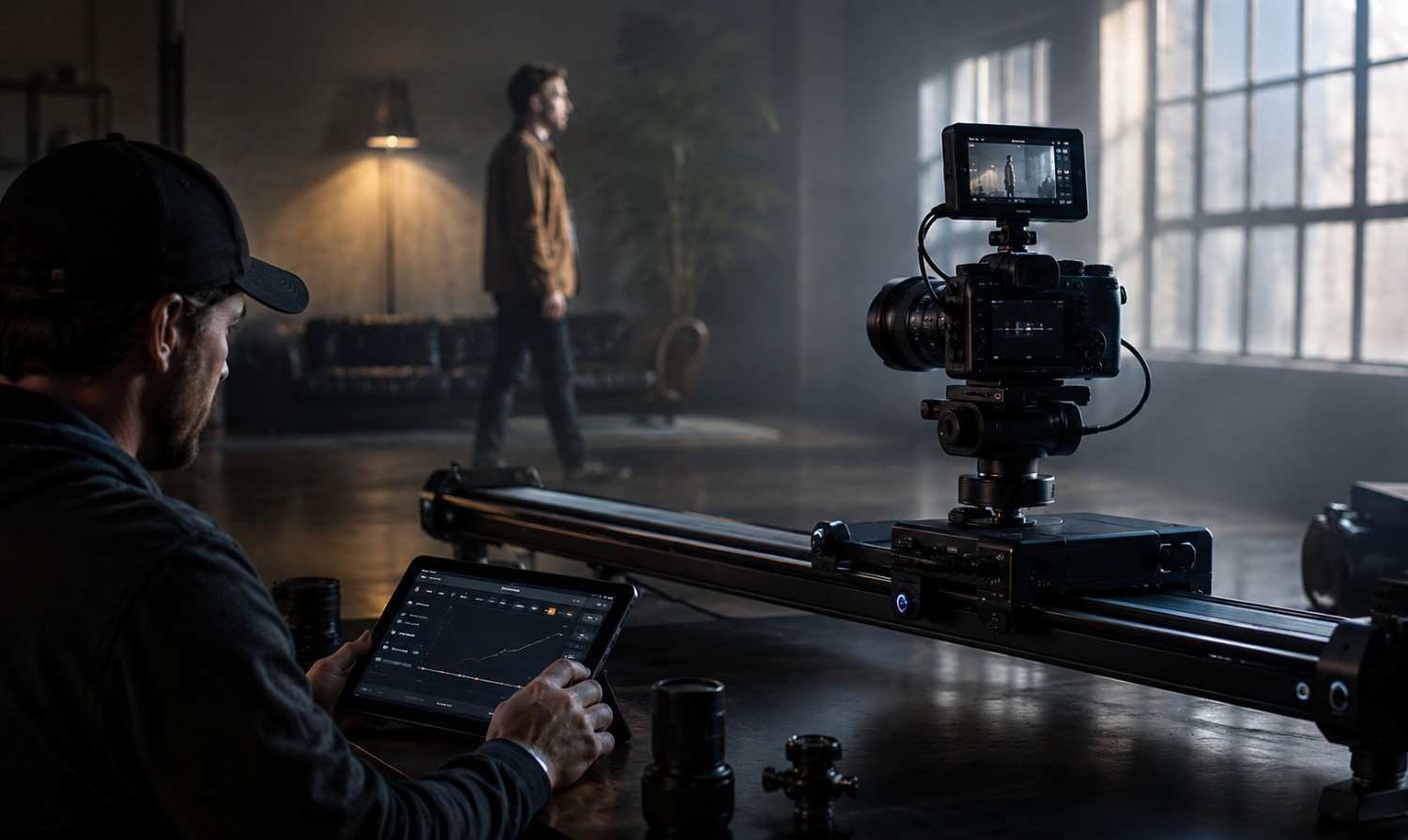
Repeatability is where motorized sliders become especially interesting. A programmed move can be recreated for another take, another setup, or even another shooting day. That opens the door to repeatable camera motion, which is valuable when matching shots or building effects that depend on nearly identical movement.
A simple example is a two-pass composite. You can record an actor moving through a scene, then repeat the same camera movement without the actor. Because the camera follows the same programmed path, combining the footage becomes much easier.
This kind of controlled movement also supports more deliberate visual storytelling through camera movement, where the direction, speed, and timing of the camera contribute to how the audience experiences a scene. Adobe notes that camera movement can influence pacing, atmosphere, and emotional connection.
For filmmakers building a broader kit, a list of filmmaking tools worth buying in 2026 can be useful, but the slider should earn its place based on actual production needs.
What to Check Before Buying
Before choosing a system, consider these practical questions:
- Can it support your complete camera rig?
- Is the motor quiet enough for your recording environment?
- Does the travel distance match your typical shots?
- Can you control speed precisely?
- Does it support repeatable movements or A/B points?
- Can it run from batteries during location shoots?
- Will you realistically carry and set it up?
Also check how the slider mounts. Some systems can work horizontally, vertically, or in less conventional configurations, while others are designed primarily for standard horizontal movement.
A compact system may be the better choice for a solo filmmaker, while a heavier multi-axis setup can make more sense for controlled studio productions.
FAQs: Motorized Camera Slider Systems for Cinematic Camera Movement
1. What is a motorized camera slider used for?
It automates lateral camera movement for tracking shots, product footage, interviews, B-roll, time-lapses, and repeatable sequences.
2. Are motorized sliders better than manual sliders?
Not always. Manual sliders are simple and flexible, while motorized models offer better speed control and repeatability when precision matters.
3. How much camera weight can a motorized slider handle?
It depends on the model and orientation. Always calculate the total weight of the complete rig rather than the camera body alone.
4. Do motorized sliders work for time-lapse?
Yes. Their ability to move slowly and consistently makes them particularly useful for motion-controlled time-lapse sequences.
When Controlled Movement Becomes Worth the Investment
The value of a motorized slider becomes clear when camera movement needs to be more than a one-time push. If the same path must be repeated, slowed down, matched between takes, or coordinated with another axis, automation can save time while giving the footage a more controlled feel. It also fits naturally into portable cinema production systems, where filmmakers need professional movement without bringing a full dolly crew.
The best slider is ultimately the one that matches the shots you actually make. When its travel length, payload, speed control, noise level, and portability fit your workflow, motorization stops being a novelty and becomes a practical cinematography tool.