




Filmmaking constantly throws technical challenges our way, especially when trying to frame the perfect cinematic sequence. Getting comfortable behind the lens means mastering the difference between pan and tilt movements right from the very start.
My early days on set were filled with shaky footage because these two fundamental techniques were completely mixed up in my head. We are going to clear up that confusion today so your next video project looks incredibly professional.
Key Takeaways
- Panning swivels the camera side-to-side.
- 2. Tilting pivots the lens up-and-down.
- 3. Both keep the tripod base perfectly stationary.
- 4. Fluid head gear ensures much smoother cinematic shots.
- 5. Every camera movement needs clear narrative motivation.
Understanding The Core Mechanics Of Both Movements
Mastering these basic camera techniques requires understanding exactly how the physical equipment operates.
Defining The Horizontal Camera Sweep
A camera pan happens when you swivel your lens horizontally from left to right or right to left across a fixed axis. You are basically turning the camera just like you would turn your own head to look across a room or follow a passing car.
his technique perfectly establishes the geography of a scene while keeping the audience completely grounded in the spatial reality of your film layout.
Exploring The Vertical Cinematic Pivot
A tilt shot focuses entirely on the vertical plane by angling the camera lens directly upwards or downwards. Your tripod base does not move an inch, but the viewpoint climbs up a towering skyscraper or looks down towards the street below.
Filmmakers rely heavily on this specific vertical motion to reveal striking new information or show the sheer scale of an impressive architectural structure in their storytelling. This makes tilt shots especially effective as camera movement for revealing a location, allowing the audience to gradually discover the environment while maintaining a strong sense of scale and visual drama.
Visual Breakdown Of Horizontal Versus Vertical Motion
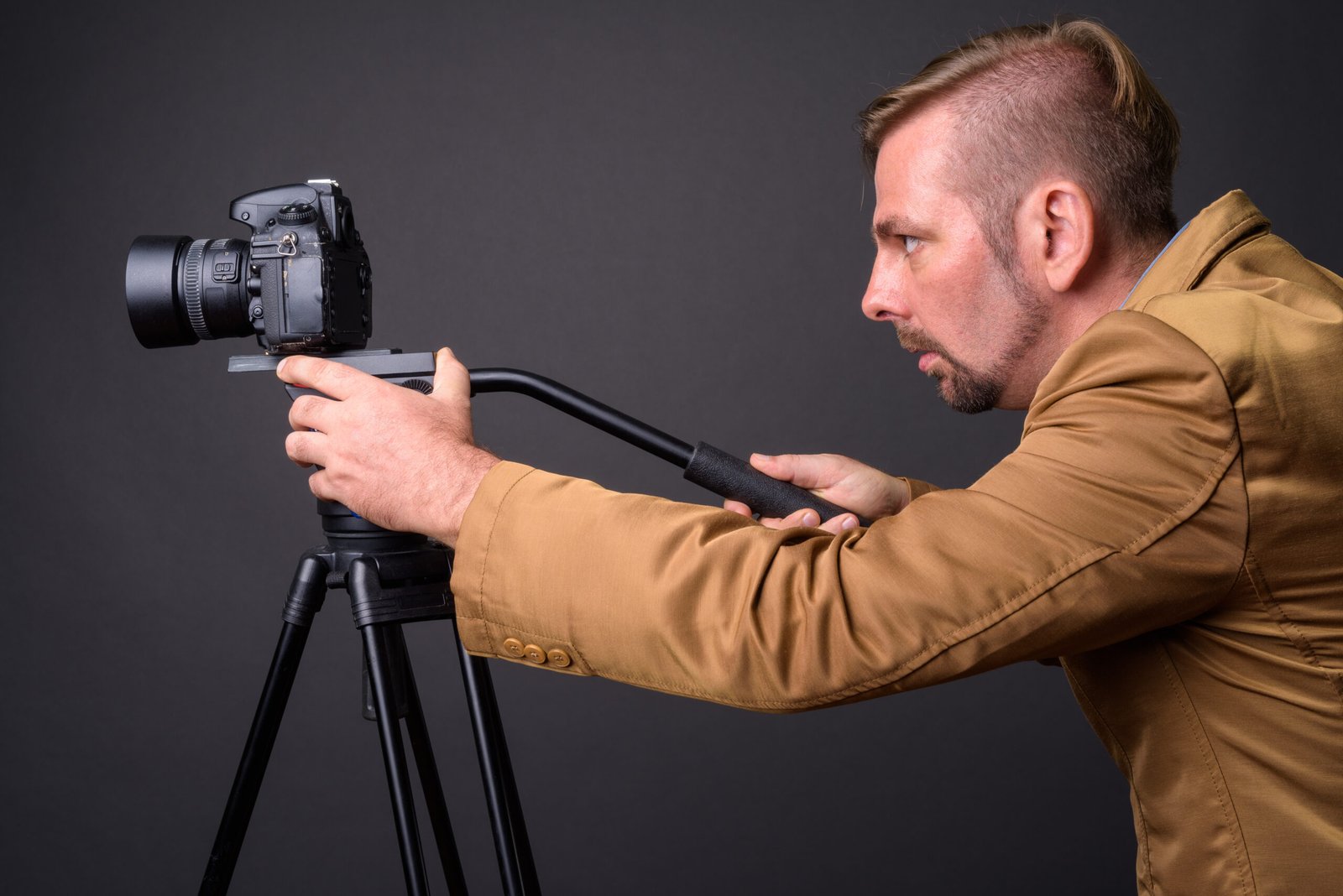
Comparing these motions side by side reveals how they serve completely unique visual purposes on screen.
Axis Of Rotation Completely Explained
The fundamental variation between these styles comes down to which exact axis the camera rotates around during the shot. Panning revolves around the vertical axis to create horizontal motion, giving viewers a wide survey of the cinematic landscape.
Tilting rotates around the horizontal axis to produce vertical motion, acting exactly like a person nodding their head up and down to take in a surprisingly tall subject.
Tracking Subject Motion Naturally
Following an actor walking across a busy street requires a smooth horizontal panning motion to keep them perfectly framed. Our human eyes naturally track movement from side to side much more frequently than we look straight up into the sky.
This biological reality makes panning feel incredibly natural and intuitive to audiences, while vertical tilting often feels a bit more deliberate and dramatically stylized on the big screen.
Emphasizing Height Versus Establishing Width
Choosing between these two movements drastically alters how your audience analyzes and perceives the physical dimensions of your movie set. A slow, sweeping pan visually stretches the environment, making a cramped room feel like a massive panoramic landscape.
Conversely, tilting downwards from a character’s face to their tapping shoes emphasizes their personal anxiety, using the vertical space to highlight intimate details rather than showing off the surrounding geographical width.
How Competitors Compare On Set Functionality
Understanding the precise specifications helps you choose the perfect frame adjustment strategy.
| Feature | Pan | Tilt |
| Movement Direction | Horizontal (side-to-side) | Vertical (up-and-down) |
| Best Used For | Tracking moving subjects (e.g., vehicles, walking actors) or capturing wide panoramic views. | Revealing scale (e.g., looking up a skyscraper) or pacing the dramatic reveal of a character. |
| Execution Tool | Rotates on the yaw axis, usually via a fluid tripod head. | Rotates on the pitch axis, usually via a fluid tripod head. |
Mastering The Difference Between Pan And Tilt In Real Life

Executing these classic techniques on an actual film set requires precise physical coordination and mental focus.
Preparing Your Tripod For Action
First, secure your camera onto a heavy tripod and physically lock the legs so they cannot shift during the take. Second, decide whether your scene requires a horizontal pan or a vertical tilt, then loosen only that specific lock on your fluid head. Taking a few extra seconds to double-check these locking mechanisms prevents accidental diagonal drifting that ruins otherwise perfect cinematic footage.
Step By Step Guide To Flawless Execution
Tuck your elbows tight into your sides and use your entire torso to smoothly guide the tripod handle in the desired direction. Rehearse the exact start and end points multiple times before hitting the record button so your muscle memory takes over completely. Finally, allow the camera to rest for three full seconds after completing the motion so your video editor has plenty of static footage to work with in post-production.
Essential Gear For Smooth Cinematic Movements
Having the right equipment drastically reduces the steep learning curve when practicing these foundational cinematography skills.
Investing In A Fluid Head Tripod
Cheap photography tripods use friction mounts that inevitably cause annoying stuttering and jerking during your video recordings. A professional fluid head tripod contains internal chambers filled with thick oil that perfectly dampens your manual movements for buttery smooth results.
This specific piece of hardware is absolutely non-negotiable if you truly want to capture Hollywood-quality pans and tilts that seamlessly immerse your viewers.
Balancing Your Camera Rig Correctly
Even the most expensive fluid head will perform terribly if your camera weight is improperly distributed on the baseplate. You must slide the camera forward or backward until it sits perfectly level without you needing to manually hold the handle.
Achieving this perfect neutral balance ensures that your upward tilts do not suddenly crash back down, granting you total control over the exact pacing of your cinematic shot.
Psychological Impact On Your Viewing Audience
Every time you move the lens, you are subconsciously telling your viewers exactly how they should feel.
Building Dramatic Tension Through Panning
Slowly sweeping across a seemingly empty room forces the audience to eagerly anticipate what might be hiding just out of frame. This creeping horizontal motion increases massive psychological tension because human beings are naturally wired to search for hidden threats in their peripheral vision.
Horror directors famously utilize this technique to expertly delay a jump scare, keeping everyone on the absolute edge of their cinema seats.
Establishing Dominance With An Upward Tilt
Looking up at someone inherently makes them appear much larger, more powerful, and significantly more intimidating in the context of the story. Starting your shot at an actor’s boots and slowly tilting upwards to reveal a stern facial expression instantly establishes their dominance over the scene. This subtle vertical hierarchy manipulation is a favorite trick among seasoned cinematographers who want to visually communicate character authority silently.
How Do You Choose Between Pan and Tilt?
When deciding on pan vs tilt camera movement, I ask where the audience’s attention needs to travel. If the information runs side to side, I start with a pan. If it runs low to high or high to low, I consider a tilt.
The move should support the story. A slow pan across an empty room can create anticipation. A faster pan can add urgency. A gradual tilt up a tower can emphasize scale, while a tilt down from a face to an object can reveal information at a controlled moment.
Neither movement is automatically more cinematic. I prefer the one that makes the viewer’s eye travel naturally and communicates information without drawing unnecessary attention to the camera operator.
Common Mistakes Beginners Make On Set
Avoiding these frequent beginner pitfalls will immediately elevate the overall production value of your next big project.
Rushing The Speed Of The Lens
Novice filmmakers frequently whip the camera back and forth way too quickly, completely blurring the background and nauseating their audience. A proper cinematic movement should feel incredibly deliberate, allowing the viewer’s eyes enough time to actually process the new visual information being revealed.
Unless you are specifically executing a fast action sequence, always force yourself to move the tripod handle at half the speed you initially think is appropriate.
Forgetting The Narrative Motivation
Moving the camera simply because the scene feels boring is a terrible habit that screams amateur filmmaking to industry professionals. Every single pan or tilt must be directly motivated by an actor’s action, a passing vehicle, or a vital story element that demands attention. One of the best ways to improve this instinct is to practice camera movements at home using simple everyday subjects and deliberately deciding when movement is actually justified.
If your subject is sitting perfectly still in a chair, your camera should generally remain totally locked off unless you are intentionally creating psychological unease.
Frequently Asked Questions .
1. When should I use a tilt shot?
You should utilize a vertical tilt shot whenever you need to emphasize the grand scale of an object or reveal crucial story elements from top to bottom. It works wonderfully for establishing dramatic tension during a big character introduction.
2. Are pan and tilt cameras worth it?
Yes, these dynamic camera systems are incredibly worthwhile for filmmakers and security personnel who require maximum structural coverage without physically moving the tripod. They offer immense versatility for capturing wide, sprawling environments effortlessly.
3. What is the 7 second panning rule?
The seven second panning rule dictates that a horizontal camera movement should last at least seven seconds to prevent jarring motion blur. This slow pace allows the human eye to comfortably absorb the visual layout.
4. What is the difference between pan and tilt?
The physical difference between pan and tilt centers on the direction of rotation, where panning turns the camera horizontally on a fixed vertical axis while tilting tilts the camera vertically on a fixed horizontal axis.