



A smooth camera move can make an ordinary room feel cinematic. I do not need a dolly, crane, or studio floor to build that skill. A phone or camera, a hallway, and a few household items are enough.
When I am learning how to practice camera movement at home, I focus on body control, repeatable drills, and purposeful framing. I want every move to start cleanly, travel at a controlled speed, and finish on an intentional frame.
How Do I Use Body Mechanics to Reduce Camera Shake?
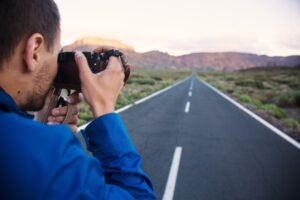
My body is my first stabilization system. For handheld camera movement, I bend my knees, lower my center of gravity, keep my elbows close, and take short steps. The “ninja walk,” rolling smoothly from heel to toe, helps reduce vertical bounce.
I also use three points of contact when possible: both hands on the camera plus the eyepiece, strap tension, or another safe contact point near my face or neck. For panning shots, I plant my feet and pivot from my hips and waist instead of steering with my arms. This torso pivot creates a smoother path.
How Can I Practice Pan and Tilt Shots in a Small Room?
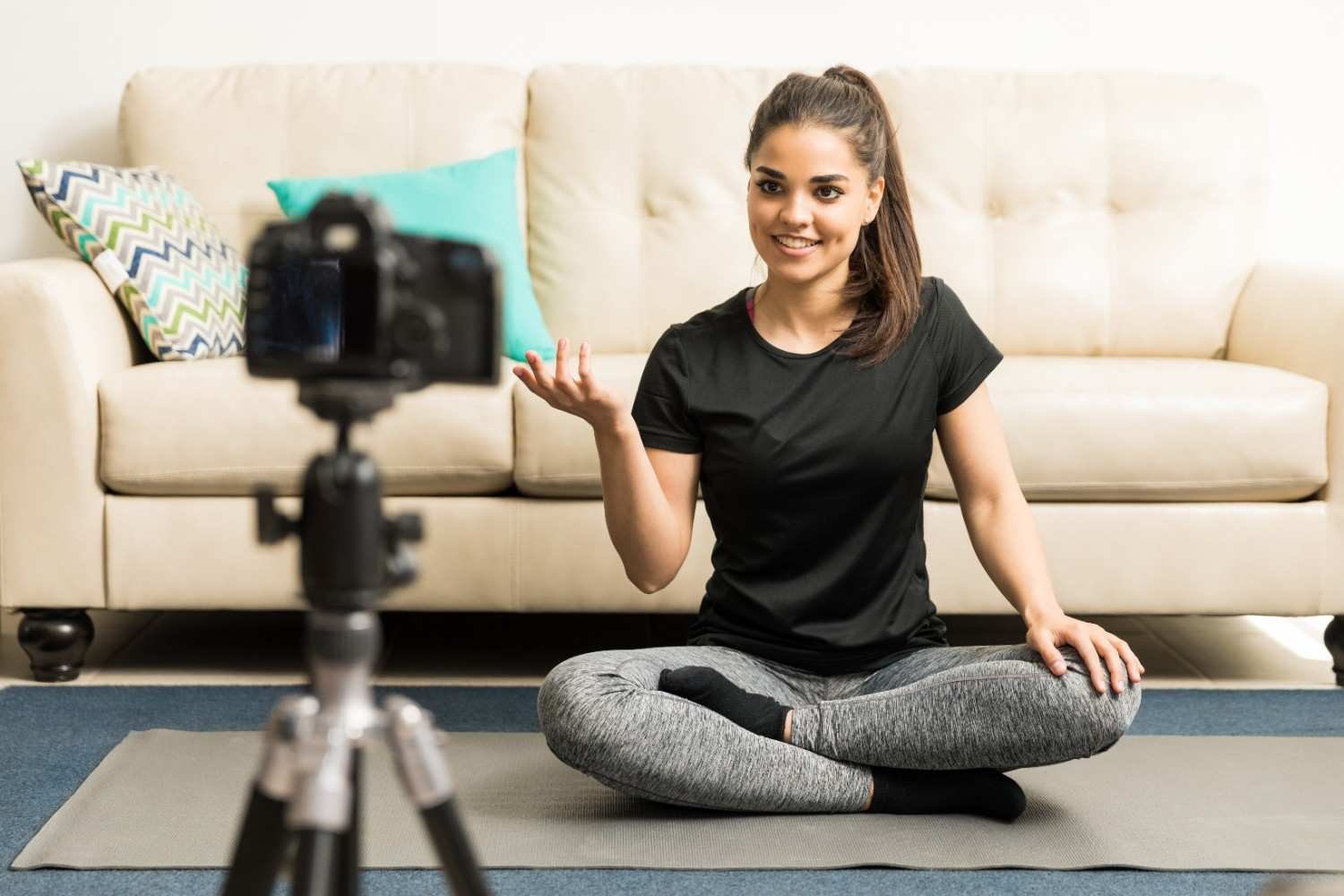
For a pan shot, I place one object on the left and another on the right. I hold the first composition, pivot smoothly, slow before the second subject, and hold the ending frame. I repeat until I can finish without a visible correction.
For a tilt shot, I use a bookshelf, doorway, or standing person. I frame low, tilt upward at a consistent speed, and watch the whole frame. This improves stopping, horizon control, and shot composition.
How Can Household Items Replace Expensive Camera Gear?
A towel slider is one of my favorite DIY options. I place a lightweight camera or phone securely on a folded towel or microfiber cloth on a smooth counter and pull it at a constant speed. This can create a clean dolly-in, dolly-out, or sideways trucking shot.
A rolling office chair can mimic a basic dolly for tracking shots. I sit securely, brace the camera, and have another person push the chair slowly along a clear, flat path. I avoid stairs, loose rugs, thresholds, and clutter.
For short push-ins, I can support my hands or camera base on a countertop and slide forward with gentle downward pressure to reduce micro-shake.
What Camera Movement Drills Build Tracking Skills?
For a static-object track, I place a coffee mug or candle on a table and move in a semicircle while keeping it centered on my grid lines. This arc-shot drill builds distance control and framing awareness.
For a reveal, I start behind a doorway, wall, couch, or indoor plant and truck sideways until the subject appears. This teaches parallax and shows how cinematic camera movement can reveal information.
For a harder drill, I start focused on a nearby object, tilt upward, and gradually pull manual focus to a background subject. I practice the tilt and rack focus separately before combining them.
How Do I Practice Push-Ins, Pull-Backs, and Tracking Shots?
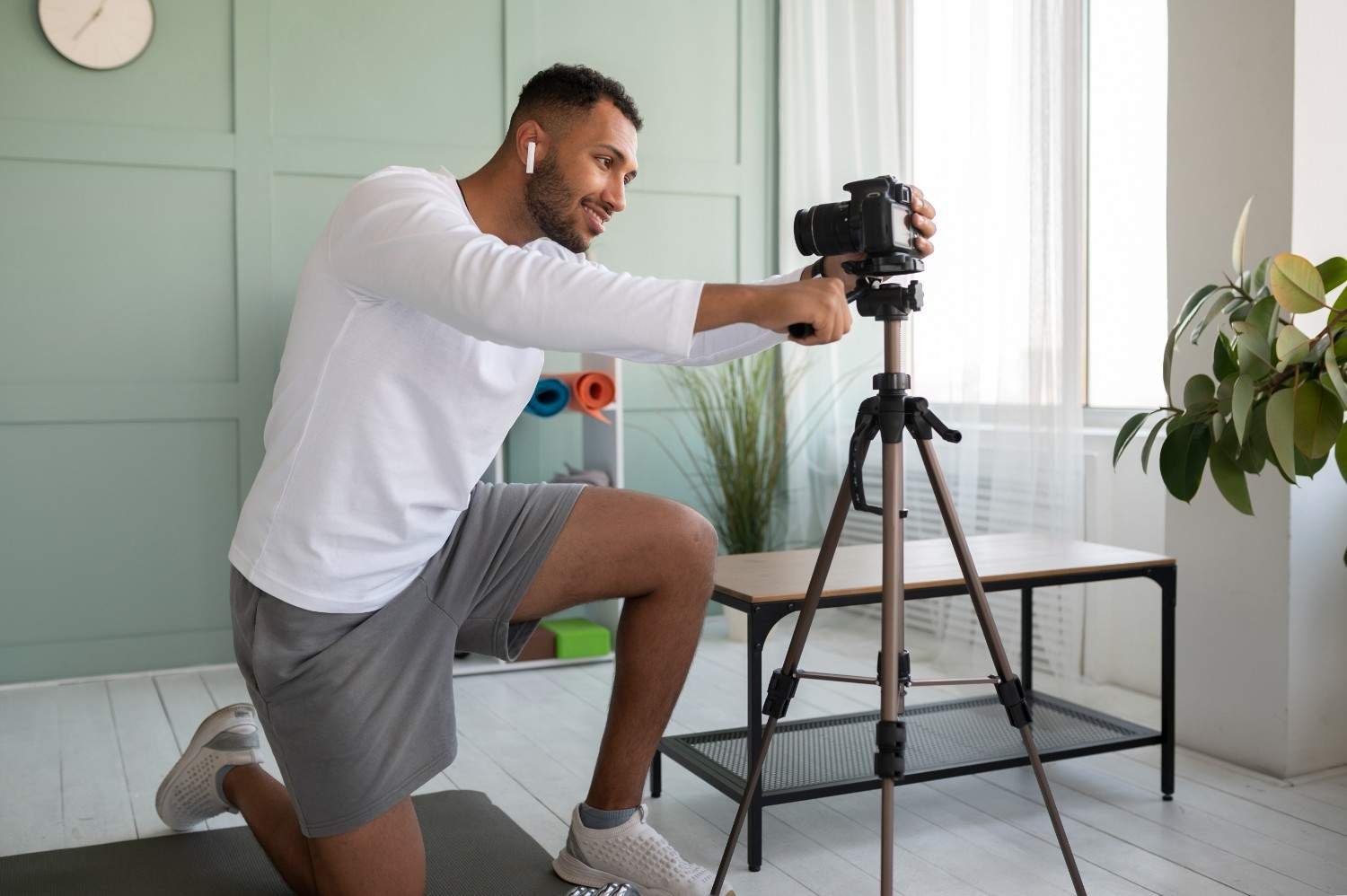
For a push-in, I start several feet away and move closer while keeping the subject in the same part of the frame. Then I reverse the exercise for a pull-back.
A hallway is ideal for a tracking shot. I can follow someone, move beside them, or carefully move backward while another person acts as a spotter. I concentrate on consistent subject size, headroom, horizon level, and walking speed. This same practice is especially useful when learning camera movement for action scenes, where pacing and subject tracking need to stay controlled.
A push-in can increase intimacy or tension, while a pull-back can reveal context or isolation. Motivated camera movement matters as much as smoothness.
Should I Use a Wide Lens or High Frame Rate?
A wider focal length can make handheld errors less noticeable. On a full-frame camera, roughly 16mm to 24mm can work well because small shakes appear less pronounced than with a telephoto lens. On phones or crop-sensor cameras, I choose a reasonably wide field of view.
Recording at 60 FPS or 120 FPS can help when I plan to create slow motion. Slowing that footage in post can soften minor bumps, but high frame rates do not actually stabilize a bad take.
Can I Learn Camera Movement Without a Gimbal?
Yes. A gimbal can reduce visible shake, but it cannot fix poor framing, inconsistent speed, bad focus, or an unmotivated move. I prefer to build reliable handheld technique first, then add stabilization gear.
How Should I Review My Footage to Improve Faster?
After several takes, I study the opening and ending frames, speed, horizon, headroom, focus, micro-jitters, and last-second corrections. Then I repeat the shot.
I also ask why the camera is moving. If it does not reveal information, follow action, build emotion, or guide attention, a locked-off shot may work better. Practicing different handheld camera movement techniques helps me understand when motion adds energy and when it simply creates unnecessary distraction.
Reviewing footage is especially valuable when learning how to practice camera movement at home because I can repeat the exact same route, subject, and lighting conditions. That makes it much easier to see whether my camera operating skills are actually improving.
What Is a Simple 7-Day Camera Movement Practice Plan?
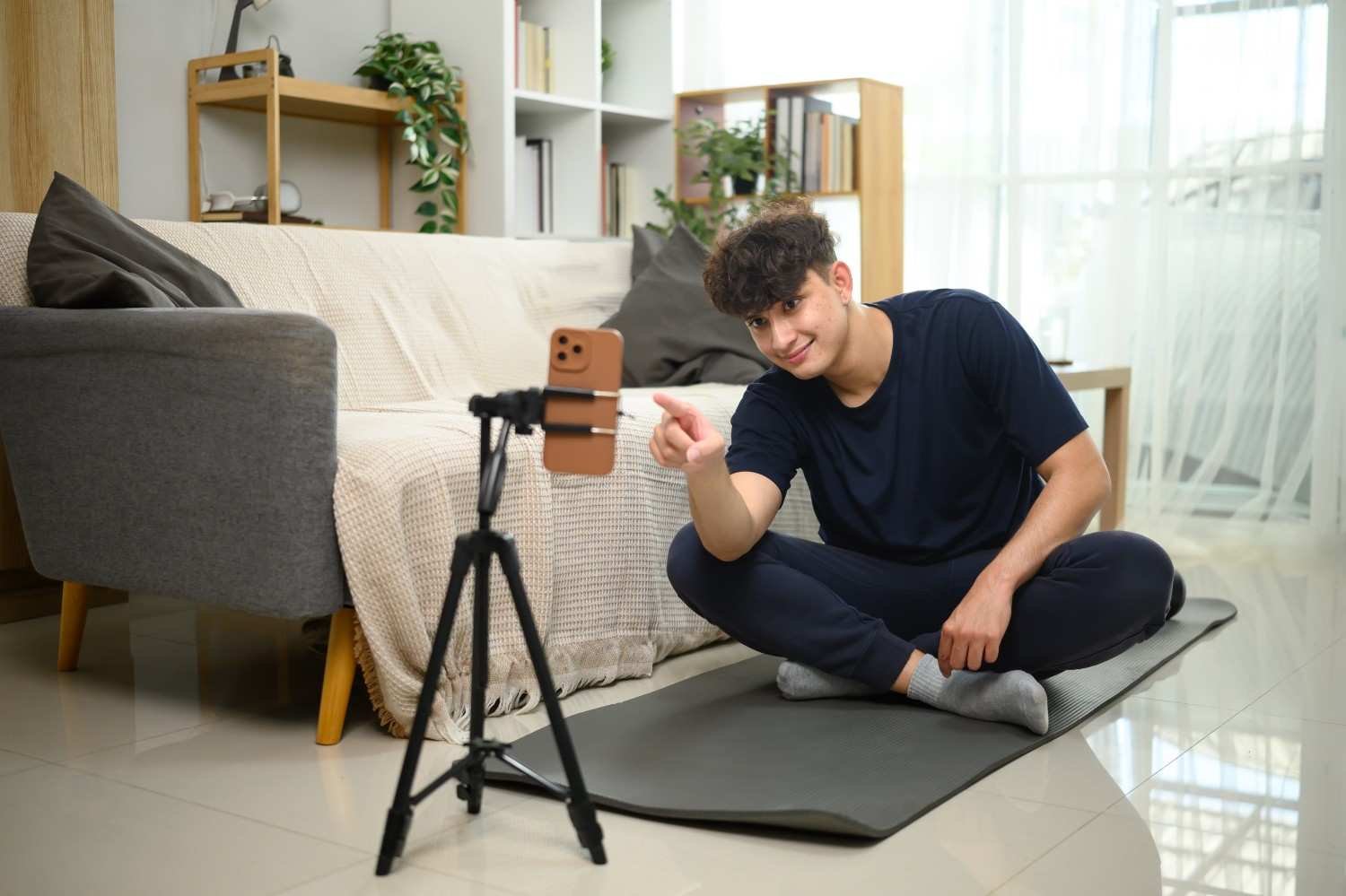
I would practice pans and tilts on day one, push-ins and pull-backs on day two, handheld stabilization on day three, tracking on day four, reveals and arcs on day five, and combined movement on day six. On day seven, I would shoot a short sequence using several techniques.
The goal is not to make every shot complicated. I want to build muscle memory so that smooth camera movement becomes natural when I eventually shoot interviews, short films, product videos, YouTube content, or social media footage.
FAQs About Practicing Camera Movement
1. Can I Practice Cinematic Camera Movement With a Smartphone?
Yes. A smartphone is excellent for learning framing, tracking, reveals, pans, tilts, body mechanics, and smooth camera movement. Its lightweight design also makes repeated filmmaking exercises easier for beginners.
2. How Can I Make Handheld Footage Look More Professional?
I use shorter steps, bent knees, secure hand placement, and deliberate starts and stops. I also rehearse the route before recording. Knowing exactly where I will start, turn, and stop lets me concentrate on composition instead of reacting to the room while filming.
3. Can I Practice Camera Movement in a Small Apartment?
Yes. Hallways, doorways, and furniture give you enough space to practice pans, tilts, push-ins, and reveal shots.
4. How Often Should Beginners Practice Camera Movement?
Practice for 15–30 minutes a day, focusing on one movement at a time and reviewing each take.
5. Do I Need a Tripod to Learn Smooth Camera Movement?
No. Handheld practice helps you improve body control, framing, balance, and stabilization before using extra gear.
Final Thoughts
The best way to learn how to practice camera movement at home is to make every exercise repeatable. A hallway can become a tracking lane, a towel can imitate a slider, a doorway can create a reveal, and a coffee mug can become an arc-shot subject. Practicing these setups also helps me understand how to create camera movements for cinematic video without relying on expensive gear.
When I combine simple household tools with better body mechanics, thoughtful camera stabilization, careful review, and motivated movement, I build the muscle memory that makes smooth footage feel intentional instead of accidental. Expensive filmmaking equipment can help later, but better camera movement starts with control.


One comment on “How to Practice Camera Movement at Home: 9 Simple Drills”