



Searching for aerioX produces more questions than specifications. I examined the original PhotoShip One address, related site material, and historical references. The product page is no longer publicly readable, while most current search results point to unrelated brands.
That missing record makes a conventional product review unreliable. However, the surviving context still helps us understand where the equipment belonged, how it may have supported camera movement, and what professionals should verify before using an older system.
What Is aerioX?
aerioX appeared in the legacy product section of PhotoShip One, a company historically associated with professional camera-movement equipment. The original URL places it inside the company’s product catalogue rather than its editorial section.
The exact product type cannot be confirmed from the current page. No accessible manual, specification sheet, price list, or original description appears with the URL. It would therefore be inaccurate to claim a specific payload, speed, range, or camera compatibility.
Available historical context suggests the product belonged to PhotoShip One’s wider camera-motion ecosystem. That ecosystem included equipment intended to move cameras through spaces where a tripod or standard dolly offered limited reach. Cable-supported platforms are one example, but readers should not treat that connection as proof that this specific product was a cable camera.
Why Is Reliable aerioX Information Difficult to Find?
The original product page has effectively disappeared from normal search access. PhotoShip One has also changed direction. Its current website publishes articles about cinematography, equipment, camera rigging, and production workflows rather than maintaining a visible historical catalogue.
Search ambiguity creates another problem. The name resembles several modern brands and unrelated product terms. A search can return software, motorcycles, computer accessories, or AI services with similar names. Those results have no demonstrated relationship with PhotoShip One.
I found no dependable evidence supporting many details a buyer would normally expect. Release dates, discontinued status, included components, technical limits, and replacement parts remain unverified. This absence is the key gap in the original content and must be stated openly.
How Did the System Fit Professional Camera Movement?
Camera-motion products generally solve a visual or logistical problem. They can create tracking shots, overhead movement, reveals, push-ins, and passes through areas that cannot accept floor track.
Understanding Camera Movement Techniques helps explain why specialized equipment exists. Movement should serve the scene’s emotion, geography, or pacing. Expensive hardware adds little when the shot has no clear visual purpose.
Controlled Movement Across Difficult Spaces
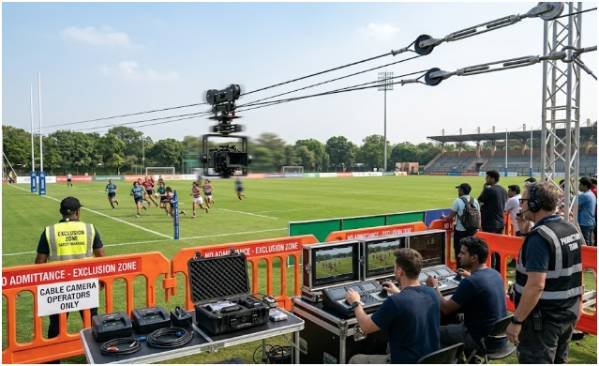
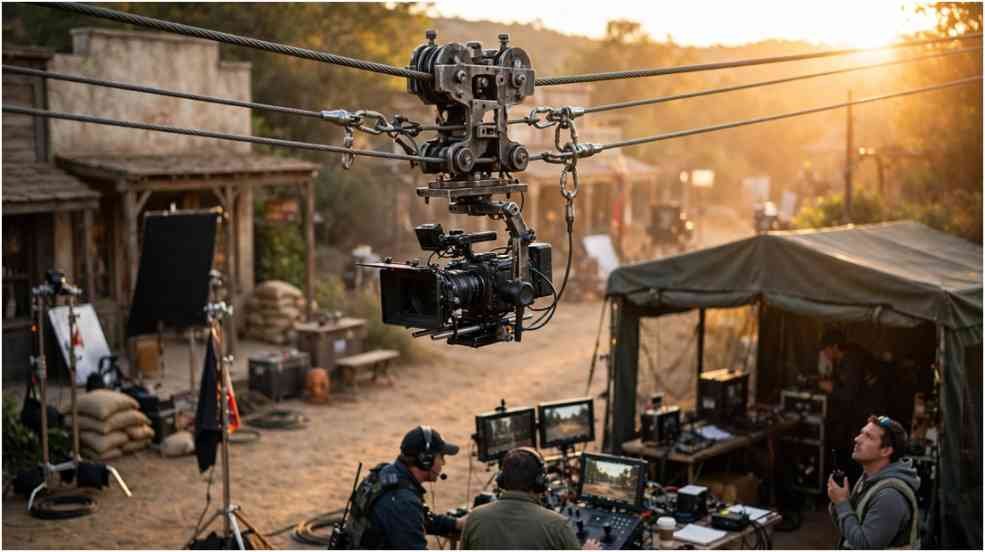
A cable-suspended camera system moves a camera head along one or more elevated cables. These systems can capture long tracking shots above crowds, uneven land, water, sports areas, or restricted sets. That definition describes the equipment category, not a confirmed specification for aerioX.
A production crew might choose this type of movement when cranes, vehicles, and dollies cannot follow the required path. The camera can travel without laying track across the entire shooting area. The trade-off is a more complex rigging and exclusion-zone plan.
Remote Operation and Stabilization
Professional moving-camera setups often combine a transport platform with a stabilized remote head. One operator may control the platform while another frames the shot. A separate crew member may handle focus, iris, or zoom.
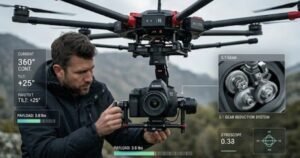
Modern ARRI remote-production systems demonstrate this wider workflow. They combine remote camera control, stabilized heads, and movement platforms to capture cinematic images with fewer people beside the camera. This does not establish compatibility with aerioX, but it shows how comparable production systems are operated.
What Should You Verify Before Using Legacy Equipment?
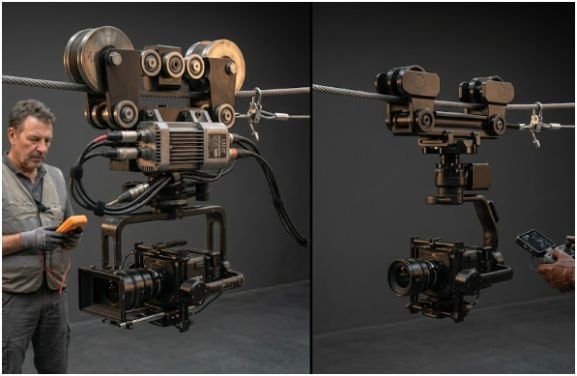
Older production gear can remain useful, but appearance alone cannot prove safety. Before considering aerioX for an active set, I would first locate original documentation and identify every load-bearing component.
A missing manual is not a minor inconvenience. It removes the manufacturer’s limits, assembly instructions, maintenance schedule, emergency procedures, and approved component list. Without those details, the crew cannot responsibly infer capacity from the equipment’s size.
Documentation and Load Ratings
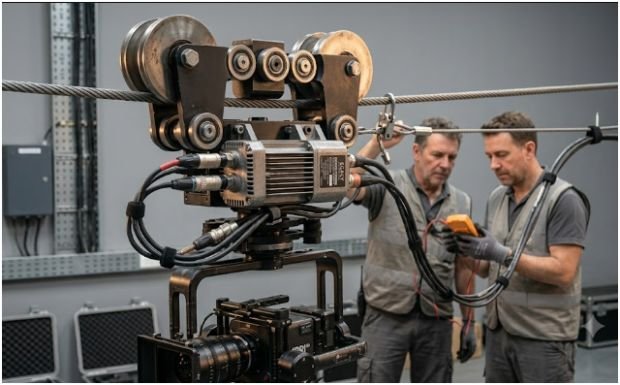
Start with the model number, serial plate, manufacturer markings, and rated load. Confirm whether the rating covers the trolley alone or the complete camera package. The full load may include the camera, lens, remote head, batteries, transmitter, cables, mounting hardware, and safety attachments.
OSHA requires material-handling rigging to carry legible safe-working-load identification. It also states that equipment should not exceed its marked capacity. Although the exact rules applying to a film set depend on the setup and jurisdiction, the principle remains useful: never guess a load rating.
Inspection and Operational Testing
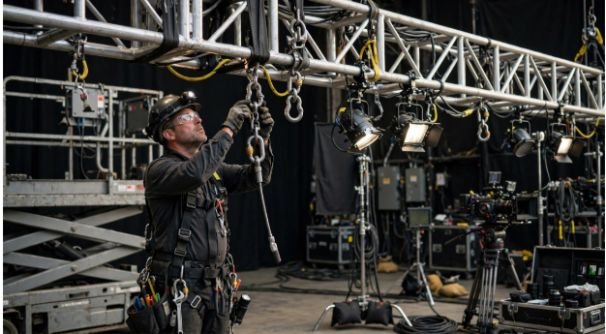
Inspect cables, fasteners, wheels, bearings, brakes, motors, housings, electrical connectors, controllers, anchors, and secondary restraints. Corrosion, cracks, deformation, missing labels, or homemade modifications should stop the setup until a qualified professional evaluates it.
OSHA guidance calls for rigging inspection before each shift and removal of hazardous equipment from service. It also emphasizes planning routes so people do not stand directly below suspended loads.
Test controls close to the ground without valuable camera equipment. Check starts, stops, communication range, loss-of-signal behavior, and emergency shutdown. A smooth test at low speed does not prove that the system is safe at full load.
How Can You Recreate the Intended Camera Effect?
You do not need unknown legacy hardware to study the visual idea behind aerioX. Begin by defining the shot. Mark its starting frame, ending frame, travel path, speed change, subject distance, and required lens coverage.
You can Practice Camera Movement with a slider, gimbal, dolly, jib, or carefully planned handheld setup. A short ground-level move can reveal whether the concept works before the production considers an elevated system.
Here is my practical test: shoot the same subject three ways. Record one static composition, one slow lateral move, and one controlled push-in. Keep the lens, subject, and lighting unchanged. The comparison reveals whether movement adds depth or merely creates distraction. This three-shot test costs nothing and prevents equipment from dictating the story.
What Are the Likely Benefits and Limitations?
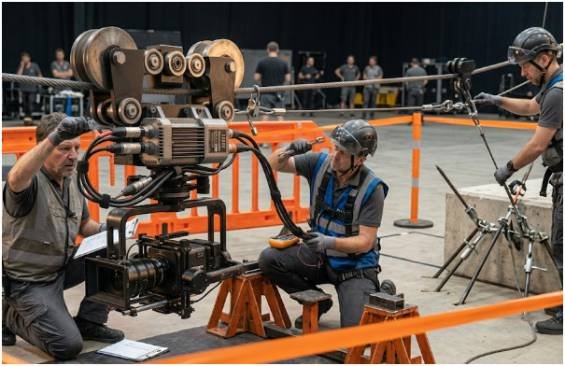
A specialized movement system can create repeatable travel, extend a camera’s reach, and provide angles that conventional support equipment cannot easily capture. Remote operation may also keep the operator away from the moving platform.
The limitations are equally significant. Older equipment may lack support, documentation, replacement parts, current wireless controls, or compatibility with modern stabilized heads. Storage history can also affect cables, batteries, electronics, lubricants, and structural components.
For that reason, aerioX should be treated as legacy production equipment until original documentation proves otherwise. It should not be promoted as a currently supported system or recommended for overhead operation based only on archived photographs.
Frequently Asked Questions
1. Is aerioX a cable-camera system?
Its PhotoShip One context suggests a connection with professional camera movement, but the unavailable product page prevents a definitive classification.
2. Can I still buy the original equipment?
No active manufacturer listing or verified sales page was found. Used equipment may exist, but buyers should demand documentation, identification plates, and service history.
3. Is old camera-rigging equipment safe to use?
Age alone does not determine safety. A qualified professional must verify its condition, rated capacity, configuration, anchors, controls, and applicable regulations.
4. What can replace a discontinued movement system?
Depending on the shot, modern cable cameras, dollies, sliders, cranes, stabilized remote heads, gimbals, or vehicle-mounted systems may provide suitable alternatives.
Final Frame: Don’t Let Mystery Gear Direct the Shoot
I find aerioX interesting because it reflects an earlier chapter of specialized camera movement. Yet curiosity cannot replace documentation. The original page leaves too many technical questions unanswered for a confident product recommendation.
Define the shot first. Then select supported equipment with traceable ratings, current documentation, and qualified rigging oversight. A spectacular moving image is never worth an improvised safety decision.