



I once believed that patience and a long lens were enough to capture secretive animal behavior. That assumption changed when I examined a remote filming project conducted in a protected temperate wetland. The crew needed intimate nocturnal footage without placing operators near the animals’ feeding corridor.
This case study of remote camera systems used for wildlife filming explores how careful scouting, motion triggers, weatherproof cameras and responsible field practices turned an unpredictable assignment into a successful sequence.
This is a representative case study constructed from documented professional practices rather than an account of one named commercial production.
The Wildlife Sequence the Crew Needed to Capture
The production’s goal was to record an elusive semiaquatic mammal leaving its shelter, moving through reeds and feeding beside shallow water. Previous attempts from a staffed hide had failed. Human scent, minor equipment noises and changes around the site appeared to influence the animal’s route.
A conventional telephoto position also flattened the environment and failed to show how the animal interacted with the wetland. The filmmakers wanted low, wide shots that placed the subject within its habitat. Leaving an operator beside the water overnight would have increased disturbance while exposing the crew and equipment to difficult conditions.
Remote cameras offered a better solution. They could remain concealed, record through the night and cover several possible routes simultaneously.
Planning the Remote Camera Network
Scouting Without Disrupting the Habitat
The crew began with several days of observation from outside the main activity area. They studied tracks, feeding remains, sheltered pathways and changes in water level. Existing animal trails were treated as movement corridors, but no equipment was placed directly against a shelter or suspected breeding location.
Four camera positions were chosen. Two covered narrow trails, one captured a wide view of the water’s edge, and another served as a backup overlooking the feeding area.
Selecting the Camera System
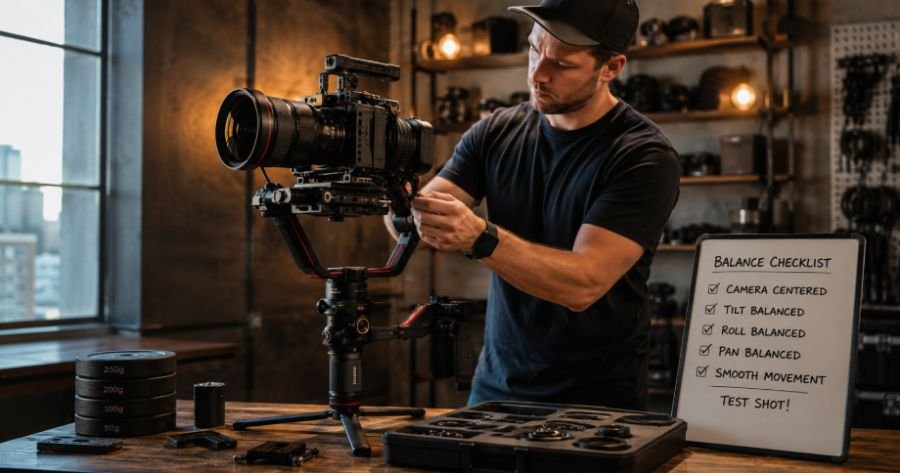
The principal units used compact 4K-capable mirrorless cameras with wide-angle lenses. Each camera was secured inside a weather-resistant housing with a clear optical port. Motion sensors were mounted separately so they could detect an approaching animal before it entered the ideal filming position.
The process was similar to learning how to design a rainproof home: every opening required protection, water needed a safe drainage path, and vulnerable components had to remain sealed against persistent moisture. The system also included large-capacity memory cards, external battery packs, moisture-absorbing material, low-glow infrared illumination and camouflaged supports. Short internal cables reduced the likelihood of disconnection or damage.
Consumer trail cameras were used during scouting, but not for the final sequence. Their smaller sensors, limited lens control and highly compressed video could document activity but did not consistently deliver the required production quality.
How the Cameras Were Triggered and Monitored
Passive infrared sensors detected changes in heat and movement. When activated, each sensor sent a signal to its camera, which began recording before the animal reached the centre of the composition. Recording continued for a predetermined period after movement stopped.
Remote monitoring confirmed battery condition, storage status and recent trigger activity. It did not eliminate field inspections, but it prevented unnecessary visits when every system was operating normally.
Solving Power, Storage and Weather Problems
Battery life was one of the project’s biggest constraints. Cold nights reduced available capacity, while excessive false triggers could exhaust a camera before the target animal arrived. External battery packs were insulated and positioned above expected water levels.
High-capacity cards allowed each unit to store numerous short 4K clips. The cameras did not record continuously. Triggered recording reduced power consumption and made the review process manageable.
Condensation created another risk. Temperature changes could fog an optical port even when rain never entered the housing. The crew used sealed cable openings, desiccant packs and shaded camera positions to control moisture. Equipment checks were conducted during periods when the animal was unlikely to be active.
Protecting Wildlife During Filming
Animal welfare shaped every technical decision. The crew avoided bait, audible signals and bright visible lights. Infrared illumination was tested conservatively, and cameras were repositioned if the footage suggested avoidance or unusual alertness.
No vegetation was removed merely to improve the frame. Loose cables were covered or secured, supports had no sharp edges, and every unit could withstand rain and minor contact without collapsing into an animal trail.
The crew also followed access restrictions and consulted people familiar with the habitat. Remote filming was never treated as permission to place equipment anywhere. The purpose was to reduce human presence, not transfer the disturbance to poorly positioned technology.
What Went Wrong in the Field
The first nights produced hundreds of empty clips. Wind-blown reeds repeatedly crossed one sensor’s detection area. Another camera captured the animal too late because its trigger faced across the trail instead of slightly toward the approach.
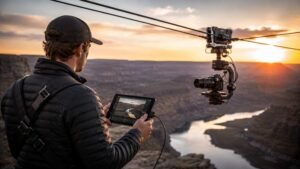
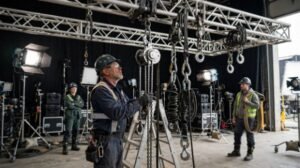
Moisture fogged one housing, insects reflected infrared light close to a lens, and a curious animal nudged a support, changing the composition without disabling the camera—challenges that require the same careful equipment protection associated with installing an aerial camera in stadium.
The crew narrowed the sensors’ detection zones, cleared no vegetation but adjusted angles, extended recording time and reinforced the supports. These changes reduced false triggers and increased the chance of recording a complete behavioral sequence.
The Final Filming Results
After several nights, the main camera captured the animal approaching through the reeds, entering the water and feeding naturally. A second angle recorded its return route, giving the editor visual continuity rather than one isolated clip.
The greatest success was not simply obtaining a close view. The footage preserved the relationship between the animal and its environment while showing no obvious reaction to the equipment. Multiple unattended positions also provided coverage that a single operator could not have achieved.
Lessons for Future Wildlife Crews
Remote wildlife filming succeeds when field knowledge guides the technology. More cameras do not compensate for poor placement, and higher resolution does not solve unreliable power or weak triggering.
Crews should test every housing, sensor and battery before deployment. They should plan for false triggers, condensation, storage limits and curious wildlife. Most importantly, they must be willing to move or remove equipment when an animal’s behavior indicates discomfort.
Frequently Asked Questions
1. What does a case study of remote camera systems used for wildlife filming reveal?
It shows how filmmakers combine scouting, camera placement, motion detection, remote monitoring, power management and wildlife protection to capture behavior without maintaining a constant human presence.
2. Can remote cameras produce broadcast-quality footage?
Yes. Mirrorless and cinema cameras can record high-quality 4K footage remotely when they have suitable lenses, reliable triggers, sufficient power, protected storage and properly designed housings.
3. How are remote wildlife cameras activated?
Common methods include passive infrared sensors, infrared beam triggers, scheduled recording and manual wireless activation. The right method depends on the species, habitat, shot and available power.
4. Do remote cameras disturb animals?
They can if they emit noticeable light or sound, block a route or require frequent human visits. Careful placement, conservative lighting and observation of animal reactions help reduce disturbance.
5. Why not use an ordinary trail camera?
Trail cameras are useful for scouting and behavioral monitoring. Professional productions may require larger sensors, interchangeable lenses, controlled exposure, higher bitrates and better low-light performance.
What the Cameras Ultimately Taught Me
I came away convinced that remote filmmaking is not about abandoning the camera operator. It moves the operator’s judgement to an earlier stage. Every decision about behavior, framing, power, weather and ethics must be made before the animal appears.
The strongest results come from combining technical preparation with restraint. When a system is quiet, reliable and responsibly placed, it can reveal behavior that a nearby crew might unintentionally change. That is what turns remote equipment from a simple recording device into a powerful wildlife storytelling tool.