



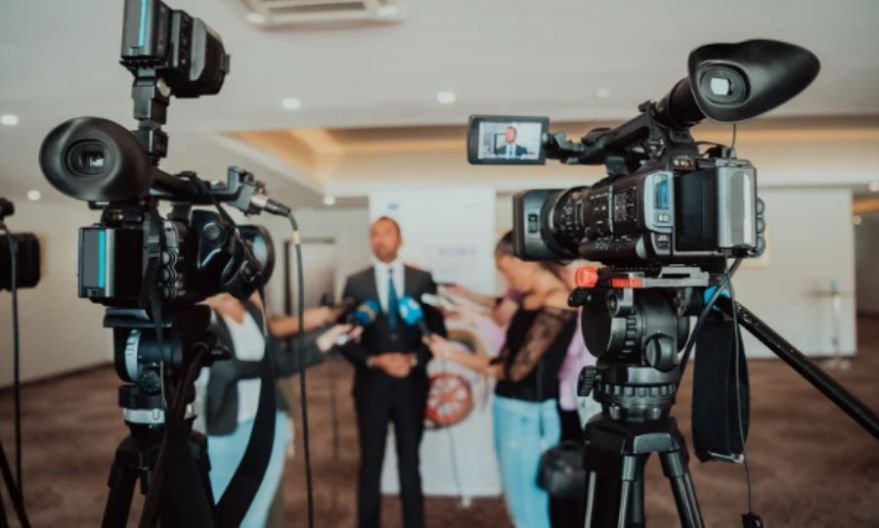
I love the energy a moving camera can bring to a concert, conference, performance, or sporting event. A well-executed tracking shot can carry viewers directly into the action instead of leaving them watching from a distance. However, live productions allow no second takes.
I have found that successful planning high-speed tracking shots for a live event production depends on preparation, communication, technical control, and a safe fallback—not simply an expensive camera stabilizer.
“High-speed” can describe following fast action or recording at a high frame rate for slow-motion replay. Some productions require both. The following process covers the creative and operational decisions needed to capture either type reliably.
Define the Purpose of the Tracking Shot
Every camera movement should serve the event rather than exist only because it looks impressive. First, decide what viewers should experience. A tracking shot might introduce a performer, follow an athlete, reveal a stage, capture an entrance, or connect the main action with an audience reaction.
Write the intended start frame, action, and end frame in the shot list. Also record the approximate duration and where the director can cut away. This prevents the operator from improvising a long movement that cannot be used cleanly in the live programme.
Study the Event Rundown
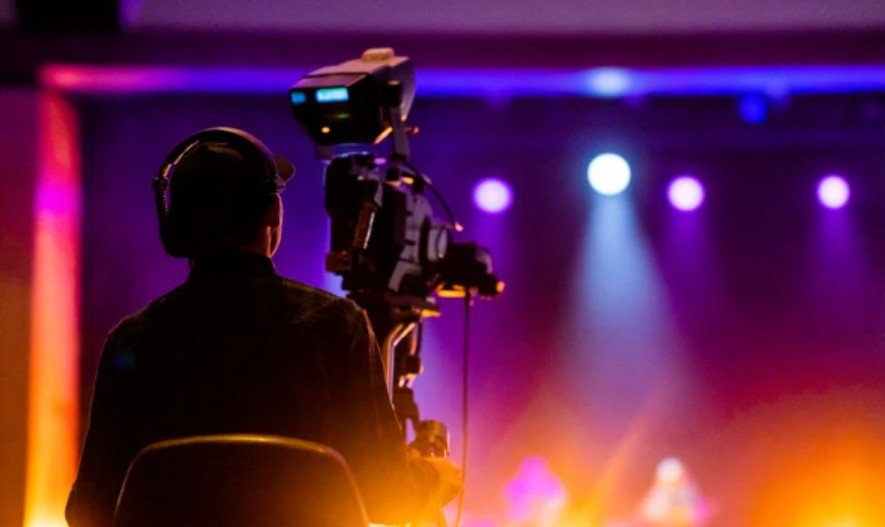
Review the complete event schedule with the director, stage manager, technical team, and relevant performers. Identify predictable moments when a human tracking robotic camera could capture rapid movement, dramatic entrances, stage changes, or crowd activity.
For every priority moment, note:
- Who or what the camera will follow
- Where the movement begins and ends
- The expected speed and direction
- Lighting changes during the move
- When the tracking camera becomes available
- Which camera supplies backup coverage
A moving camera should never be the production’s only view of an important moment. Maintain a locked wide or dependable long-lens shot that the director can use during repositioning, signal failure, or unexpected obstruction.
Scout and Measure the Camera Route
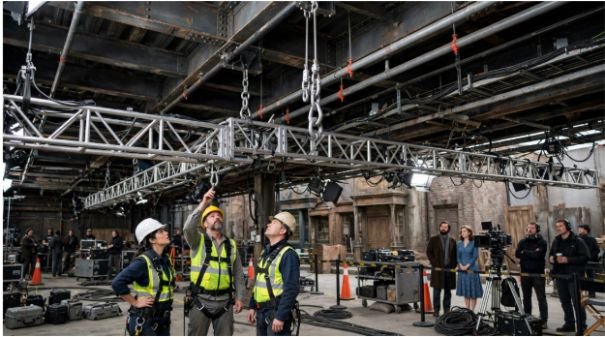
Walk the complete route at the actual venue. Photographs and open floor plans help, but they cannot reveal loose flooring, narrow turns, cable ramps, reflective surfaces, low light, vibration, or audience bottlenecks.
Mark the operator’s starting position, ending position, turns, speed changes, and abort points. Check whether doors, equipment cases, seats, decorations, or security barriers could obstruct the route once the venue is occupied.
Test the route while carrying the fully assembled rig. A path that feels easy without equipment may become difficult when the operator is managing a camera, monitor, transmitter, battery, and stabilizer.
Separate Camera, Talent, and Audience Paths
A high-energy shot must never compromise safety. Separate the camera route from performer entrances, audience walkways, emergency exits, and moving stage equipment wherever possible.
Use a trained spotter when the operator must move backward, sideways, through a crowd, near a stage edge, or across changing surfaces. The spotter should protect the route while the operator concentrates on framing.
Agree on an immediate abort signal. If someone enters the path or the operator loses balance, completing the shot should never take priority over stopping safely.
Choose the Right Camera Support
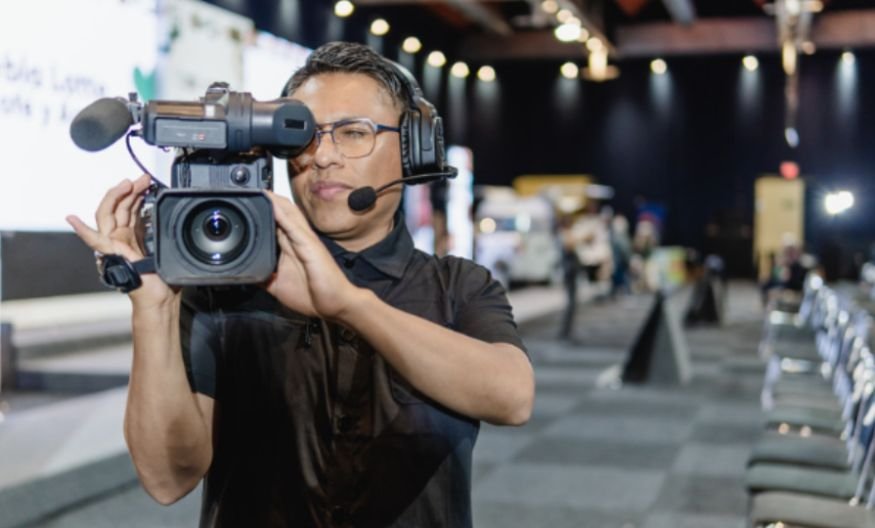
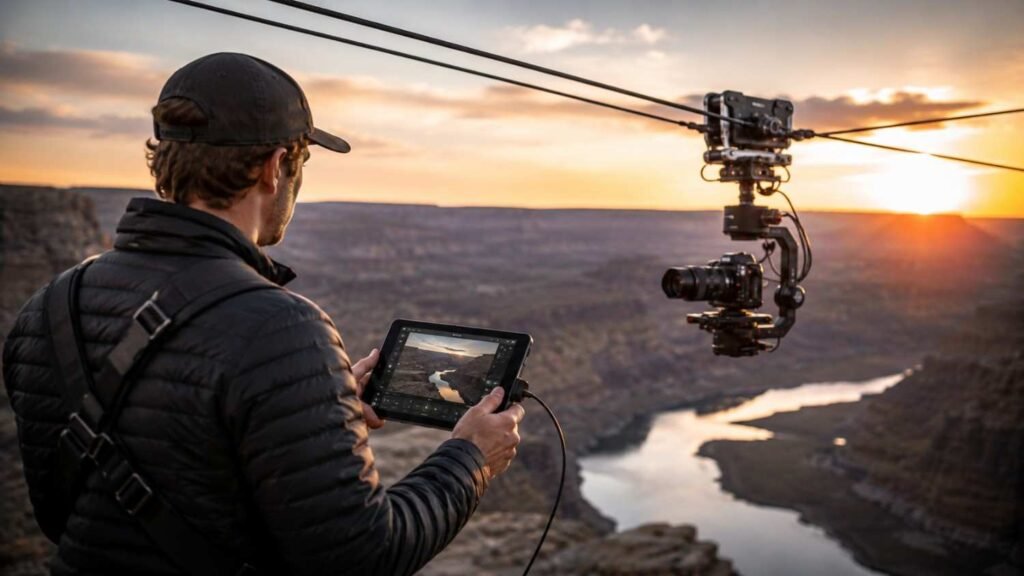
Match the support system to the route rather than choosing equipment based on appearance. For larger venues where overhead movement is part of the creative plan, the artistry behind cable camera system for concert venues shows how suspended camera systems can deliver sweeping, repeatable motion while keeping the camera path coordinated with performers, staging, and audience areas.
Gimbal
A gimbal works well for flexible routes, entrances, backstage movement, and quick changes in direction. Balance every axis carefully and test motor strength with the complete camera package.
Steadicam
A Steadicam provides fluid movement and avoids the electronic appearance sometimes produced by gimbals. It is valuable for longer moves but requires an experienced operator and enough preparation time.
Dolly or Rail System
A dolly creates repeatable movement on a controlled path. It suits stage edges and straight lateral shots but requires protected floor space and careful installation.
Handheld Camera
Handheld operation can suit energetic performances and crowded environments. It offers agility, although it demands disciplined technique to stop natural movement from becoming a distracting shake.
Learning how to get smooth handheld shots can help operators control body movement, maintain steadier framing, and follow fast action more effectively when a gimbal or dolly is not practical.
Select Camera and Lens Settings
Keep the moving camera’s resolution, colour profile, white balance, and standard live frame rate consistent with the other cameras. A wide or moderately wide lens usually provides more tolerance for sudden subject movement and operator error. Extremely long lenses magnify every vibration and make close tracking difficult.
Use continuous autofocus only after testing it under show lighting. Busy backgrounds, LED walls, smoke, costumes, and crossing performers can cause focus systems to select the wrong subject. For a predictable route, manual focus with rehearsed distance marks may be safer.
If high-speed footage is intended for slow-motion replay, confirm the required frame rate, shutter setting, lighting level, recording capacity, heat limits, and replay workflow. Higher frame rates require more light and data. They may also reveal flicker from LED lighting that looks normal at the standard programme frame rate.
Integrate the Shot Into Multi-Camera Coverage
Assign every camera a clear role. Understanding how cable camera systems work in live events can also help production teams decide how an overhead moving camera should fit alongside fixed, long-lens, handheld, and reaction cameras without disrupting coverage.
A sensible arrangement might include a protected wide shot, a long-lens camera for the main subject, a reaction camera, and the moving tracking camera.
The director should know when the moving camera is:
- Ready at its opening mark
- Safe to take live
- Beginning the planned movement
- Approaching its final frame
- Repositioning and unavailable
- Experiencing focus, signal, or route problems
Avoid taking the moving feed live before its frame is stable. The operator should settle the opening composition, confirm focus, and wait for the director’s cue.
Establish Reliable Communication
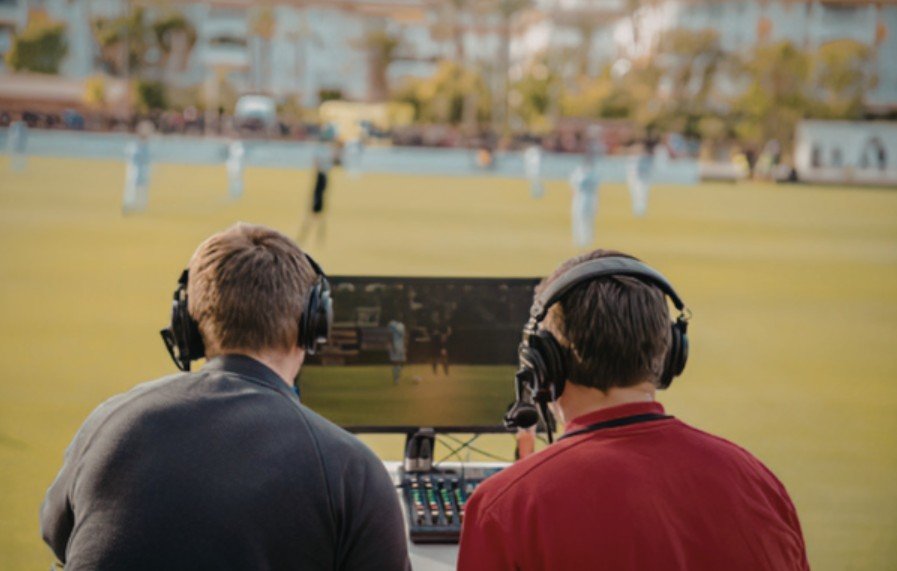
Use dependable intercom communication between the director, video editors and camera operator, stage manager, and spotter. Keep instructions short and consistent. Useful calls include “stand by,” “ready,” “take,” “move,” “hold,” “reset,” and “abort.”
Test tally lights, wireless video, intercom coverage, and transmission latency throughout the entire route. A system that works beside the control desk may fail backstage, behind scenery, or among a large crowd.
Rehearse Under Real Conditions
Rehearse at the expected performance speed with final lighting, screens, haze, sound equipment, and stage positions whenever possible. Practice the primary shot and its failure response.
During each rehearsal, check subject framing, focus transitions, operator pace, wireless stability, background distractions, and the final landing frame. Record the rehearsal and review it with the director instead of relying on memory.
Complete the Final Safety and Technical Check
Before the event begins, verify rig balance, lens security, battery capacity, media space, transmitter attachment, intercom function, exposure, focus mode, and route clearance. Remove unnecessary accessories that add weight or introduce failure points.
Protect cables, confirm emergency exits remain open, and ensure venue staff understand the camera path. A clean technical plan allows the creative movement to feel spontaneous while remaining controlled.
Frequently Asked Questions
1. What is the first step in planning high-speed tracking shots for a live event production?
Start by defining the purpose, opening frame, subject movement, ending frame, and backup coverage. These decisions determine the route, equipment, crew, and rehearsal requirements.
2. Should a gimbal always be used for fast tracking shots?
No. A gimbal is flexible, but a Steadicam, dolly, rail system, or controlled handheld rig may suit the venue and desired visual style better.
3. What frame rate is best for fast live action?
Use the production’s standard frame rate for the main live feed. Choose a higher frame rate only when slow-motion replay is required and the lighting, camera, storage, and replay system support it.
4. How can a moving camera be used safely in a crowd?
Create a protected route, use a spotter, establish abort points, coordinate with venue personnel, and keep emergency exits unobstructed.
5. Why is a backup camera necessary?
The moving camera may lose focus, encounter an obstruction, drop its wireless signal, or need time to reset. A protected wide or long-lens camera maintains uninterrupted coverage.
Final Take
I believe the best tracking shots feel exciting precisely because the preparation remains invisible. When I define the purpose, map the route, protect the operator, coordinate the cameras, test the technology, and rehearse realistic movement, the result feels natural rather than risky.
Careful preparation turns a difficult moving shot into a dependable part of the live production—and gives the director confidence to use it when the biggest moment arrives.