


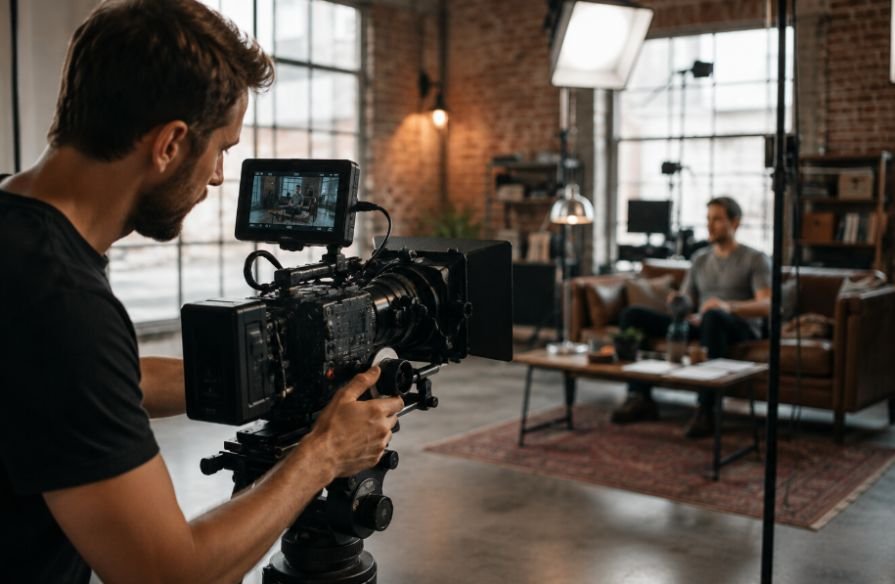
I used to think choosing a cinema camera came down to one question: how much resolution can it record? Real-world shooting changed my mind. A camera can capture an enormous image and still make a difficult scene harder to expose, grade, or manage.
What matters on an indie set is how the camera behaves when conditions are less than perfect. A window can blow out while a face sits in shadow. Those situations make dynamic range, color science, codecs, cooling, and ergonomics more useful than pixel count.
Resolution Is Only One Piece of the Picture
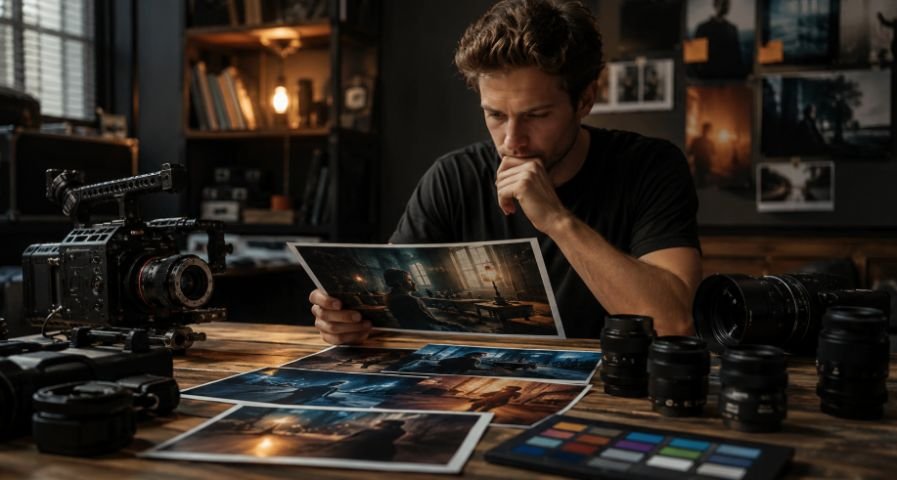
High resolution helps with reframing, visual effects, or multiple delivery formats. But resolution does not automatically create a cinematic image. Highlight and shadow retention can matter more when lighting is uncontrolled.
Dynamic range matters because indie filmmakers often work in practical locations. Strong highlight retention can preserve detail around a bright window while keeping information in darker areas, giving the colorist more room.
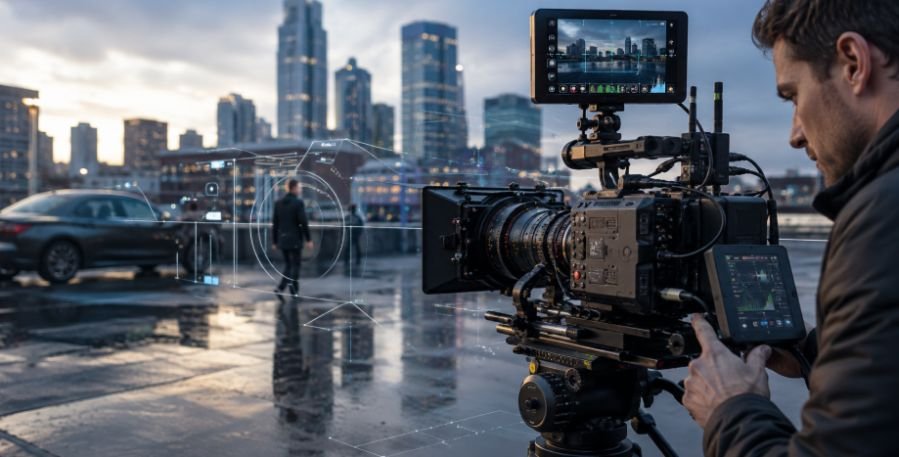
A practical test is to think through a difficult scene before choosing. Picture an interior with a bright window, moving actors, and only one operator. The useful camera is the one that gives the operator exposure information, enough latitude for the grade, dependable recording, and an easy way to move through the scene. That matters more than a specification.
Color Science and Codecs Matter in Post
Color science affects how skin, highlights, and saturated colors respond before grading. Natural skin tones are especially important in narrative filmmaking.
RAW and high-bitrate formats preserve useful image information, but they demand more storage and processing power. The smartest choice is the format the production can comfortably shoot, back up, edit, and archive.
Think About the Entire Camera Package
The camera body is only the center of the system. Lenses, batteries, media, filters, support, monitoring, audio, and rigging can quickly become a larger investment.
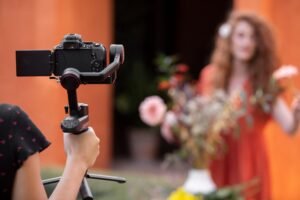
For productions that rely on moving support systems, understanding how to balance camera on gimbal trolley systems for tracking can help crews build a steadier package, reduce unwanted movement, and keep tracking shots more controlled.
A less expensive body paired with better glass can make more sense than putting the budget into resolution. A good lens influences contrast, flare, depth of field, focus behavior, and image character.
Built-in ND filters can be valuable because they let cinematographers maintain a chosen c as outdoor light changes.
Match the Camera to the Production
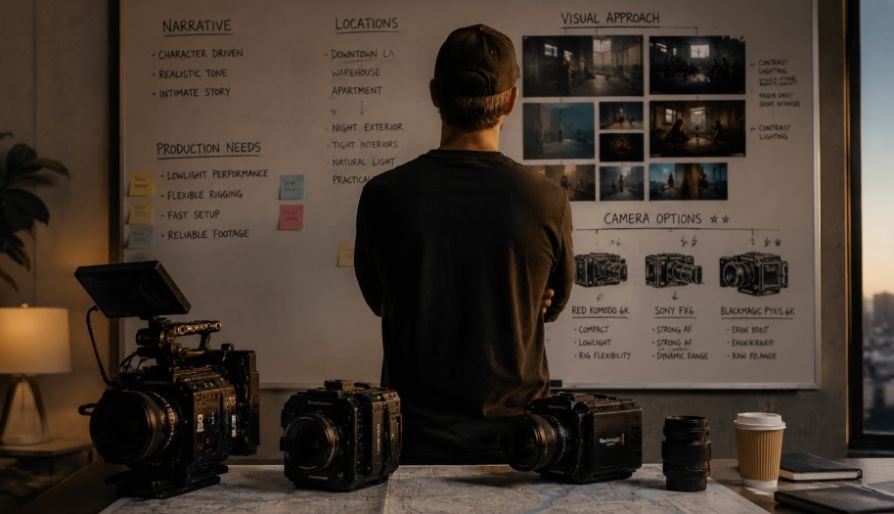
The best professional cinema cameras for indie films are not necessarily the largest or most expensive. A compact body can suit small crews, handheld movement, cramped locations, or fast company moves.
Camera choice also affects how confidently a cinematographer can execute slow push-ins, tracking shots, POV movement, and controlled handheld work. Understanding how to build suspense with camera movement can help filmmakers choose a camera package that supports deliberate motion without distracting from performance or tension.
Documentary and run-and-gun work may prioritize autofocus, stabilization, battery efficiency, and manageable weight.
A camera designed around a flexible production workflow can also reduce the amount of equipment a small crew needs to carry. That can make setup faster and leave more attention for blocking, lighting, and performances.
Sensor Size and Lens Choice Still Matter
Full-frame cameras offer a wide field of view and shallow depth of field, but larger sensors are not automatically better. Super 35 remains practical and works with a broad range of lenses.
The lens ecosystem should influence the decision. If a filmmaker already owns reliable Super 35 lenses, switching formats can create unnecessary costs. Spending that money on lighting, sound, or production design may produce a more noticeable improvement on screen.
This is also where open gate cinema cameras can become useful. Recording a taller sensor area gives filmmakers more flexibility when framing for different delivery formats, including widescreen and vertical versions.
Reliability Is a Creative Feature
A camera that overheats during a long take is not professional enough for that production. Active cooling and sensible thermal design help during extended shooting days.
Ergonomics matter in the same practical way. Modular bodies can accept V-mount batteries, follow-focus motors, monitors, and transmitters. Good mounting options keep a rig organized and reduce improvised adapters.
Storage deserves the same attention. High-resolution RAW footage can create enormous data loads, so an indie production needs a backup plan before the first take. Fast cards, SSDs, and redundant copies add cost, but losing footage costs far more. A camera choice should always include a post-production plan.
Buy for the Film, Not the Spec Sheet
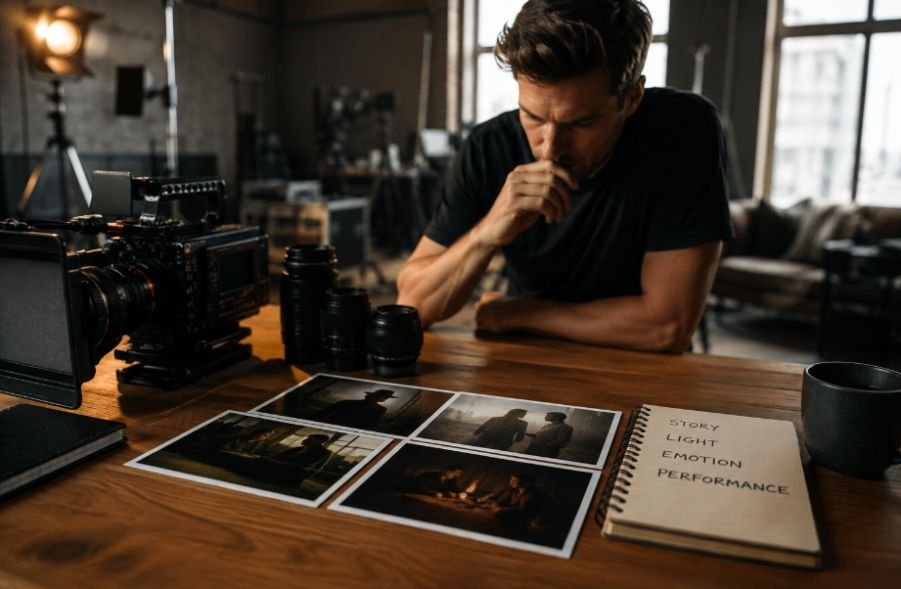
Before buying, calculate the complete production package. Include lenses, cards or SSDs, batteries, ND filters, support, audio, monitoring, and storage. Then consider how often it will be used.
Renting can be smarter for a single feature or demanding shoot. Buying makes more sense when the camera will earn its place across many projects.
The goal is not to find the camera with the longest specification sheet. It is to find the system that lets the crew expose accurately, capture flexible files, move efficiently, and finish the film without unnecessary technical headaches.
Frequently Asked Questions
1. Is resolution the most important camera feature?
No. Dynamic range, color science, codec quality, exposure tools, reliability, and lens compatibility can have a greater effect on production results.
2. Do indie filmmakers need RAW?
Not always. RAW provides substantial grading flexibility, but a strong compressed codec can be easier to manage when storage, editing power, or turnaround time is limited.
3. Are full-frame cameras better for indie films?
Not automatically. Full frame offers useful depth-of-field and field-of-view options, while Super 35 can provide excellent cinematic results and broad lens compatibility.
4. Should an indie filmmaker buy or rent?
Renting often makes sense for one-off productions or specialized projects. Buying can be worthwhile when the camera will be used regularly across multiple shoots.
The Camera Should Serve the Story
A professional camera earns its place on an indie production by making filmmaking more dependable, not simply by producing a larger file. When exposure tools are trustworthy, colors grade smoothly, recordings survive demanding schedules, and the camera works comfortably with the crew, technology starts disappearing into the background. That is exactly where it should be.
The best camera is the one that gives filmmakers fewer technical problems and more freedom to concentrate on performances, lighting, movement, and story. Image Resolution has its place, but it should never be the only reason a camera makes the production list.