



A character hears one sentence, and suddenly the room feels different. The camera begins to creep closer. The background falls away. No one explains the emotion, yet the audience feels the shift instantly. That is the power of camera movement for emotional scenes. I use movement not simply to make a shot look cinematic, but to control distance, tension, vulnerability, and connection.
A slow push can pull viewers into a realization, a retreat can make loneliness feel enormous, and a perfectly still frame can make grief almost impossible to escape. When movement follows the character’s emotional state, the camera stops observing the story and starts helping the audience feel it.
How Does Camera Movement Affect Audience Emotion?
Camera motion changes the viewer’s relationship with a character. Moving closer can feel intimate. Pulling away can make someone appear abandoned. Unstable motion can create fear, while a locked frame can make grief feel cold and inescapable. I treat cinematic movement as visual storytelling, not decoration.
What Camera Movement Creates Intimacy and Realization?
Why Does a Slow Dolly-In Feel So Personal?
A slow dolly-in physically moves the camera toward the actor. As the frame tightens, environmental distractions fall away and attention shifts toward the character’s face and subtle reactions.
I use this push-in for monologues, tragic realizations, confessions, shocking news, and moments when stakes become personal. A gentle move can create intimacy, while a faster push can suggest urgency or impending doom. Starting the move when a character understands the truth often feels stronger than moving continuously.
What Camera Movement Shows Isolation and Helplessness?
Why Does a Slow Dolly-Out Make a Character Feel Alone?
A slow dolly-out retreats from the subject and reveals more of the environment. As the character becomes smaller in the frame, the shot can communicate loneliness, abandonment, defeat, or lack of control.
I find it especially effective after a breakup, death, failure, or realization that the character must face something alone. Negative space becomes part of the visual storytelling, making an empty room, hallway, parking lot, or landscape feel emotionally significant.
How Can Handheld Tracking Create Anxiety?
When Should You Use Controlled Handheld Movement?
Handheld tracking introduces organic human imperfections that mechanical stabilizers remove. Small shifts and unpredictable framing can create urgency, vulnerability, fear, and a raw documentary feeling.
Understanding what is a tracking shot also helps filmmakers decide how closely the camera should follow a character, how much environmental movement to reveal, and whether the shot should feel smooth, urgent, or deliberately unstable.
I use it for panic attacks, heated arguments, domestic conflict, chase situations, or fight-or-flight reactions. I avoid shaking the camera simply to manufacture intensity. Controlled instability is more convincing: a lightly drifting frame suggests unease, while stronger movement communicates chaos.
This distinction is important for American indie productions where handheld cinematography is often chosen for both creative and budget reasons. The shot should feel intentionally unstable, not technically uncontrolled.
What Does a 360-Degree Arc Shot Make Viewers Feel?
Can an Arc Shot Feel Romantic and Disorienting?
Yes. Speed determines much of its emotional meaning.
A slow 360-degree arc can make two characters feel separated from the world around them, which works well for romance, connection, or emotional transformation. A fast arc can create vertigo, confusion, tension, or the impression that a character’s world is collapsing.
I use arc movement when the relationship, power dynamic, or psychological state is actively changing. Circling actors without an emotional reason can quickly turn cinematic movement into a visual gimmick.
When Is a Static Camera More Emotional Than Movement?
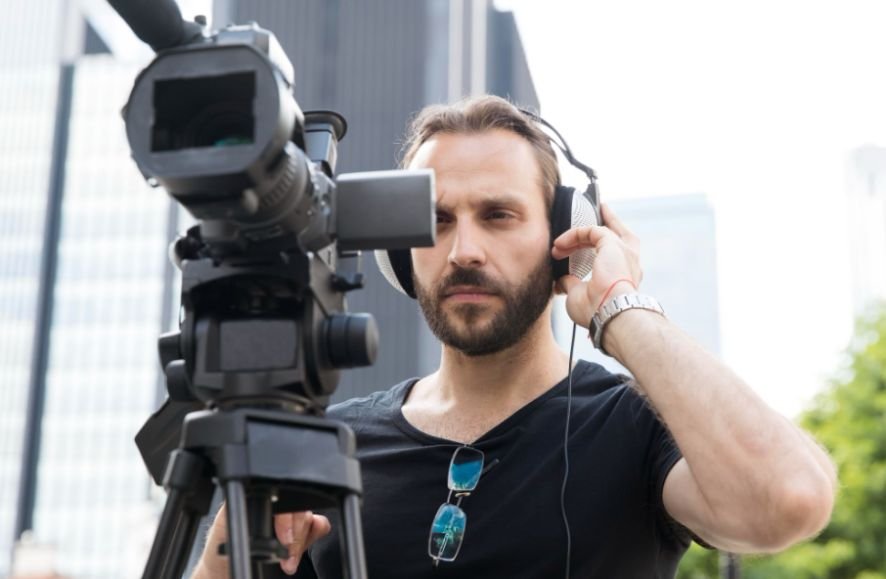
Why Does Stillness Work for Grief and Numbness?
Sometimes refusing to move the camera is the strongest choice.
A locked-off shot can reflect emotional paralysis, depression, emptiness, loneliness, or profound grief. If a character breaks down and walks out of frame while the camera remains frozen, viewers are left with the cold reality of the space.
Stillness becomes especially powerful when surrounding scenes use frequent motion. Effective camera movement for emotional scenes therefore includes knowing when movement would weaken the performance.
Why Does a Dolly Zoom Create Panic and Internal Shock?
How Does the Vertigo Effect Distort Reality?
The dolly zoom combines physical camera movement with an opposite lens zoom. The camera may dolly forward while zooming out, or retreat while zooming in. The subject stays roughly the same size, but the background appears to stretch or compress.
That distortion creates an out-of-body sensation, making the technique useful for dread, panic, shock, psychological disorientation, or the instant a character realizes something terrible.
The famous Jaws example remains a strong reference because the effect turns internal fear into something viewers can almost physically feel. Because the Vertigo effect is highly recognizable, I prefer using it only when the emotional moment genuinely deserves that level of visual emphasis.
How Do Speed, Lenses, and Blocking Change the Emotion?
The same camera motion can communicate completely different emotions depending on execution. A slow pan can feel observational, while a whip pan can create surprise or chaos. Smooth tracking can create confidence and immersion; shaky tracking can generate anxiety.
Lens choice changes the experience too. Wider lenses exaggerate movement through space, making a push feel immediate or uncomfortable. Longer lenses compress space and can make movement feel restrained.
Actor blocking matters just as much. If a character physically and emotionally walks away, I may let them leave the frame instead of following. If two people reconnect, gradually moving closer can reinforce their intimacy.
What Camera Movement Mistakes Weaken Emotional Scenes?
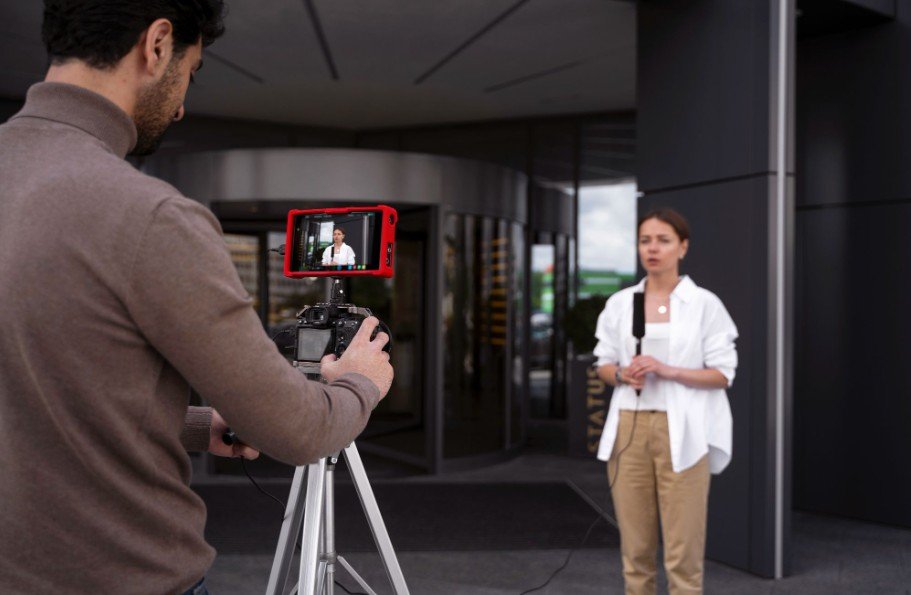
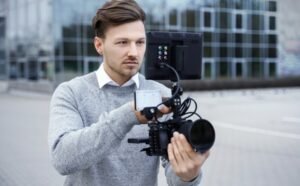
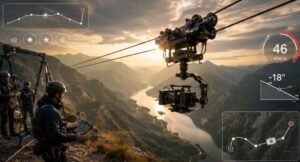
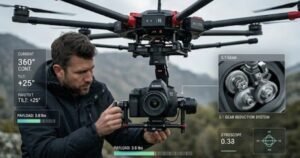
The most common mistake I see is moving because the equipment allows it. A gimbal, dolly, slider, Steadicam, robotic rig, or handheld setup gives filmmakers enormous freedom, but movement without motivation becomes visual noise.
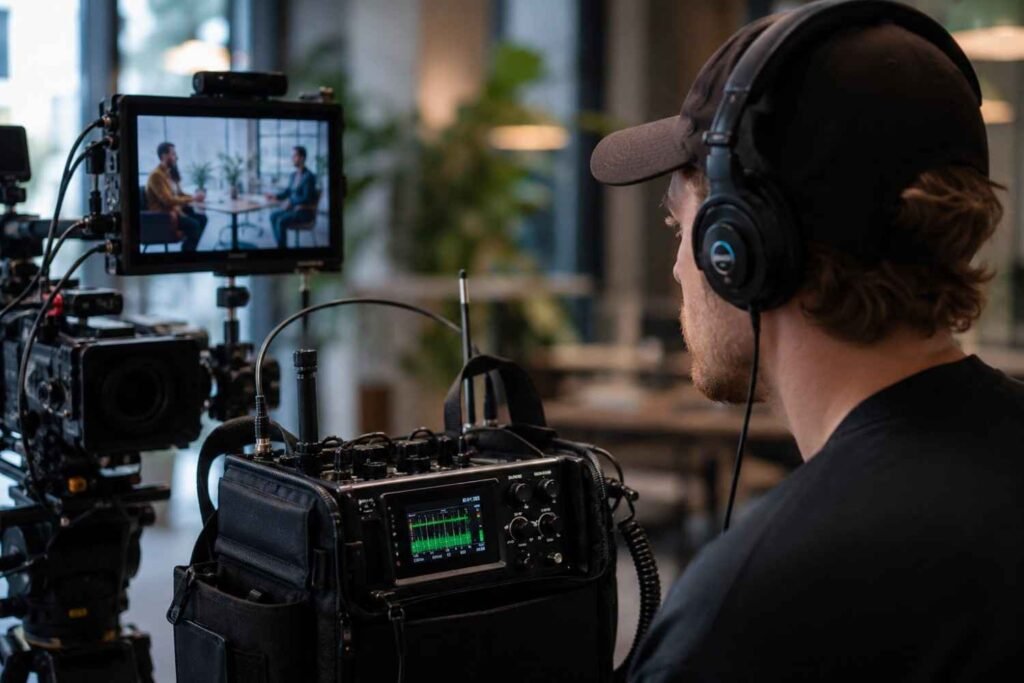
Technical reliability matters as much as creative motivation. Crews should also know how to fix camera video signal loss so monitoring, wireless transmission, and communication problems do not interrupt carefully planned camera movement during an emotional take.
Another mistake is repeating the same emotional cue. If every realization gets a slow push-in and every argument becomes handheld, neither technique feels special anymore.
Contrast gives cinematic techniques their power. Stillness can make the next movement feel significant, while subtle motion makes a dramatic camera move feel earned.
Frequently Asked Questions
1. What camera movement creates intimacy?
A slow dolly-in or subtle push-in works well because it gradually reduces the emotional distance between the viewer and the character while directing attention toward facial expressions and reactions.
2. What camera movement creates sadness or loneliness?
A slow dolly-out or static composition can emphasize isolation, negative space, numbness, abandonment, or helplessness. Which one works best depends on whether you want viewers to move away from the character or remain trapped with them.
3. What camera movement creates anxiety?
Controlled handheld tracking, unstable following shots, fast pans, and deliberately disrupted perspective can create urgency, uncertainty, fear, and psychological instability.
4. Should every emotional scene use camera movement?
No. A locked-off shot can be more powerful when movement would distract from the performance. In scenes involving grief, shock, or emotional paralysis, stillness can become the strongest visual choice.
How Should You Plan an Emotional Camera Move?
I identify the character’s psychological state at the beginning and end of the scene. Then I ask whether viewers should feel closer, farther away, more stable, more vulnerable, more aware of the environment, or more trapped inside the character’s perspective.
For conversation-driven sequences, planning camera movement for dialogue scenes can help connect these emotional shifts with actor blocking, changes in power, reactions, and the rhythm of the exchange.
From there, I test direction, movement speed, focal length, framing, actor blocking, and the precise moment when the camera should begin or stop.
The best camera movement for emotional scenes rarely calls attention to itself. When camera direction, performance, lens choice, sound, framing, and editing point toward the same emotion, the camera becomes part of the storytelling instead of a technical distraction.