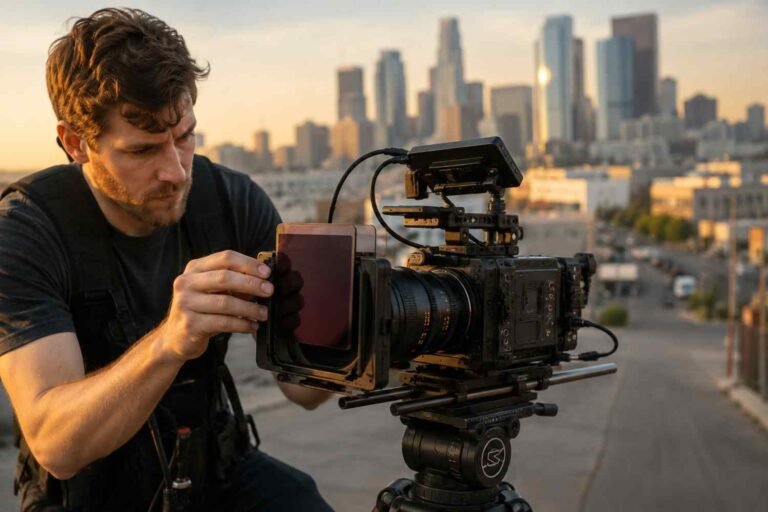
A camera glides beside an actor, slips through a doorway, then pushes closer just as the emotion peaks. To the audience, it feels effortless. Behind the shot, however, the movement may involve very different techniques. That is why dolly shot vs tracking shot remains one of the most commonly confused comparisons in filmmaking. Both can […]
I have always found that the most memorable film shots rarely come from comfortable studios. They happen on narrow roads, moving vehicles, exposed landscapes and locations where conventional production equipment becomes a burden. While studying how a crew filmed in a difficult location using custom camera rigs, I discovered that the real breakthrough was not […]
I’ve learned that a camera can be ready to roll long before the operator is actually ready to shoot. Delays often come from changing support, mounting a monitor, moving a handle, reconnecting power, or rebuilding the setup for the next shot. A well-planned modular camera rig setup removes much of that friction without turning the […]
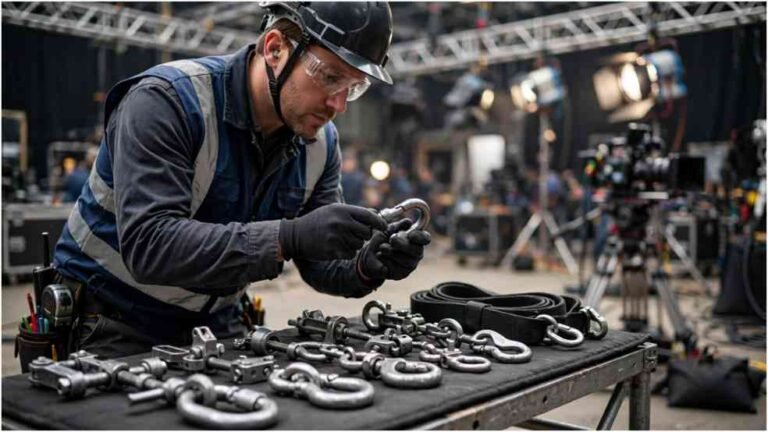
A film set overhead rigging load calculation can look safe on paper and still fail at one connection. The mistake I avoid is treating the rig as one total weight. The load travels through fixtures, clamps, truss, slings, shackles, hoists, anchors, and structure. I treat each part as a separate limit. Calculate the force at […]
Cutting cable sag in half can roughly double the horizontal tension in the line. That is the first thing to understand before anyone reaches for a winch. If you are learning how to calculate cable cam tension, the goal is not to make the line look perfectly straight; it is to preserve clearance while staying […]
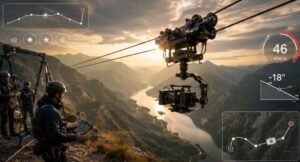
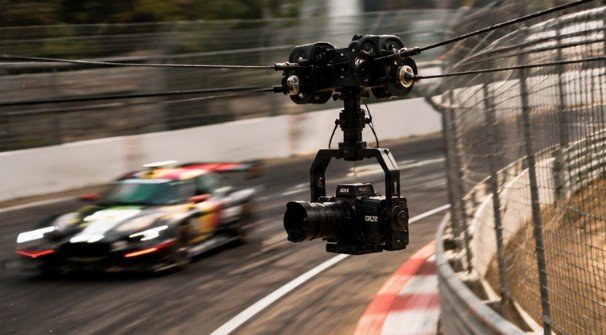
I have always found that the most memorable outdoor footage comes from placing a camera where viewers do not expect it. Drones can create impressive aerial views, but they are not suitable for every location or shot. This representative production scenario examines how a small filming team used a cable camera to follow an athlete […]
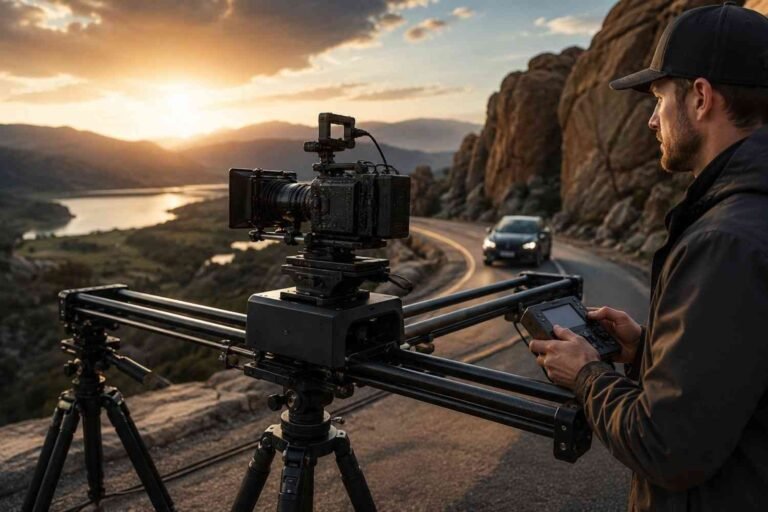
A great tracking shot can make the camera feel almost invisible. Instead of watching a scene from the outside, the viewer moves with it—following a character through a crowded hallway, racing beside an athlete, or gliding into a moment before the audience even realizes the camera has changed position. When I think about how to […]
I used to think choosing a cinema camera came down to one question: how much resolution can it record? Real-world shooting changed my mind. A camera can capture an enormous image and still make a difficult scene harder to expose, grade, or manage. What matters on an indie set is how the camera behaves when […]
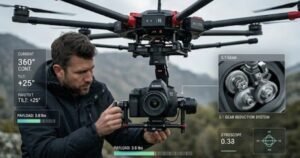
Hollywood cinematographers rely on a simple truth of camera movement: floating through 3D space along a physical line creates a visceral sense of speed that even $100,000 heavy-lift drones cannot replicate. Drones push air around, making them noisy, vulnerable to wind sheer, and prohibited over packed stadium crowds or dense forest canopies. A suspended wire […]
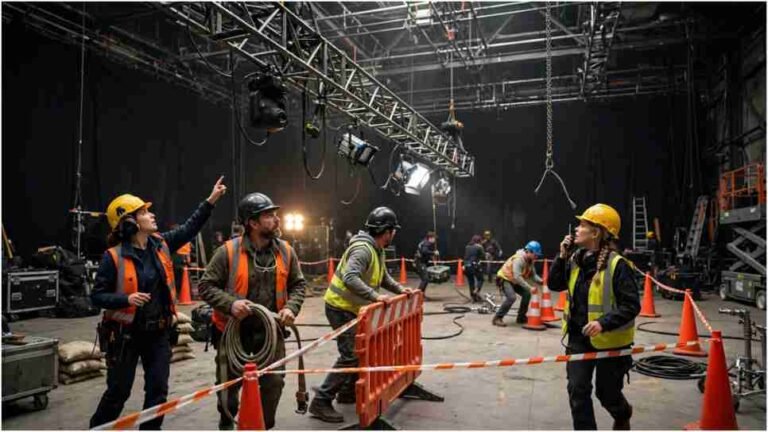
A camera can be replaced. A failed overhead point can change a production in seconds. When I assess safe rigging anchor points for film production, I use one rule: if the structure, rating, load direction, or connection is unverified, I do not treat the point as usable. Film rigs combine expensive equipment, moving loads, tight […]