



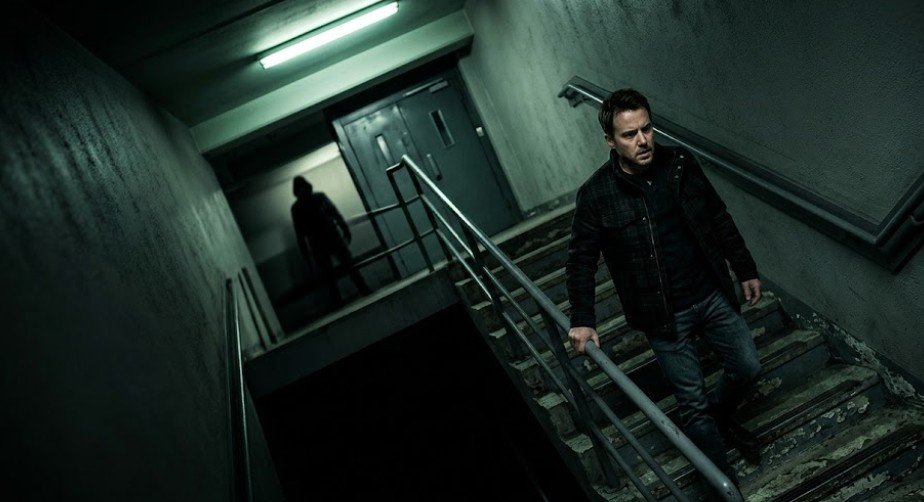
Walking into a pitch black room always makes your chest tighten up instantly. You know nothing is actually there, yet your brain screams at you to watch out. Filmmaking operates on that exact same wave of psychological vulnerability.
Directors do not just capture actors speaking words; they manipulate the physical space to control exactly how stressed out the audience feels. While standard blocking tells the story, mastering the camera movements to create tension is what leaves people aggressively biting their fingernails in the theater.
Why Visual Panic Matters
Every filmmaker needs to understand that boring, static shots are the ultimate buzzkill for a psychological thriller movie. Learning how to master camera movements to create tension is completely necessary because it acts as your secret visual sauce to turn a simple script into an absolute emotional rollercoaster ride.
If you skip this step, your audience will end up looking at their phones instead of sweating bullets over your climax.
The beautiful truth is that you do not need a multi-million dollar studio budget, a massive crew, or high-end mechanical cranes to pull this off on your next indie set.
You simply need to understand the deep emotional cues that turn a basic structural camera adjustment into an absolute engine of pure cinematic dread. Let us break down exactly how you can weaponize your frame to keep viewers locked on the edge of their seats.
The Subtle Psychology of Visual Anxiety
Every single frame you compose sends an unspoken, direct message straight to the viewer’s subconscious mind.
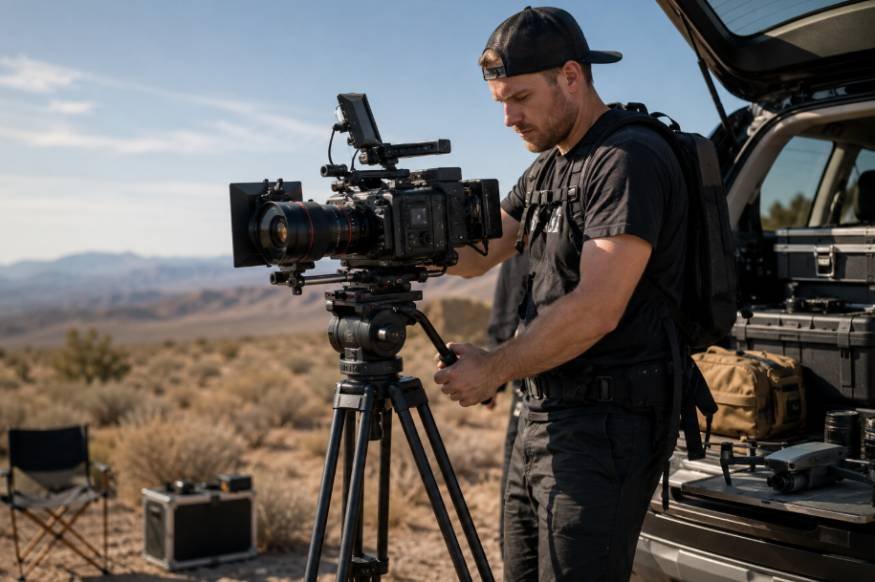
Building a dependable rig with the best camera cage accessories for filmmaking rigs helps maintain controlled movement, giving filmmakers the precision needed to create subtle psychological tension without unwanted camera shake.
The Power of Restraint
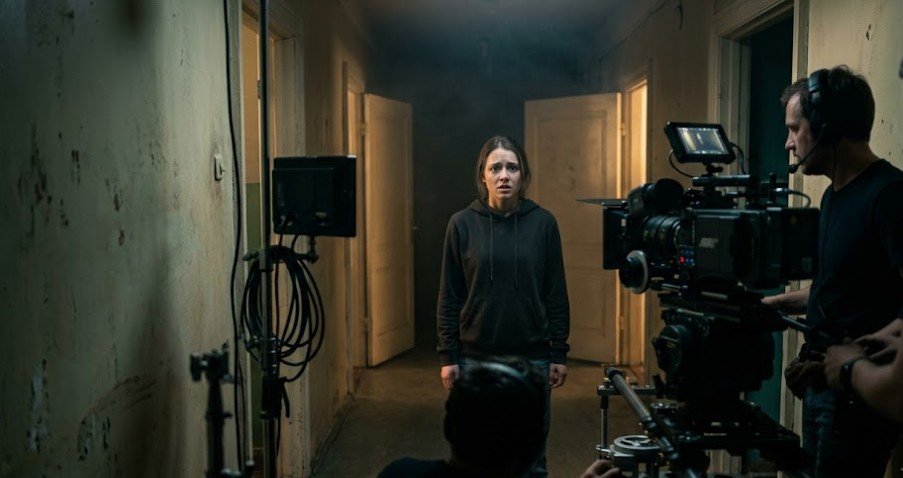
When you choose to keep the frame incredibly still or move it only a tiny fraction of an inch, you trigger a low grade, persistent anxiety. Most novice filmmakers make the mistake of shaking the camera frantically the second a scene gets intense.
Master directors do the exact opposite by locking down the tripod or executing a tracking shot that feels completely cold, calculated, and detached. This utter lack of human empathy from the camera lens forces the audience to feel like they are watching an unstoppable, inevitable trap close in on the character.
Breaking Visual Expectations
Human beings naturally seek out visual patterns, geometric balance, and clean framing to feel safe. By introducing unmotivated camera movement, meaning the frame shifts without an actor initiating the action, you tell the audience that a hidden, external force is controlling the environment.
Panning slowly toward an empty, dark hallway implies that someone or something is lurking right outside the frame, completely shifting the narrative power dynamic without a single word of dialogue.
Master Camera Movements for Tension
To create tension, use deliberate camera movements like the slow push-in to build anticipation, unstable Dutch angles to disorient the audience, and trailing handheld shots to mimic the feeling of being stalked. These technical choices manipulate the viewer’s proximity and perspective to evoke unease.
1. The Slow Push-In
Instead of moving abruptly, physically move the camera slowly and smoothly toward a character or an object. This forces the audience into a state of intimacy and anticipation, heightening the emotional weight of a realization or a looming threat.
The gradual narrowing of the frame strips away the safety of the surrounding environment, leaving the character visually trapped.
2. The Push-In POV
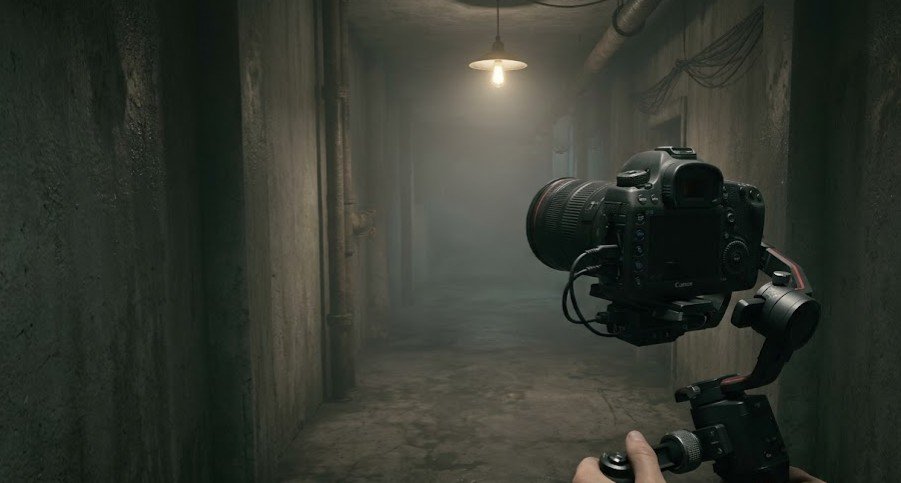
Place the camera in a character’s point of view and push slowly or rapidly toward a subject or an empty hallway. This puts the audience directly in the shoes of the character, forcing them to confront whatever danger or surprise lies ahead. By removing the safety barrier of the third person perspective, the viewer becomes an active participant in the growing terror.
3. Trailing Handheld Shots
Follow a character tightly from behind with a handheld camera. This creates a voyeuristic, shadow like effect that mimics the feeling of being stalked or hunted. The subtle, organic shake of the handheld smartphone or camera rig adds subconscious anxiety and vulnerability, reminding the audience that someone else is controlling the space.
4. Dutch Angle or Rolling
Tilt the camera on its roll axis to break standard horizon lines. This deliberately disorients the audience, making them feel like something is fundamentally wrong with the scene, which is perfect for scenes involving madness, confrontation, or immediate danger. The broken physics of the frame reflect the psychological collapse of the characters on screen.
5. The Jaws Dolly Zoom
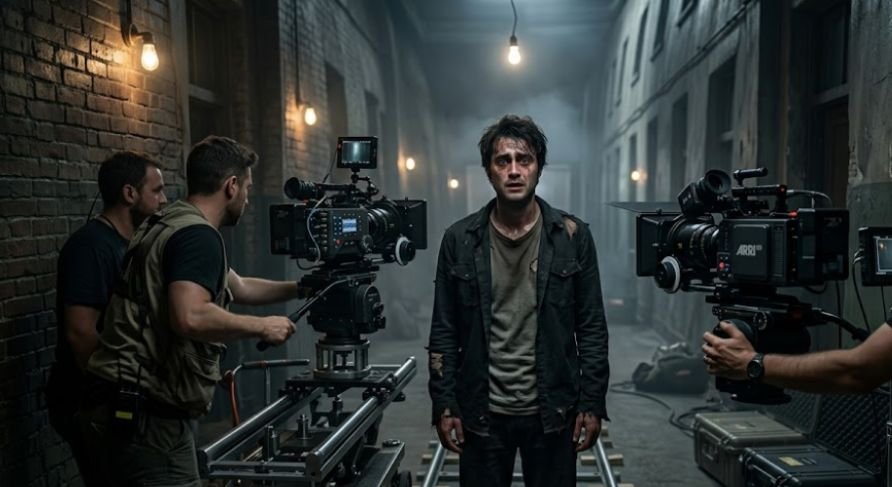
Simultaneously push the camera physically closer to your subject while zooming out. This creates the iconic vertigo effect where the background seems to warp and stretch away from the subject, letting anxiety warp perception, visually representing sudden panic, dread, or psychological breakdown. It acts as an instant visual shorthand for the exact moment a character realizes their safety is completely gone.
Frequently Asked Questions
1. What techniques are used to create tension?
Filmmakers use slow unmotivated push-ins, claustrophobic tight framing, extreme low angles, and Dutch tilts to create tension. Combining these moves with dark shadows and ticking audio cues forces the audience to expect immediate danger.
2. What are the 7 basic camera movements?
The seven fundamental movements are the pan, tilt, zoom, dolly, truck, pedestal, and roll. Mastering these structural variations allows you to smoothly guide the audience’s eyes across the screen to optimize camera movements to create tension.
3. How can you use your movement to create suspense?
Move the frame slowly and separate it entirely from the character’s actions. Revealing empty space or hidden elements through an unmotivated tracking shot makes viewers feel like a dangerous threat is actively watching the scene unfold.
4. What is the 60/30/10 rule in filmmaking?
This rule states that sixty percent of a scene’s visual tone comes from production design, thirty percent from intentional lighting choices, and ten percent from the precise camera movements that tie the narrative story together.
Drop the Mic and Start Filming
Mastering the exact camera movements to create tension is the definitive secret to upgrading your filmmaking style from basic home videos to unforgettable, professional cinema. By focusing heavily on slow restraint, unmotivated framing choices, and smart budget friendly rigs, you can easily control the psychological pulse of your entire audience.
Pick up your camera gear, experiment with these visual techniques, and start making your viewers sweat.