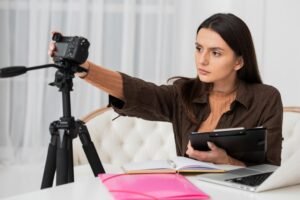
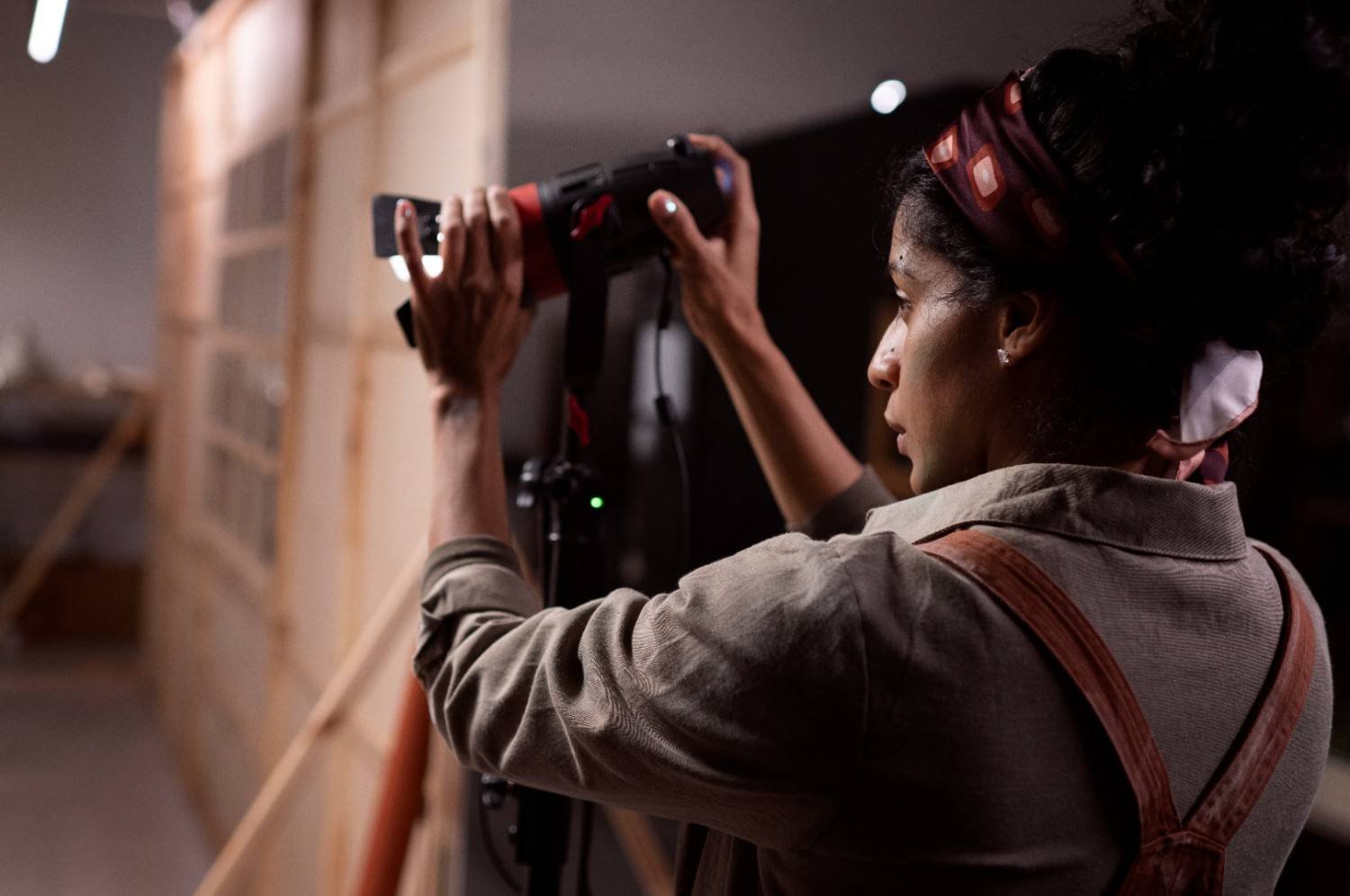
A cramped apartment, narrow hallway, small office, or busy interior does not have to produce static footage. When I need energy in a confined location, I rely on short controlled moves, foreground depth, compact stabilization, and smarter blocking.
Learning how to shoot camera movement in small spaces is about making a few inches of travel feel intentional. For US filmmakers and creators working in real homes or compact locations, the right technique can make a tight set feel far more cinematic.
What Camera Movements Work Best in a Small Room?
I start with moves that require little floor space. A slow push-in or pull-back can change perspective without a full dolly track. Even 6 to 18 inches becomes noticeable when a doorway, lamp, plant, shelf, or chair sits close to the lens.
Pans and tilts also work because the camera stays nearly in place. I use them to follow action or reveal information. For extra depth, I use a short lateral slide or a 20- to 45-degree mini orbit.
How Can I Get Smooth Tracking Shots Without a Full Dolly?
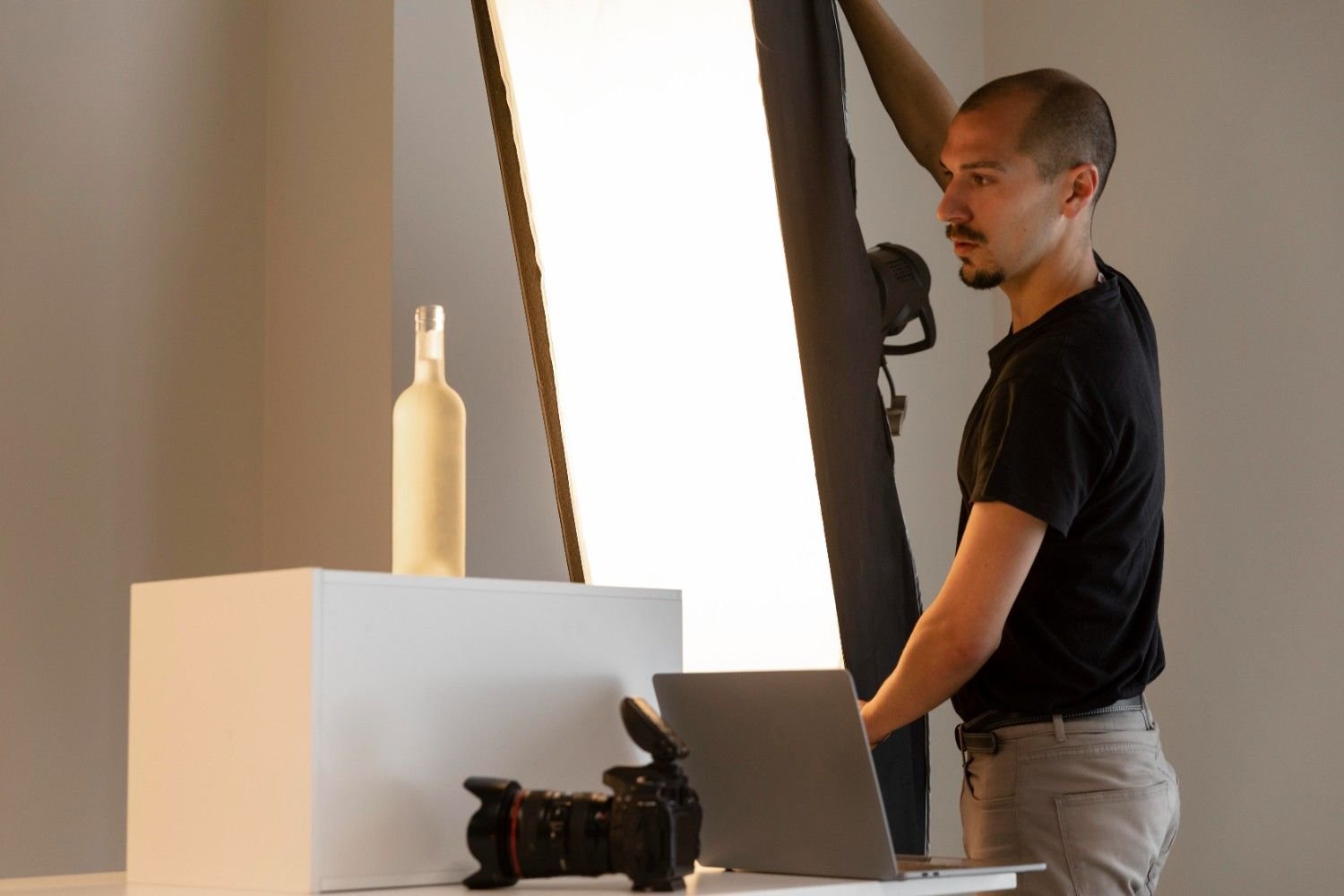
A full-size dolly, crane, or long track often needs more space than the location allows, so I use low-profile stabilization.
A one-handed gimbal works well for short tracking shots through bedrooms, kitchens, offices, and hallways. A 30- to 50-centimeter slider can sit on a table or sturdy support and create a smooth sideways move without taking over the floor.
For extremely tight positions, I use a Platypod-style flat mount, friction arm, clamp, or tabletop support instead of a conventional tripod. A monopod can also create a short rise, dip, or pseudo-jib move when safely braced against my body. External monitoring helps when the camera sits against a wall or behind furniture.
How Do I Make a Tiny Camera Move Look Bigger?
I often shoot diagonally toward a corner rather than flat against a wall. That creates stronger perceived depth and more visual layers.
I also move toward or away from the subject. A short forward move changes foreground, subject, and background relationships more clearly than a small pan across a flat wall.
Foreground parallax is especially powerful. Passing close to a door frame, curtain, lamp, plant, railing, or cabinet can make a 10-inch move feel much larger. Mirrors can add perceived space or let me reveal a subject from a hallway, although I always check reflections for crew, lights, and the camera.
Which Lens and Camera Settings Work Best in Tight Spaces?
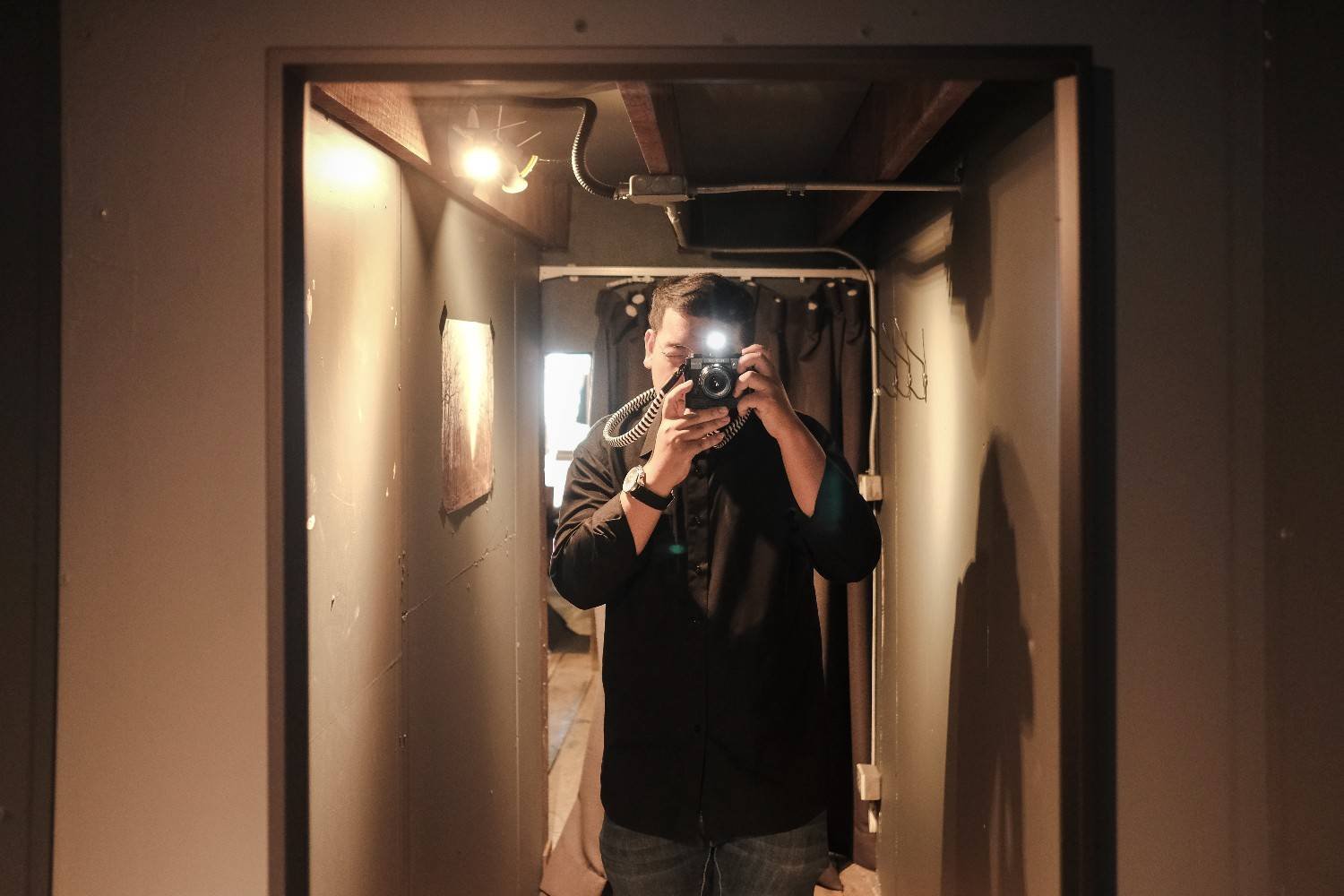
Wide-angle lenses help when I cannot move farther from the subject. Depending on sensor size, a wide or moderately wide lens can capture more room and exaggerate movement. Lenses around 11mm on some formats can distort faces and edges, so I choose focal length for the sensor and story.
A wide aperture such as f/1.8 or f/2.8 can soften clutter and isolate the subject, but shallow depth of field makes moving focus harder. If distance changes, I may stop down slightly.
When physical travel is impossible, a subtle digital push, stabilization adjustment, or controlled roll in post-production can add motion. I use those as finishing tools, not replacements for motivated camera work.
How Can Actor Blocking Make Camera Movement Easier?
I rarely ask the camera to create all the energy. An actor can walk toward the lens while I pull back, cross the room during a controlled pan, or enter through a doorway as the camera slides sideways. This approach can also help when planning the best camera movement for character introductions, because the subject’s movement can reveal personality without requiring an elaborate camera move.
Shooting through an open doorway gives the operator more working distance, while hallways can become natural tracking paths. For handheld work, I keep my elbows close, soften my knees, lower my center of gravity, and take controlled steps to reduce micro-jitters.
That approach works especially well for documentary footage, interviews, indie films, music videos, real estate productions, and branded shoots where a compact camera setup is often more practical than heavy support equipment.
How Can Editing Make a Tight Space Feel More Dynamic?
I often use cut-on-action to connect short shots from different angles. A hand reaching for a door, a person sitting, or a subject turning can hide the transition between a low-angle push, side view, and tighter reaction. This technique is also useful when planning the best camera movement for chase scenes, where fast action often benefits from combining multiple short, purposeful shots rather than relying on one long move.
This creates visual energy without forcing the operator to cross a room that lacks clearance. It also allows me to combine high, low, left, and right camera positions into a sequence that feels more dynamic than one difficult continuous take.
How Should I Plan Camera Movement Before Shooting?
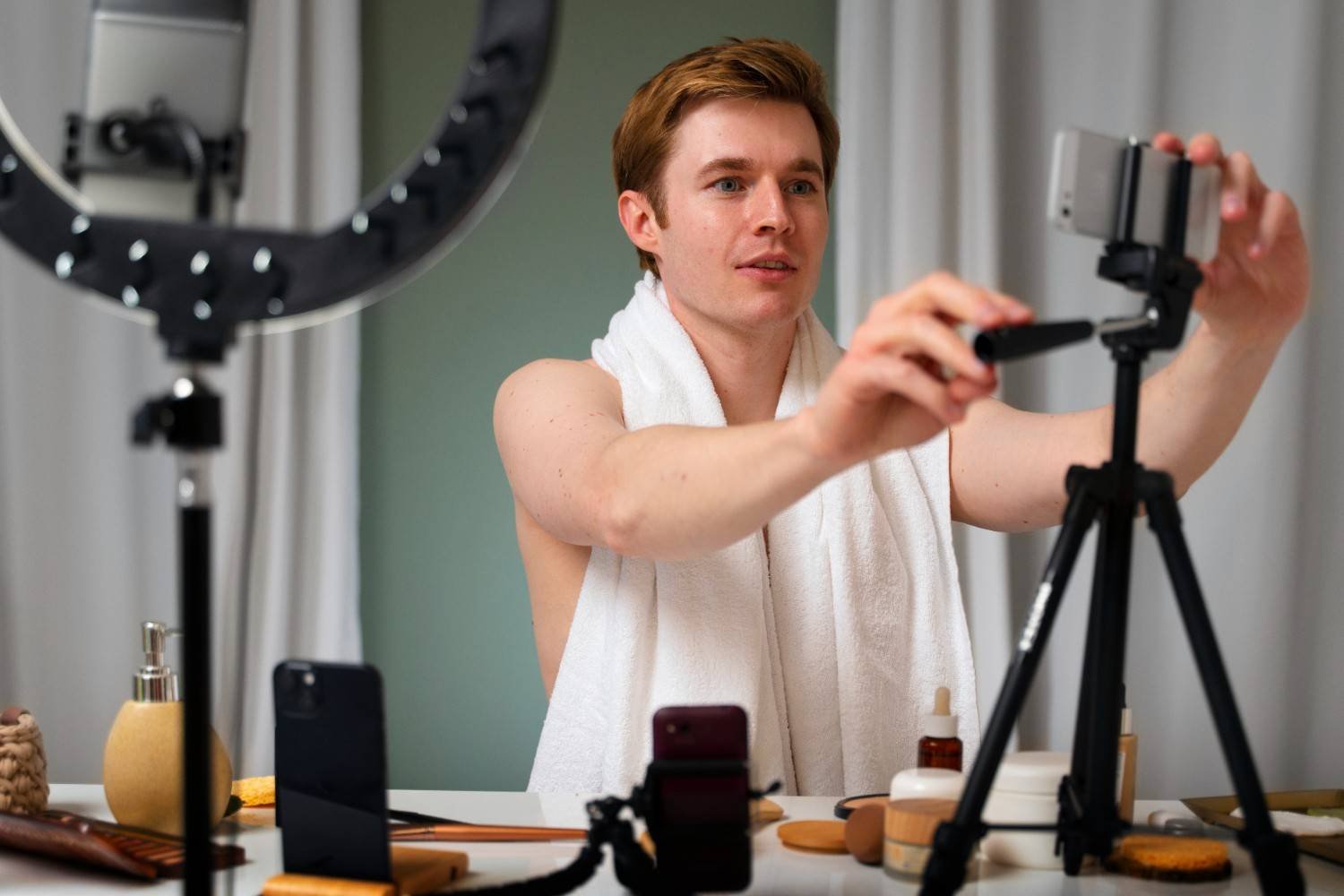
I mark the start, end, actor path, focus distance, and operator route, then check lights, cables, furniture, walls, and stands for collision risks.
I rehearse the move at its real speed. Tight-space production leaves little room for correction, and rehearsal often reveals problems before they ruin a take.
For anyone learning how to shoot camera movement in small spaces, planning matters as much as gear. Compact equipment only helps when the move has a clear purpose and a safe, repeatable path.
Frequently Asked Questions About Camera Movement in Tight Spaces
1. What Is the Easiest Camera Movement to Shoot in a Small Room?
A pan or tilt is usually easiest because the camera needs almost no travel. Short push-ins and lateral slider moves also work well.
2. Do I Need a Gimbal for Smooth Footage in a Cramped Room?
No. A slider, monopod, friction arm, tabletop support, compact tripod, or controlled handheld setup may work just as well depending on the shot.
3. How Do I Make a Small Room Look Deeper on Camera?
I shoot toward corners, create foreground layers, move toward or away from the subject, position people at different distances, and avoid unnecessary wide-angle distortion. Mirrors and doorways can also increase perceived depth.
4. Can I Create a Cinematic Shot Without Moving Far?
Yes. Short moves become stronger with foreground parallax, actor blocking, mirrors, mini orbits, pans, tilts, and cut-on-action editing. The quality of the perspective change matters more than the total distance traveled.
Final Take: Make the Space Work for the Shot
When I think about how to shoot camera movement in small spaces, I stop measuring success by how far the camera travels. A controlled push-in, compact slider move, doorway reveal, mini orbit, or handheld follow can be enough. These same ideas work well when practicing camera movement techniques for social media videos, where limited locations and vertical framing often require short, precise movements.
Small locations reward precision. With compact stabilization, purposeful blocking, foreground depth, the right lens, smart editing, and a rehearsed path, I can make a few feet of working room feel deliberate rather than limiting.