



An opening shot has seconds to make me curious. It can reveal a lonely highway, pull me toward a character, sweep across a skyline, or drop me into chaos. I never choose motion just because it looks cinematic; I choose it because it tells the audience how to enter the story.
When I choose the best camera movement for opening shots, I usually start with a pull-back reveal for scale and context or a slow push-in for focus and emotional connection. Tracking, crane, tilt, pan, handheld, and static framing work better when the story needs a different feeling.
Is a Pull-Back Reveal the Strongest Opening Shot?
A pull-back reveal starts tight on a face, object, or detail and moves backward until the larger environment appears. The location becomes part of the surprise.
A close portrait can widen into a vast environment. The move can communicate isolation, mystery, danger, or grand scale without dialogue. I particularly like it for suspense, science fiction, drama, atmospheric Western-style scenes, and commercials. A slider handles short dolly-outs, while a dolly or gimbal suits longer reveals.
When Should I Use a Slow Push-In?
A slow push-in removes distractions and directs attention toward a subject. Because the camera physically moves forward, foreground and background elements shift relative to each other, creating natural parallax and depth.
I use a dolly-in when a character, clue, product, or emotional beat matters more than the location. A push toward a silent character creates intimacy; the same move toward a locked door builds tension. US indie filmmakers can achieve it with a slider, compact dolly, gimbal, or controlled handheld technique.
How Do Crane and Jib Moves Establish Scale?
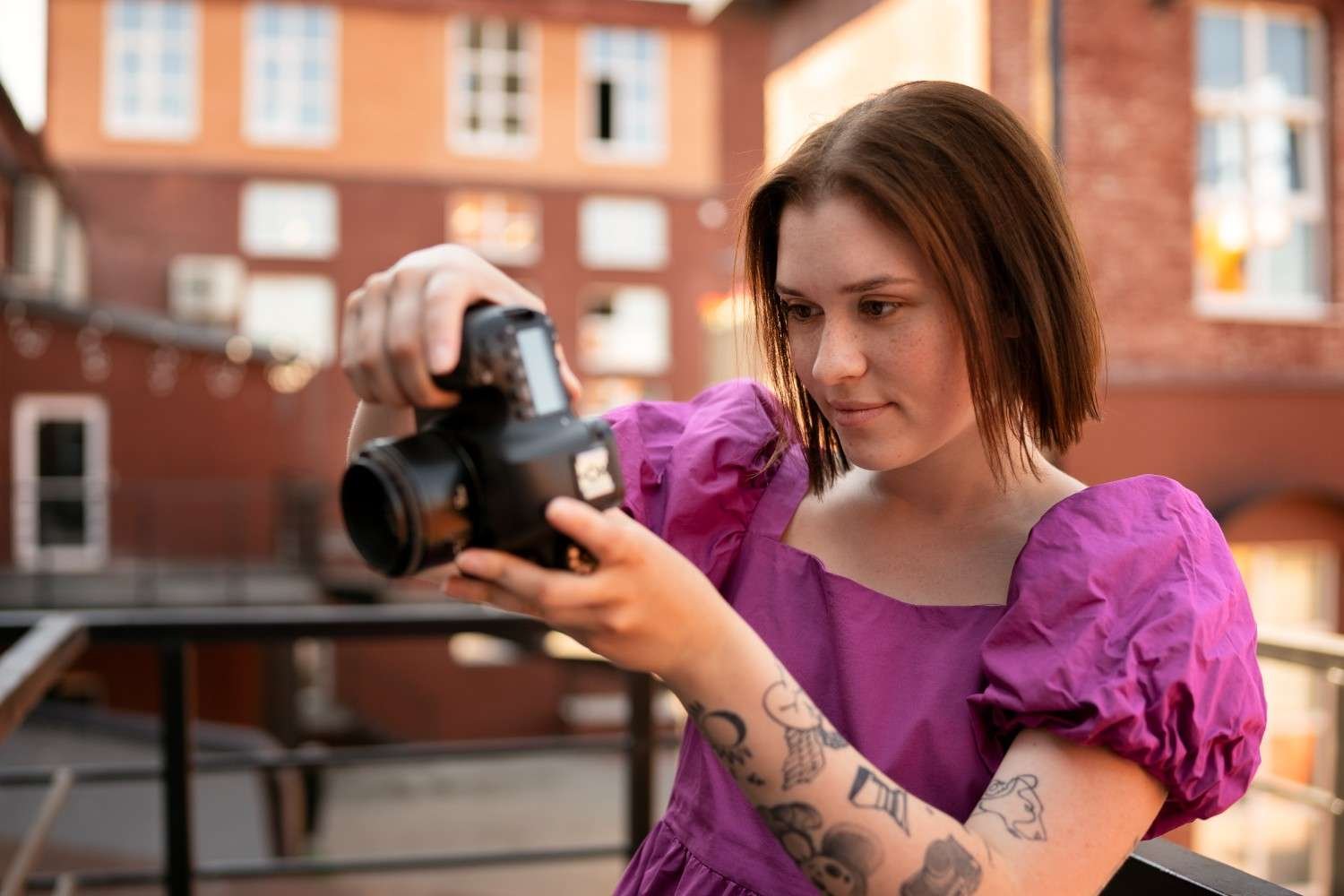
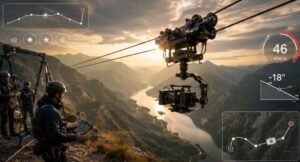
For a “welcome to this world” opening, I consider a crane or jib move. Starting high and descending toward eye level can introduce a skyline, ranch, campus, stadium, neighborhood, or festival while establishing geography.
A crane or jib moves on an arm and can travel through an arc, so I would not call it a pedestal shot. A pedestal moves the camera vertically more directly while generally maintaining its orientation. A compact jib, drone where permitted, or gimbal move can create similar scale on smaller productions.
When Does a Tilt-Up Reveal Work Best?
A tilt-up keeps the camera in roughly the same position while rotating the lens upward. I might begin on boots and reveal a character or start on pavement and uncover a skyscraper. This is also a useful technique when learning how to practice camera movement at home, since a doorway, staircase, or tall piece of furniture can become an easy subject for controlled tilt exercises.
Because viewers cannot see the final composition immediately, a tilt builds anticipation. It works well for architecture, landscapes, dominant character introductions, and dramatic entrances.
Why Open With a Character-Following Tracking Shot?
A character-following tracking shot lets the audience experience the environment alongside the protagonist. I can follow someone through a location while the setting reveals itself naturally.
That single move can introduce character, geography, and pacing at once. It suits action movies, sports films, crime stories, comedy, and energetic drama. A three-axis gimbal helps, but controlled footsteps, blocking, lens choice, focus, and consistent movement speed still determine how professional the shot feels.
Can a Pan Make an Opening More Suspenseful?
Yes. A slow pan is a simple way to withhold information. Since the camera rotates horizontally from a fixed position, I can begin with one subject and gradually reveal another.
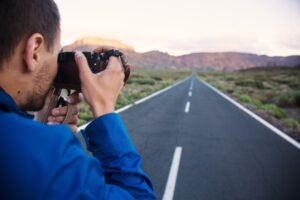
I might open on an empty car and pan across the road until a distant figure appears. That delay creates anticipation because the audience has to wait for the complete visual information. Pans work well for landscapes, interiors, mystery, comedy reveals, and environmental storytelling.
Should I Use Handheld Movement or Stay Static?
Smooth is not automatically better. When I want immediacy, instability, or a documentary feel, controlled handheld camera movement can beat a perfectly balanced gimbal shot. I use it for chase scenes, sports, horror, and street-level drama. The goal is purposeful motion rather than distracting micro-jitter.
Sometimes I keep the camera completely static. If actors, lighting, production design, or background action already create movement, a locked frame can build tension and encourage viewers to explore the composition themselves.
Which Movement Matches the Opening Mood?
For an epic or atmospheric opening, I lean toward a crane-down, aerial reveal, or drone push-in. For an intimate character-driven scene, I prefer a slow dolly push-in. For suspense and mystery, a slow pull-back can expose disturbing or unexpected context. For a high-action opening, a tracking shot, long take, or controlled handheld movement often works better.
Drama favors restrained push-ins. Horror can benefit from creeping motion and handheld instability. Comedy often works with static framing, pans, and carefully timed reveals. Adventure and science fiction can use crane, aerial, and tracking movements to emphasize scale.
What Gear Works Best for Solo Creators?
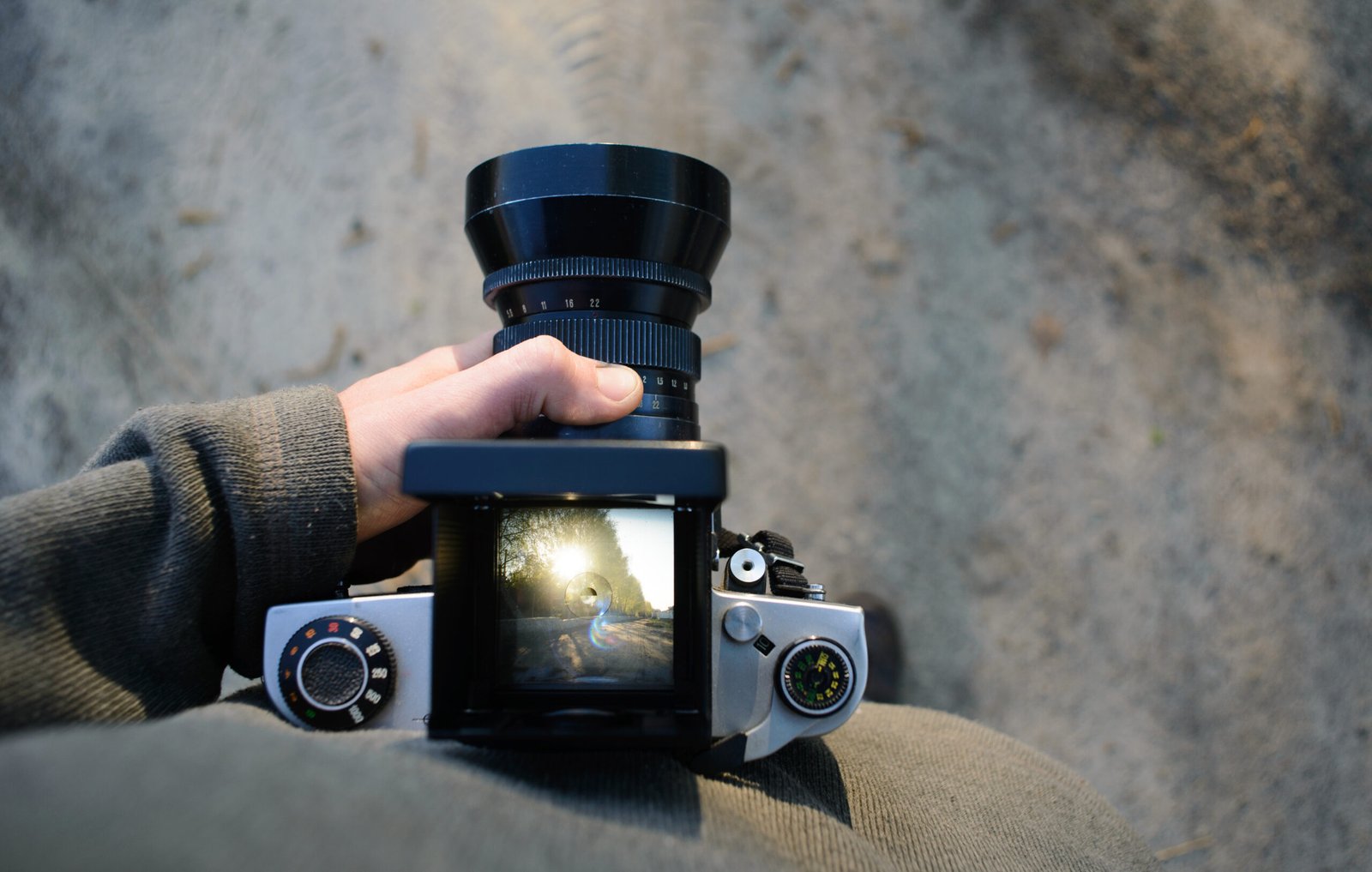
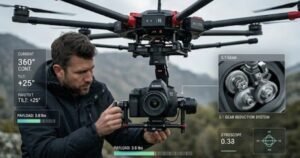
When I film alone, repeatable motion helps. A motorized slider such as the Axon Top Rigg S60 can automate precise A-to-B push-ins, pull-backs, and parallax sweeps while the creator appears in front of the camera. For longer walking shots, a stabilizer such as the DJI RS 5 can help reduce unwanted shake.
I would never treat a gimbal as a shortcut to a Hollywood look. Lighting, composition, lens choice, camera blocking, focus, movement speed, color, and production design matter just as much. Understanding concepts like pedestal camera movement explained can also improve shot planning by showing how controlled vertical camera movement can change perspective without tilting the lens.
Foreground objects can increase parallax, leading lines can direct attention, and deliberate movement speed can control pacing. Most importantly, I make sure the movement reveals new information or supports an emotion instead of becoming motion for motion’s sake.
FAQs About Opening-Shot Camera Movement
1. Is a pull-back better than a push-in for an opening?
Neither is universally better. I use a pull-back to reveal context, scale, or isolation and a push-in to increase focus, intimacy, or tension.
2. Is a dolly shot better than a zoom?
A dolly physically moves through space and changes perspective, while a zoom changes focal length from a relatively fixed camera position. For immersive opening sequences, I usually prefer physical camera movement.
3. Do I need a gimbal for a cinematic opening?
No. A slider, dolly, jib, tripod, handheld rig, or static frame can all work. Storytelling purpose matters more than owning a specific stabilizer.
Final Thoughts
The best camera movement for opening shots is the one that reveals the right information at the right emotional moment. I use a pull-back when context is the surprise, a push-in when attention must tighten, a crane or jib when scale matters, and tracking when I want viewers to enter the world with the character. These choices also show how simple camera movements for short films can create strong visual storytelling without requiring elaborate equipment.
The strongest opening is not necessarily the most complicated camera move. It is the movement that makes the audience feel something, discover something, or immediately want to know what happens next.