



A short film can look expensive even with a small crew and simple gear. A slow push can build tension, a pan can guide the audience’s eyes, and handheld footage can make an ordinary hallway feel dangerous.
When I plan simple camera movements for short films, I start with story before equipment. For US indie filmmakers, student crews, and content creators, a fluid-head tripod, slider, gimbal, smartphone, DSLR, mirrorless camera, or even your hands can produce polished results when every move has a purpose.
What Are the 7 Core Camera Movements Beginners Should Master?
Most movement fits into two groups. Rotational movements keep the camera in one position while changing its angle, as with pans and tilts. Translational movements physically move the camera through space, as with dollies, trucks, and pedestals.
1. How Do You Use a Pan Shot?
A pan rotates the camera horizontally while it stays fixed. I use it to scan a location, follow a character, or reveal something outside the frame. Start and end on strong compositions.
A rapid pan, often called a whip pan, can add sudden energy, strengthen comic timing, or create a fast transition between subjects or locations.
2. When Should You Use a Tilt Shot?
A tilt pivots vertically while the camera remains in place. It can introduce a character from feet to face, reveal a tall structure, or direct attention above or below the frame. Learning how to shoot a tracking shot can complement this technique by helping you understand when the camera should travel with a subject instead of simply pivoting from a fixed position.
Where the shot finishes can also influence how viewers perceive a character. Ending at a low angle can make someone appear dominant or powerful, while ending at a higher angle can suggest vulnerability. A fluid-head tripod helps keep the movement controlled.
3. Why Does a Dolly In or Dolly Out Feel Cinematic?
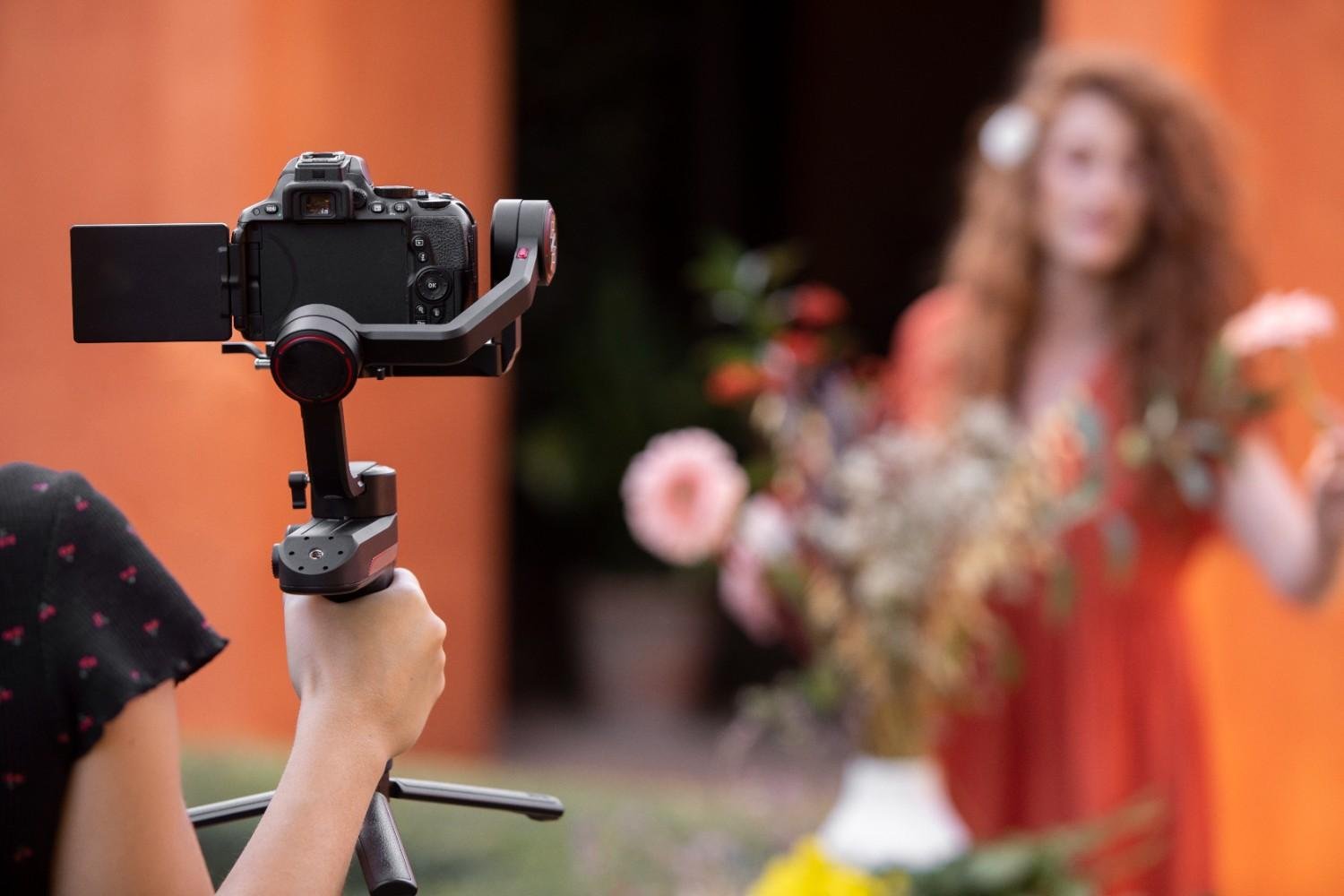
A dolly moves the entire camera toward or away from the subject. A dolly-in, also called a push-in, can emphasize intimacy, realization, fear, or increasing emotional pressure. A dolly-out or pull-back can reveal isolation, scale, or a larger environment.
Low-budget filmmakers do not necessarily need professional dolly tracks. I can use a slider, secured wheelchair, skateboard, or smooth rolling platform. A stable lightweight camera setup can even move carefully on a towel across a clean hard floor. Whatever method you use, secure your equipment and rehearse the move first.
4. What Is a Truck or Crab Camera Movement?
A truck, sometimes called a crab move, carries the entire camera left or right parallel to the scene. Unlike a pan, the camera physically changes position.
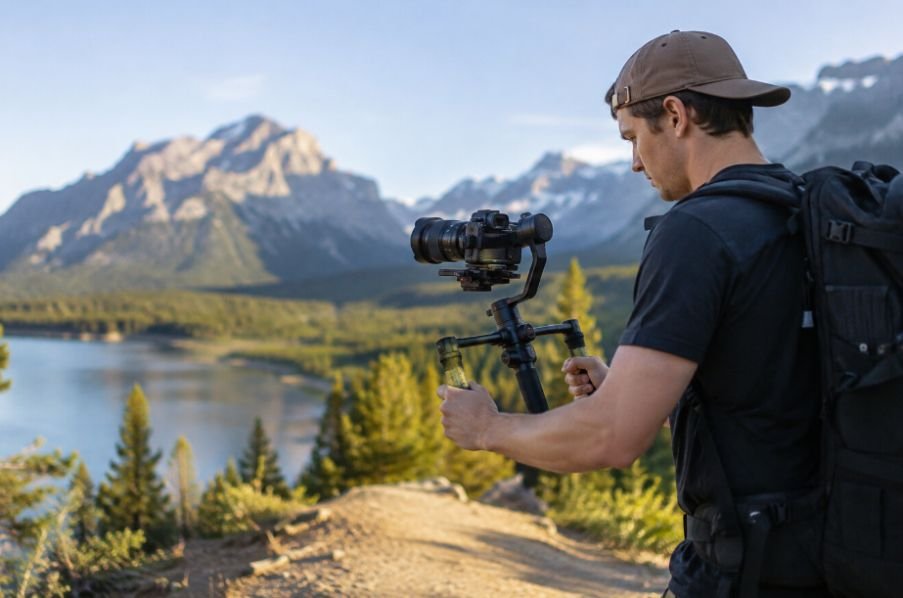
This movement works well when following characters along a sidewalk or moving past foreground objects to create parallax and visual depth. A gimbal helps, but controlled steps and keeping the camera close to your body can also produce convincing results.
5. What Is a Pedestal or Boom Movement?
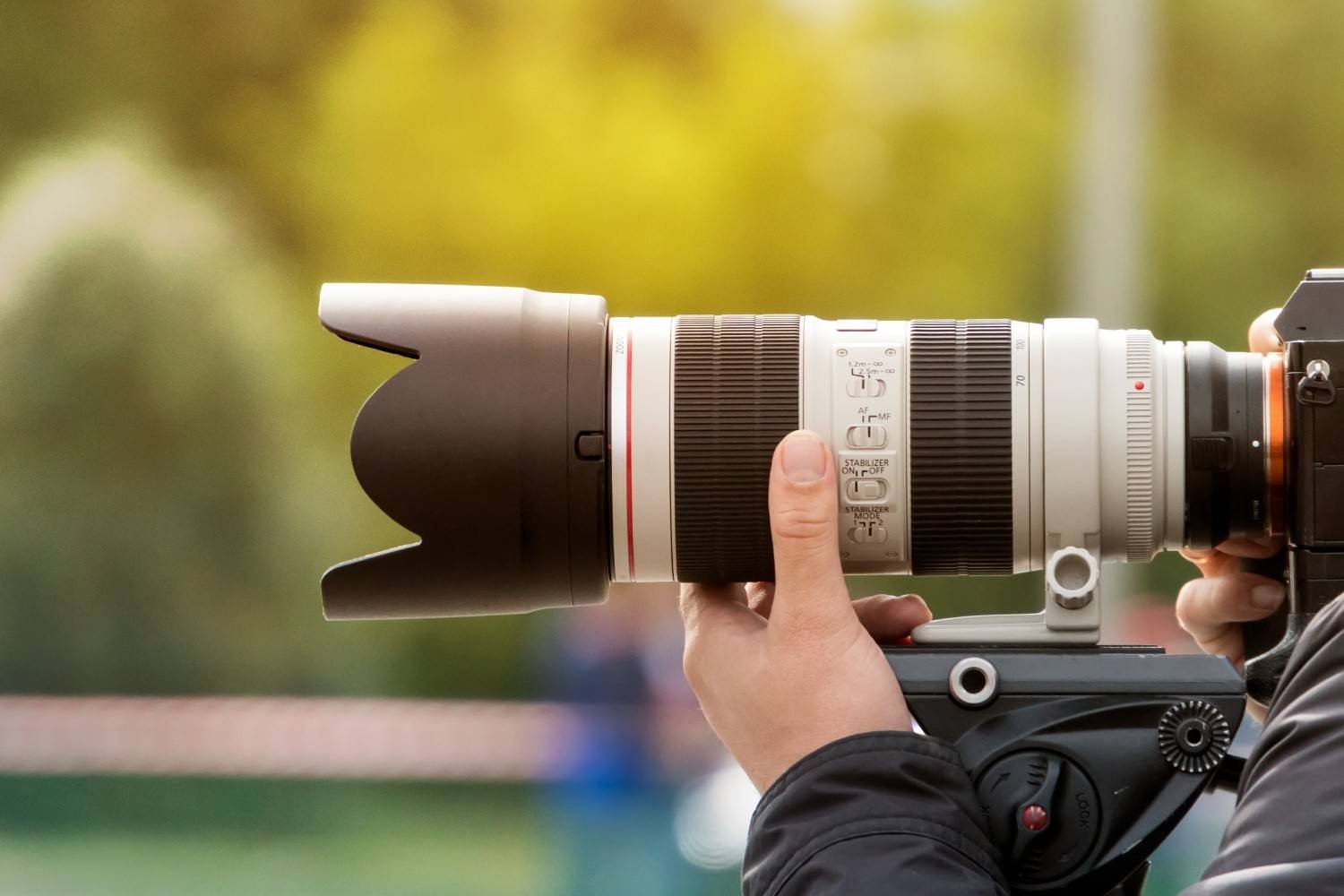
A pedestal physically raises or lowers the entire camera rather than rotating it like a tilt.
I might begin above a table and gradually descend to the eye level of a seated character. A boom or jib can also lift or lower the camera across a larger path. These vertical camera movements can change perspective smoothly and make even a small interior location feel more dimensional.
6. Is Rack Focus a Camera Movement?
Rack focus is technically a lens-based technique rather than physical camera movement, but it serves a similar visual storytelling purpose: directing the audience’s attention.
The camera remains stationary while focus shifts between the foreground and background. In a single shot, I can redirect attention from a character to a key, photograph, weapon, or another person standing behind them.
7. When Should You Shoot Handheld?
Handheld camera movement works when a scene needs urgency, anxiety, realism, or raw energy. Horror scenes, arguments, chase sequences, action scenes, and documentary-style indie films often benefit from this approach.
I avoid shaking the camera simply to make the scene feel intense. I tuck my elbows in, keep the camera close to my body, and allow controlled natural movement so viewers feel instability without losing sight of the subject.
Which Camera Movements Work Best by Film Genre?
Drama often benefits from static framing, slow pans, and gentle dolly movements because they support intimacy, dialogue, and character introspection.
Horror works particularly well with slow push-ins, restrained handheld movement, and unexpected pans that withhold information and gradually build dread.
Comedy can benefit from static wide shots, whip pans, and sudden zooms when they reinforce visual punchlines or awkward timing.
Action allows faster tracking shots, controlled handheld footage, and crash zooms because camera movement can share the scene’s kinetic energy.
I treat these as starting points rather than strict rules. The emotional beat of the scene should always determine the final choice.
How Do You Make Camera Movement Look Smooth Without Expensive Gear?
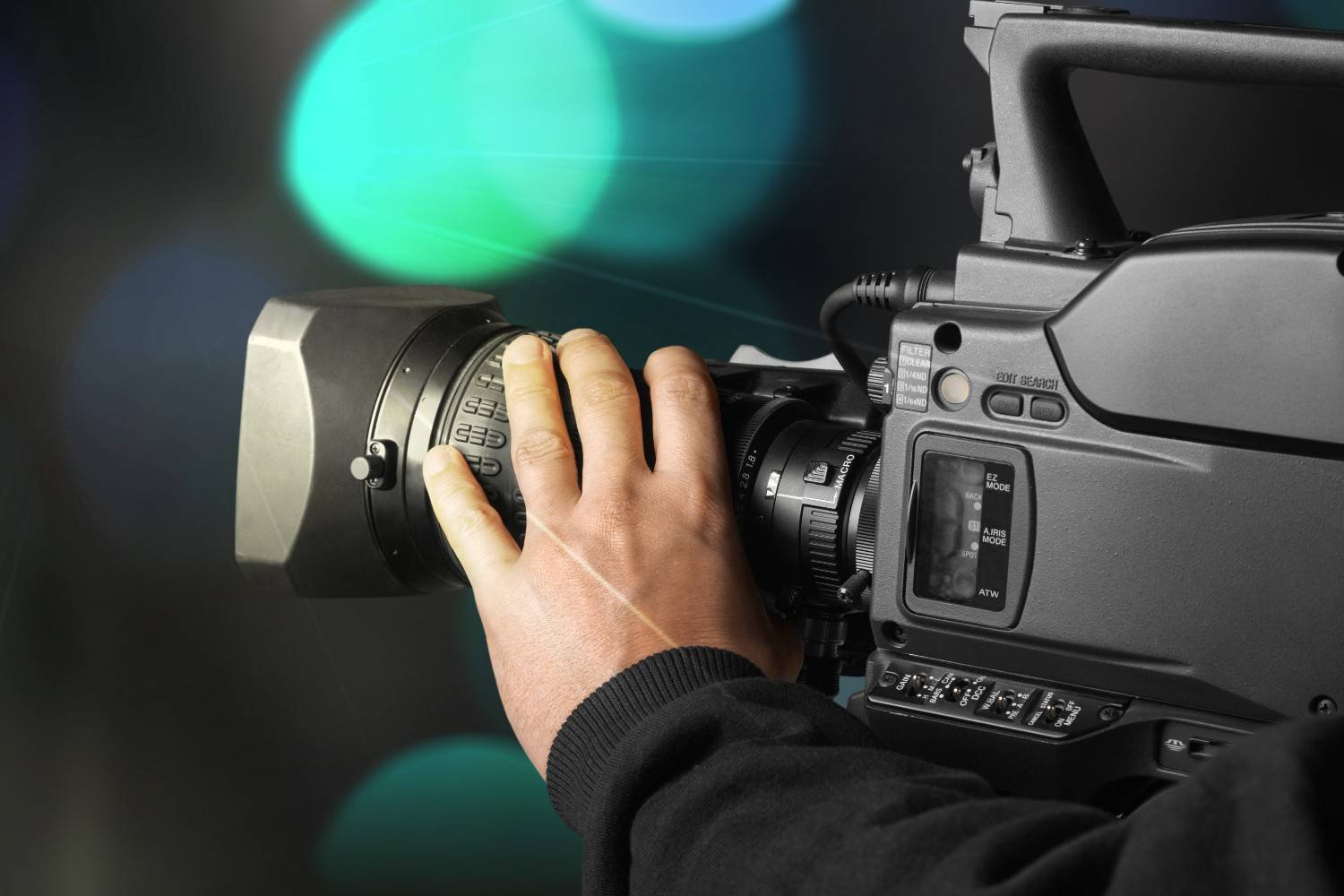
Smooth camera movement starts with preparation. I rehearse the path, decide exactly where the shot begins and ends, and remove obstacles before recording.
When walking with the camera, I bend my knees slightly, keep the rig close to my center of gravity, and accelerate or stop gradually. Moderately wide lenses can also make small bumps less noticeable than tight telephoto framing.
A fluid-head tripod dramatically improves pans and tilts, while a short camera slider can create polished push-ins and sideways moves without requiring a large production crew.
For dialogue scenes, I also like a simple arc shot. Moving around the actor along a curved path while maintaining roughly the same distance creates subtle energy and depth without distracting from the performance.
What Makes Camera Movement Feel Professional?
The first rule is motivation. I never move the camera simply because movement looks impressive. I move it because a character walks, realizes something, discovers information, hides a secret, or experiences an emotional change. The same principle applies to camera movement for action scenes, where every pan, track, or handheld move should support the pace and direction of the action.
The second rule is control. Jerky starts, inconsistent speed, tilted horizons, and poorly composed ending frames can quickly make a shot look amateur. Lean into the movement, use visual lines to keep framing straight, and rehearse before shooting.
The third rule is variety. I mix wide establishing shots, close-ups, static compositions, and moving shots so I have more editing flexibility. Sometimes the strongest cinematic decision is keeping the camera completely still.
FAQs About Camera Movement for Short Films
1. What is the easiest camera movement for beginners?
A slow pan or tilt using a fluid-head tripod is usually one of the easiest techniques because the camera stays in one physical position and the move can be repeated consistently.
2. Do I need a gimbal for a cinematic short film?
No. A tripod, camera slider, careful handheld technique, or safe DIY rolling setup can create professional-looking footage. A gimbal becomes especially useful for longer tracking and walking shots.
3. What camera movement builds tension best?
A slow push-in works particularly well because it gradually reduces the visual distance between viewers and the subject. Slow reveals and controlled handheld movement can also create suspense when the story motivates them.
Final Thoughts
Mastering simple camera movements for short films is less about owning expensive filmmaking equipment and more about controlling where viewers look and what they feel. Pan, tilt, dolly, truck, pedestal, rack focus, handheld movement, static framing, and arc shots all give you different storytelling options. Understanding camera movement for suspense scenes is especially useful because slow pushes, restrained handheld motion, or deliberate reveals can build tension without overwhelming the story.
I recommend starting with one purposeful move rather than trying to make every shot dynamic. Rehearse it, keep the framing controlled, and connect the movement to character, tension, timing, or revelation. That is what turns basic camera work into confident cinematic visual storytelling.



One comment on “Simple Camera Movements for Short Films That Look Cinematic”