



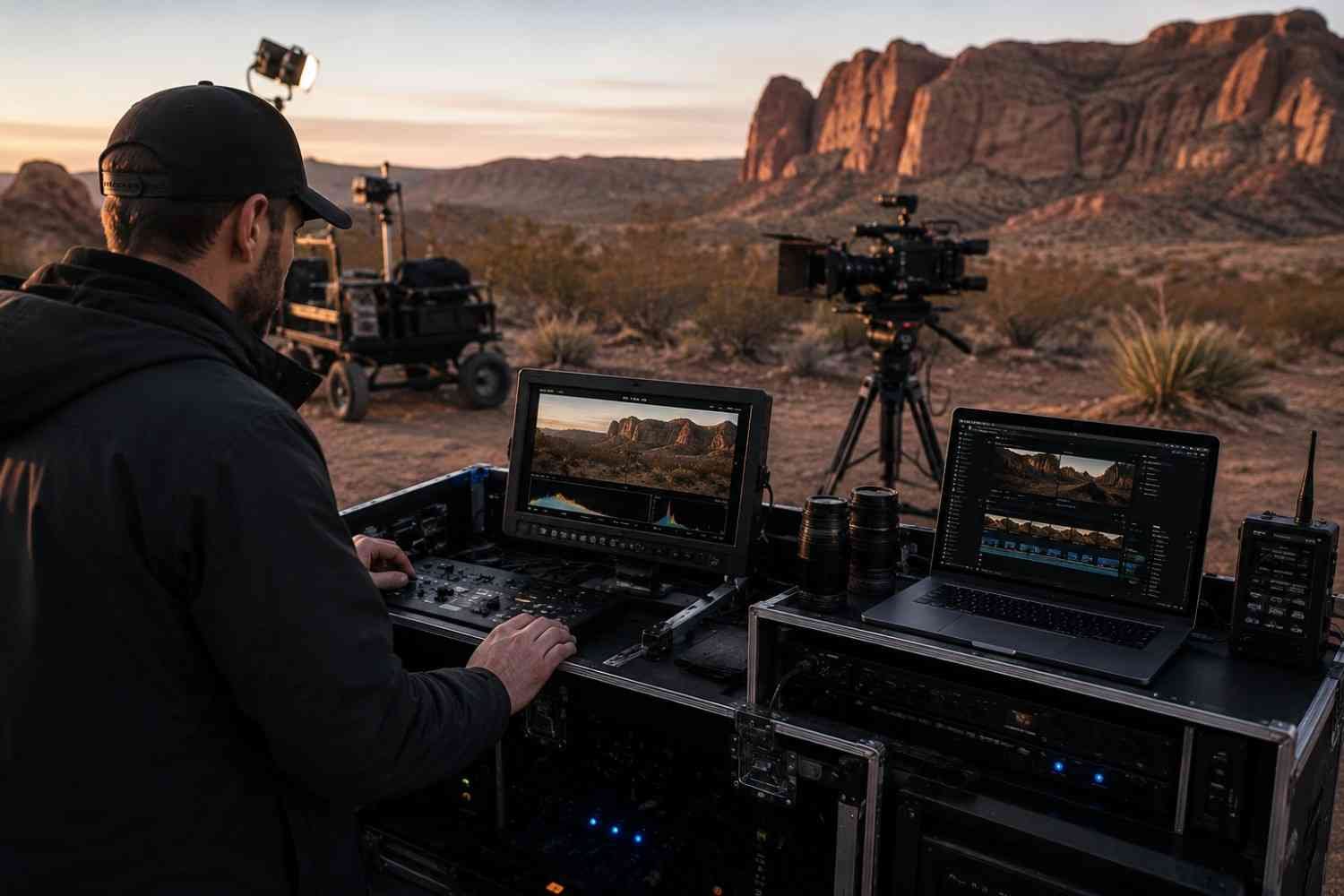
I have always found location shoots more revealing than studio productions because every extra piece of equipment becomes a real decision. A camera that feels manageable in a studio can suddenly become a burden when the crew has to hike with it, power it without a wall outlet, or move it between several setups in one day. That is where portable cinema production systems start making practical sense.
I have also noticed that portability is no longer about simply choosing the smallest camera. A useful system brings the camera, lenses, power, monitoring, storage, and support together in a way that can be packed, deployed, and moved without slowing the production down. The goal is not to carry less for the sake of it. The goal is to carry exactly what the shoot needs.
What Makes a Cinema Production System Portable?
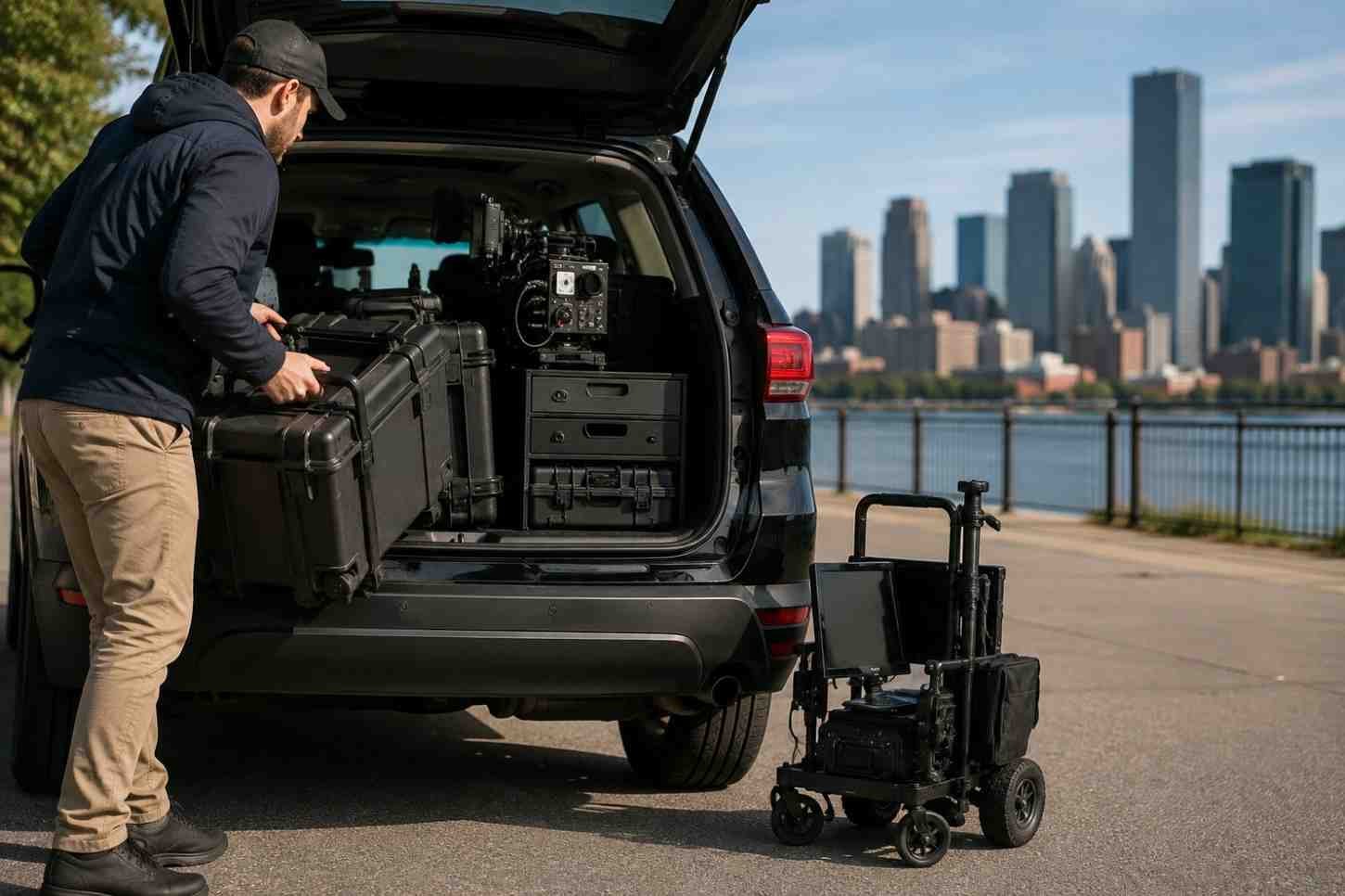
A portable cinema system should be modular, reliable, and quick to configure. The camera is only the starting point. A production-ready package may also need lenses, a cage, follow focus, matte box, batteries, wireless monitoring, audio equipment, media, and stabilization.
ARRI’s camera ecosystem reflects this system-based approach, with camera bodies, support equipment, power, recording media, and electronic control designed to work together.
That same thinking applies to smaller crews. Instead of asking how much gear can fit into a case, ask whether every component helps capture, monitor, power, or protect the production.
Build Around the Camera and the Location
Start with the camera body and recording requirements, then choose accessories based on the environment. A documentary crew moving through a city needs a different setup from a commercial team shooting in a remote desert location.
A compact rig might include a cinema camera, one or two versatile lenses, a lightweight support system, a compact monitor, wireless audio, and enough media for the planned shooting ratio.
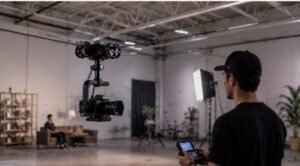
Good professional camera support systems also make a difference when the camera needs to move between handheld, tripod, shoulder, or stabilized operation.
The key is to avoid turning a small camera into a giant rig. Every accessory adds weight, cables, mounting points, and another potential failure point.
Power Should Be Planned Before the Shoot
Power becomes one of the biggest limitations when a production leaves the grid. Camera batteries may be enough for short setups, but longer shoots can also require energy for monitors, wireless transmitters, chargers, lights, laptops, and data equipment.
Modern portable power stations can reduce the dependence on fuel generators, particularly when quiet operation matters. That can be valuable during dialogue scenes where generator noise could become part of the recording.
Look for reliable power management solutions that match the actual load rather than choosing a power station based only on its headline capacity. Battery chemistry, output ports, recharge time, weather conditions, and transport weight all matter.
For longer productions, a dedicated power plan should identify what needs continuous power, what can run from camera batteries, and what can be charged during breaks.
Keep Monitoring and Data Close to the Workflow
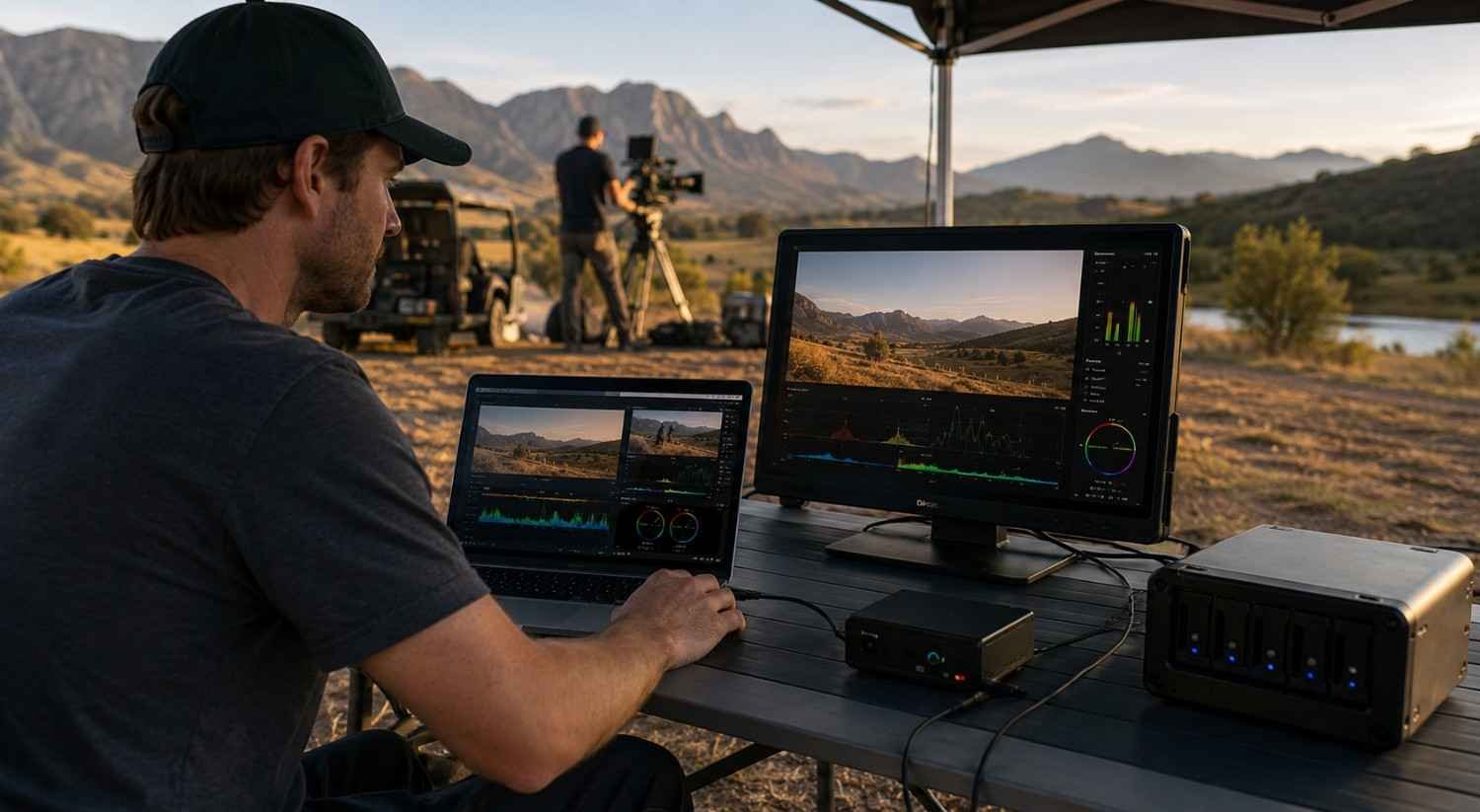
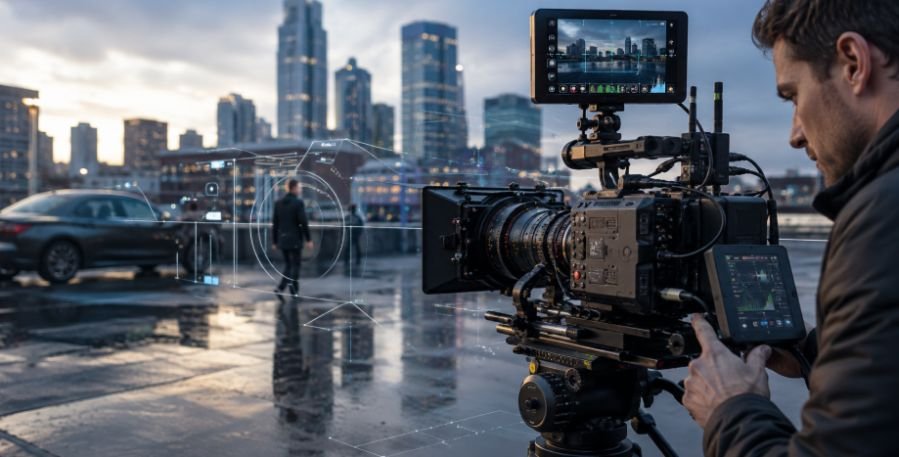
A portable system also needs a practical way to see what the camera is recording. A compact field monitor or wireless video link can give the director, cinematographer, or focus puller access to the image without adding a large video village.
Modern cameras are also moving toward more connected workflows. Blackmagic’s current immersive cinema systems, for example, combine high-resolution capture, onboard monitoring, networking, and media workflows in a compact package.
That makes high-resolution digital cinema workflows increasingly practical for crews working away from traditional production infrastructure.
Storage deserves equal attention. Carry enough recording media for the shoot, but also plan where footage goes after cards fill up. A laptop, card reader, rugged SSD, and two-copy backup workflow can prevent a small portable production from becoming a major data problem.
Use Automation Where It Actually Helps
Portable filmmaking is also becoming more automated. Motion-control sliders, robotic camera systems, remote heads, and intelligent camera accessories can reduce repetitive setup work while allowing small crews to produce controlled movements.
The same principle applies to AI-assisted camera systems. AI can help with functions such as tracking, framing assistance, subject detection, or repetitive camera operations, but it should support the cinematographer rather than dictate the visual language.
For a solo filmmaker, that distinction matters. Automation is most useful when it frees one person to focus on performance, composition, lighting, or directing.
Don’t Forget Specialized 3D Production
Immersive production used to require complicated dual-camera arrangements and substantial alignment work. Newer integrated systems can simplify some of that process.
Blackmagic’s URSA Cine Immersive, for example, uses dual 8K sensors, a fixed custom lens system, onboard monitoring, and integrated media capabilities for immersive capture.
This points toward a broader shift in integrated immersive video production, where capture and parts of the media workflow can exist within a more unified system.
Not every production needs 3D, of course. The lesson is more general: specialized capabilities are becoming easier to transport when manufacturers design the camera, accessories, storage, and control systems as one package.
Design the System for Long Shoots
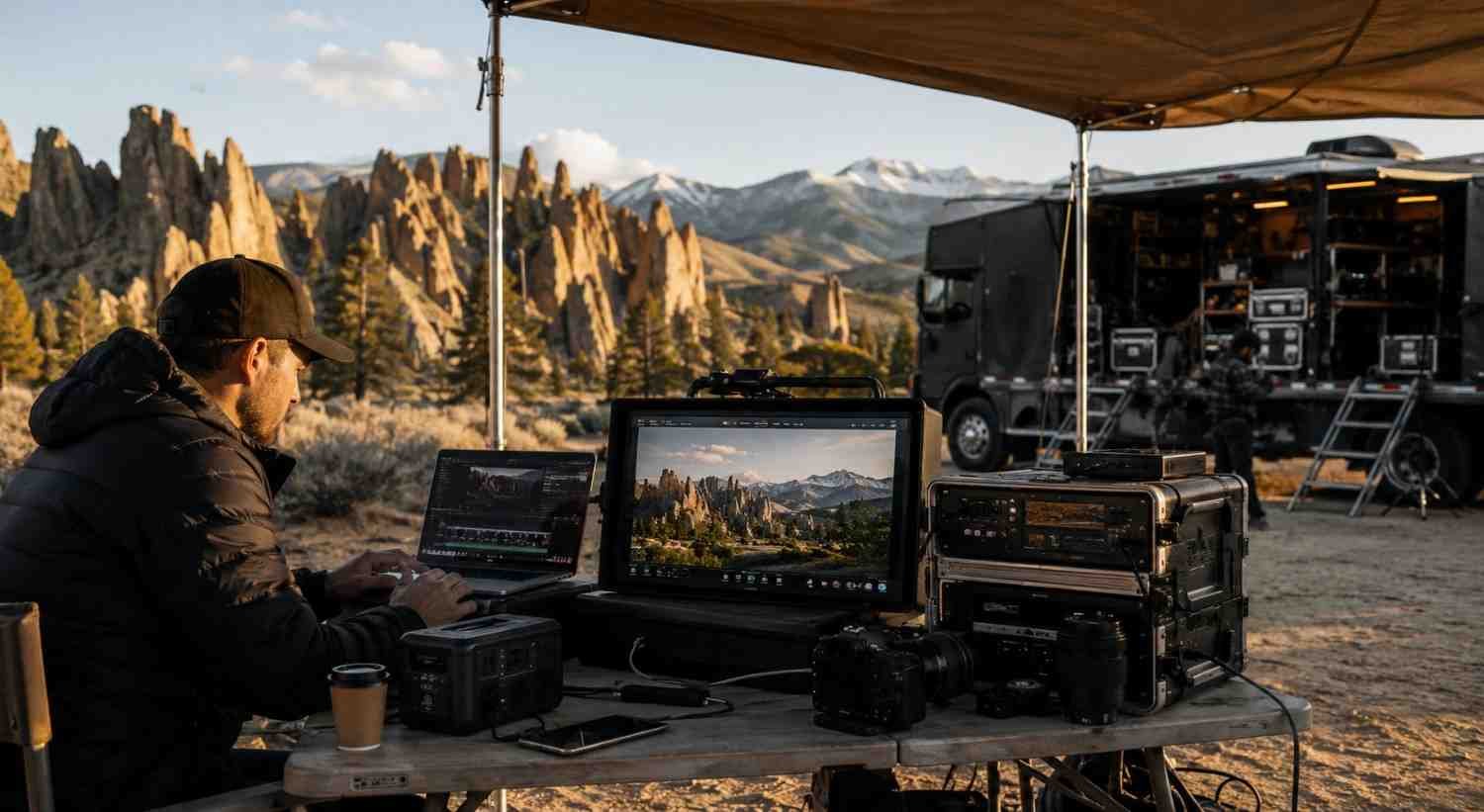
A portable setup becomes much more useful when it can survive a full production day. That means thinking beyond the camera itself.
Pack spare batteries, extra media, short replacement cables, adapters, cleaning supplies, weather protection, and a small toolkit. Label cables and batteries so the crew can find what it needs quickly. Keep frequently used components accessible instead of burying them beneath backup equipment.
This is also where best power solutions for long cinema shoots become part of the larger production strategy. Power should be easy to monitor, recharge, transport, and replace without forcing the crew to stop shooting.
The same principle applies to the camera package. How to build a portable cinema camera package starts with the actual shooting conditions, not a shopping list. A lightweight documentary rig may need speed and mobility, while a commercial setup may prioritize repeatable movement, monitoring, and controlled lighting.
Make Portability a Production Advantage
The best portable cinema production systems do more than reduce the number of cases. They remove friction from the shoot. A well-designed setup lets a small crew move quickly, work in locations that would be difficult for a traditional production, and spend more time creating instead of rebuilding equipment.
That is why efficient on-location production workflows matter as much as individual camera specifications. When power, camera support, media, monitoring, and accessories are planned together, portability becomes a creative advantage rather than a compromise.
FAQs: Portable Cinema Production Systems for Smarter On-Location Filmmaking
1. What should a portable cinema system include?
At minimum, consider the camera, lenses, support, batteries, media, monitoring, audio, and protective transport. The exact package should match the location and crew size.
2. Are portable power stations suitable for film sets?
They can be useful for cameras, monitors, chargers, and compatible lighting equipment. Always check the power requirements and output specifications of every device first.
3. Do small crews need robotic camera equipment?
Not necessarily. Motion-control systems make the most sense when repeatable camera movement, time-lapse, or automated tracking adds real value to the production.
4. How should footage be backed up on location?
Use a structured workflow that copies footage to separate storage devices and verifies the transfers before cards are formatted.
Why the Best Portable Setup Is the One You Can Trust
Portability works best when it is treated as a complete production philosophy rather than a race toward smaller equipment. A camera may be lightweight, but the system around it can quickly become heavy, complicated, and slow if every accessory gets added without a purpose. The strongest setup keeps image quality, power, monitoring, data, and operator comfort in balance.
A good portable system should disappear into the workflow. When the crew can reach the location, unpack quickly, shoot confidently, and move again without unnecessary friction, the equipment is doing exactly what it should.