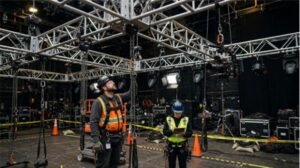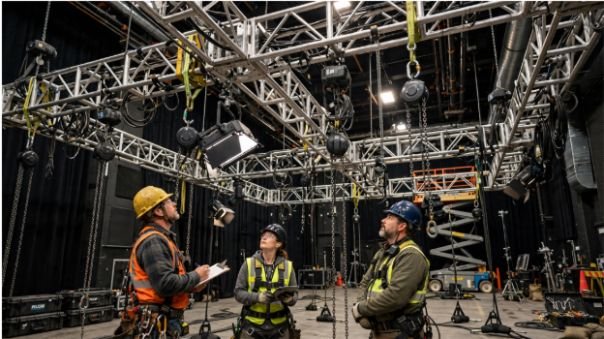





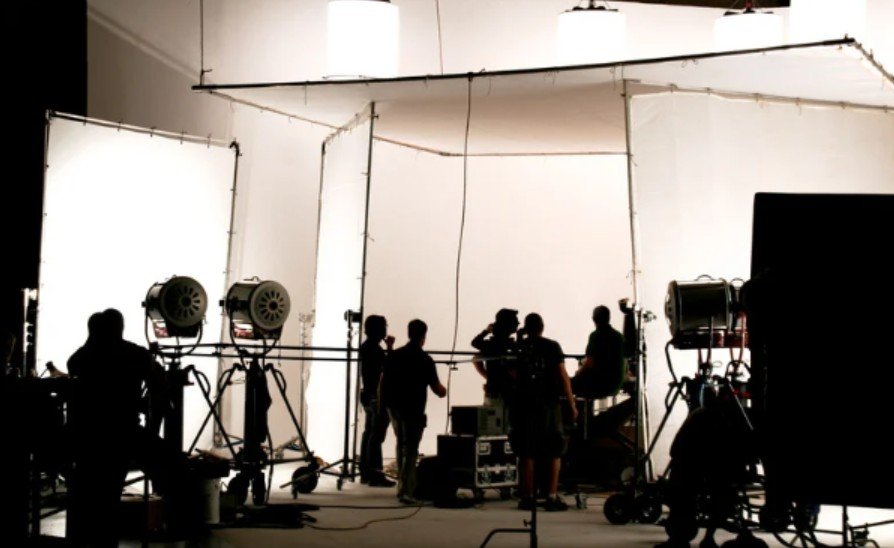
I have seen how quickly an organized set can become congested once performers, technicians, equipment, and multiple departments enter the same working area. When overhead equipment is added, ordinary confusion can turn into a serious hazard.
Managing rigging safety on a crowded production set requires more than inspecting hardware. It demands controlled access, defined responsibilities, dependable communication, and the authority to stop work when conditions become unsafe.
Why Crowded Sets Create Greater Rigging Risks
A busy production environment changes constantly. Lighting equipment is repositioned, cameras move between setups, scenic elements arrive, and crew members cross established work areas. Background performers and visitors may not recognize a suspended-load hazard or understand why a marked boundary cannot be crossed.
Crowding increases the risk of someone entering a fall zone, distracting an operator, blocking an emergency route, or interfering with a tagline. Noise, reduced visibility, cables, cases, and rushed resets can make those conditions worse. Effective safety management must therefore control both the rigging system and the people working around it.
These challenges become even more noticeable behind the scenes of filming large music festival events, where dense crowds, rapid stage changes, multiple camera teams, and overlapping technical departments can make controlled rigging areas harder to maintain.
Assign Responsibility Before Rigging Begins
Every rigging operation needs a clear command structure. The film producer or production manager should ensure that qualified personnel, suitable equipment, and enough time are available. A lead rigger should oversee technical decisions, while the assistant director coordinates cast and crew movement around the controlled area.
Department heads must tell their teams about restrictions and prevent unauthorized entry. A safety representative can observe changing conditions, document concerns, and support stop-work decisions.
Only one designated signal person should give movement instructions to the operator. Allowing several people to call directions creates uncertainty at the moment when precision matters most. Anyone should be permitted to call an emergency stop, but restarting should remain under the control of the designated rigging lead.
Complete a Set-Specific Risk Assessment
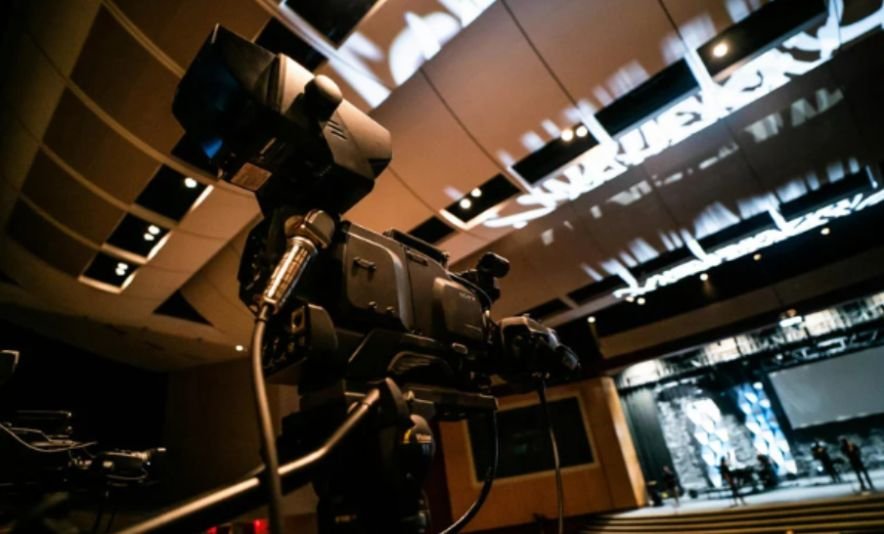
A generic safety plan cannot account for every location or shooting arrangement. Before work begins, the team should assess the actual rig, load, environment, and surrounding activity.
The assessment should identify:
- The weight, balance, and intended path of the load
- Rated capacities of hoists, slings, connectors, and anchor points
- Fall zones, swing areas, pinch points, and possible rebound paths
- Nearby electrical equipment and overhead obstructions
- Wind, rain, heat, lighting, and visibility conditions
- Escape routes and emergency access
- Departments working beside or beneath the operation
- Communication problems caused by noise or distance
The assessment should be reviewed whenever the equipment, load path, weather, crew arrangement, or filming plan changes.
Establish a Controlled Rigging Zone
Define the Complete Hazard Area
A safe boundary must cover more than the space directly beneath a suspended load. It should account for the full travel path, possible load swing, hoist position, operating equipment, anchor locations, and any area affected by a failure. The same principle applies when operating a mobile robotic camera positioning system for hydroelectric tunnels, where restricted access and equipment movement require carefully planned exclusion zones.
The size and shape of the zone should be determined by a competent person using the actual operation—not an arbitrary universal distance.
Control Every Entry Point
Cones and tape may make a boundary visible, but they do not actively prevent entry. Use physical barriers where practical and establish a limited number of controlled access points. Assign an identifiable marshal when nearby traffic is difficult to redirect.
Only personnel essential to the operation should enter the controlled area. Shortcuts, schedule pressure, and “just passing through” should never override the restriction. If the area cannot remain controlled, the operation should pause.
Inspect the Complete Rigging System

Rigging equipment should be inspected before use and monitored while it remains in service. The inspection must include more than the most visible components.
Check slings for cuts, abrasion, heat damage, broken wires, deformation, or missing identification. Examine hooks, shackles, pins, latches, pulleys, hoists, ropes, and attachment points for damage, incorrect fit, corrosion, or unauthorized modification. Confirm that identification and capacity markings are readable.
The load calculation should include the weight of the suspended equipment, accessories, cables, mounting hardware, and other attached components. Sling angles and dynamic movement can increase forces, so capacities should not be evaluated using load weight alone.
Defective, unidentified, or questionable equipment must be removed from service instead of being used for one final take.
Coordinate Work Around the Shooting Schedule
Rigging controls should reflect each production phase. Unlike rigging in animation, physical production rigging involves real loads, equipment, and people. Load-in may involve moving equipment through shared corridors. Rehearsal introduces performers and camera positions. Shooting may reduce lighting or communication. Resets can encourage hurried movement, while strike often combines fatigue with multiple departments working simultaneously.
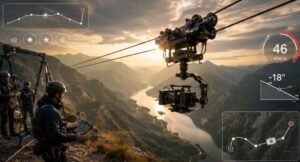
These fast-changing conditions also make it important to anticipate technical failures and communication issues, especially when solving cable cam problems during a live broadcast, where delays, unexpected movement, or access restrictions can quickly affect both safety and the shooting schedule.
The lead rigger and assistant director should agree on when the area becomes sterile, who confirms that it is clear, and when normal access resumes. This procedure should be repeated before every lift or movement rather than assumed from an earlier briefing.
Use Clear Communication and Stop Commands
Before movement begins, everyone involved should know the approved hand signals, radio channel, emergency stop command, and restart procedure. Radio messages should be brief and acknowledged. If communication is lost, the operation must stop.
A useful sequence is:
- The lead rigger confirms that the equipment is ready.
- The zone marshal reports that the boundary is secure.
- Department heads confirm that their personnel are clear.
- The signal person communicates with the operator.
- A slow test lift verifies balance and connection security.
- Full movement begins only after the test is accepted.
Music playback, effects, machinery, darkness, or crowd noise may require additional spotters or visual signals, similar to the monitoring procedures used in a photo enforcement safety program.
Keep Escape Routes and Work Areas Clear
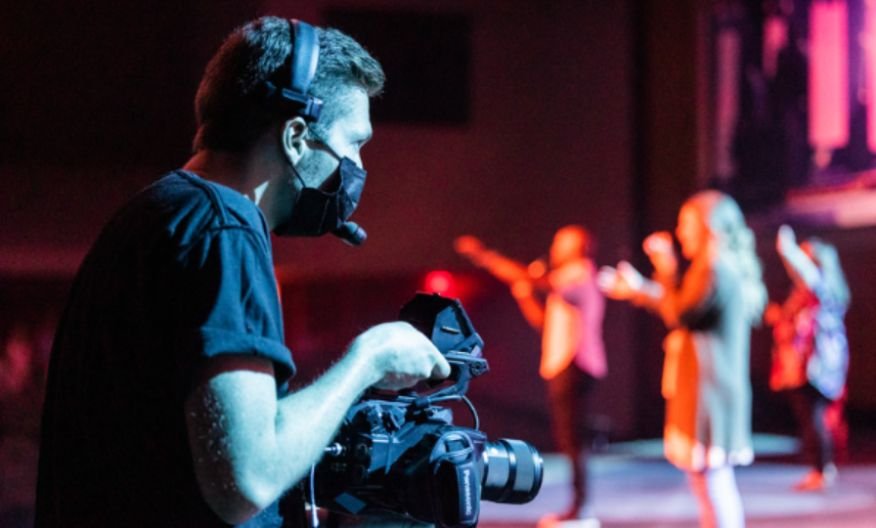
Cases, tools, loose hardware, power cables, and unused rigging equipment should be stored away from access routes. Cables crossing walkways should be rerouted or protected. Emergency exits, fire lanes, and equipment shutdown points must remain accessible.
Good housekeeping also protects the rig. Hardware left on the floor can be damaged, contaminated, misplaced, or unknowingly returned to service after impact.
Know When the Operation Must Stop
Work should stop when a person enters the restricted zone, communication fails, equipment behaves unexpectedly, weather exceeds the approved limits, or the load becomes unstable. The same applies when an inspection reveals damage or the planned route becomes obstructed.
Crews should also follow clearly documented cable camera emergency stop procedures for film crews so operators, spotters, and department leads know exactly how to halt movement, secure the system, and prevent an unsafe restart after an unexpected event.
Production pressure does not change load capacity or remove a hazard. A brief delay is easier to manage than an injury, damaged equipment, or uncontrolled load.
Frequently Asked Questions
1. What is the first step in managing rigging safety on a crowded production set?
Begin with a task-specific risk assessment and assign one qualified person to control the rigging operation. Establish the load path, restricted area, communication chain, and stop-work procedure before equipment moves.
2. Who should be allowed inside a rigging exclusion zone?
Only trained personnel who are essential to attaching, guiding, operating, monitoring, or receiving the load should enter. Everyone else should use an alternative route.
3. How often should rigging equipment be inspected?
Equipment should be inspected before use, at appropriate intervals during operation, and whenever it may have been damaged or affected by changing conditions. Formal periodic inspections should also follow applicable requirements and manufacturer instructions.
4. Can warning tape create an adequate exclusion zone?
Warning tape can identify a boundary, but it may not control access on a busy set. Barriers, designated entry points, marshals, clear briefings, and active supervision provide stronger protection.
Final Take
I believe the safest sets are not necessarily the quietest or least complicated. They are the ones where everyone understands who controls the operation, where they may stand, and how to stop work without hesitation.
By combining competent supervision, inspected equipment, active access control, clear communication, and continuous reassessment, I can help a production protect its people without sacrificing an efficient workflow.