


A great tracking shot can make the camera feel almost invisible. Instead of watching a scene from the outside, the viewer moves with it—following a character through a crowded hallway, racing beside an athlete, or gliding into a moment before the audience even realizes the camera has changed position.
When I think about how to shoot a tracking shot, I focus less on flashy movement and more on control. The magic comes from matching the camera’s pace with the subject, choosing the right lens and support system, maintaining focus, and planning every step before recording. With the right technique, even a simple walk through a room can become one of the most cinematic shots in a sequence.
What Is a Tracking Shot in Filmmaking?
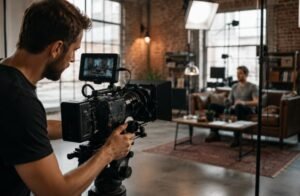
A tracking shot happens when the camera physically moves through space while following, leading, approaching, retreating from, or moving alongside a subject. Unlike a pan or tilt, the camera changes position.
Filmmakers use this camera movement to reveal locations, build suspense, add energy, or keep viewers connected to a character. It can turn an ordinary walk through a room, stadium, street, or set into a more immersive cinematic experience.
Which Tracking Method Should You Choose?
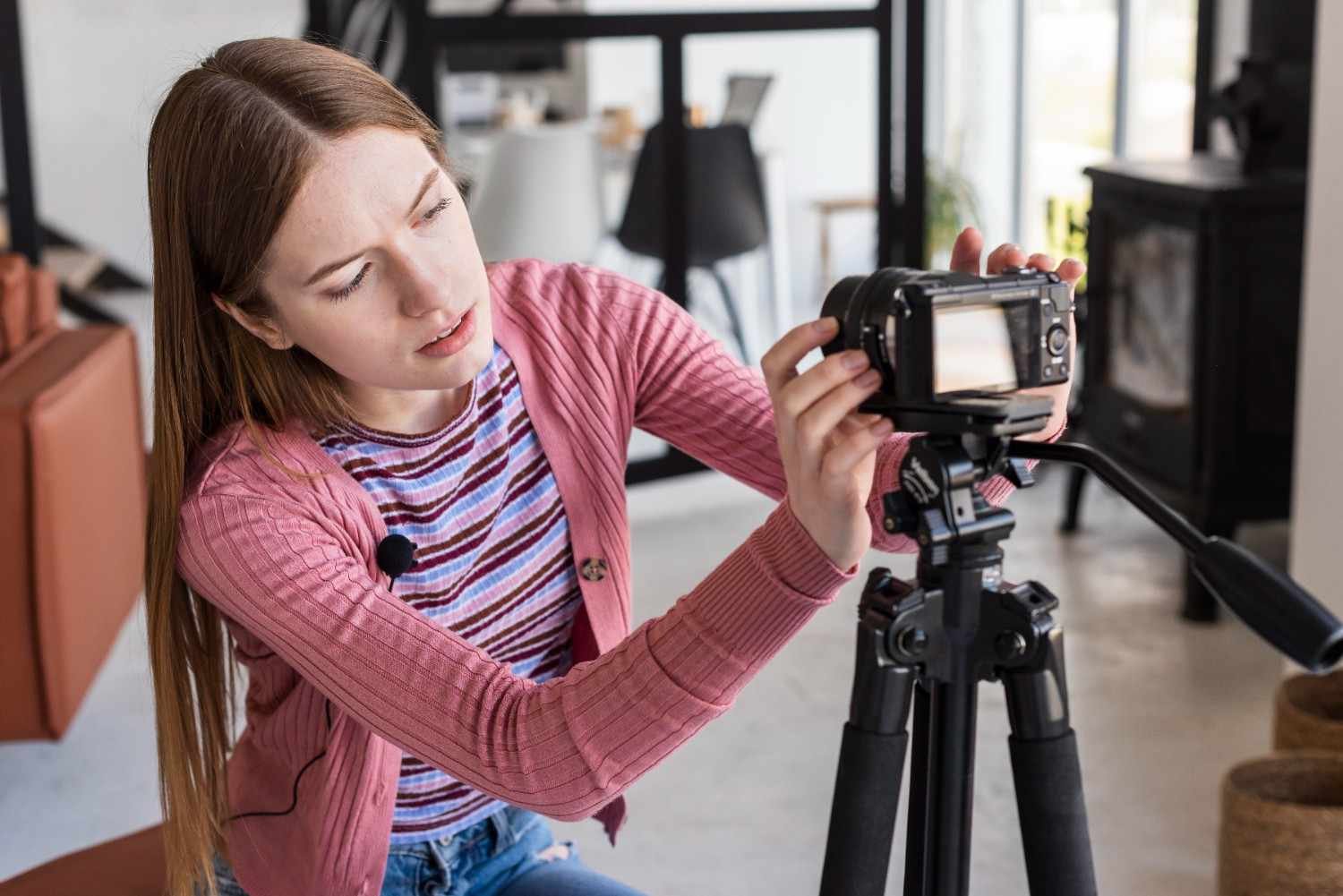
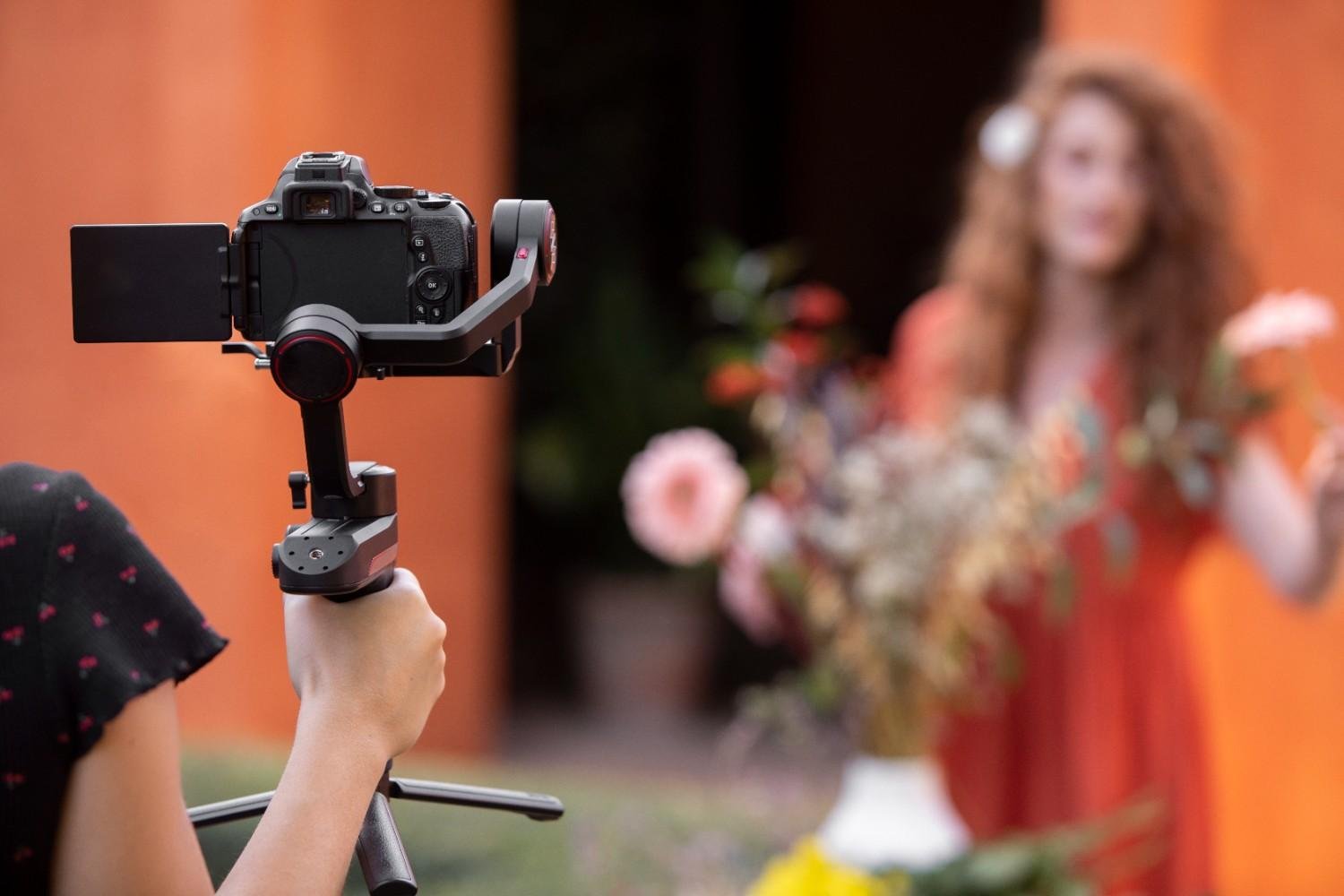
Your support system shapes the physical texture and mood of the shot. I use a gimbal or Steadicam for smooth, free-roaming movement through hallways, sidewalks, interiors, or uneven terrain. These tools work especially well when the camera path cannot follow a perfectly straight line, especially when working with an outdoor film shooting camera in changing locations.
A dolly and tracks work better when I need precise, fluid, and repeatable linear movement. Because the route remains controlled, dolly shots are useful when actors must repeat the same blocking across multiple takes.
Handheld shooting creates a grittier, high-energy documentary feel. On lower-budget productions, wheelchairs, office chairs, skateboards, and compact camera sliders can produce surprisingly smooth movement on level surfaces when used safely.
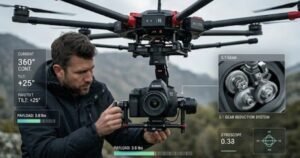
Drones are best for sweeping, wide, overhead, and aerial tracking shots where ground-based camera equipment cannot create the same perspective.
What Camera Settings Work Best for Tracking Shots?
Moving the camera introduces motion blur, changing exposure, and focus shifts, so I configure these variables before the first take.
For a traditional cinematic look, 24 fps with approximately a 1/48 or 1/50-second shutter is a practical starting point. At 30 fps, around 1/60 second generally maintains natural-looking motion blur.
If I specifically want slow motion, I may shoot at 60 fps. On a 30 fps timeline, that footage can be slowed to 50 percent speed. On a 24 fps timeline, it can be slowed to 40 percent.
I also lock ISO, shutter speed, and white balance manually whenever shooting conditions allow it. Automatic settings can create distracting exposure or color shifts as the camera passes windows, practical lights, LED fixtures, or brighter areas of a location.
A moderately deep depth of field can also make moving shots easier. An aperture such as f/4 or f/5.6 gives the subject more room to remain inside the focus plane.
When I focus manually, I turn on focus peaking so I can monitor sharpness in real time. Continuous autofocus can work well on modern mirrorless and cinema cameras, while larger production crews may use a wireless follow-focus system with a dedicated focus puller.
How Should You Frame a Tracking Shot?
Camera position changes the storytelling perspective.
In a leading shot, I move backward in front of the subject so the camera captures facial expressions and reactions. A trailing shot follows the subject from behind, which can build suspense or introduce an environment from the character’s point of view.
Lateral tracking moves parallel to the subject and works especially well for walk-and-talk dialogue scenes, athletes, cyclists, runners, and moving vehicles.
Center framing creates another distinctive look. Keeping the subject near the middle of the frame allows the surrounding environment to move dynamically around them.
Lens choice matters too. A 24mm, 28mm, or 35mm lens on a full-frame camera is often forgiving because wider focal lengths show more environment and make minor stabilization errors less noticeable. Longer lenses create attractive compression but also magnify shake and make focus more demanding.
How Do You Block and Rehearse a Tracking Shot?
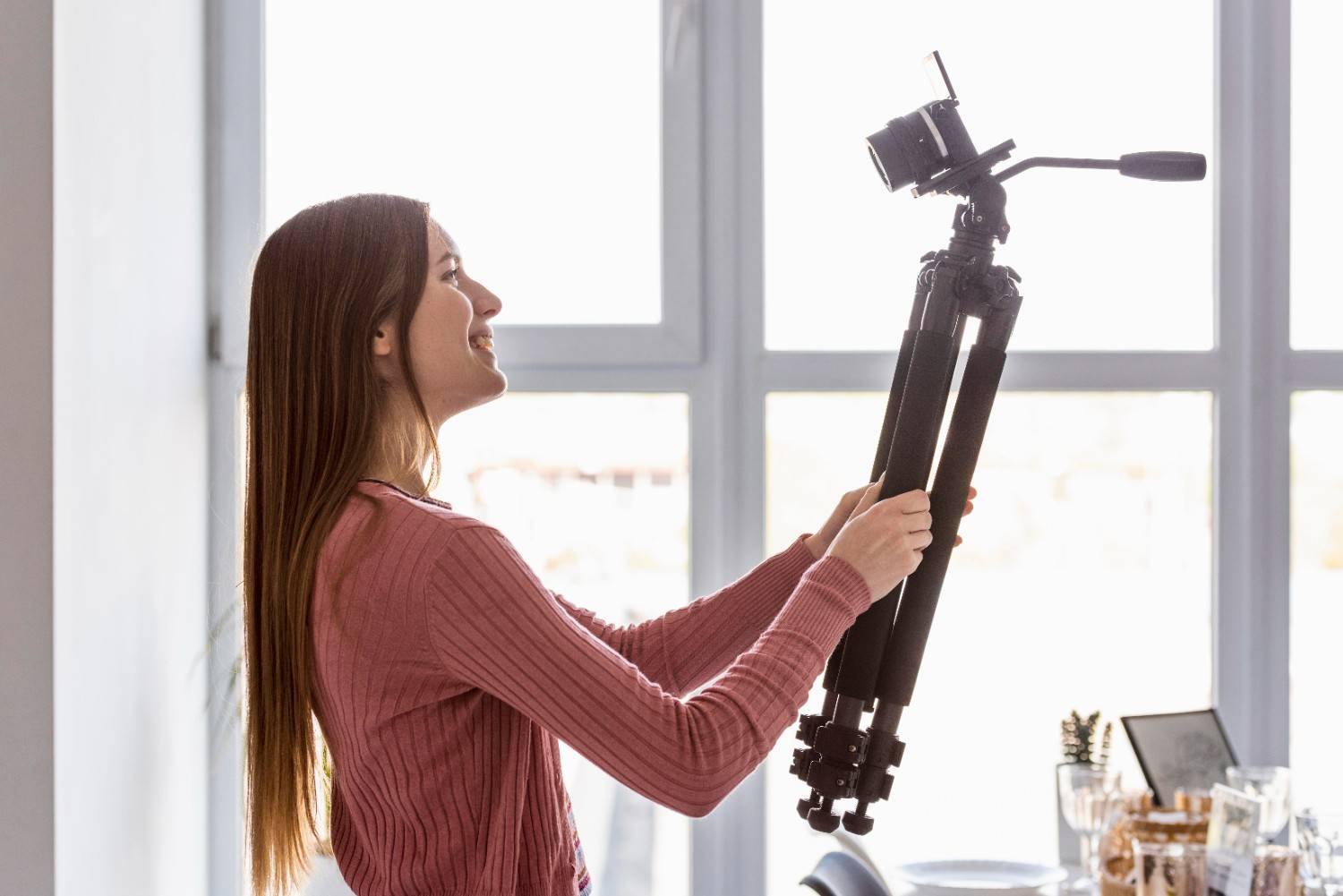
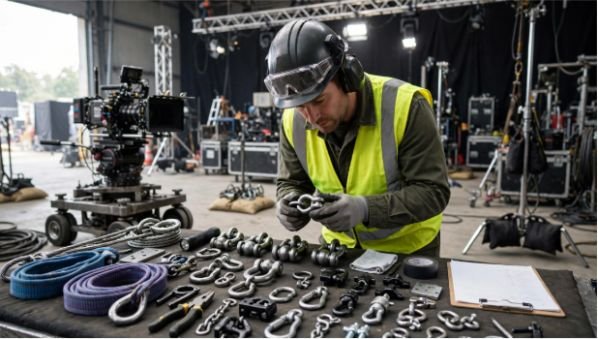
Before recording, I walk the entire camera path. I check for cables, furniture, uneven flooring, debris, unwanted shadows, reflections, crew members, and anything that could create a tripping hazard.
Next, I synchronize my pace with the subject. Maintaining a consistent camera-to-subject distance helps preserve framing and makes focus easier to predict. Actor marks and camera marks also improve repeatability.
I sometimes use environmental depth to make a tracking camera movement feel faster and more cinematic. Background actors, foreground objects, vehicles, or props moving in the opposite direction can increase parallax and create stronger separation between different layers of the frame.
Rehearsals are essential because they expose focus changes, lighting problems, blocked sightlines, timing mistakes, and unsafe sections before the camera rolls.
How Do You Keep a Tracking Shot Smooth While Walking?
When I operate handheld or use a gimbal, I keep my knees slightly bent, relax my arms, and take controlled heel-to-toe steps. Many camera operators call this the “ninja walk” because it helps reduce vertical bounce.
I monitor the subject instead of constantly looking at the ground. When a leading shot requires me to walk backward, I prefer having a spotter guide my path. Smooth footage is never worth creating an unnecessary safety risk on set.
Consistent speed matters just as much as stabilization. Sudden acceleration or deceleration can make technically stable footage feel unnatural.
Can You Shoot a Tracking Shot Without Expensive Gear?
Absolutely. A stabilized smartphone, monopod, small slider, wheelchair, rolling office chair, or skateboard-style platform can create effective camera movement techniques for beginners without requiring expensive cinema gear.
What matters most is having a smooth surface, planned camera path, controlled pace, and consistent framing.
If the ground is rough or the equipment is difficult to control, I simplify the movement instead of forcing an ambitious shot. A controlled five-foot glide can look more professional than a complicated twenty-foot move that becomes unstable halfway through.
What Tracking Shot Mistakes Should You Avoid?
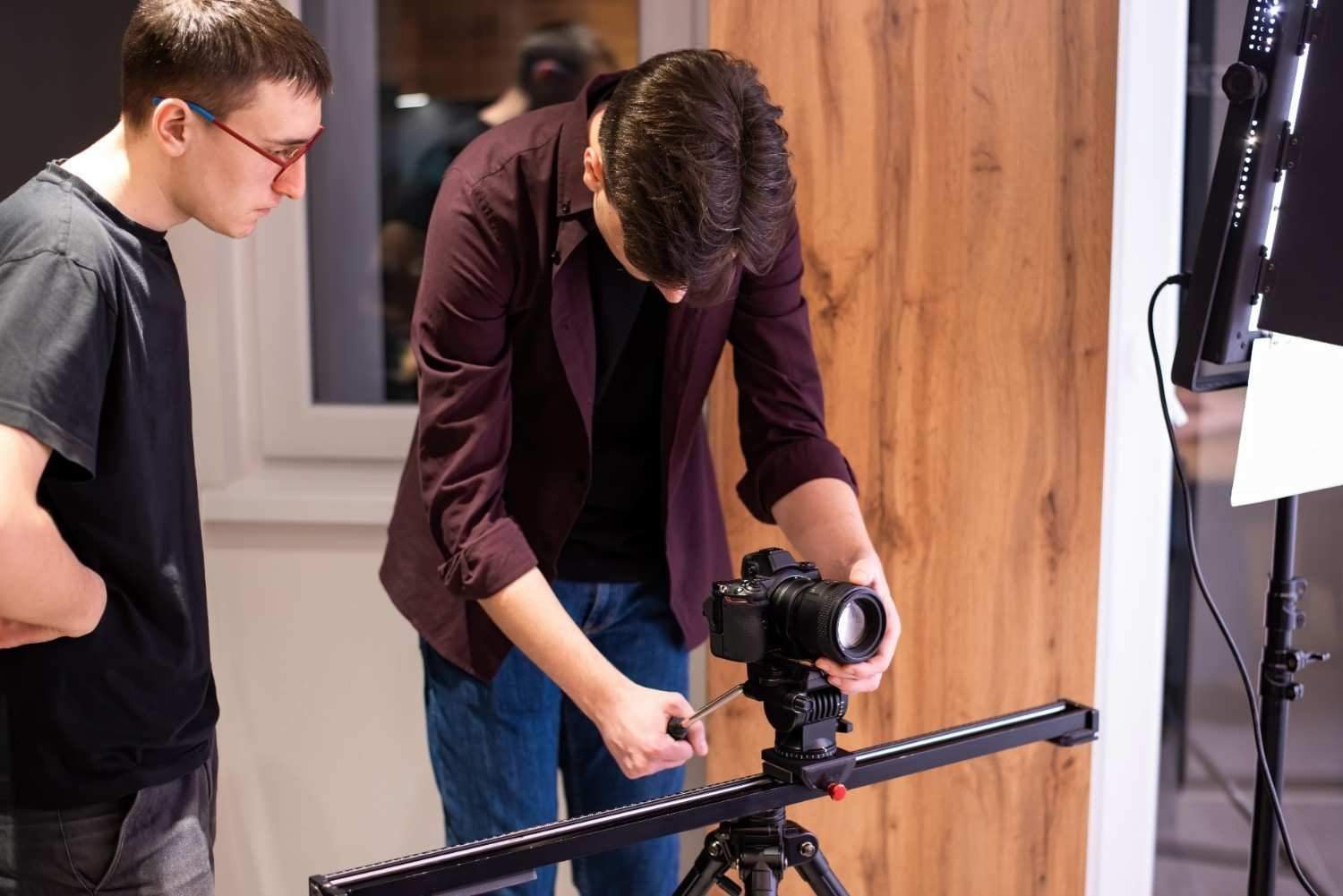
The biggest mistake I see is treating stabilization as the entire shot. Smooth footage cannot repair weak composition, missed focus, inconsistent subject distance, poor lighting transitions, or camera movement that adds nothing to the story.
Skipping rehearsal creates another common problem. Complex tracking shots require the camera operator, actor, focus puller, and other crew members to synchronize their movement before filming.
I also avoid choosing a focal length or camera route simply because it looks impressive. The best tracking camera movement should make the scene clearer, more immersive, or more emotionally effective.
Frequently Asked Questions (FAQs)
1. What is the easiest way to learn how to shoot a tracking shot?
Start with one person walking at a steady pace and use a relatively wide lens. Practice following from behind, leading from the front, and moving alongside the subject while maintaining consistent distance, speed, and framing.
2. Do You Need a Gimbal for a Tracking Shot?
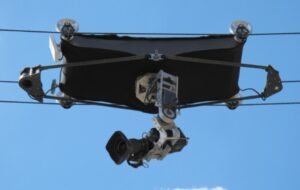
No. You can create tracking shots with a dolly, Steadicam, handheld camera, slider, vehicle mount, cable camera, drone, smartphone, or DIY rolling platform. The right equipment depends on the movement and visual style you want.
3. Is 60 FPS Better for Tracking Shots?
Not always. I use 60 fps when I specifically want slow motion or additional flexibility during post-production. For natural-speed cinematic camera movement, 24 fps remains a common choice.
Final Takeaway
For me, a strong tracking shot comes from coordination rather than equipment. Understanding the types of camera movements in film helps me choose the right approach, but the camera path, subject speed, framing, lens choice, focus strategy, exposure, operator technique, and rehearsal all need to work together.
Start with simple movements and learn to maintain framing before making the camera path longer or more complicated. Once those fundamentals become consistent, gimbals, dollies, Steadicams, drones, sliders, and more advanced camera systems become creative tools rather than shortcuts.