



I was standing beside the main stage when the weather changed without warning. Thousands of fans were moving toward the headline performance, the lighting director was testing the brightest cues of the evening, and our camera operators were waiting for their final instructions.
Within minutes, light rain covered the site and one of our planned camera routes became unusable. That moment captured the reality of behind the scenes of filming a large music festival: careful preparation matters, but the crew must always be ready to rewrite the plan.
A finished festival film may look effortless. In reality, every sweeping crowd shot, emotional close-up and perfectly timed cut depends on months of preparation, a coordinated crew and equipment chosen for a specific purpose.
Defining the Festival Production Brief
Production begins by deciding what the film must accomplish. A cinematic aftermovie, artist documentary, livestream and screen feed all require different workflows. Some events need every performance recorded, while others want a short film focused on atmosphere and audience emotion.
The production team confirms the number of stages, performance schedule, final deliverables and turnaround time. It also identifies moments that cannot be recreated, including gates opening, headline entrances, crowd reactions, fireworks and the closing performance.
Festival organizers, artist representatives and technical departments must approve the plan. Music rights, appearance releases, backstage access and filming permissions should be settled before equipment reaches the site.
Surveying a Large Festival Site
A site survey reveals problems that cannot be solved from a map. The director and technical crew walk between stages, examine audience entrances and locate the production-control area. They also inspect power sources, protected cable routes, emergency lanes and positions that could become congested.
Camera locations are selected according to the story each position must tell. An elevated wide camera establishes the scale of the venue. Long-lens cameras capture performers without interfering with the stage. Cameras near the barrier provide dramatic low angles, while roaming operators record food areas, installations and spontaneous audience moments.
Every position needs an alternative. A route that appears clear during setup may become inaccessible once thousands of people enter the grounds.
Building the Camera Package
Fixed and Long-Lens Cameras
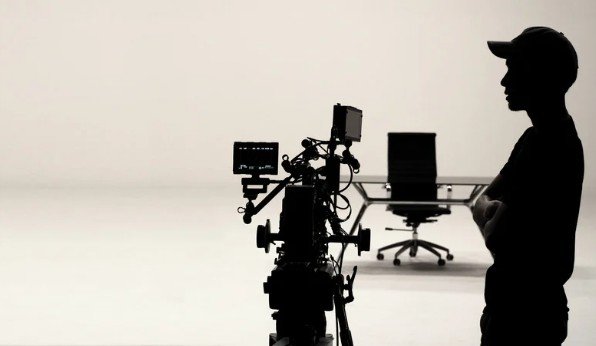
Locked wide cameras provide reliable coverage when another operator is moving or temporarily blocked. Long broadcast lenses capture singers, musicians and stage details from a safe distance. These cameras become particularly valuable when photographers, security personnel or special effects restrict access near the stage.
Mobile Camera Units
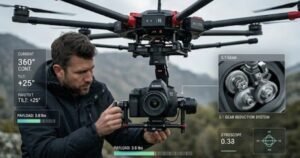
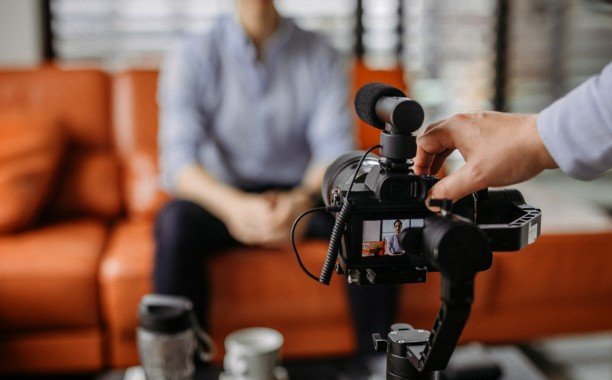
Gimbal and shoulder-mounted cameras bring viewers into the crowd. They capture artists entering the stage, fans singing together and the movement between festival areas. Similar mobility principles can be seen in the detention facilities’ use of shoulder mounted cameras, where operators must navigate controlled spaces while maintaining stable coverage. Mobility creates energy, but operators need spotters in dense crowds and must follow approved pathways.
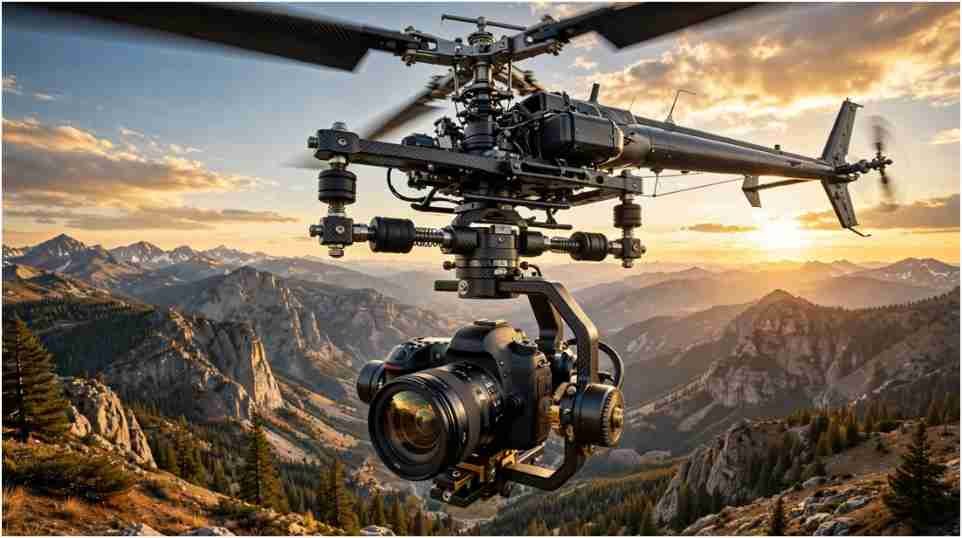
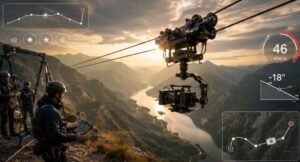
A jib, crane or cable-supported system can add dramatic movement when the site, weather and safety plan permit it. Such equipment requires certified installation, controlled operating space and clearly defined exclusion zones.
Coordinating the Production Crew
Large festival filming is a communication exercise as much as a visual one. Camera operators, the director, technical director, stage managers, audio engineers, data crew and production assistants must work toward the same objective.
Operators receive camera numbers and specific responsibilities. One may follow the lead performer, another may concentrate on musicians, while a mobile operator searches for audience reactions. This division prevents every camera from capturing the same subject.
Intercom systems allow the director to preview shots and cue operators. Tally lights show which camera is live. Clear commands are essential because operators may be working beside powerful sound systems where ordinary conversation is impossible.
Directing Performances in Real Time
Music cannot be directed like a scripted scene. The vision director studies artist set lists, rehearsals and performance habits whenever that information is available. Recognizing a song’s structure helps the director anticipate solos, beat drops and audience singalong moments.
Wide shots establish spectacle, medium shots show interaction, and close-ups reveal emotion. Cutting too quickly can make a performance feel chaotic, while holding one angle for too long can flatten its energy. The strongest direction follows the rhythm without turning every beat into a new shot.
Managing Sound and Synchronization
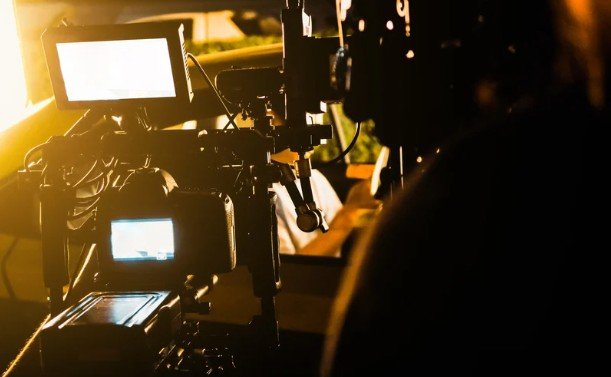
Powerful pictures cannot rescue poor concert audio. The production team normally receives a dedicated feed from the front-of-house mixing system while recording audience ambience separately. Combining the clean performance feed with cheers and natural venue sound makes viewers feel present.
Timecode and synchronization keep footage and sound aligned across multiple cameras. For live switching, cameras may also require genlock or a shared reference signal. These technical checks are completed before performances begin, not after the audience arrives.
Handling Weather, Power and Signal Problems
Outdoor productions must prepare for heat, dust, wind and rain. Weather-resistant covers, dry storage, lens cloths and protected connections should remain accessible throughout the event.
Power plans include tested circuits, suitable distribution and backup options for critical systems. Batteries are rotated and labelled so depleted units never return to active cases.
Wireless video offers freedom but may encounter interference from crowded networks and physical obstructions. A wired or locally recorded backup protects valuable footage if transmission fails. The team also tests communication channels across the entire site before doors open.
Protecting the Crowd and Crew
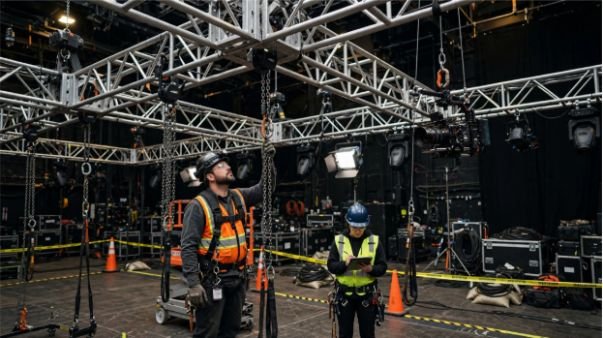
No image is worth creating an avoidable hazard. Cables crossing public areas need ramps or secure routing. Camera platforms must be approved for their loads, and mobile operators require safe paths through the audience.
Crew members also need realistic breaks, hydration, hearing protection and weather-appropriate clothing. Long festival days can reduce concentration, making fatigue a production and safety risk.
Securing Footage During the Event
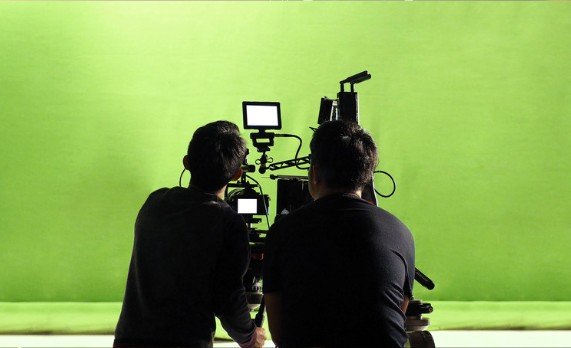
Media management begins while filming continues. Cards are labelled, logged and delivered to a controlled area. Footage is copied using verification software and stored in at least two separate locations before a card is cleared.
Editing the Festival Story
Editors first synchronize recordings and review essential moments. The film is then built around a narrative rather than a random collection of attractive shots. Arrival footage creates anticipation, daytime activity establishes place, evening performances raise the energy, and the final sequence delivers emotional release.
Color correction matches different cameras and changing stage lights. Audio mixing balances music with audience atmosphere, while graphics identify artists without interrupting the experience. Short social edits can be produced alongside the main film, but each version should be designed for its platform instead of merely cropped.
Frequently Asked Questions
1. What happens behind the scenes of filming a large music festival?
The process includes pre-production meetings, permissions, site surveys, camera planning, crew assignments, audio coordination, live direction, footage backups and post-production.
2. How many cameras are needed to film a festival?
The number depends on the stages and deliverables. A smaller production may use four to six cameras, while a major multicamera broadcast can require dozens across several performance areas.
3. How is clear audio recorded at a live festival?
The video crew generally combines a feed from the event’s sound system with separately recorded audience and venue ambience.
4. How long does a festival film take to edit?
A short recap may be delivered quickly, while a multicamera concert film can require several weeks of synchronization, reviewing, editing, color grading and sound mixing.
Lessons Carried Forward
I left the site exhausted, but the experience reinforced something I have learned repeatedly: large productions succeed through communication, redundancy and calm decisions. The most memorable images were not always those we planned months earlier. Several emerged when weather, crowds or performance changes forced us to adapt.
That is why behind the scenes of filming a large music festival is ultimately a story about people. Cameras record the spectacle, but preparation and teamwork make certain the spectacle is never lost.