



A cinematic shot can change the way a scene feels before a single word is spoken. A slow push toward a nervous face can build tension, while a sudden pullback can make the same character feel small and exposed. That is the power of camera movements for cinematic video—they turn motion into emotion.
When I plan a shot, I do not move the camera simply because the frame looks too still. I use movement to reveal information, control attention, create depth, and shape how the audience experiences the moment.
Whether I am filming a short film, commercial, YouTube video, sports sequence, or branded production, the best camera movement always begins with one question: what should the viewer feel next?
What Makes Camera Movement Look Cinematic?
I start with motivation. Before moving the camera, I decide whether I want to follow action, reveal space, increase tension, emphasize scale, or bring the viewer closer to a subject.
Smooth motion alone does not create a cinematic shot. Composition, lens choice, stabilization, blocking, and speed all matter. Slow movement can suggest intimacy or anticipation, while fast movement can communicate urgency, shock, or chaos.
Which Rotational Camera Movements Should You Learn?
How Does a Pan Shot Work?
A pan rotates the camera horizontally from a fixed position. I use it to follow action, reveal a wide environment, connect subjects, or uncover information outside the frame.
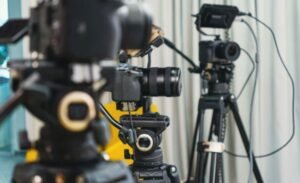
A fluid-head tripod can make slow pans feel more controlled, but the important part is knowing where the move should begin and end.
When Should You Use a Tilt Shot?
A tilt angles the camera up or down without relocating the camera base. Tilting up can emphasize height, scale, or dominance. Tilting down can reveal where a character stands or introduce information below the frame.
This works particularly well when I want the viewer to discover something gradually instead of seeing the entire scene immediately.
What Is a Camera Roll?
A roll rotates the camera around its optical axis and can create imbalance, disorientation, or psychological tension.
It may lead into a Dutch-angle composition, but the two terms are not identical. A roll describes actual rotational movement, while a Dutch angle can remain completely static.
Which Camera Movements Physically Travel Through Space?
Why Use a Dolly Push-In or Pull-Out?
A push-in moves the camera closer to the subject, heightening tension, building intimacy, or emphasizing a reaction.
A pull-out moves away, often revealing context, danger, or isolation. I might start close on a character and gradually reveal a much larger environment around them.
Unlike a zoom, a dolly move changes perspective because the camera physically travels through space.
What Is the Difference Between Trucking and Tracking?
A truck moves laterally, usually parallel to a subject. Foreground and background elements can create strong parallax.
I often use trucking movement for walking scenes, sports sequences, vehicle footage, and product videos where sideways motion adds energy.
A tracking shot is broader. The camera follows a subject and may travel forward, backward, sideways, or along a complex path. Dollies, gimbals, Steadicams, handheld rigs, and vehicles can all create tracking shots.
How Do Pedestal, Boom, and Arc Moves Work?
A pedestal raises or lowers the entire camera vertically without tilting the lens.
A boom or jib can also sweep through a wider path for reveals, crowds, and establishing shots. These movements can uncover layers of a location while maintaining controlled framing.
An arc or orbit travels around a subject. I use it for energy, transformation, drama, or heroic scale, but only when the scene justifies it. Circling a subject simply because the shot looks impressive can quickly feel artificial.
Which Lens and Advanced Techniques Create Cinematic Effects?
A zoom changes focal length without moving the camera. Slow zooms guide attention, while a crash zoom moves abruptly to create shock, comedy, retro energy, or a dramatic reaction.
A dolly zoom combines physical camera movement with an opposing zoom. The subject stays roughly the same size while the background stretches or compresses, creating the familiar “vertigo” effect.
Rack focus is useful too, although it is not technically camera movement. It shifts focus between foreground and background subjects to redirect narrative attention.
I think of rack focus as a related cinematography technique because it changes where the audience looks without physically moving the camera.
Should You Use a Gimbal or Handheld Camera?
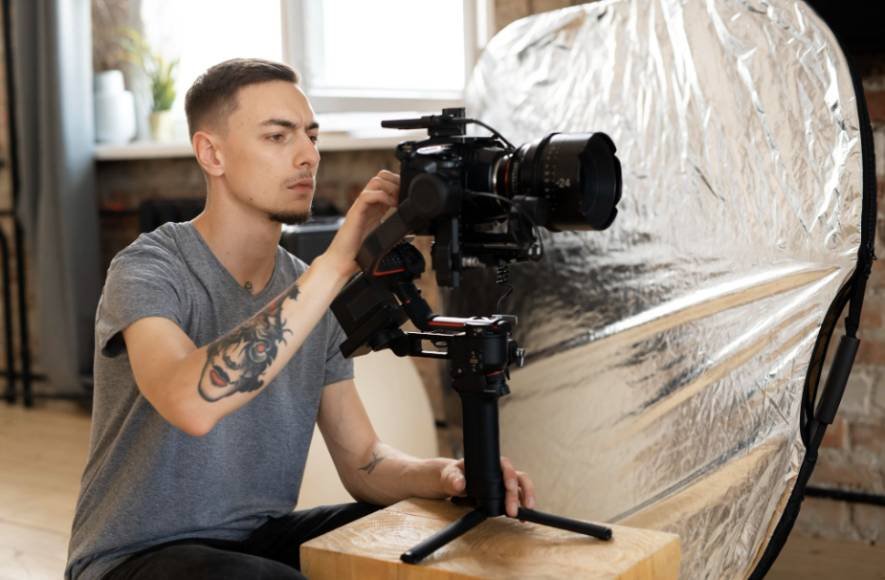
A gimbal produces smooth, controlled movement for walkthroughs, commercials, events, real estate videos, music videos, and tracking shots.
However, smooth footage is not automatically cinematic. The route, subject position, pace, foreground, and ending composition still need purpose.
Handheld movement creates a different feeling. Controlled natural shake can add urgency, realism, panic, or vulnerability. I stabilize my stance and breathing so the movement feels intentional.
A polished commercial may benefit from gimbal stability, while an intense dramatic or action sequence may feel stronger with controlled handheld energy.
When Should You Use Crane, Jib, or Drone Shots?
Crane and jib shots can reveal large spaces, change height, or end a scene with a dramatic pullback.
They are particularly effective when I want to transition from an intimate composition to a wider view that shows scale.
Drone shots can establish geography, follow vehicles, reveal properties, or introduce outdoor locations. For U.S. productions, I check applicable FAA requirements, airspace restrictions, property permissions, and local production rules before planning aerial footage.
The creative rule stays the same: aerial movement should explain geography, scale, or action rather than exist only because drone footage looks impressive.
What Is Motivated vs. Unmotivated Camera Movement?
Motivated movement responds to visible action. The camera may follow a character or adjust to keep a moving subject framed.
Unmotivated movement is still intentional, but it operates independently of character movement. A slow push-in may suggest internal thought, while a pull-out can reveal danger the character has not noticed.
This principle is central to camera movements for cinematic video because it forces me to ask why the audience needs the camera to move.
The most effective cinematography usually comes from answering that question before choosing a gimbal, dolly, lens, or rig.
What Camera Movement Mistakes Make Footage Look Amateur?
The biggest problem I see is unnecessary motion.
Overusing gimbal orbits, moving too quickly, ignoring foreground composition, cutting before the move settles, or combining several techniques without a clear reason can weaken polished footage.
I build the composition first and add movement second. If a static frame communicates the idea better, I keep the camera still.
That restraint often makes the shots that do move feel more powerful.
Frequently Asked Questions
1. What Are the Best Camera Movements for Beginners?
I recommend pans, tilts, push-ins, pull-outs, trucking, tracking, and controlled handheld shots. They cover most common production situations.
2. Do I Need a Gimbal to Make Cinematic Footage?
No. Tripods, sliders, dollies, shoulder rigs, handheld techniques, and jibs can all create cinematic results. Storytelling and shot design matter more than one stabilizer.
3. What Camera Movement Works Best for Emotional Scenes?
A slow push-in often builds intimacy or tension, while a pull-out can emphasize distance or isolation. I choose according to what the viewer should feel.
4. How Can I Practice Camera Movement?
I film the same subject with a static shot, pan, tilt, push-in, pull-out, track, arc, and handheld version. Comparing them shows how each technique changes emotion and perspective.
5. Why Are Camera Movements Important in Visual Storytelling?
Camera movements for cinematic video can guide attention, reveal information, establish geography, change perspective, build tension, and strengthen the viewer’s emotional connection to a subject.
Final Thoughts
I follow one rule: movement should serve the story. A smooth orbit can feel empty, while a small handheld adjustment or slow push-in can transform a scene when the timing is right.
I plan the emotion first, choose the movement second, and select the gear last. That approach helps every shot feel intentional instead of decorative.