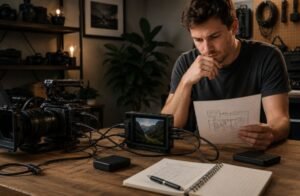




I entered this production believing that strong preparation would protect us from most problems. I quickly discovered that scale changes everything. More crew members, locations, equipment, approvals, and deliverables created hundreds of opportunities for small issues to become expensive delays.
These lessons learned from large-scale cinematography project helped me understand that successful cinematography depends on much more than beautiful lighting and an impressive camera package.
Define the Visual Language Before Selecting Equipment
One of our most valuable early decisions was agreeing on the production’s visual language. We discussed composition, colour, contrast, camera movement, aspect ratio, and emotional tone before choosing equipment.
We also considered techniques such as when to use Dutch angle shots, since deliberate camera tilts can reinforce tension, instability, or unease when they support the story rather than distract from it.
A fashionable camera does not automatically suit a story. The visual intention should determine the technical package. Creating a shared reference deck also helped the director, cinematographer, production designer, costume team, and colourist work toward the same result.
Build the Shot List Around Available Time
Our original shot list represented everything we wanted creatively, but it did not always reflect what we could realistically capture. Moving equipment such as tripod, resetting lights, rehearsing performers, and managing locations took longer than expected.
Prioritise Essential Coverage
We eventually separated shots into three groups: essential story coverage, creatively valuable shots, and optional material. This allowed us to protect the narrative when the schedule tightened.
Every complex production needs this hierarchy. Without it, a team may spend too long perfecting an optional shot and rush through a scene the final edit cannot work without.
Test the Complete Camera Workflow
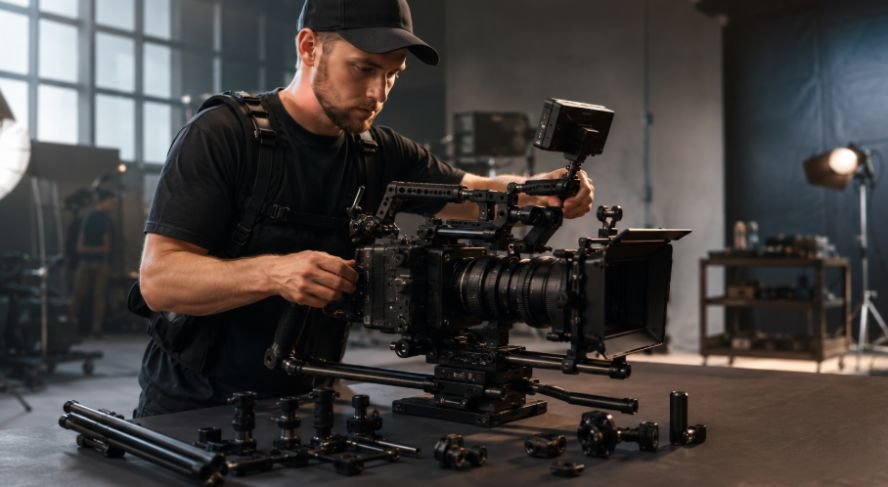
Testing a camera body and lens is not enough. The complete workflow must be tested from capture to final delivery.
Our tests included lenses, filters, recording formats, frame rates, monitoring, media capacity, data transfers, editorial proxies, colour management, and final export requirements. This revealed compatibility and storage issues while they were still inexpensive to correct.
A technical test should imitate a real shooting day. Record representative footage, transfer it, back it up, edit it, grade it, and export it in the required format.
Involve Department Heads Early
Large productions become inefficient when departments plan independently. A camera decision may affect lighting, grip, sound, costume, visual effects, locations, safety, and post-production.
We improved coordination by involving department heads during technical planning. Short, focused meetings prevented assumptions from surviving until the shoot. Each meeting ended with named responsibilities and deadlines, ensuring that decisions became actions.
Create Lighting Plans That Can Adapt
A detailed lighting plan is useful, but conditions rarely remain perfect. Weather changes, performers arrive late, locations become unavailable, and shooting order shifts.
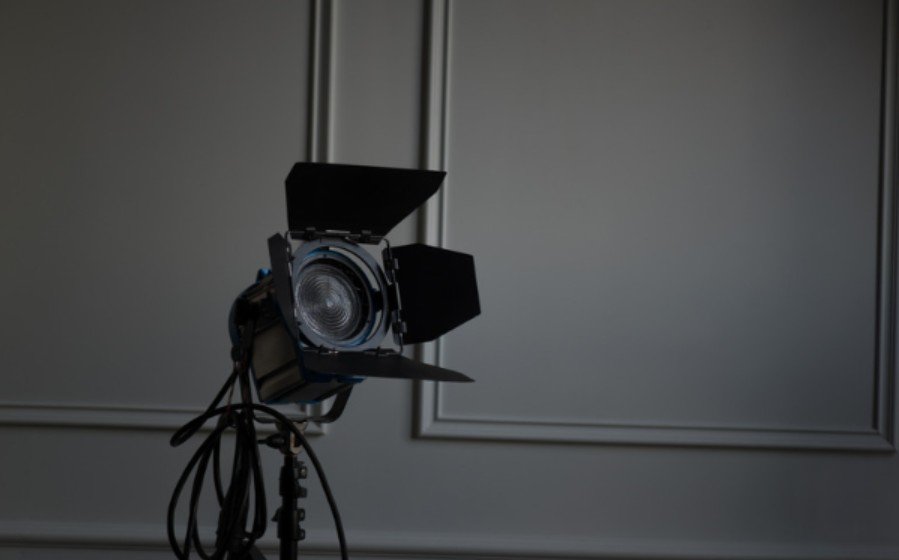
We designed a preferred setup and a simplified backup for important scenes. Pre-rigging, practical lighting, controllable fixtures, and clearly labelled power distribution helped us adapt quickly.
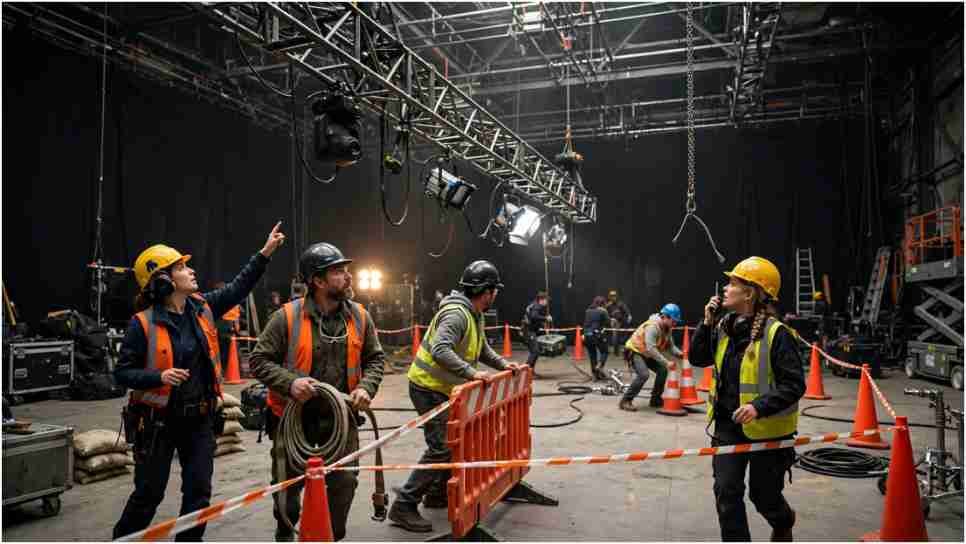
When overhead structures supported lighting or other production equipment, following temporary truss rigging safety for film production procedures was equally important for maintaining secure loads and safe working areas during setup and shooting.
The biggest lesson was to protect the intended mood instead of becoming attached to one exact setup. Flexible lighting preserved visual continuity without stopping production.
Give Every Camera Unit Clear Rules
Multiple cameras can accelerate production, but they can also create inconsistent footage. Each unit needs guidance covering exposure, white balance, filtration, frame rates, movement, composition, lens photography, and recording settings.
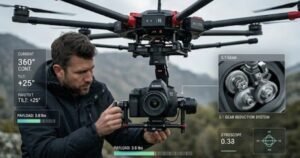
Camera operators should also clearly understand the difference between pan and tilt so movement directions remain consistent across units and support the intended visual language.
We centralised these choices in a short visual guide. Camera teams could make fast decisions while maintaining a consistent style. Regular footage reviews allowed us to identify differences before they affected several days of material.
Treat Communication as a Technical System
Some problems that initially appeared technical were communication failures. A missing update could send equipment to the wrong location, leave a unit unprepared, or cause a lighting team to rig for an outdated shot order.
We established clear communication routes between production, the assistant director, camera, lighting, and post-production teams. Important changes were written down rather than passed through several people verbally.
Good communication does not eliminate pressure. It prevents avoidable confusion from consuming the time needed to solve genuine creative problems.
Prepare Redundancy for Critical Equipment
Backup planning should focus on failure points capable of stopping production. Spare batteries are useful, but redundancy must also cover media, cables, power, monitoring, data storage, camera accessories, and specialised components.
We identified essential items and asked what would happen if each failed. Some required duplicates, while others required a tested alternative workflow. This approach controlled costs without leaving the production exposed.
Protect Footage With a Verified Data Workflow
Footage does not exist safely merely because it has been copied. We used clearly labelled media, documented handovers, verified transfers, multiple storage locations, and daily reports.
No card was cleared until the required copies had been confirmed. File naming and folder structures were agreed upon before production, helping editorial teams locate material without unnecessary delays.
Maintain Continuity Across the Production
Long schedules make visual continuity difficult. Changes in weather, lighting, costumes, blocking, lenses, and camera height may not be obvious on set but can become distracting in the edit.
Reference stills, camera reports, lighting diagrams, and detailed continuity notes gave us a reliable record. Reviewing representative footage each day also helped us detect visual drift while corrections were still possible.
Plan Every Shot for Post-Production
A beautiful isolated shot is not automatically useful. We continually asked how each image would connect with the previous and following shots.
This affected eyelines, movement, screen direction, coverage, handles, visual-effects plates, and clean background elements. Early communication with editorial, colour, sound, and visual-effects teams reduced expensive fixes later.
Review the Project Honestly
After delivery, we conducted a structured review covering what worked, what failed, and what should change. We separated individual mistakes from system failures. Blame does not improve the next production, but an honest examination of processes can.
Useful reviews should result in updated checklists, revised communication methods, better testing procedures, and clearer responsibilities.
Frequently Asked Questions
1. What are the most important lessons learned from large-scale cinematography project?
The most important lessons involve early visual alignment, realistic scheduling, complete workflow testing, departmental communication, adaptable lighting, equipment redundancy, footage protection, and continuous collaboration with post-production.
2. How should a cinematographer prepare for a major shoot?
A cinematographer should study the script, develop visual references, scout locations, test equipment, prioritise shots, coordinate department heads, confirm the post-production workflow, and prepare alternatives for high-risk setups.
3. How can multiple camera units remain visually consistent?
Provide every unit with shared rules for lenses, exposure, movement, filtration, colour, composition, and recording settings. Review footage frequently and correct differences immediately.
4. Why is post-production planning important during filming?
Post-production requirements influence capture formats, coverage, colour management, data storage, visual-effects material, and delivery. Early planning prevents footage from becoming difficult or expensive to finish.
Final Takeaways
I finished the project with a deeper respect for preparation, communication, and adaptability. Cinematography at scale is not only the art of creating compelling images. It is also the discipline of building systems that allow people to create those images consistently under pressure.
If I approached the production again, I would simplify decisions earlier, test every handoff, document changes more carefully, and protect additional time for essential coverage. The camera may capture the final image, but planning, teamwork, and thoughtful problem-solving make that image possible.