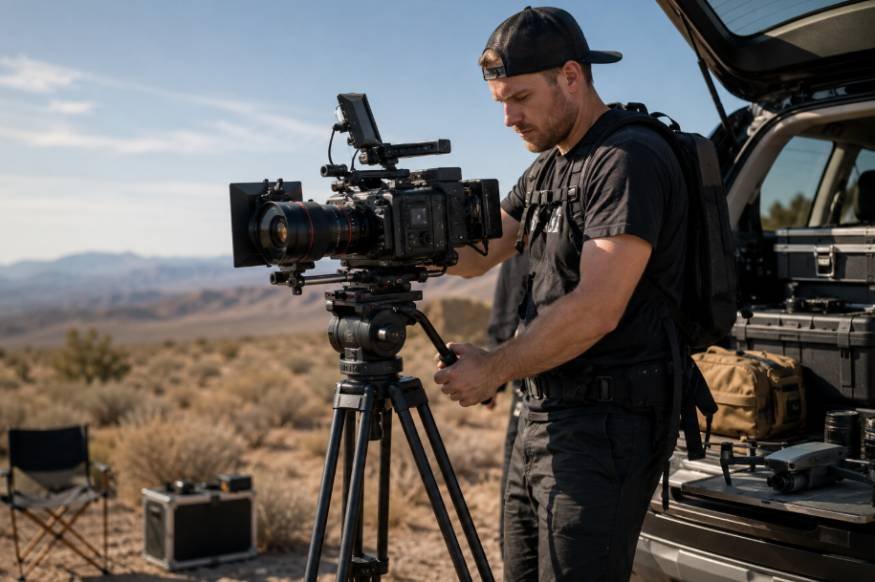




I have learned that the most memorable shots rarely come from convenient places. A narrow corridor, low ceiling, unstable surface, remote structure, or restricted interior can make a standard camera setup impossible. When I approach adapting a custom camera rig for an unusual filming location, I begin with the desired image—not the available equipment. The shot determines the rig, while careful planning keeps creativity from creating unnecessary risks.
A successful custom setup is more than a camera attached to a collection of clamps. It must fit the location, support the complete payload, provide stable footage, protect the equipment, and allow the crew to work efficiently.
Define the Shot Before Building the Rig
Every design should begin with a clear creative objective. The crew must understand whether the camera needs to remain static, travel through the location, follow a performer, rotate around an object, or capture an overhead perspective.
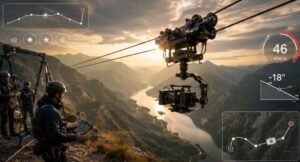
The required shot affects nearly every technical choice. A locked-off angle may only require a compact mounting plate and a secure lens mount, while a moving shot could need a slider, cable system, remote head, or specially fabricated support.
The camera position should also be considered before selecting the lens. A wide lens may accommodate limited working distance, but it can reveal mounting equipment near the edge of the frame. A longer lens offers tighter framing but may exaggerate vibration. Testing both options during preproduction prevents expensive changes on the filming day.
Conduct a Detailed Location Survey
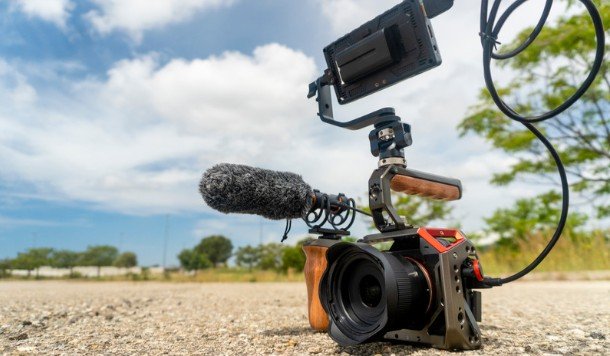
Photographs alone cannot provide enough information for a custom build. During the location survey, the team should record accurate measurements of entrances, corridors, ceiling height, operating clearance, and the proposed camera position.
Identify Physical Restrictions
Measure the smallest opening through which every component must pass. A fully assembled rig may fit inside a room but fail to pass through its doorway. Modular components and quick-release connections can solve this problem by allowing the setup to be transported in smaller sections.
The survey should also identify fragile surfaces, restricted areas, pedestrian routes, vibration sources, and environmental conditions. Moisture, wind, heat, dust, salt, or extreme cold can influence the choice of camera, cables, fasteners, batteries, and protective housing.
Test Power and Communication
Remote placements require reliable power, monitoring, focus control, and communication. Wireless systems should be tested in the actual location because thick walls, metal structures, crowds, and nearby electronic devices can weaken signals.
A wired connection may be more dependable, but every cable needs strain relief and a protected route. Loose cables can interfere with camera movement, pull on ports, or create hazards for the crew.
Reduce the Camera Payload
A smaller payload makes an unusual camera position easier to manage. I would remove accessories that do not directly support the shot and relocate suitable components away from the camera.
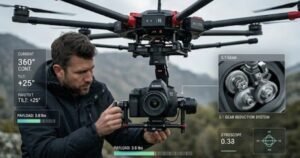
A compact cinema camera or mirrorless body may be more practical than the main production camera. Lightweight lenses, miniature transmitters, remote focus motors, and external power cables can further reduce the load.
However, removing weight must not eliminate essential functions. The camera still needs sufficient recording time, thermal management, lens control, image monitoring, and secure media access. The final configuration should be weighed as a complete package, including the lens, cage, cables, filters, motors, transmitter, battery solution, and mounting hardware.
Design Around Stability and Balance
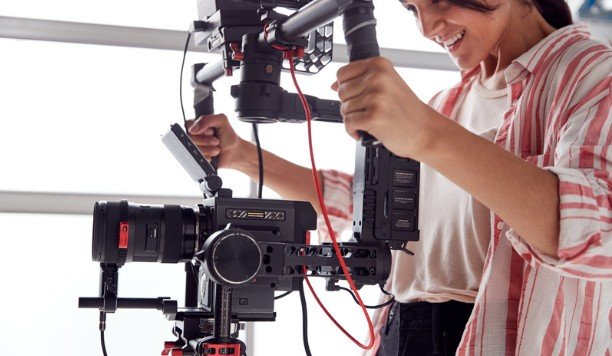
The camera’s center of gravity should sit as close as practical to the principal support. A poorly balanced build places additional stress on fasteners and can introduce unwanted movement.
When planning camera head positions, multiple approved attachment points may improve stability by resisting rotation and vibration. The design should also prevent the camera from twisting inside its cage or on its baseplate. Relying on a single small mounting screw is rarely appropriate for a complex placement.
Triangulation can make a structure more rigid without adding excessive material. Nevertheless, every component must be suitable for its intended use. Improvised household hardware should never replace rated professional equipment in a safety-critical position.
Build and Test a Full Prototype
The first version should be assembled away from the location whenever possible. This gives the camera, grip, and lighting teams time to discover conflicts without delaying production.
Testing should use the complete working payload rather than an empty cage. The crew should confirm that fasteners remain secure, the frame stays level, cables cannot snag, controls respond correctly, and the image remains stable throughout the intended movement.
Review the Recorded Image
A rig can appear steady while producing visible micro-vibrations. Review test footage on a large monitor at normal speed and during slow playback, since unintended shake can undermine the realism of a found footage film or the polish of a conventional production. Check the edges of the frame for supports, cables, shadows, reflections, and unwanted movement.
Run a full-duration rehearsal as well. A setup that performs perfectly for thirty seconds may develop heat, power, signal, or stability problems during a ten-minute take.
Make Safety Part of the Design
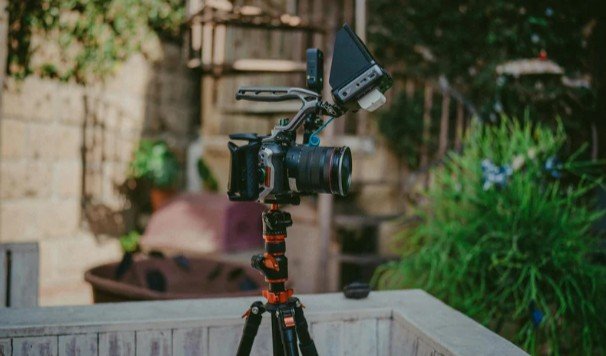
Custom camera work should be reviewed by qualified professionals whenever equipment is elevated, suspended, vehicle-mounted, attached to a structure, placed near performers, or operated in another hazardous position.
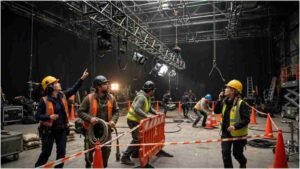
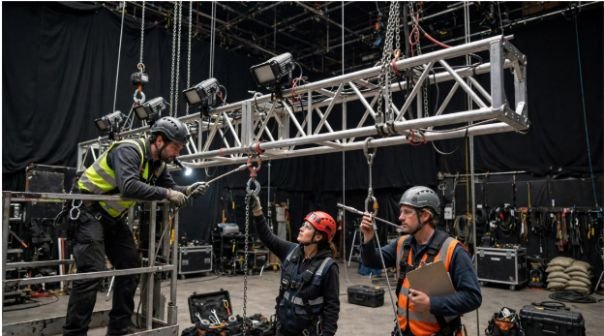
When managing rigging safety in crowded production set environments, the team should establish a known load path, use appropriately rated components, provide independent secondary retention where required, and inspect the installation before operation. An exclusion zone may be necessary to keep people away from equipment positioned overhead or in motion.
A recovery plan is equally important. The crew must know how to retrieve the camera if power, control, movement, or communication fails. Conditions that require work to stop should be agreed upon before filming begins.
Install the Rig in a Controlled Sequence
Assign responsibilities before installation. One person should supervise the rigging operation, while other designated crew members manage the camera, cables, remote systems, and restricted area.
Once installed, photograph connection points and mark fastener positions where appropriate. Even the best camera cage accessories require careful monitoring, and these references help the team detect movement during later inspections. Repeat essential checks after adjustments, impacts, weather changes, or long breaks.
Frequently Asked Questions
1. What is the first step in adapting a custom camera rig?
Begin with the exact frame and movement required. After that, measure the location and determine the smallest safe camera package that can produce the shot.
2. Why is adapting a custom camera rig for an unusual filming location challenging?
The design must solve several connected problems, including limited space, payload, balance, vibration, access, power, monitoring, environmental exposure, and safe installation.
3. How can vibration be reduced?
Keep the center of gravity close to the support, shorten unnecessary extensions, improve structural rigidity, secure cables, balance moving parts, and test the recorded image under realistic conditions.
4. Can a remote camera be left unattended?
A remote camera still requires monitoring, access control, reliable power, a recovery procedure, and periodic inspections. The appropriate level of supervision depends on the location and risk.
Final Perspective
I see adapting a custom camera rig for an unusual filming location as a process of removing uncertainty. Precise measurements replace assumptions, testing reveals weaknesses, and a smaller balanced payload makes the final setup easier to control.
When creative intent, technical evidence, and professional safety judgment guide every decision, an apparently impossible location can produce the most distinctive shot in the project.