



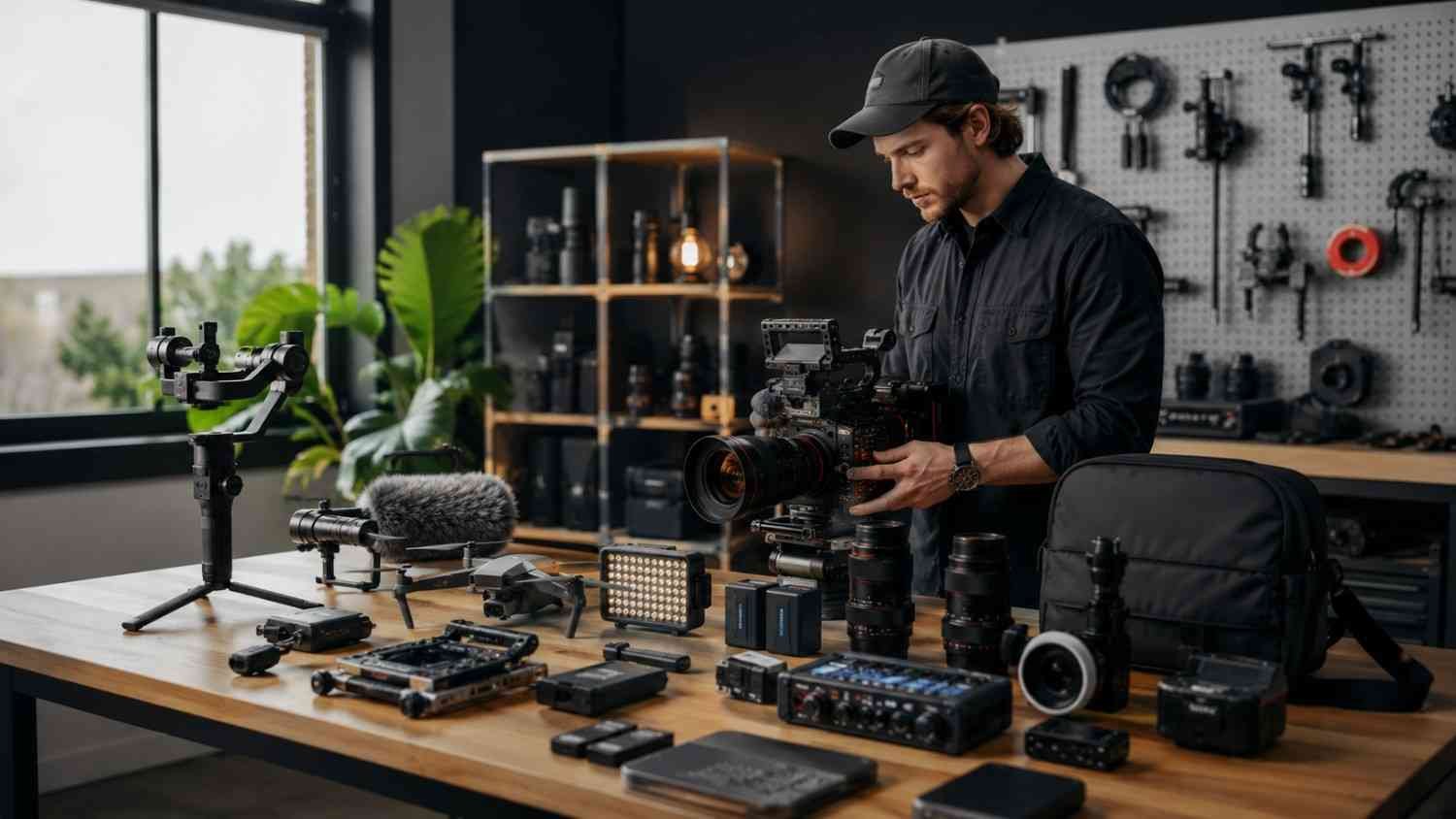
I have noticed that filmmaking gear has become less about owning the biggest camera and more about building a setup that keeps a production moving. A compact camera can now handle serious video, wireless audio can protect a take from unexpected volume changes, and software can remove hours of repetitive production work. That shift has changed how I look at gear purchases.
I also found that the most valuable filmmaking tools are usually the ones that solve a problem before it becomes expensive. A reliable tripod can save a shot, better audio can save an interview, and organized post-production can save an entire project from getting buried in revisions. For 2026, I would put that kind of practical value ahead of chasing every new specification.
What Makes a Filmmaking Tool Worth Buying in 2026?
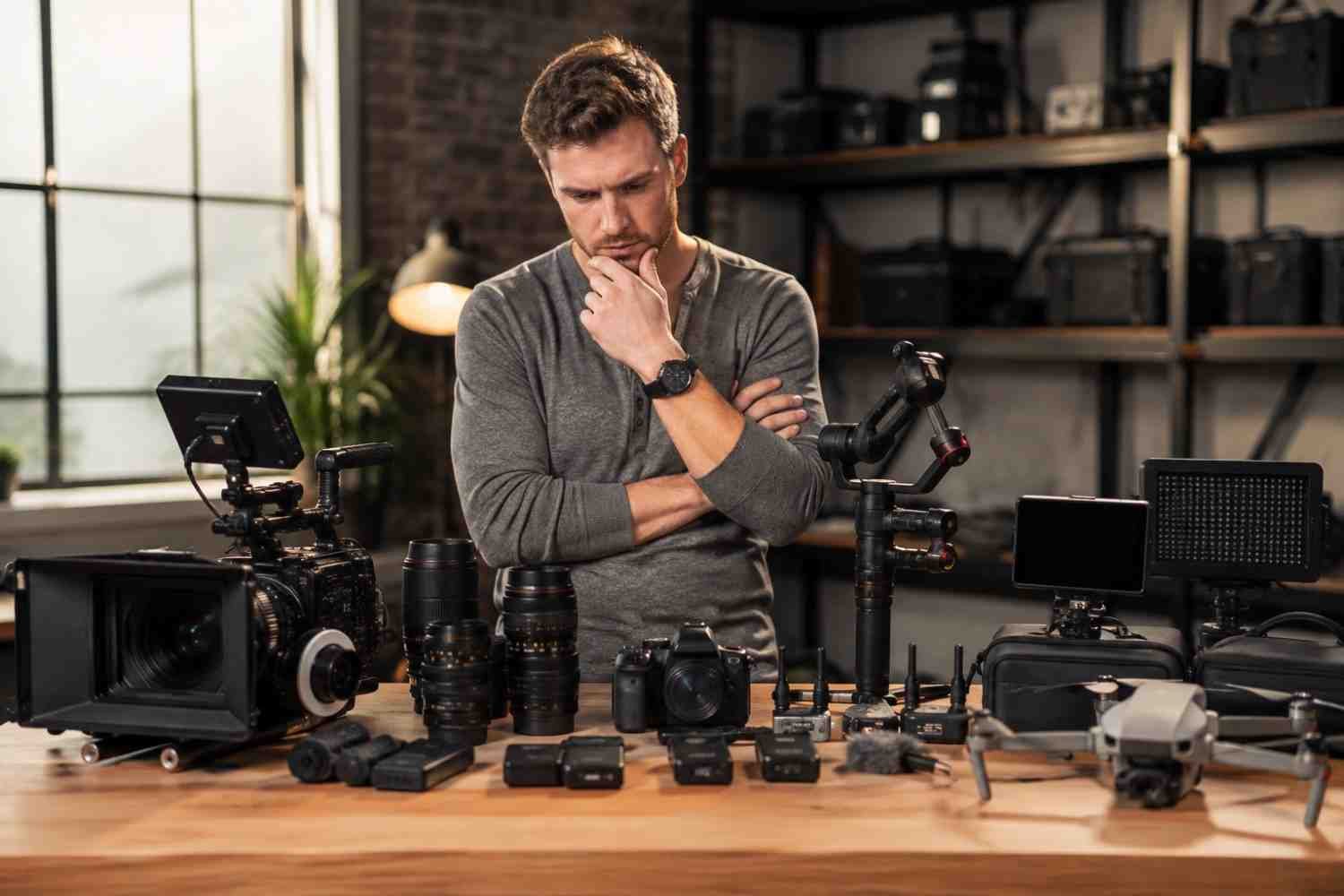
A useful purchase should improve the production workflow, not simply add another item to a gear bag. Look at portability, reliability, compatibility, and how often the equipment will actually be used.
For filmmakers working with smaller crews, versatility matters even more. A camera that works for handheld documentary footage, interviews, and social content can be more valuable than a specialized body that rarely leaves the studio.
A Compact Camera That Can Handle Serious Video
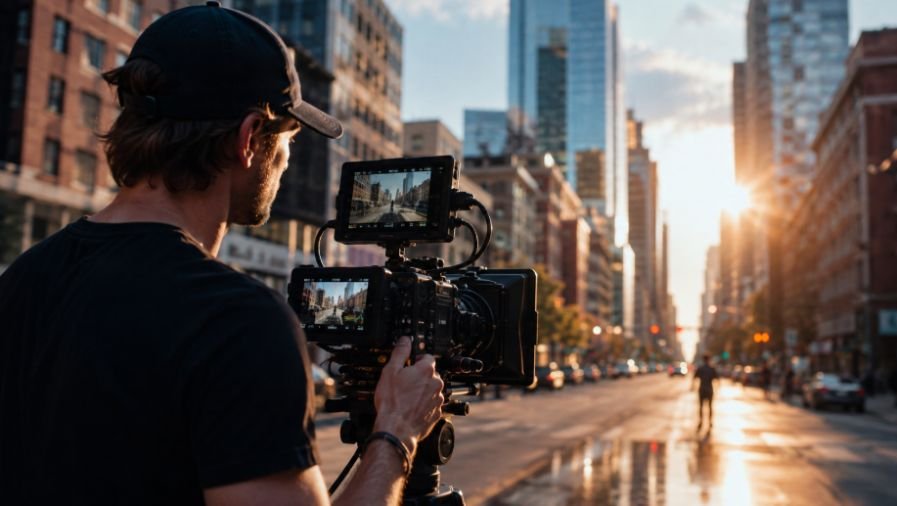
The Fujifilm X-M5 is an interesting choice for filmmakers who want a lightweight hybrid camera without giving up capable recording options. It weighs about 355 grams and records 6.2K video internally, along with 4K at up to 60p. Fujifilm also includes subject detection autofocus and digital image stabilization, making it practical for mobile production.
Its 6.2K/30p 4:2:2 10-bit recording gives filmmakers useful flexibility when cropping or grading footage later. It is particularly appealing for travel films, documentaries, interviews, and creator-led productions where carrying a large cinema rig is not always realistic.
Audio Gear That Protects the Take
Good pictures cannot rescue bad dialogue. That makes audio equipment one of the smartest places to spend money.
The RØDE Wireless PRO stands out because each transmitter can record internally using 32-bit float on-board recording. RØDE says the system can recover recordings that were captured too loudly or quietly during post-production. It also includes timecode functionality for synchronizing audio and video.
That safety net is valuable for interviews, documentaries, weddings, and unpredictable locations. A compact wireless system also gives a small crew more freedom without requiring a dedicated sound operator for every setup.
A Tripod That Can Do More Than Hold the Camera
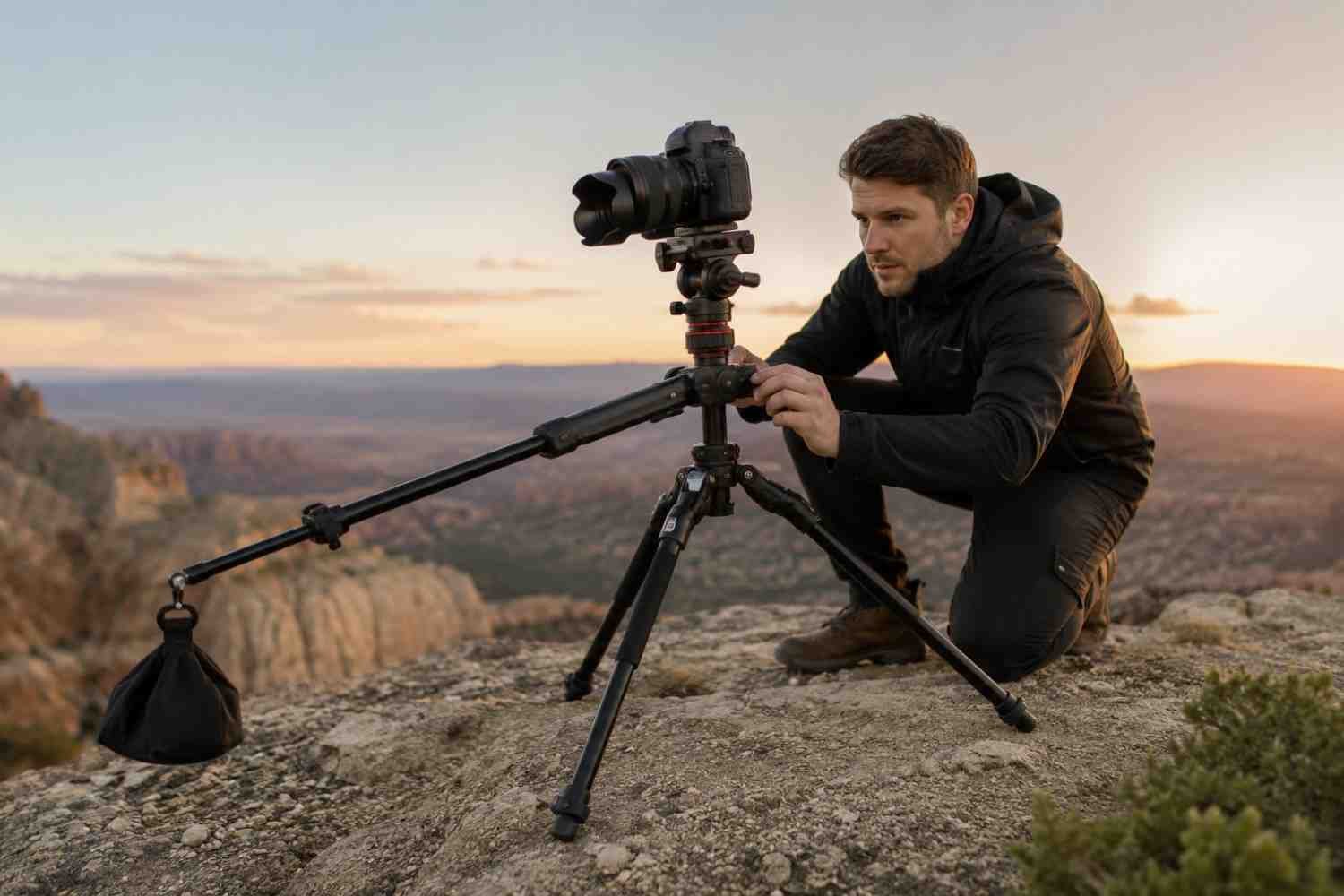
A tripod is easy to underestimate until a shot requires a smooth pan or a locked-off frame for several minutes.
The SmallRig FreeBlazer Carbon Fiber Tripod System combines carbon-fiber legs with a fluid head and supports up to 22 pounds. Its one-step locking design and quick-release options also make it easier to move between setups.
The value is not just stability. A proper fluid head gives camera movement a controlled feel, while a sturdy support system reduces the temptation to rely on handheld footage when the scene needs precision.
Production Software Deserves a Place on the List
Some of the best filmmaking investments in 2026 are not physical products.
StudioBinder is useful during pre-production because it connects shot lists, storyboards, schedules, and call sheets. Its current tools can generate shot lists from scripts and help teams organize shooting details in one workspace.
Storyflow can also fit an AI-assisted planning workflow by keeping scripts, visual references, and production ideas together. For filmmakers who regularly move between notes, references, and shot planning, having fewer disconnected tools can make preparation much easier.
DaVinci Resolve remains another strong investment, particularly because its free version covers editing and professional color work while Fairlight handles audio. The software also includes Fairlight audio post-production tools for recording, editing, mixing, cleanup, and mastering.
Build a Smarter Camera Support Workflow
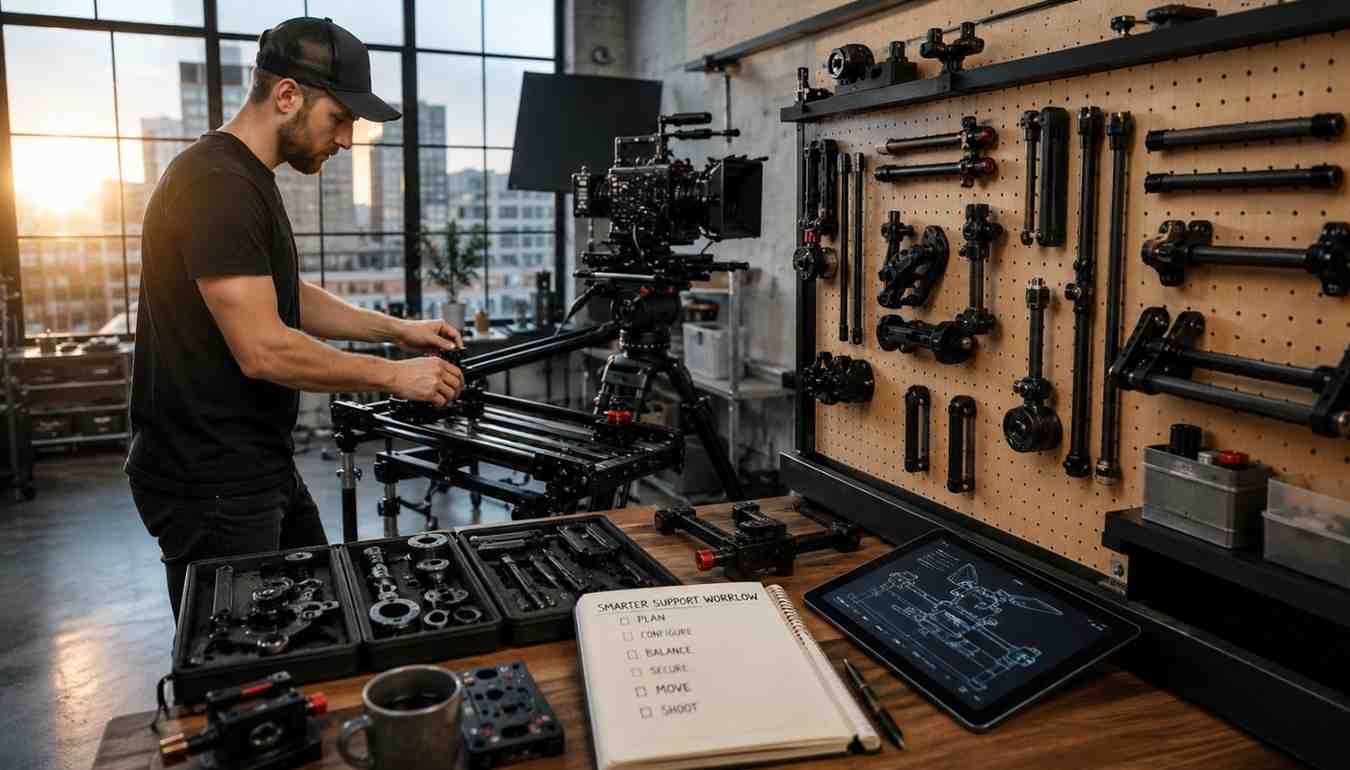
Once the basic camera, audio, and tripod setup is covered, the next purchases should depend on the type of production.
A documentary shooter may get more value from compact cages, spare batteries, fast media, and lightweight monitoring. A commercial filmmaker may prioritize lighting modifiers, wireless monitoring, and more robust rigging.
For crews experimenting with AI-assisted camera systems, the useful question is not whether AI sounds impressive. Ask whether autofocus, subject tracking, scene analysis, or automated functions actually reduce work during a shoot without taking creative control away from the operator.
That distinction matters. Technology should remove friction while leaving the visual decisions with the filmmaker.
Don’t Ignore Power and Storage
Long production days expose weaknesses that may not appear during short shoots. Batteries run down, cards fill quickly, and high-resolution footage can consume storage faster than expected.
A dependable charging setup, spare batteries, fast memory cards, and portable SSDs can prevent a minor inconvenience from becoming a lost shooting opportunity. Filmmakers working outdoors or away from reliable outlets should also consider the best power solutions for long cinema shoots when planning their equipment budget.
Storage deserves the same attention. Keeping working footage, backups, and project files organized reduces the risk of losing valuable material and makes post-production less chaotic.
Make Collaboration Part of the Gear Plan
Post-production is often where a project becomes slow. Sending large exports back and forth through email can quickly create confusion when several people are reviewing different versions.
Frame.io addresses that problem by letting teams upload media, share projects, and collect feedback through a centralized workflow. Adobe’s current integration allows reviewers to leave time-coded comments that can flow back into Premiere Pro.
Its frame-accurate commenting and annotations are especially useful when a director needs to point out an exact edit, color issue, or visual change rather than describing it through a long message.
For remote teams, this kind of collaboration can matter just as much as another piece of hardware.
Choose Tools That Match the Production
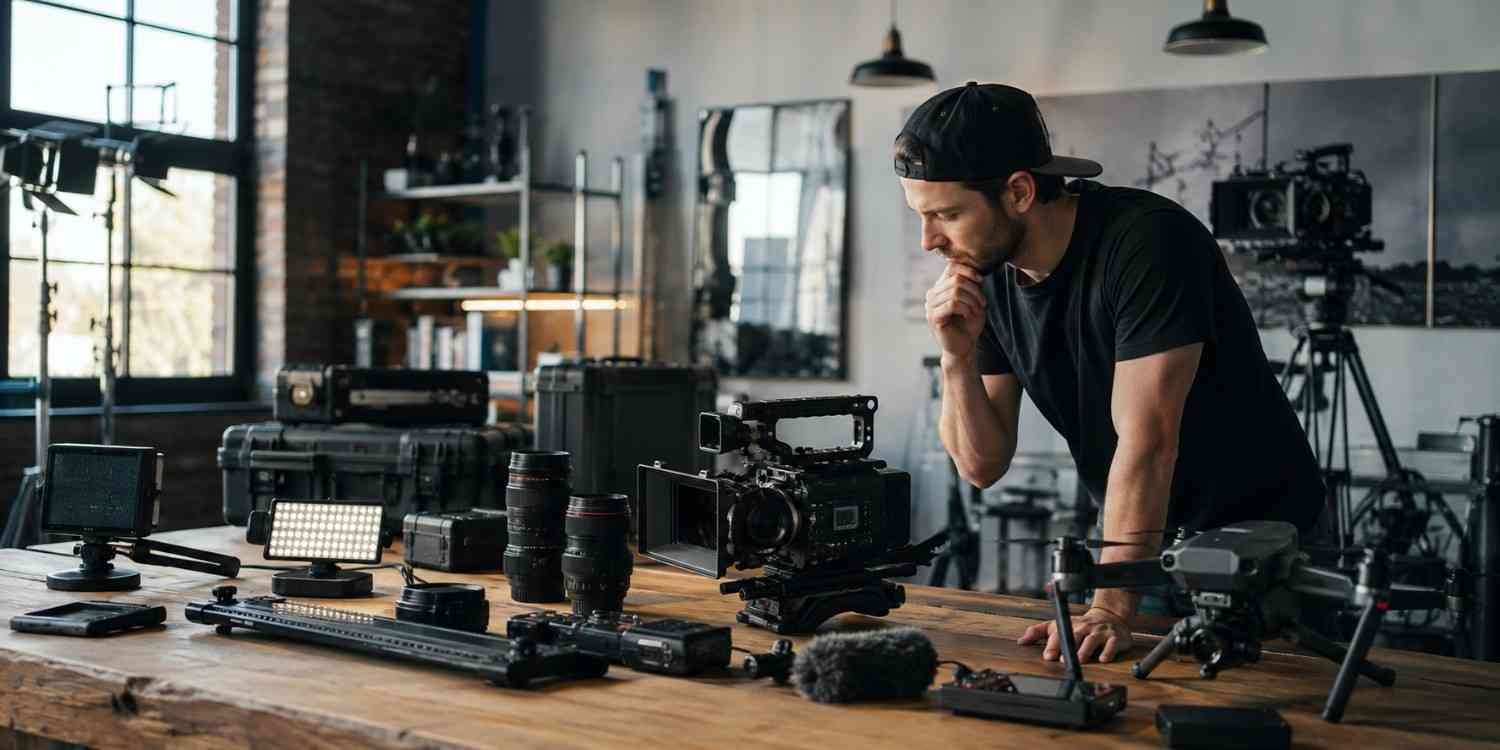
There is no universal filmmaking kit. A solo creator, documentary crew, commercial production, and narrative film can all need very different equipment.
The smartest approach is to build around recurring problems. If mobility is the issue, prioritize compact equipment. If audio causes problems, upgrade microphones before chasing another camera. If production days run long, solve power first. And if your team loses time during revisions, improve the workflow with tools such as Frame.io or StudioBinder.
That is also where portable cinema production systems can make sense. A compact, connected setup can give smaller crews more capability without forcing them to carry a full-size production truck.
FAQs: List of Filmmaking Tools Worth Buying in 2026 for Every Kind of Shoot
1. Is the Fujifilm X-M5 good for filmmaking?
Yes. Its compact body, 6.2K recording, 4K/60p options, autofocus, and stabilization make it useful for mobile and hybrid productions.
2. Why invest in a wireless microphone?
Reliable wireless audio gives filmmakers more freedom while reducing the risk of unusable dialogue. Internal backup recording can provide another layer of protection.
3. Is DaVinci Resolve worth learning?
Yes. Its free version offers substantial editing and color tools, while the Studio version adds advanced features for demanding workflows.
4. Do filmmakers really need production software?
Not every project does. But once several people, locations, shots, and revisions are involved, organized production software can save significant time.
Build a Kit That Earns Its Place
The best filmmaking setup is rarely the one with the most equipment. It is the one where every major piece has a clear job. A capable camera, dependable audio, stable support, efficient software, reliable storage, and sensible power can cover an impressive range of productions without turning the gear list into a burden.
In 2026, buying smarter matters more than buying bigger. The right tools should make filmmaking easier, faster, and more dependable while leaving the creative decisions where they belong.