



I arrived at the location expecting manageable cloud cover and a light breeze. Within hours, the wind strengthened, rain moved across our access road, and changing light made matching shots nearly impossible. The forecast had warned us about unsettled conditions, but the speed of the change tested every part of our plan.
Instead of pushing forward blindly, we treated overcoming difficult weather during an outdoor production as a coordinated safety, scheduling, and creative challenge. Clear authority, protected equipment, flexible scenes, and accurate continuity records allowed us to save the essential shooting day without placing the crew at unnecessary risk.
Why Difficult Weather Threatens an Outdoor Shoot
Weather affects much more than whether a camera can continue recording. Rain can damage electronics, flood access routes, alter costumes, and change the appearance of the ground. Strong wind can destabilize temporary structures, carry debris, spoil dialogue, and make elevated equipment unsafe.
Heat creates dehydration and equipment-overheating risks, while cold reduces battery performance and may cause condensation when cameras move between different temperatures. Clouds also change exposure, contrast, color, and shadows. If these differences are ignored, footage captured only minutes apart may not cut together convincingly.
We therefore considered four connected priorities: people, equipment, visual continuity, and time. No shot was valuable enough to justify losing control of any one of them.
Planning for Weather Before the Shoot
Researching the Location
Our preparation began with historical weather patterns, short-range forecasts, sunrise and sunset times, local drainage, road conditions, and available shelter. A location can look ideal during a scout but become inaccessible after sustained rain.
We identified two evacuation routes, a protected assembly area, and a secondary location. Local crew members helped us understand where water collected, which roads deteriorated quickly, and how wind behaved around nearby terrain. That knowledge was more useful than relying on a general forecast alone.
Building Flexibility Into the Schedule
We divided the shot list into essential exterior scenes, weather-sensitive wide shots, protected close-ups, inserts, and scenes that could move indoors. This allowed the assistant director to reorganize the day without wasting time.
Our small business brand video production case study also shows how flexible planning can keep location-based shoots moving when unexpected production challenges affect the schedule.
A buffer period was also included in the schedule. Equipment bookings, location agreements, transport, cast availability, and weather-hold costs were considered before filming began. Early planning made adaptation less expensive than an unplanned cancellation.
Creating a Clear Weather Decision Chain
Confusion becomes dangerous when nobody knows who can stop work. One designated person monitored forecasts, radar, wind, temperature, and visible site conditions. Department heads reported hazards through a single communication channel, while the responsible production leader made the final stop-work decision.
The plan also identified who would secure cameras, isolate electrical systems, lower or protect equipment, guide people to shelter, account for personnel, and communicate schedule changes.
We did not rely on a universal wind speed, temperature, or lightning distance copied from another production. Stop-work triggers were established through the project risk assessment, equipment manufacturer limits, qualified safety advice, local warnings, and site-specific conditions.
Protecting Cameras, Sound, and Production Equipment
Keeping Water Away From Electronics
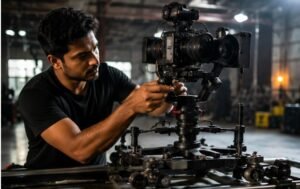
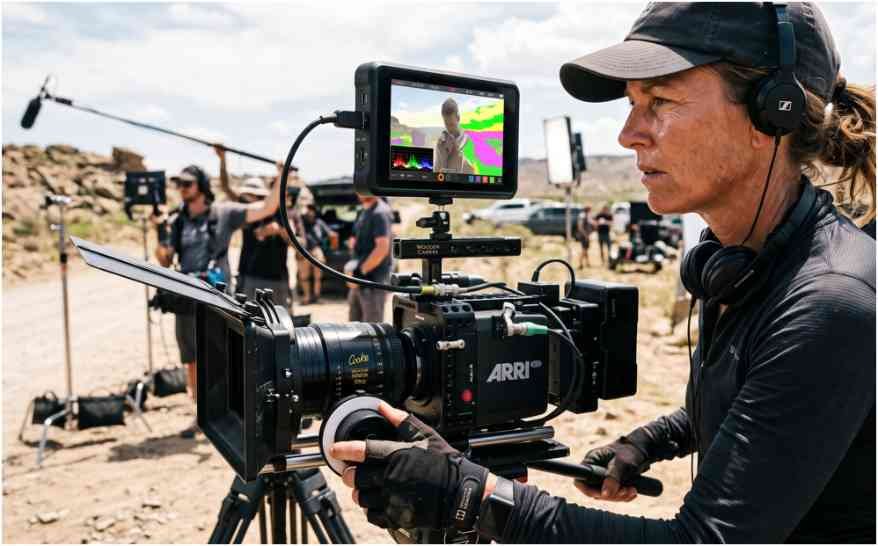
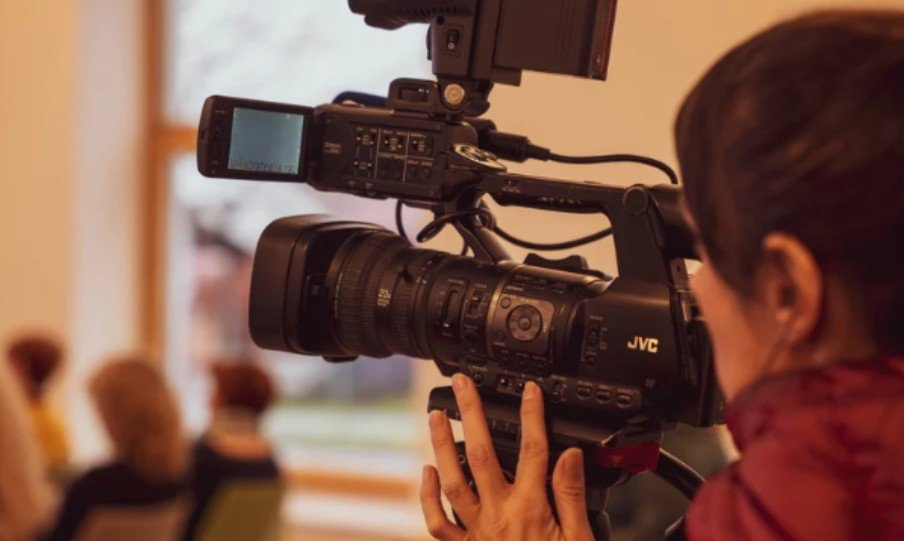
Cameras used fitted rain covers rather than loose plastic that could obstruct ventilation or controls. Batteries, lenses, cards, and drives remained in sealed cases under cover. Connectors were kept off wet ground, and electrical distribution was protected from standing water.
Media cards were transferred in a dry area and backed up immediately. The team also stored approved stills separately for creating social media preview cards without risking the original footage. If a camera failed later, the captured material would still be protected.
Managing Wind, Heat, and Cold
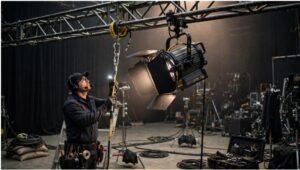
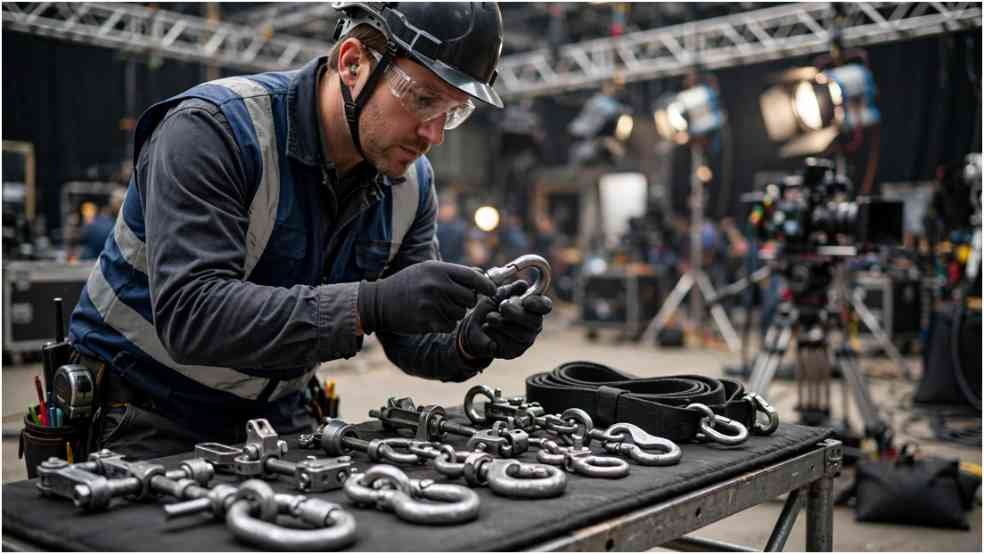
Lightweight stands, flags, umbrellas, temporary covers, and unsecured props can become hazards in high wind. Grip and electrical teams inspected exposed equipment and removed anything that could not be secured safely. Covers were never allowed to create additional wind load.
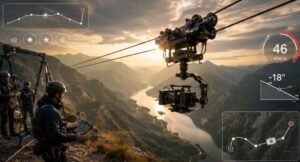
Our case study of an outdoor cable cam production demonstrates why changing wind and weather conditions require careful equipment monitoring and fast operational adjustments.
During hot periods, we used shade, scheduled water breaks, and watched both people and equipment for overheating. In cold conditions, spare batteries stayed warm and dry. Cameras were allowed to acclimatize gradually when moving between different temperatures, reducing the likelihood of condensation on lenses and internal components.
Protecting the Cast and Crew
Crew welfare was treated as a production requirement rather than a personal responsibility. Drinking water, suitable food, weather-appropriate clothing, first-aid supplies, dry storage, warming or cooling areas, and reliable transport were available.
Supervisors watched for heat exhaustion, loss of coordination, shivering, confusion, and fatigue. Breaks were adjusted as conditions changed. Young performers, stunt teams, drivers, and crew working near elevated or electrical equipment received additional attention because their exposure could carry greater consequences.
Adapting the Shoot Without Losing Continuity
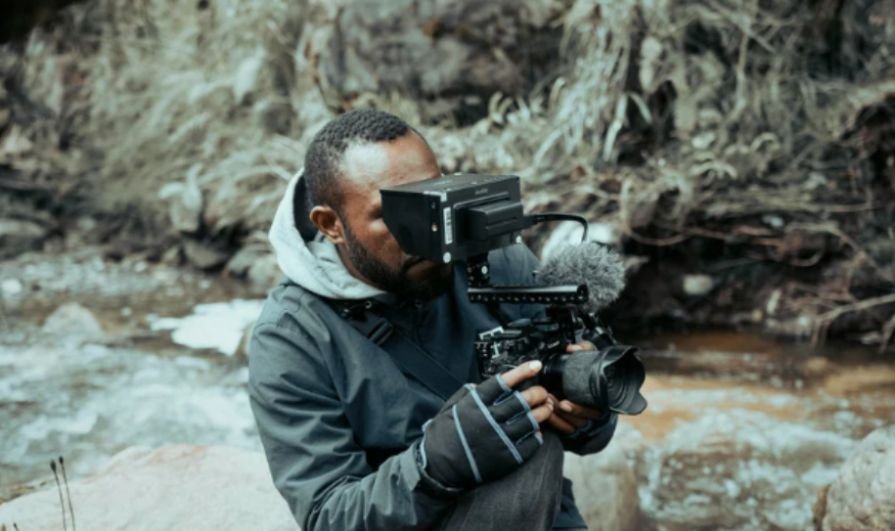
When the first downpour reached the location, exposed work stopped and the crew moved to shelter. After conditions were reassessed, we shifted from wide exterior shots to protected close-ups and inserts.
The camera team recorded exposure, lens, filtration, white balance, camera height, and direction. Reference stills captured the sky, shadows, wet surfaces, wardrobe, hair, props, and background activity. The sound department recorded room tone, wild tracks, and clean dialogue options because rainfall and wind changed the ambient sound.
These records helped us recreate conditions when the remaining wide shots were completed later. Rather than hiding every weather change, we also considered whether damp surfaces and softer light could support the scene’s mood. Weather became a creative option only after safety and continuity had been controlled.
Recovering After Severe Weather
Restarting involved more than waiting for the rain to stop. Department heads inspected electrical equipment, rigging, access routes, props, shelters, and camera systems. Production accounted for personnel and documented any damage or delay.
Our video production case study also highlights how structured recovery planning helps crews respond efficiently when unexpected conditions disrupt a shoot.
The updated call sheet explained which scenes had moved, what footage remained, and when each department was required. Work resumed only after the responsible people confirmed that the location and equipment were safe.
Frequently Asked Questions
1. What does overcoming difficult weather during an outdoor production require?
It requires advance forecasting, a site-specific risk assessment, clear stop-work authority, protected equipment, crew welfare measures, alternative scenes, reliable communication, and detailed continuity records.
2. Who should decide when filming stops?
The production should name the responsible decision-maker before the shoot. That person should use qualified advice, official alerts, equipment limits, department reports, and the project’s safety plan.
3. How can cameras be protected from heavy rain?
Use properly fitted rain covers, sealed media cases, protected connectors, dry backup areas, immediate data backups, and safe electrical distribution. Equipment should be inspected before filming restarts.
4. How can a crew maintain continuity after weather changes?
Record camera settings, lighting direction, surface conditions, wardrobe, hair, props, ambient sound, and detailed reference images. These records make later shots easier to match.
5. Should filming continue in bad weather to avoid delays?
Only when the approved risk controls remain effective. Schedule pressure should never override a stop-work decision or expose people and equipment to unacceptable danger.
What We Learned From the Weather
I learned that a successful outdoor shoot is not one that continues regardless of conditions. It is one that knows when to adapt, when to pause, and how to restart without confusion.
The forecast gave us time to prepare, but our decision chain, flexible schedule, protected equipment, crew support, and continuity records saved the day. Difficult weather remained unpredictable; our response did not. That preparation protected the team, preserved the footage, and kept the production moving toward the intended result.