



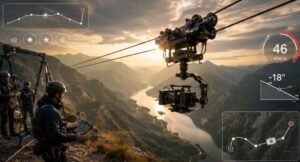
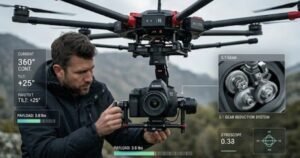
I have always found one-take scenes fascinating because they remove the protection normally provided by editing. Every movement, line, lighting cue, background action, and camera handoff must work at precisely the right moment. One small error can ruin several minutes of otherwise perfect footage.
In this production breakdown of a complex one-take sequence, I examine how a crew can transform an ambitious idea into a controlled, repeatable shot. The process involves far more than following an actor with a stabilized camera. It requires story-driven movement, detailed location planning, layered rehearsals, technical coordination, and a reliable recovery strategy.
Why the Story Needed an Uninterrupted Take
A continuous shot should never exist solely to impress viewers. It must serve the scene.
In this production scenario, the sequence follows a character entering a crowded venue, moving through a narrow service corridor, confronting another character, and exiting into an open courtyard. Keeping the scene uninterrupted allows the audience to experience the rising pressure in real time.
The camera begins as a quiet observer before moving closer as the conflict develops. By the final section, it follows the character aggressively, reflecting the loss of emotional control. Every camera movement therefore communicates something about the character instead of simply displaying technical skill.
Genuine One Take or Invisible Edit?
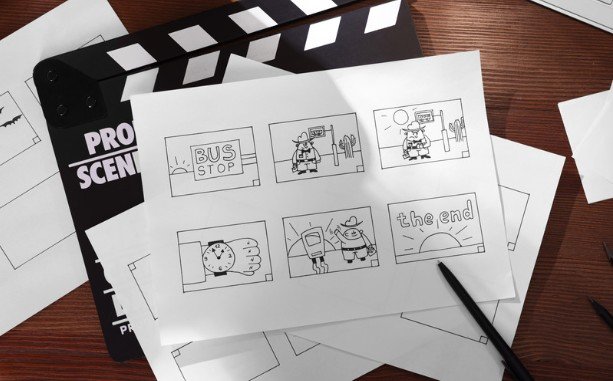
A genuine one take captures the complete sequence without stopping. A simulated one take combines multiple extended shots using concealed transitions.
Both approaches are valid. Genuine takes can create spontaneous performances and authentic momentum, but they expose the production to greater risk. Simulated takes give filmmakers more control over performance, lighting, location changes, and visual effects.
Dark walls, foreground objects, fast camera pans, door frames, and moments when a performer fills the frame can conceal edits. The production team should identify these opportunities during preproduction, even when the original goal is to complete the scene without cuts. They provide valuable backup options if technical or performance problems emerge.
Mapping the Location and Camera Route
Location selection affects every department. A visually attractive space may become unusable if it lacks operator access, lighting positions, safe exits, or places to hide crew members.
The director and cinematographer should walk the complete route before locking the scene. Floor plans, phone videos, miniature models, or basic 3D previews can help the team test alternative movements.
The planned route must account for door widths, stairs, reflective surfaces, changing light levels, long range wi-fi, and background traffic. It should also include off-camera zones where technicians can wait without appearing in mirrors or entering the camera’s field of view.
Breaking the Scene Into Story Beats
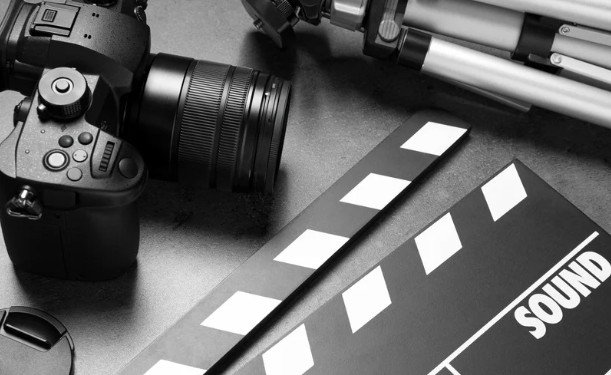
Although the finished scene looks continuous, the crew should divide it into manageable beats. Each beat needs a clear dramatic purpose, camera position, performer mark, technical cue, and transition.
The Arrival
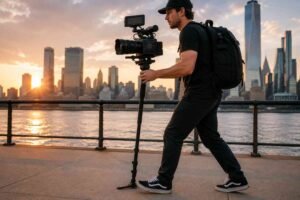
The camera follows behind the lead performer using a gimbal. Background actors cross at predetermined moments, making the location feel active while concealing the lighting crew.
The Confrontation
The Transition
A supporting performer briefly crosses close to the lens. This creates a possible hidden-edit point and gives the camera operator time to change grip before entering the courtyard.
The Exit
The camera widens as the lead character steps outside. The visual release contrasts with the confined corridor, while the final movement reveals the consequence of the confrontation.
Coordinating Performers and Camera Movement
Blocking actors separately from the camera often produces mechanical results. The performers, operator, focus puller, sound team, and background coordinators should develop the scene together.
Background performers also need specific actions rather than vague instructions to appear busy. Each person should know where to begin, when to move, what to do, and how to recover if the timing changes.
Choosing the Camera and Lens
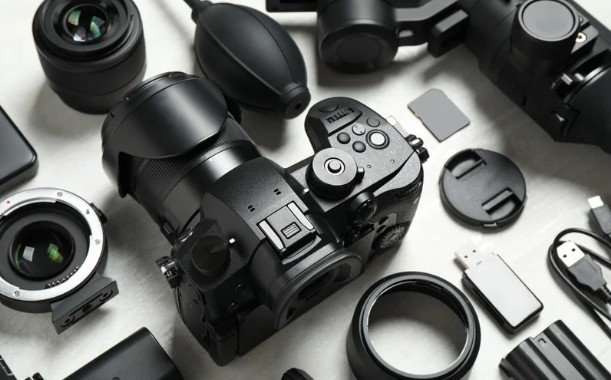
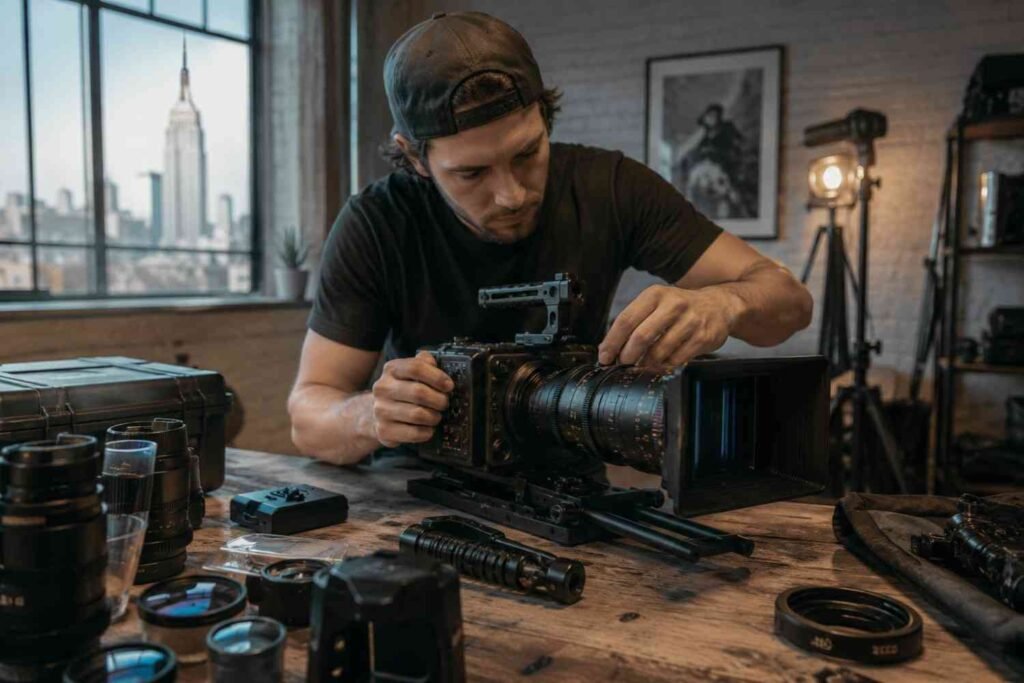
A compact camera system is valuable when the operator must pass through narrow spaces or transfer the rig between people. A stabilized camera can produce fluid movement, but selective handheld sections may make emotional moments feel more immediate.
Lens selection must balance immersion with practicality. A moderately wide lens lets viewers understand the environment while reducing the risk of losing focus during rapid movement. An extremely wide lens may distort faces, while a long lens can make framing and focus unnecessarily difficult.
Network monitoring and packet capture techniques, remote focus control, lightweight batteries, and dependable video transmission should be tested along the complete route before shooting begins.
Planning Lighting and Sound
Continuous movement prevents conventional relighting between angles. Fixtures may need to be built into the location, hidden above doors, placed outside windows, or disguised as practical lights.
The lighting team should measure every transition and prevent distracting exposure or color changes. Crew members can dim fixtures remotely as the camera moves, but cues must be rehearsed as carefully as dialogue.
Sound presents similar challenges. Wireless microphones provide consistent dialogue, while a boom operator may cover selected sections from hidden positions. The team must test signal strength near thick walls, crowded areas, vehicles, and electronic equipment.
Rehearsing the Sequence in Layers
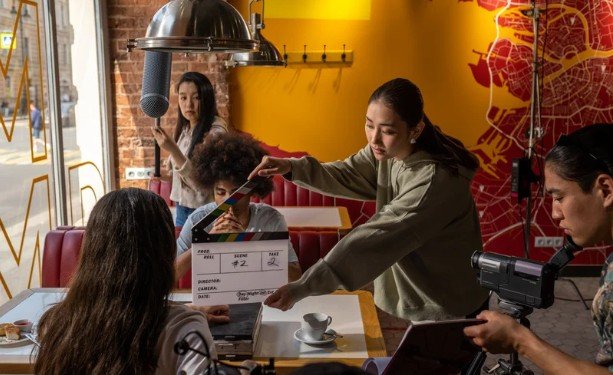
The first rehearsal should focus on performers and dramatic timing. The second can introduce the camera route. Lighting, sound, background action, props, effects, and handoffs should be added gradually.
Once every department is involved, the team should complete full-speed rehearsals under shooting conditions. Reset time must also be measured. Returning performers, props, equipment, and background action to their opening positions may take considerably longer than filming the scene.
Safety and Failure Planning
A long take should never encourage the crew to ignore safety to preserve a shot. Cables must be secured, walkways cleared, heavy equipment controlled, and stunt actions supervised. Productions must also consider the long term consequences of stunting, since repeated impacts, rushed movements, and poorly managed physical demands can cause injuries that continue long after filming ends.
The assistant director should establish a clear stop command understood by everyone. If a performer falls, equipment fails, or an unauthorized person enters the route, any designated crew member must be able to end the take immediately.
The team should also decide which minor mistakes are acceptable. Continuing after a slightly late background cue may preserve an excellent performance, while ignoring a dangerous obstruction cannot be justified.
Frequently Asked Questions
1. What is a production breakdown of a complex one-take sequence?
It is a detailed analysis of how an uninterrupted scene is planned and executed. It covers story beats, blocking, camera movement, equipment, lighting, sound, rehearsals, safety, resets, and the final filming process.
2. How many rehearsals does a one-take scene need?
There is no universal number. Rehearsals should continue until performers and technicians can complete the route consistently without losing the scene’s emotional energy.
3. Can a one-take sequence contain hidden cuts?
Yes. Many productions combine long sections using invisible edits. Concealed cuts can reduce risk while preserving the appearance of continuous action.
What is the biggest challenge in filming one take?
Synchronization is usually the greatest challenge. Performers, camera operators, focus pullers, sound technicians, lighting crews, effects teams, and background actors must execute interconnected cues in real time.
What I Learned From the Final Take
I believe the strongest one-take scenes succeed because the audience follows the story rather than searching for technical tricks. Careful planning creates the structure, but flexibility keeps the performance alive.
The final take should not simply be the version without mistakes. It should be the take in which movement, emotion, sound, lighting, and timing feel like parts of one idea. When every department understands the dramatic purpose of the scene, a complicated camera move becomes an immersive piece of storytelling rather than an empty display of technique.