



A punch lands, the camera snaps with it, a runner tears across the frame, and suddenly I am not just watching the action—I feel like I am inside it. That is the power of camera movement for action scenes. When the camera moves with purpose, it can make a chase feel faster, a fight feel heavier, and a simple reaction feel like the turning point of an entire sequence.
I do not treat movement as decoration. I use it to carry energy from the performers to the audience. Whether I am tracking beside a sprinting character, whipping toward a new threat, pushing into a tense reaction, or holding completely still before impact, every choice should increase intensity without sacrificing clarity.
How Do You Make Camera Movement Feel Motivated?
I start by asking what causes the camera to move. A performer may rush past frame, a punch may redirect attention, or the advantage in a fight may change hands. When movement has a visible cause, it feels connected to the choreography.
Smooth movement can stretch suspense, while a sudden pan, jolt, or zoom can punctuate impact. A locked shot can make the next burst of motion feel stronger.
Which Camera Movements Work Best for Fight Scenes?
How Can a Whip Pan Transfer Energy?
A whip pan, or swish pan, moves horizontally fast enough to blur the image. I use it to transfer energy between actions: a punch lands, the camera whips across the room, and the next image reveals the opponent hitting a wall.
It can also reveal a new attacker or redirect attention. Timing matters because overuse becomes distracting.
Should Handheld Camera Work React to Hits?
Handheld cinematography creates immediacy and controlled instability. I avoid random “shaky cam,” keep the subject readable, and let the camera react selectively to major impacts.
A subtle jolt timed to a punch or kick can make contact feel heavier and keep the movement motivated.
Should the Camera Follow the Fighter With the Upper Hand?
I often favor the character who controls the fight. If one fighter advances, I may travel with that person; when momentum reverses, the framing can shift too.
This technique creates visual camera choreography rather than simply following whoever happens to move fastest. It helps the audience instinctively understand who currently controls the confrontation.
How Do Tracking Shots Make Chases Look Faster?
Tracking and trucking shots keep the camera moving with a subject. I can follow behind a runner, lead from the front, or move sideways to show speed clearly.
Side tracking becomes especially effective when foreground objects pass close to the lens. Fences, vehicles, walls, and street signs streak through the frame, increasing perceived velocity.
A gimbal or Steadicam works when I want movement without sacrificing smooth framing, especially for long takes and complex choreography.
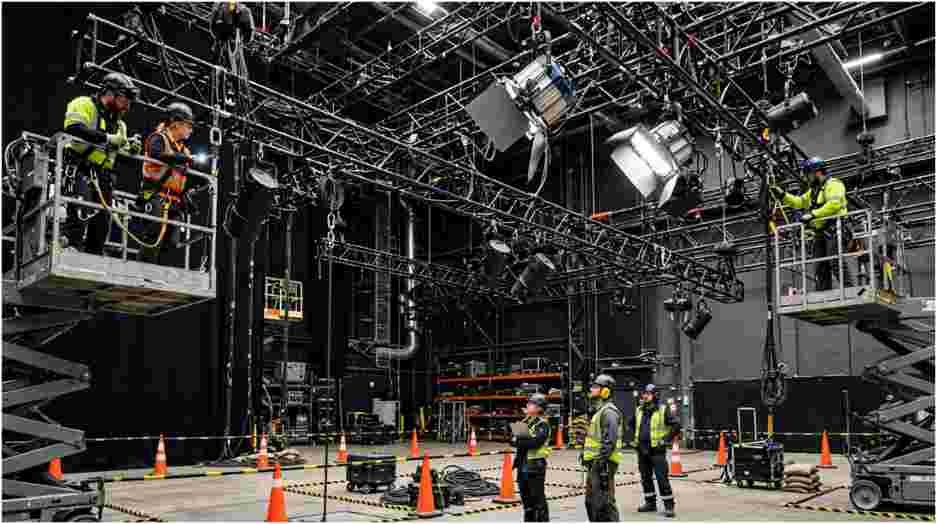
For more complex camera setups that rely on suspended or load-bearing components, proper shackle and sling safety for film rigging becomes important for keeping support hardware appropriately selected, connected, and managed during production.
What Is a Counter-Move?
A counter-move sends the camera in the opposite direction from the subject. If a runner travels one way while the camera moves the other, relative motion increases dramatically.
I like this technique for running sequences and vehicle chases because it creates greater apparent velocity without requiring extreme real-world speed. For productions coordinating stunt performers or vehicles, that perceived-speed advantage can also help filmmakers create excitement while maintaining controlled shooting conditions.
When Should You Use a Crash Zoom?
A crash zoom rapidly changes focal length to isolate a weapon, a character’s eyes, an incoming threat, or a reaction.
Unlike a push-in, it changes magnification rather than moving the camera through space. A physical push-in changes perspective and builds pressure; a crash zoom feels abrupt and graphic.
That makes crash zooms especially useful when choreography needs sudden visual punctuation rather than continuous physical camera movement.
How Do Wide and Telephoto Lenses Change Action?
A wide-angle lens exaggerates depth when I place the camera close to the subject. Characters rushing toward or away from the lens appear to cover space quickly, making action feel more aggressive.
Longer focal lengths compress apparent distance, helping carefully planned stunt work make safe separation appear tighter. They also magnify small camera movements, so operators need tighter control.
I therefore choose focal length and movement together. A wide lens combined with close tracking can create powerful immersion, while a longer lens can compress backgrounds and visually intensify carefully staged near-contact action.
Are Arc Shots, Push-Ins, and Pull-Outs Useful?
Arc shots work well when a confrontation changes emotionally or physically. Moving around opponents can emphasize a changing power relationship while keeping both characters connected within the frame.
Many of the same principles used in camera movement for emotional scenes apply here, especially when a push-in, pull-out, or arc needs to reflect fear, confidence, isolation, tension, or a sudden change in control.
I use push-ins before decisive actions because moving closer increases pressure. Pull-outs can reveal that a character is surrounded, expose the scale of a location, or reestablish geography after tight coverage.
These movements work best when the story motivates them rather than when they are added simply to make a sequence look expensive.
How Do You Keep Fast Action Easy to Follow?
I establish geography first. Wide shots clarify entrances, exits, obstacles, and character positions. Once viewers understand the space, I can use tighter framing and faster editing.
Screen direction matters too. Reversing direction without motivation can make viewers think a character turned around. Camera blocking should coordinate performers, stunt teams, vehicles, focus pullers, and operators so everyone contributes to the same visual rhythm.
When cameras or support equipment are mounted for complex action coverage, understanding film rigging hardware load ratings also helps crews choose appropriately rated components for the planned camera package and movement.
Static shots also deserve a place because they showcase difficult choreography and create contrast after aggressive movement. When every shot shakes, tracks, pans, or zooms, movement loses its impact.
What Makes Action Cinematography Feel Cinematic?
Great action camera work combines physical energy with readable storytelling. Tracking shots should carry momentum, handheld reactions should reinforce impact, counter-moves should increase perceived speed, and lens choices should control spatial intensity.
For me, the goal is never maximum movement. It is maximum audience involvement with minimum confusion.
Frequently Asked Questions
1. What camera movement is best for a fight scene?
It depends on the choreography. Handheld movement adds urgency, stabilized tracking showcases stunt work, whip pans transfer energy, and static wide shots make choreography easier to appreciate.
2. How Can I Make a Chase Look Faster Without Increasing Speed?
Use counter-moves, side tracking, close foreground elements, wide lenses, lower camera positions, and purposeful editing. These techniques increase perceived velocity while keeping production speeds manageable.
3. Is Shaky Camera Work Necessary for Action Scenes?
No. Controlled handheld work is often more effective because viewers still need to understand the characters, screen direction, environment, and choreography.
4. What Is the Difference Between a Crash Zoom and a Push-In?
A crash zoom rapidly changes focal length while the camera stays in roughly the same position. A push-in physically moves the camera closer, changing perspective and spatial relationships.
Final Take
Whenever I plan camera movement for action scenes, I think about where the energy begins and where I want the viewer to feel it next. The camera can chase that energy, oppose it, absorb an impact, circle a shifting fight, or stay completely still for contrast.
That is what makes action coverage feel cinematic: purposeful motion that allows the audience to experience every change in speed, danger, momentum, and control.