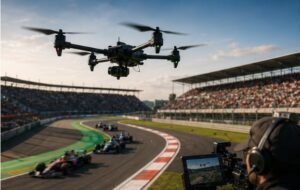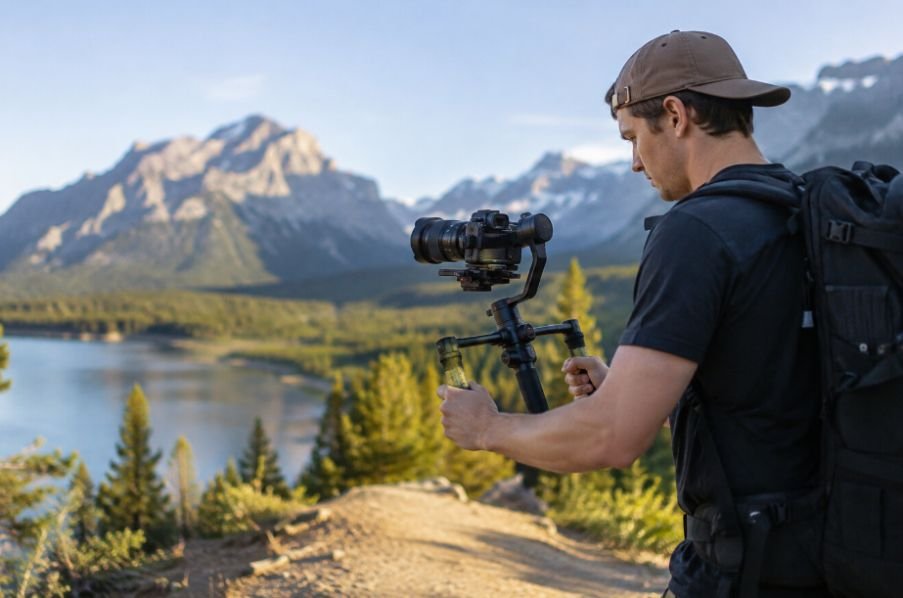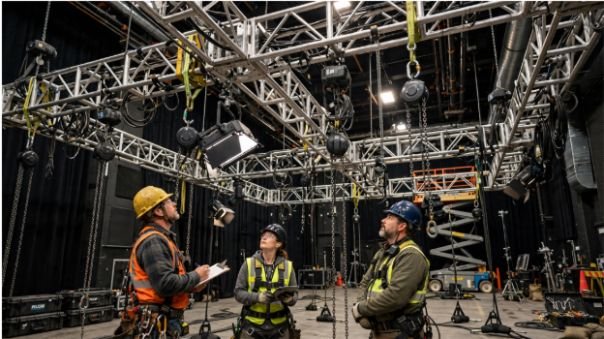




A character realizes something is wrong. The camera starts closing in. The room seems to disappear, the face fills the frame, and suddenly the scene feels more intense. But what actually created that moment—a moving camera or a changing lens?
That is where push-in vs zoom camera movement becomes more than a technical filmmaking question. I see these two techniques as different ways of controlling how an audience enters a scene. A push-in physically carries the camera toward the subject, while a zoom tightens the frame from a fixed position.
Both make the subject appear larger, but they change perspective, parallax, background relationships, and emotional impact in very different ways.
Push-In vs Zoom: What Is the Quick Difference?
| Feature | Push-In (Dolly In) | Zoom In |
| Camera position | Moves toward the subject | Stays stationary |
| Image change | Perspective and parallax change | Field of view and magnification change |
| Background behavior | Spatial relationships shift | No new parallax from camera movement |
| Audience feel | Often immersive, intimate, or dramatic | Often observational, stylized, or psychological |
| Typical tools | Dolly, slider, gimbal, Steadicam | Optical zoom lens or zoom control |
Neither technique is automatically more cinematic. The better choice is the one that supports the story.
What Is a Push-In Camera Movement?
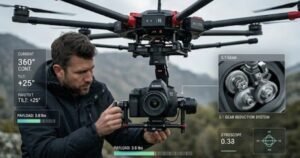
A push-in, often called a dolly-in, physically moves the camera closer to the subject. On a US film, commercial, or branded-content set, I might create it with a dolly and track, slider, gimbal, Steadicam, or controlled handheld move.
For productions using more specialized movement systems, a cable camera anchor point installation guide can help crews understand the structural planning required before suspended camera equipment is put into operation.
Because the camera changes position, foreground, subject, and background elements shift relative to one another. This creates parallax: objects closer to the lens appear to move across the frame faster than distant objects.
That spatial change gives viewers a stronger sense of traveling through a real environment.
Why Does a Push-In Feel More Intimate?
A push-in resembles physically moving closer to a person. I favor it for realizations, tense dialogue, suspense, or moments when a character’s attention narrows. A slow push can quietly draw viewers into a performance, while a faster move adds urgency.
This is one reason camera push-ins work so well during emotional scenes. Instead of simply making the character larger, the camera appears to enter their personal space.
What Is a Zoom Camera Movement?
A zoom uses a variable focal length lens. The camera stays in the same position while lens elements change focal length and narrow or widen the field of view.
A true optical zoom does not create the same parallax as a dolly move. The subject becomes larger, but the camera has not traveled closer.
Optical zoom also differs from digital zoom. Optical zoom changes focal length through the lens. Digital zoom usually crops or enlarges recorded pixels, so excessive use can reduce image quality.
Does Zooming Really Compress the Background?
This idea is often oversimplified. Camera position determines perspective. If I keep the camera fixed and only zoom in, framing and magnification change, but the underlying perspective relationship remains the same.
The familiar compressed-background look becomes more apparent when a filmmaker uses a longer focal length and moves the camera farther away to maintain similar subject framing. That new camera position changes perspective.
Understanding this distinction makes a dolly in vs zoom in comparison more technically accurate and helps filmmakers avoid confusing focal length with perspective.
How Does a Zoom Feel to the Audience?
Because human vision does not optically zoom like a camera lens, a noticeable zoom can feel mechanical or stylized. Depending on the scene, it can suggest observation, surveillance, psychological pressure, voyeurism, or deliberate visual emphasis.
A slow zoom can gradually isolate a face during an uncomfortable conversation. It may feel as though the audience is watching from a distance through binoculars, a surveillance camera, or another observational point of view.
A crash zoom creates almost the opposite rhythm. This extremely fast zoom can snap attention toward a reaction, clue, joke, object, or sudden threat. US action films, comedies, documentaries, and genre productions use crash zooms for heightened energy, while careful timing can make a slow zoom feel subtle and elegant.
When Should You Use a Push-In or a Zoom?
I choose a push-in when I want viewers to feel as though they are entering a character’s space. It works especially well for intimacy, suspense, revelation, dramatic emphasis, and scenes where changing spatial relationships add depth.
I choose a zoom when I want to tighten attention without physically moving the camera. It can be useful when the location limits forward movement, dolly track is impractical, or the director deliberately wants an observational or stylized visual language.
Execution matters in both cases. Push-ins need controlled movement and often accurate focus pulling because the camera-to-subject distance changes. Zoom shots need consistent lens movement so the effect looks intentional instead of accidental.
What Happens When You Combine a Push-In and a Zoom?
Combining physical camera movement with an opposing focal-length change creates one of cinematography’s most recognizable techniques: the dolly zoom, often associated with the Vertigo effect.
The camera can dolly toward a subject while zooming out enough to keep that subject approximately the same size. The subject remains relatively stable while the background appears to expand or distort dramatically.
The reverse can also work: the camera moves away while the lens zooms in.
Filmmakers use the dolly zoom for shock, fear, realization, disorientation, and sudden psychological change. The effect works because physical camera movement changes perspective while the zoom simultaneously changes focal length and field of view.
Push-In vs Zoom: Which Camera Movement Should You Choose?
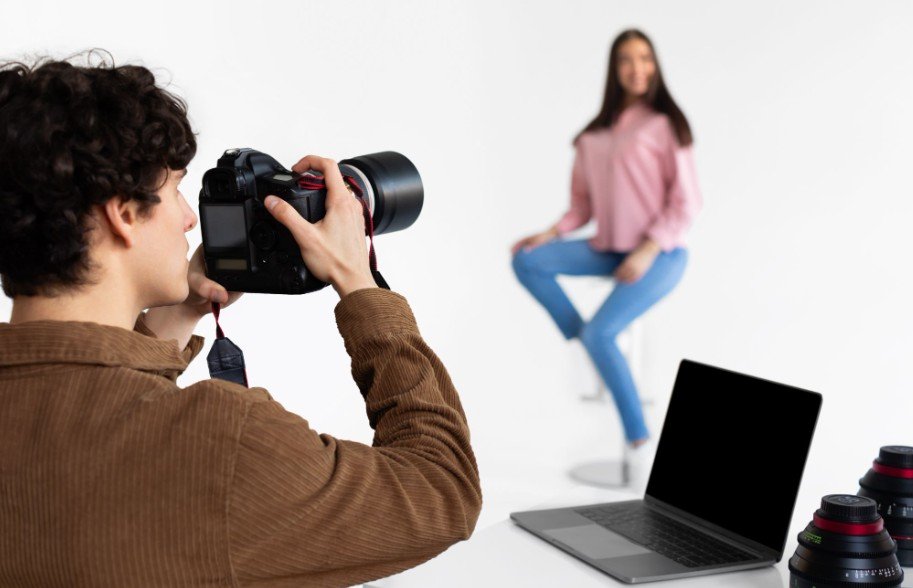
When deciding between push in vs zoom camera movement, I focus on the audience experience rather than the equipment.
Exploring broader camera movements for cinematic video can also help filmmakers understand where push-ins and zooms fit alongside tracking, panning, tilting, crane, and handheld techniques.
If I want viewers to feel physically drawn toward a character, I usually choose a push-in. If I want the frame to tighten while preserving the camera’s position, I consider a zoom.
Neither technique wins automatically.
For US filmmakers creating films, commercials, music videos, documentaries, or branded content, matching camera movement to meaning can turn a basic closer shot into a deliberate storytelling choice.
Frequently Asked Questions
1. Is a Push-In the Same as a Dolly-In?
Often, yes. Dolly-in specifically suggests moving the camera forward on a dolly, while push-in is a broader term that can include forward movement produced with a dolly, slider, gimbal, Steadicam, or handheld camera.
2. Does a Zoom Change Perspective?
Not by itself when the camera position stays fixed. Zooming changes focal length, field of view, and magnification. Moving the camera changes perspective.
3. Why Does a Push-In Look Different From a Zoom?
A push-in changes camera position, producing changing perspective relationships and parallax. A zoom changes framing optically while the camera remains stationary.
4. What Is a Crash Zoom?
A crash zoom is an intentionally fast zoom used for sudden emphasis, surprise, comedy, action, or stylized dramatic impact.
5. What Is the Main Difference in Push In vs Zoom Camera Movement?
A push-in physically moves the camera toward the subject, while a zoom changes focal length from a fixed camera position. This creates different spatial relationships and emotional effects.
What Is a Dolly Zoom?
A dolly zoom combines physical camera movement with an opposing zoom. The subject stays roughly the same size while the background appears to stretch, expand, or compress dramatically.