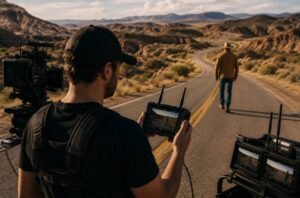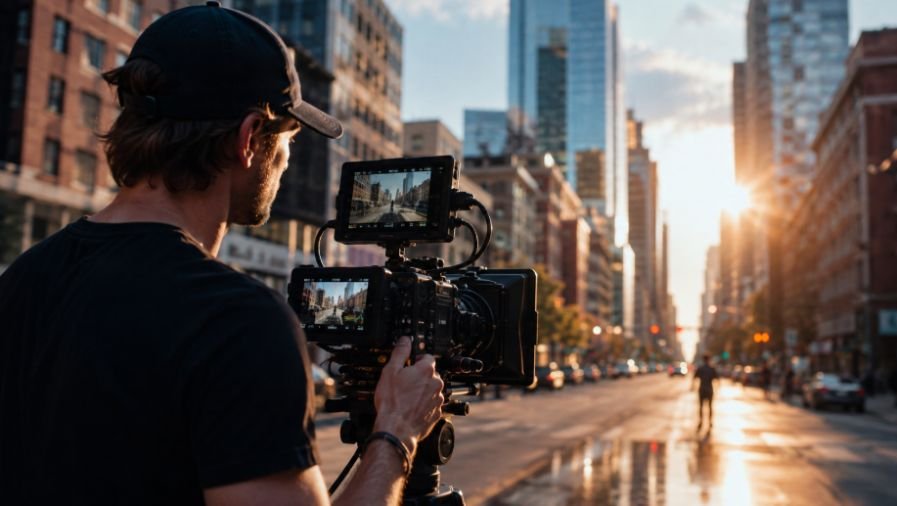




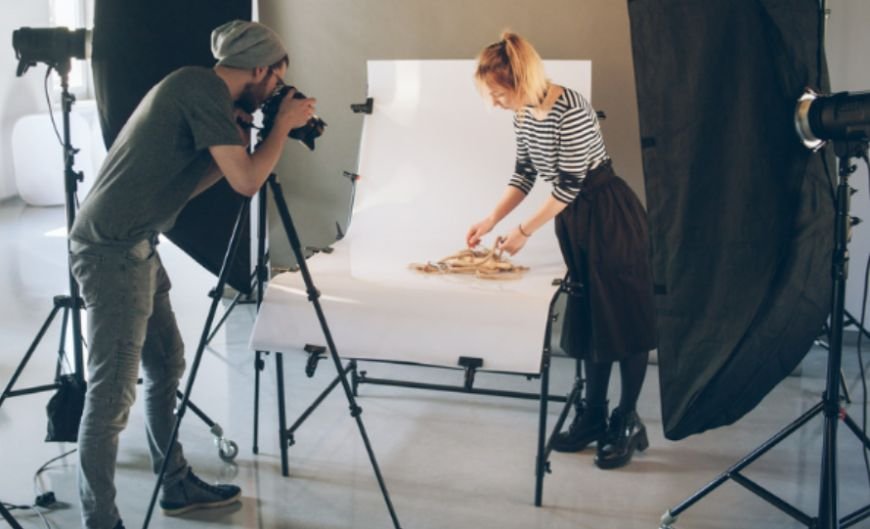
I have learned that the most impressive commercial shots rarely begin with equipment. They begin with a creative request: suspend a light where no stand can fit, move a camera around a vehicle, or illuminate a set without placing gear in the frame. The crew must then turn that request into a safe, repeatable setup.
The real work behind solving rigging challenges during a commercial film shoot starts long before the director calls “action.” It requires careful scouting, accurate measurements, interdepartmental coordination, suitable hardware, testing, and a reliable backup plan. When those elements work together, even a complicated shot can proceed without disrupting the schedule.
Why Commercial Film Rigging Is So Challenging
Commercial productions operate within narrow creative and logistical boundaries. Reviewing relevant commercial video case studies can help production teams understand how real-world shoots balance creative goals, location constraints, technical planning, equipment choices, and tight schedules.
A client may expect a precise image while the crew works with limited space, fixed location hours, changing weather, and expensive talent.
A rig must do more than hold a camera or light. It must remain stable, preserve the desired composition, avoid obstructing performers, and allow efficient adjustments. It may also need to disappear from the finished image.
Common problems include:
- Low ceilings and cramped interiors
- Weak or unavailable mounting points
- Heavy overhead lighting arrangements
- Camera vibration on moving vehicles
- Limited floor space
- Rapidly changing weather
- Reflective surfaces that reveal equipment
- Last-minute changes to framing or movement
- Restricted setup and removal times
These conditions make improvisation tempting. However, hurried improvisation involving suspended equipment can create serious risks. Creative ideas must always remain within the capabilities of qualified crew members, rated hardware, and an approved safety plan.
Begin With the Intended Shot
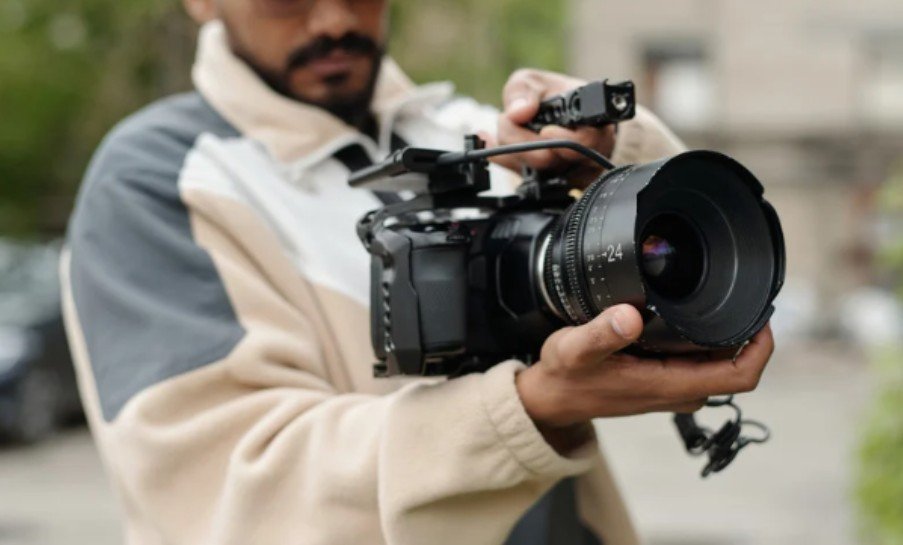
The most effective approach is to define what the shot needs before selecting equipment. The director, cinematographer, key grip, and gaffer should establish the framing, camera movement, lighting direction, and duration of the action.
Clarify Every Movement
Small misunderstandings can produce major redesigns. The crew should confirm whether the camera remains static, changes height, rotates, tracks with a subject, or travels with a vehicle.
It is also important to determine where the camera begins and ends. A system that works at the opening position might enter the frame, catch a reflection, or restrict an actor at the end.
Identify Nonnegotiable Requirements
The team should separate essential creative requirements from preferences. If the ceiling must appear in the frame, floor-supported lighting might be inappropriate. If a camera must remain beside a moving vehicle, vibration control and redundant attachment become central considerations.
This distinction helps the grip department develop the cleanest workable solution without overbuilding the rig.
Use the Technical Scout to Find Problems Early
A technical scout allows department heads to examine the location before equipment and crew arrive. Measurements, photographs, structural information, power access, and entry restrictions should all be recorded.
Useful questions include:
- Is there sufficient ceiling clearance?
- Can the proposed structure support the intended load?
- Where can equipment enter and exit?
- Will doors, sprinklers, or ventilation systems interfere?
- Can the rig be assembled in place?
- Are wind or rain likely to affect exterior equipment?
- How quickly must everything be removed?
A scout may reveal that the rig cannot be built in its final position. A modular structure assembled elsewhere and rolled into place could offer a safer, faster alternative. Discovering that requirement early protects both the schedule and budget.
Match the Solution to the Constraint
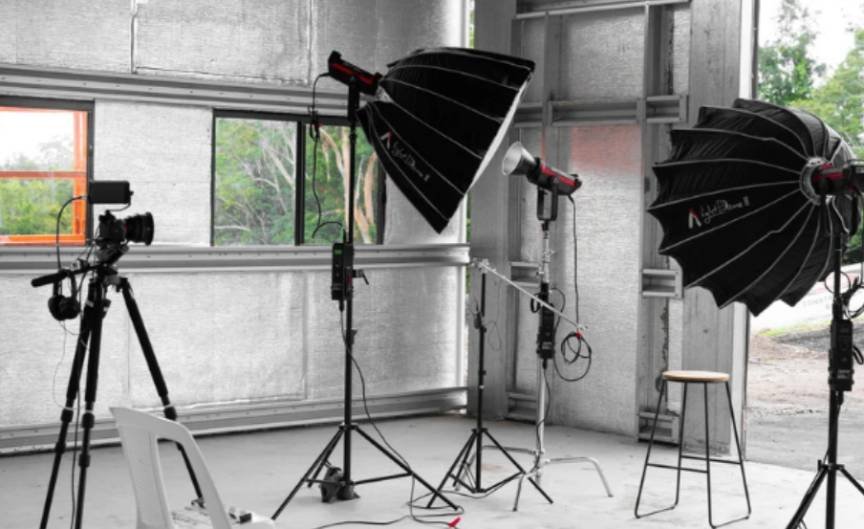
Successful solving rigging challenges during a commercial film making depends on choosing equipment for the actual environment instead of forcing familiar gear into an unsuitable situation.
Restricted Interior Locations
Compact clamps, speed rail, wall spreaders, modular truss, or purpose-built supports can keep stands out of narrow working areas. Every attachment point must be evaluated, and surface protection may be required by the location.
When overhead support is unavailable, a floor-supported goalpost or rolling structure may provide the positioning needed for image formation on camera without loading the building.
Overhead Lighting
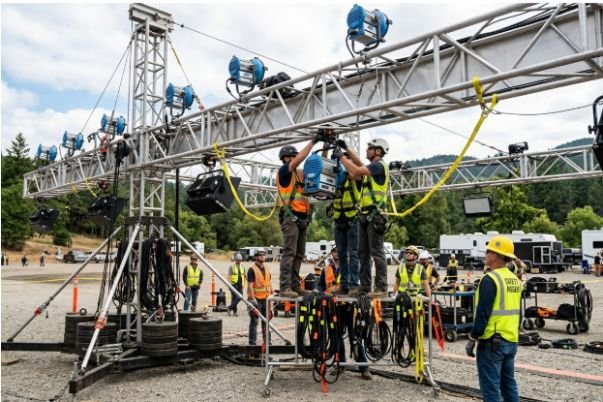
An overhead frame must account for fixture weight, accessories, cables, distribution, movement, and environmental forces. Loads should be properly distributed, connections secured, and secondary safeties installed where appropriate.
Nothing should be placed above cast or crew until qualified personnel have confirmed that the arrangement is suitable. Exclusion zones may also be needed during lifting, testing, or adjustment.
Moving Cameras and Vehicles
Vehicle rigs introduce vibration, wind pressure, changing forces, road conditions, and clearance concerns. The camera’s weight and center of gravity affect the mounting design.
The team should conduct static checks before controlled movement tests. Route planning, speed limits, communication procedures, permits, and a process vehicle may be necessary. Vehicle and specialty camera work should always be performed by experienced professionals.
Exterior Conditions
Large diffusion frames and overhead textiles can react dramatically to wind. Forecasts are useful, but crews also need real-time monitoring and predetermined limits for stopping work.
A safe plan identifies who monitors conditions, who can halt the shot, and how the equipment will be lowered or secured if conditions change.
Coordinate Every Affected Department
Rigging seldom belongs to one department alone. The grip crew may build the support, while lighting supplies fixtures and cable.
Careful cable routing is also part of a clean and safe setup, and techniques used to hide security camera cables like a pro can offer useful insight into organising runs neatly, protecting connections, and keeping visible wiring from interfering with the shot.
The art department may need to modify scenery, and the camera department must confirm payload, balance, and movement.
Production should understand setup time, staffing, access, permits and insurance requirements. The team should also analyze a movie or relevant scene with similar technical demands before finalising its approach. Clear communication prevents one department’s solution from creating another department’s problem.
A short pre-rig meeting should review:
- The final creative objective
- Equipment and structural requirements
- Responsibilities for each department
- Installation and removal order
- Communication signals
- Testing procedures
- Emergency actions
- Backup options
Test the Rig Before Filming
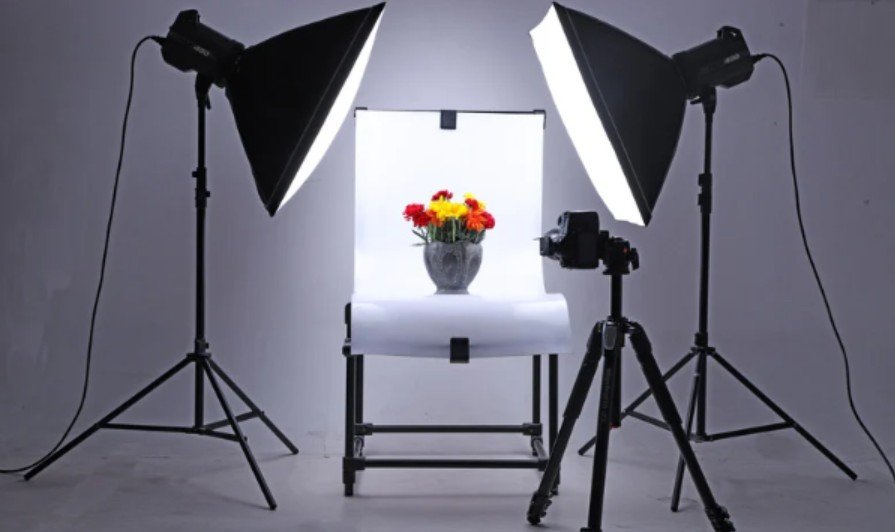
A rig is not finished when it has been assembled. It is finished when it has been inspected, tested under controlled conditions, and approved for its intended use.
Testing should reproduce the expected load and movement without exposing performers or unnecessary crew members. The team should check fasteners, connections, clearances, vibration, cable movement, framing, shadows, and reflections.
The setup should also remain repeatable. Commercial productions often require several identical takes, so marks, settings, and movement limits should be documented.
Prepare a Practical Backup Plan
Equipment can fail, weather can change, and clients can request a new angle. A contingency plan might include alternate mounting hardware, a simpler camera move, replacement components, weather protection, or a lighting option that requires less overhead support.
The backup does not need to recreate every feature of the preferred design .A small business brand video production case study can also show how production teams adapt creative ideas, equipment choices, and contingency plans to deliver strong results within practical time and budget constraints.
It needs to preserve the most important creative result while keeping the production safe and moving.
Frequently Asked Questions
1. What is the first step in solving rigging challenges during a commercial film shoot?
The first step is defining the exact shot. Confirm camera movement, lighting direction, available space, expected loads, location restrictions, and required adjustments before choosing equipment.
2. Who is responsible for film-set rigging?
Responsibilities vary by setup, but rigging is normally planned and performed by qualified grip, lighting, stunt, engineering, or specialty-rigging professionals. Production must provide appropriate resources and maintain a safe workplace.
3. How can rigging delays be prevented?
Conduct a detailed technical scout, provide accurate equipment specifications, assign responsibilities early, prebuild when possible, test before talent arrives, and keep replacement hardware available.
4. When does a rig need engineering review?
Engineering input may be required for substantial overhead loads, unusual structures, personnel-supporting systems, building attachments, large exterior frames, or any arrangement outside the crew’s approved expertise.
Final Thoughts
I see effective rigging as structured problem-solving rather than clever improvisation. The strongest crews understand the shot, inspect the environment, question their assumptions, and test the solution before production pressure increases.
A successful setup is safe, unobtrusive, adjustable, and repeatable. It supports the creative idea without slowing other departments or introducing avoidable risk. When preparation, communication, and experienced judgment guide the process, the equipment becomes invisible—and the audience sees only the finished image.