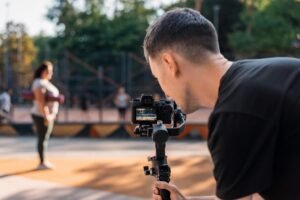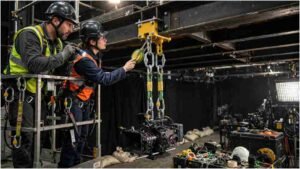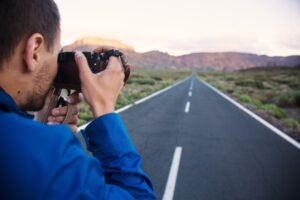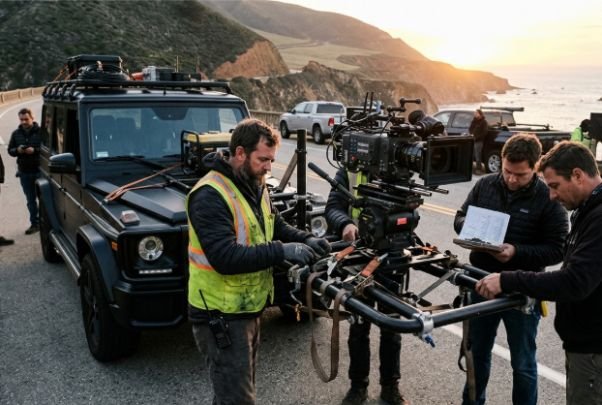




I am always fascinated by a scene in which the camera follows an actor through rooms, climbs above a crowd, enters a moving vehicle, or passes between operators without an obvious cut. The final footage can look effortless, but that illusion may require days of planning and rehearsal.
Looking behind the scenes of a complex camera movement sequence reveals far more than an operator walking with a stabilizer. Every actor, technician, prop, light and camera position must work on an exact schedule. One missed cue can ruin the entire take. Here is how filmmakers turn an ambitious idea into a fluid sequence that supports the story.
What Makes a Camera Movement Complex?
Complexity is not determined by duration alone. A short shot can be difficult when it combines several movements, changing focus distances, tight spaces or equipment transitions.
A complex sequence might begin as a handheld follow shot, move onto a dolly and finish with the camera rising on a crane. It may involve actors crossing precise marks while technicians move lights, open doors or remove equipment outside the frame.
The most demanding sequences often include:
- Multiple rooms or locations
- Moving actors, vehicles or stunt performers
- Changes in camera height and direction
- Transitions between support systems
- Live focus and exposure adjustments
- Hidden edits or visual effects
- Precisely timed sound and lighting cues
Each technical choice should have a narrative purpose. Movement without motivation may distract viewers instead of drawing them into the scene.
Designing the Shot Around the Story
Establishing the Emotional Goal
Before choosing equipment, the director and cinematographer decide what viewers should experience. Following a nervous character through a crowded building can create anxiety. Slowly circling two people may suggest growing intimacy or conflict. Pulling away from a solitary figure can emphasize isolation.
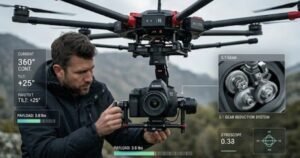
This emotional objective determines the speed, framing and direction of the move. The creative goal also influences equipment choice, which is why comparing cable camera vs drone for cinematic shots can help filmmakers decide which system offers the right combination of movement, control, perspective, and shooting flexibility.
It also helps the production team decide whether an uninterrupted shot is more effective than conventional coverage.
Mapping the Camera Route
The team converts the idea into a practical route using storyboards, floor plans, shot lists or interactive virtual previsualization. The route identifies where the camera begins, where actors enter, when focus changes and how the final composition will look.
Locations are inspected for narrow doors, reflective surfaces, uneven floors and low ceilings. The crew also searches for places where technicians and equipment can remain hidden.
Selecting the Camera, Lens and Support
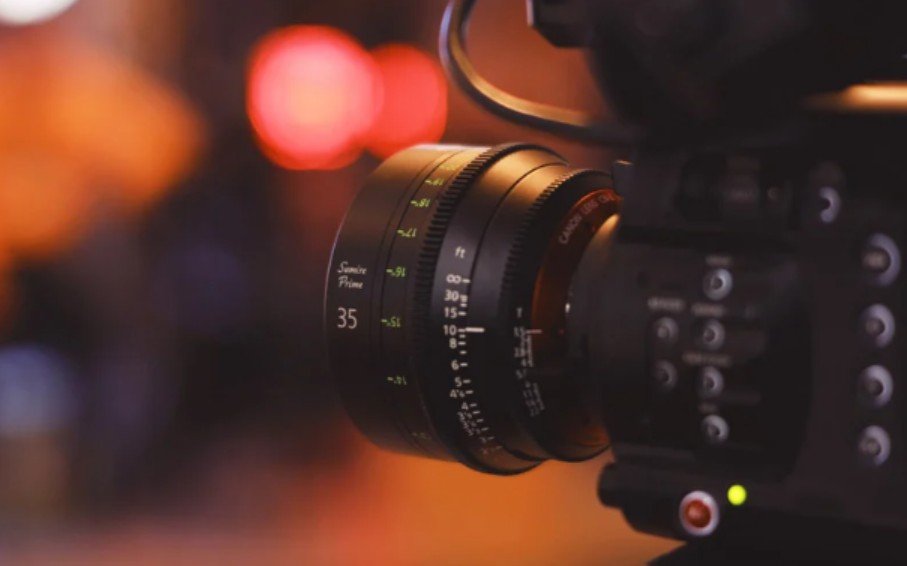
A lighter camera makes extended operation and handoffs easier, but image quality, battery capacity and recording time still matter. Lens selection is equally important. A wide lens can make movement feel faster and reveal more of the environment, although it also makes hiding the crew difficult.
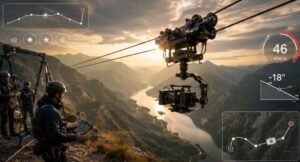
The support system depends on the route. A dolly provides repeatable movement over a prepared surface. A Steadicam offers smooth travel through irregular spaces, while a motorized gimbal can handle compact locations and rapid direction changes. Cranes and jibs create vertical movement, and vehicle mounts allow the camera to travel safely at speed.
Some shots combine several systems. For productions using suspended or cable-supported movement, knowing how to hire a cable camera operator can help ensure the crew has the technical experience needed for safe rigging, precise movement, and coordinated execution.
The camera might be carried through a building, transferred to a platform and raised above the action. Every connection, release and handoff must be tested before filming.
Choreographing Actors, Camera and Crew
Assigning Marks and Cues
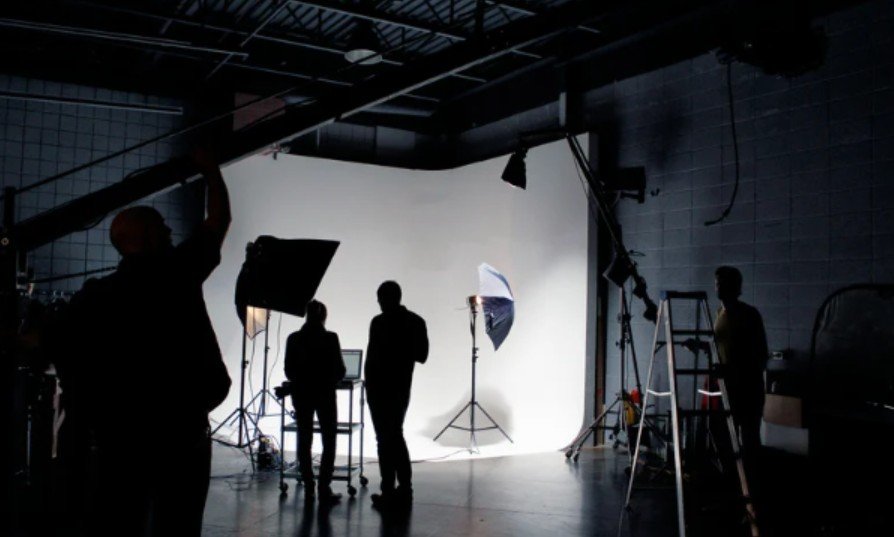
Actors receive marks showing where to stop, turn or deliver important lines. The operator has corresponding positions for framing and equipment changes. Understanding what is a tracking shot also helps explain why camera movement, actor blocking, focus changes, and crew timing must be choreographed together to maintain a smooth visual flow.
Focus pullers, grips, lighting technicians and sound crew also follow timed cues.
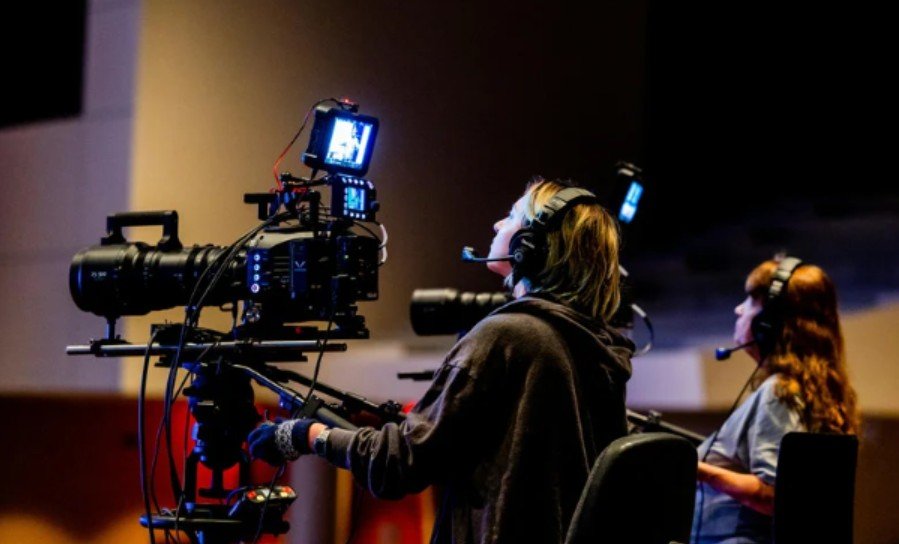
Communication may happen through rehearsed dialogue, visual signals or wireless headsets. In a busy sequence, one line from an actor can cue a door opening, a lighting change and the camera’s next movement.
Managing Focus and Exposure
Changing distances make focus especially challenging. A DSLR focus puller may control the lens wirelessly while watching a monitor and following measured distance marks. Lighting changes are handled through dimmers, remote controls, planned exposure adjustments or carefully balanced practical lights.
Reflections require close attention. Mirrors, windows, polished vehicles and metal surfaces can reveal crew members who appear safely outside the normal frame.
Why Rehearsals Matter
A difficult movement is normally built in stages. The production begins with a walk-through, followed by camera-only and actor-only rehearsals. Departments are added gradually until everyone can complete a full technical run.
These rehearsals expose practical problems. An actor may block the camera, a door may close too slowly, or the operator may arrive before a lighting cue. Correcting these issues beforehand protects performance time and reduces expensive resets.
Studying behind the scenes of a complex camera movement sequence also shows why the first complete take is rarely the final one. Even when every technical cue succeeds, the director may request another attempt to improve pacing, emotion or composition.
Camera Handoffs and Invisible Cuts
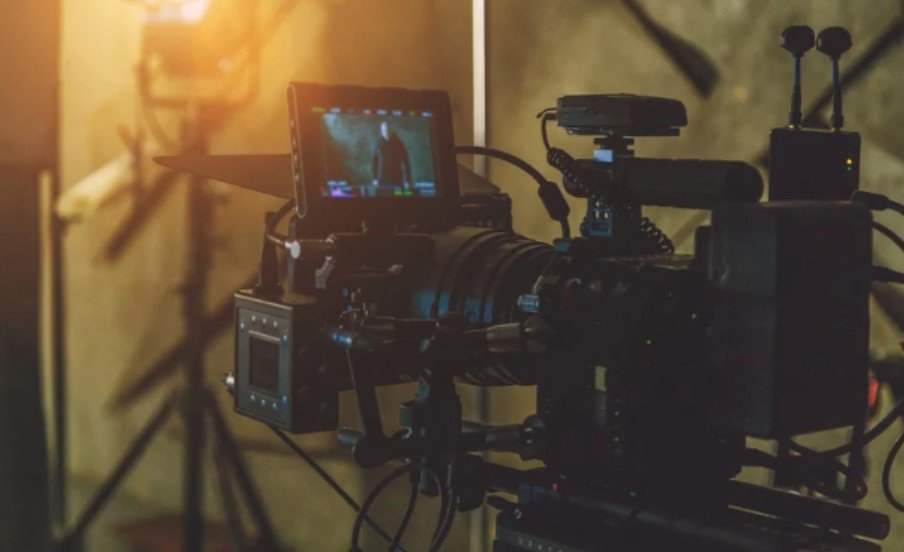
A handoff allows the camera to continue where one operator or support system cannot. One operator might pass a stabilized camera through a vehicle window to another operator. A Steadicam operator may step onto a crane platform before being lifted above the set.
Safety takes priority during these transitions. Operators establish clear grip points, confirm balance and practise emergency procedures.
Not every apparent one-take sequence is genuinely uninterrupted. Editors can conceal cuts when the camera passes behind a wall, crosses a dark area or fills the frame with a moving object. Whip pans and rapid motion blur also provide natural transition points. Visual-effects artists may align frames, remove equipment and smooth timing differences.
Sound makes the illusion more convincing. Continuous ambience, footsteps and music can bridge separate shots so viewers do not notice the edit.
Common Problems During Filming
The most frequent failures are missed marks, soft focus, visible equipment, unwanted shadows and mistimed camera arrivals. Stunts and practical effects create additional variables because smoke, debris and vehicles may behave differently during every take.
Productions prepare by rehearsing individual sections, creating backup cut points and assigning reset responsibilities. The team should also capture conventional coverage when possible. A technically impressive sequence is not useful if a mistake makes the scene impossible to edit.
Frequently Asked Questions
1. What happens behind the scenes of a complex camera movement sequence?
During behind the scenes of a complex camera movement sequence planning, filmmakers map the camera route, choreograph actors and crew, choose appropriate support equipment, rehearse cues and prepare hidden editing points.
2. Are one-take scenes always filmed without cuts?
No. Some are genuine uninterrupted takes, while others combine multiple shots through concealed edits, motion blur, foreground objects or digital stitching.
3. How do operators maintain focus while moving?
A focus puller usually controls the lens wirelessly using measured marks, rehearsal notes and a video monitor. Autofocus may help on smaller productions, but complex professional shots generally require careful manual control.
4. How long does rehearsing a difficult movement take?
The schedule depends on the length, stunts, location and number of cues. A short compound move may need several hours, while an elaborate action sequence can require multiple rehearsal days.
Bringing the Entire Sequence Together
I believe the best camera movement is the one viewers feel without stopping to question how it was created. Equipment can make an ambitious move possible, but technology cannot replace motivation, preparation and teamwork.
When the route supports the story, the actors know their marks, and every department understands its cues, an apparently impossible shot becomes manageable. Its real power comes from combining performance and technique so completely that the audience remains inside the moment.