
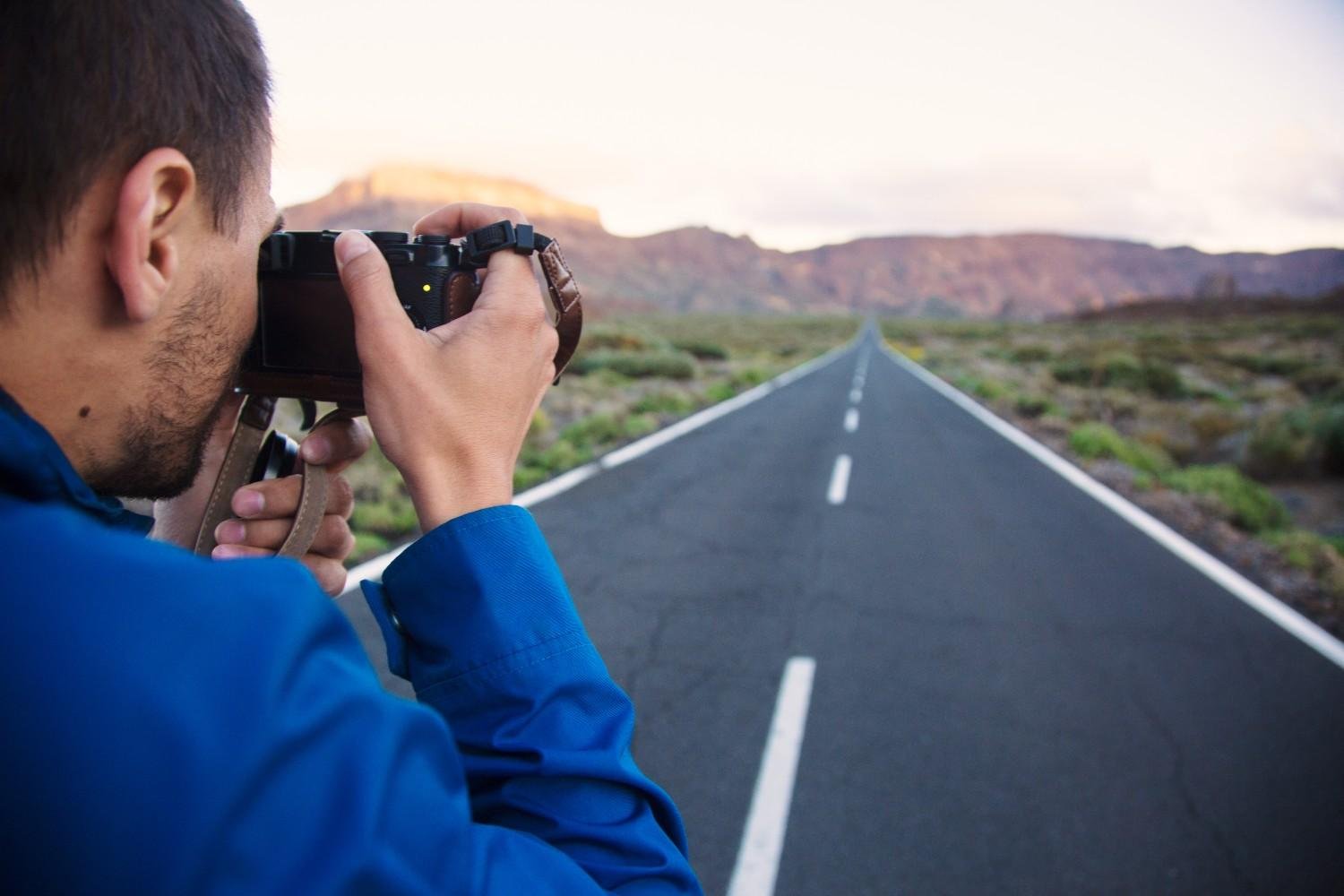
A great location reveal should feel like opening a door the audience did not know was there. I like to begin with just enough visual information to create curiosity, then let the camera expose the bigger world one layer at a time.
The best camera movement for revealing a location does more than show where a scene takes place—it controls the moment viewers realize how large, dramatic, isolated, or unexpected that place really is.
From a slow dolly-out across a desert landscape to a crane rising above a packed stadium, the right movement can turn an ordinary establishing shot into a memorable cinematic discovery.
Why Is a Pull-Back Reveal So Effective?
A pull-back changes what the viewer understands while the shot is happening. I might open on a character’s face, then move backward until a stadium, canyon, soundstage, or skyline appears behind them.
Unlike a zoom-out, a dolly-out physically changes camera position. Foreground and background objects shift relative to one another, creating parallax and stronger depth. I use this technique when I want to communicate isolation, vastness, vulnerability, or awe.
That is why the pull-back reveal remains such a reliable visual storytelling technique. It allows the audience to discover the environment instead of receiving all the information at once.
Which Camera Movement Should I Use for Different Location Reveals?
Different narrative goals call for different camera movement techniques.
| Narrative Goal | Best Movement | Emotional Effect |
| Reveal vastness | Pull-back or dolly-out | Awe, surprise |
| Show vertical scale | Tilt up | Wonder, intimidation |
| Discover with a character | Over-the-shoulder tracking | Immersion |
| Reveal above an obstruction | Crane or jib rise | Spectacle |
| Shift locations instantly | Whip pan | Energy, shock |
| Show geography | Drone reveal | Context, scale |
When Should I Use a Whip Pan for a Location Reveal?
A whip pan works when I want an energetic reveal instead of slow discovery. The camera snaps horizontally from one area to another, usually creating motion blur between the beginning and ending frames.
It works especially well in US sports content, commercials, music videos, and fast-paced event coverage. I can use the motion to redirect attention quickly and reveal an entirely different part of the environment.
The ending frame still matters. If the camera lands on an unclear composition, the move can feel like a visual trick rather than purposeful visual storytelling.
Is a Tilt Up Best for Skyscrapers, Mountains, and Tall Locations?
When height defines a location, I prefer a tilt up. I can begin on the ground, a person, or an architectural detail and rotate upward until the full structure or landscape appears. This same controlled vertical movement can also work when choosing the best camera movement for closing shots, especially if the final image should leave viewers with a sense of scale or release.
This works well for Manhattan towers, mountain peaks, monuments, and arena interiors. A slow tilt communicates grandeur; a faster tilt adds urgency.
A tilt moves vertically, while a pan moves horizontally, so “tilt up” is the more precise cinematography term. The movement is particularly effective when the audience needs to understand how tall, imposing, or expansive a location really is.
How Does Over-the-Shoulder Tracking Create an Immersive Reveal?
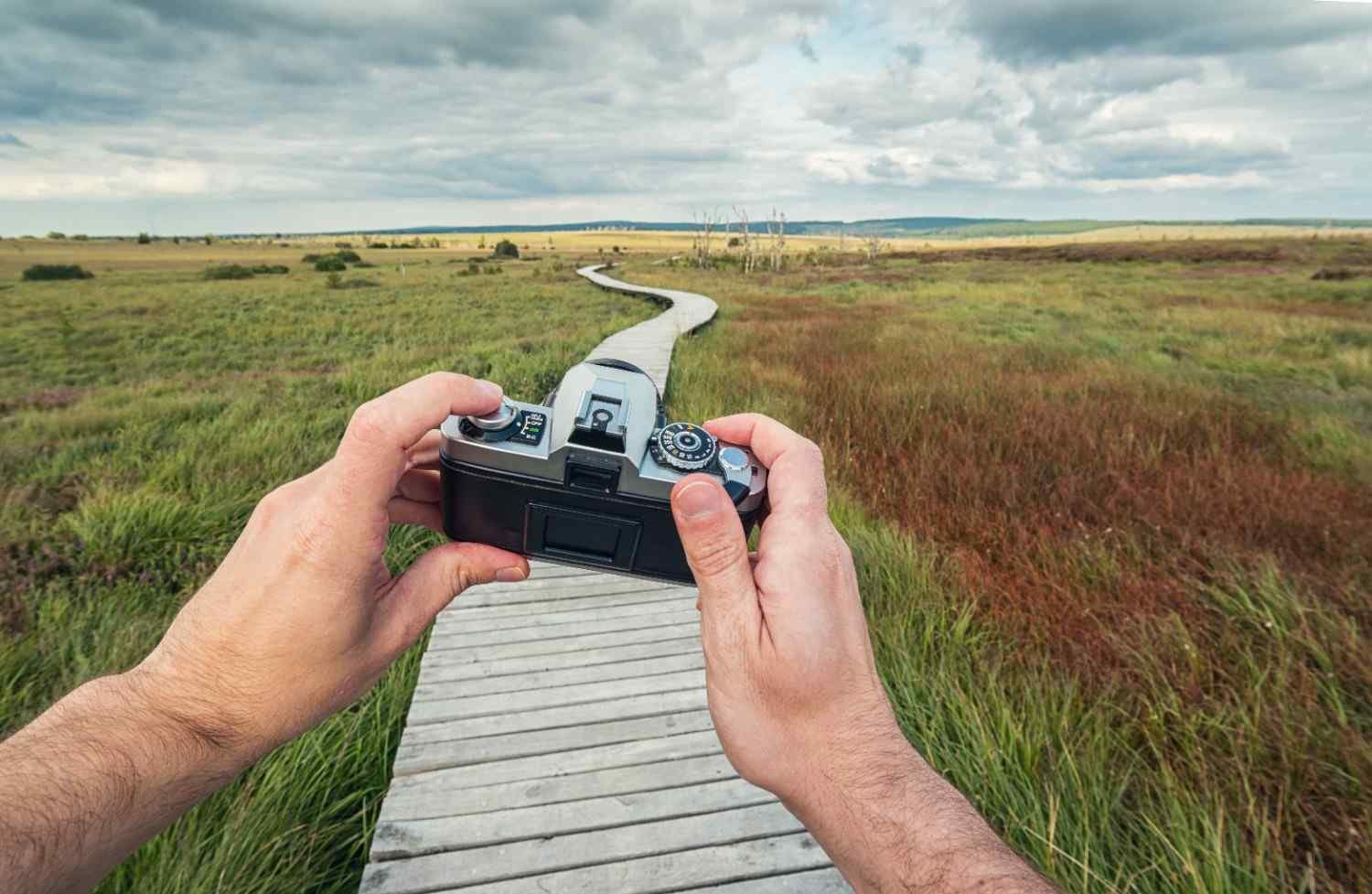
An over-the-shoulder tracking shot lets viewers discover a setting with the character. I can follow someone through a doorway, over a ridge, into a stadium, or onto a production stage.
Because the camera stays close to the character’s point of view, the reveal feels experiential. The subject also provides a useful scale reference.
A gimbal, Steadicam, dolly, or controlled handheld setup can support this type of cinematic camera movement. The approach works particularly well when I want viewers to feel as though they are entering an unfamiliar place alongside the subject.
When Should I Use a Crane or Jib Rise?
A crane or jib rise is ideal when a crowd, wall, vehicle, trees, or another foreground object blocks the location. The camera physically lifts above that obstruction and unveils the environment.
This movement can turn an ordinary establishing shot into a more dramatic reveal because viewers experience the change in perspective in real time.
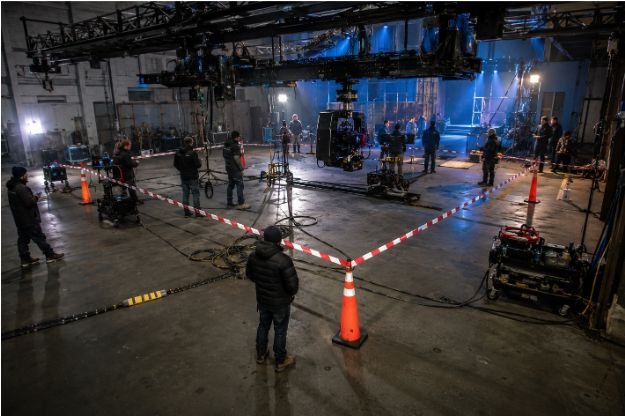
On larger US productions, these rigs also require safe operating space, route planning, and crew coordination. I plan both the movement path and final frame carefully so the reveal feels controlled rather than unnecessarily complicated.
Are Drone Shots Good for Establishing a Location?
Drone shots work best when geography matters. An aerial establishing shot can show roads, buildings, coastlines, neighborhoods, mountains, or event grounds more clearly than a ground-level camera.
For US shoots, I also account for FAA requirements, local restrictions, weather, crowds, and property permissions.
I use aerial camera movement when the relationship between different parts of the environment is important. A drone can reveal how isolated a building is, how large an event site feels, or how a road leads into a city or landscape.
How Can Foreground Objects Make a Reveal More Cinematic?
A strong reveal often depends on what I hide first. Doors, walls, trees, vehicles, columns, curtains, and crowds can temporarily block the wider environment.
I can track around the obstruction, rise above it, or pull backward until the location appears. This foreground reveal adds anticipation and gives the camera move a clear purpose.
Foreground elements can also enhance parallax, helping the audience feel depth as the camera physically moves through the scene.
What Lens and Movement Speed Work Best?
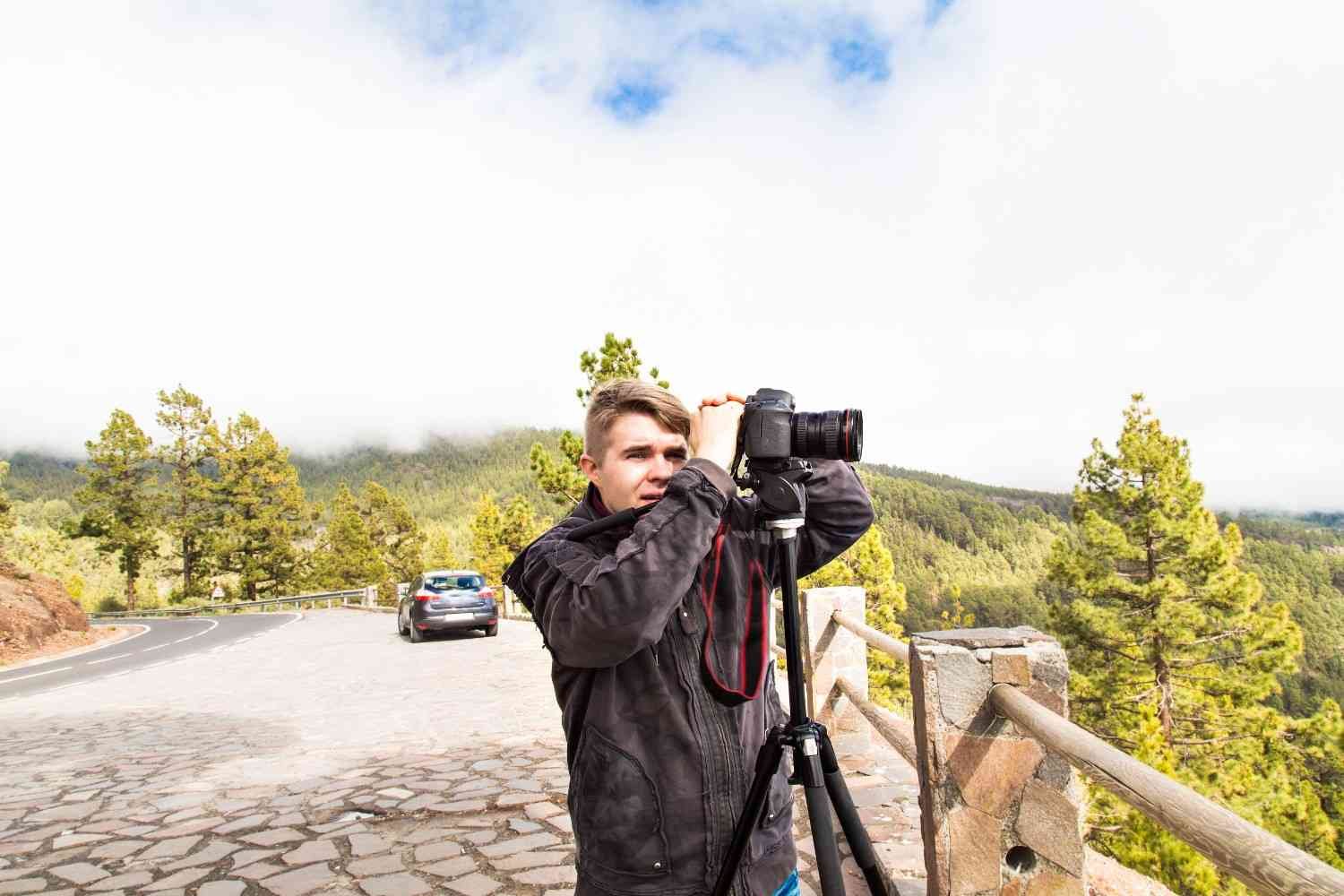
Wide-angle lenses include more of the environment and can exaggerate spatial depth, although ultra-wide focal lengths may distort architecture. A moderately wide lens often feels natural, while a longer lens can compress distant elements into dramatic layers. This becomes especially important when learning how to shoot camera movement in small spaces, where lens choice can make a confined location feel more open without creating distracting distortion.
I match speed to emotion. Slow moves suit suspense, luxury, scale, and wonder. Faster moves fit sports, live events, action, and energetic branded content.
I also plan the final composition before moving the camera. A strong reveal should have a clear starting frame, a meaningful transition, and an ending composition that explains what the audience has discovered.
What Are the Most Common Location Reveal Mistakes?
The biggest mistake is showing everything too early. If viewers already understand the entire setting, the camera has little new information left to uncover.
Another mistake is moving simply because a gimbal, slider, drone, or crane is available. Good movement should reveal information, change perspective, direct attention, or create emotion.
I also avoid excessive speed when the location contains important visual details. The audience needs enough time to understand what has entered the frame.
Frequently Asked Questions (FAQs)
1. What Is the Best Camera Movement for Revealing a Location?
For most scenes, I recommend a pull-back or dolly-out because it starts with limited information and gradually exposes the wider setting. A tilt, tracking shot, whip pan, crane, or drone can work better when height, POV, speed, or geography drives the shot.
2. What Is the Difference Between a Reveal Shot and an Establishing Shot?
An establishing shot tells viewers where a scene takes place. A reveal shot controls when and how that information becomes visible. One shot can perform both functions when the camera movement gradually opens into a wide view.
3. Is a Whip Pan Better Than a Slow Pan for Revealing a Place?
It depends on the mood. A slow pan allows viewers to examine the environment gradually, while a whip pan creates a much faster and more energetic transition. I use whip pans when pace and surprise matter more than careful visual exploration.
4. Can I Create a Cinematic Reveal Without Expensive Gear?
Yes. A tripod pan or tilt, handheld move, slider, affordable gimbal, or simple foreground obstruction can create an effective reveal. Timing, composition, motivation, and the final frame often matter more than expensive equipment.
Make the Location Part of the Story
When I plan a reveal, I think about what viewers know at the start, what they discover during the move, and what the final frame should make them feel. A dolly-out remains my favorite all-purpose option, but I use tilts for height, whip pans for energy, tracking shots for discovery, crane moves for spectacle, and drones for geography. These same principles also apply to camera movement techniques for social media videos, where a quick reveal can create immediate visual interest in a shorter format.
The best camera movement for revealing a location should never feel like movement added only for style. It should control information, strengthen perspective, and turn the environment into part of the story.