


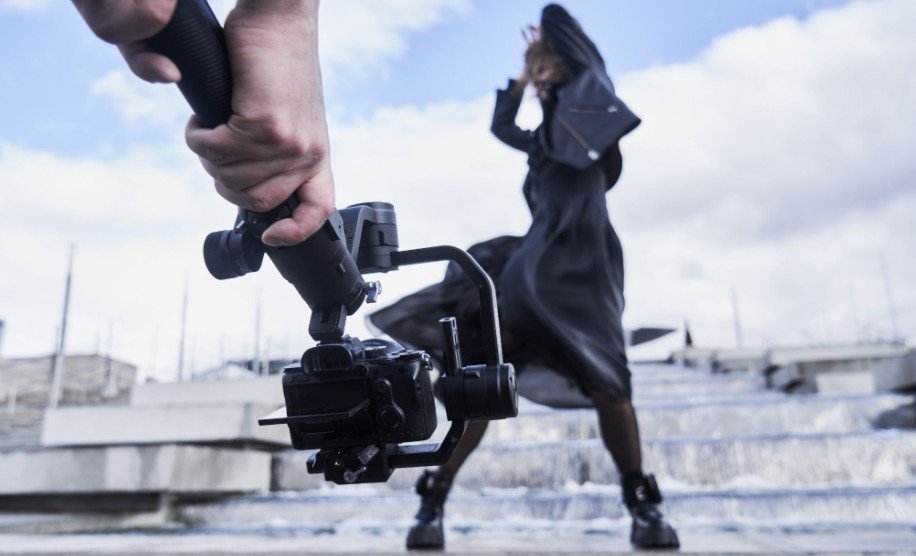
Suspense begins when viewers sense that something is wrong but cannot yet see the danger. When I plan camera movement for suspense scenes, I treat the camera like an invisible narrator. It can withhold information, suggest an unseen presence, distort reality, or guide the audience toward a reveal they desperately want—and fear—to see.
For US filmmakers creating horror movies, psychological thrillers, short films, or indie productions, the goal is not constant motion. The best camera movements that create tension always have a reason to exist. Every push, pan, track, or pause should manipulate what the audience knows.
How Does Camera Movement Create Suspense?
Camera movement controls perspective, pacing, and information. Slow camera movement stretches anticipation because viewers have more time to imagine what could happen. Fast movement can suddenly convert that anticipation into surprise.
POV camera movement can make viewers feel exposed, while unusual framing makes familiar locations feel unsafe. In cinematography for suspense, I always start with one question: What should the audience know right now?
The answer usually tells me how the camera should move.
Why Does a Slow Push-In Build Psychological Tension?
A slow push-in gradually moves the camera toward a character, object, or location. As the frame tightens, environmental distractions disappear and psychological pressure increases.
This camera technique for suspense works when a character notices a clue, hears an unexplained sound, or reaches a disturbing realization.
An even more unsettling variation is sometimes described as “pushing on nothing.” Instead of approaching a person, slowly dolly toward an empty hallway, closed door, dark staircase, or abandoned room. Nothing needs to appear. The movement itself suggests an unseen presence and makes viewers anticipate what may be waiting outside their view.
How Can POV Shots Make the Audience Feel Watched?
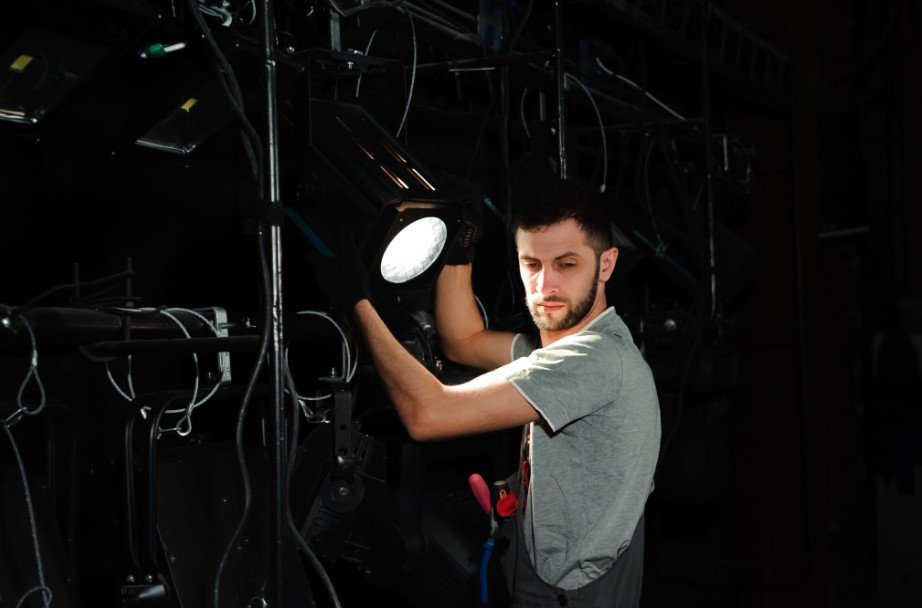
POV movement can place viewers with either the vulnerable character or the threat.
A stalker POV watches an unaware protagonist from behind a doorway, tree, curtain, window, or another obstruction. Adding slight handheld camera movement makes the perspective feel like someone is secretly observing the character.
The trailing shot creates the opposite experience. Keep the camera immediately behind a character’s shoulder while they walk toward danger. Their body blocks part of the frame, allowing viewers to see only fragments of what lies ahead.
That limited visibility makes fear of the unknown work in your favor.
How Do Slow Pans and Delayed Reveals Build Anticipation?
A cut provides information instantly. A slow pan makes the audience wait for it.
I can leave a character stationary while the camera slowly pans away toward an empty doorway or negative space where viewers expect a threat to appear. The danger may never arrive, yet the expectation itself creates anxiety.
A Hitchcock-style delayed or “double-take” reveal can push the idea further. Glide toward an object, clue, or corner, pause briefly, and then redirect the camera toward a frightened reaction or hidden detail.
Instead of simply showing information, you make the audience anticipate its discovery.
Why Do Tracking and Handheld Shots Feel More Immersive?
Tracking shots physically move through the environment with a character. A long tracking shot through a hotel, basement, parking garage, hallway, or quiet suburban home can make viewers feel trapped inside the journey.
For more ambitious continuous shots, a production breakdown of a complex one-take sequence can show how camera movement, performer blocking, focus changes, timing, and crew coordination must work together without relying on frequent cuts.
The famous tracking sequences associated with The Shining demonstrate how smooth movement can create dread without frantic cutting.
For camera movement for suspense scenes, tracking becomes especially effective when unresolved information remains in the background. An open door, distant figure, reflection, or dark passage can keep viewers searching the frame.
Handheld camera suspense works differently. Small imperfections introduce vulnerability and urgency. Excessive shaky cam, however, can distract viewers. I prefer subtle instability first, increasing the movement only as danger escalates.
How Do Dolly Zooms and Dutch Tilts Distort Reality?
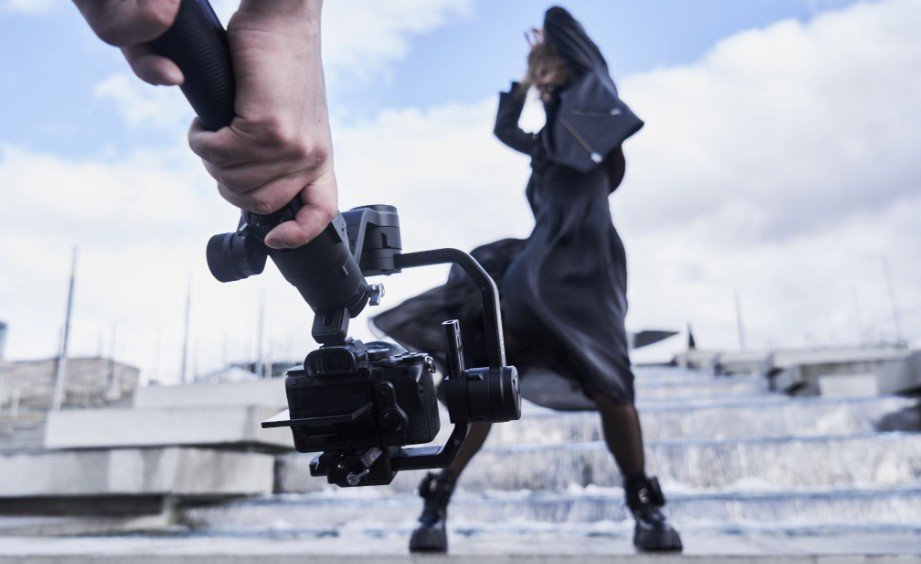
The dolly zoom, famously associated with the “Vertigo effect,” combines physical camera movement with an opposite lens zoom. The subject remains roughly the same size while the background stretches or compresses.
That distortion can visualize panic, shock, realization, dizziness, or psychological instability.
A Dutch tilt creates discomfort by rotating the horizon diagonally. Even a subtle angle can communicate that something is wrong with the environment or the character’s mental state.
Both are effective thriller camera techniques, but restraint matters. If every tense moment looks distorted, audiences quickly stop responding to the effect.
Can Pullbacks, Arc Shots, and Wider Reveals Increase Fear?
A subtle slow-motion stepback can pull the camera away as a character enters an unknown or hazardous situation. As more space enters the frame, the character appears smaller and increasingly isolated.
An arc shot circles around the subject instead. I find it especially effective during tense conversations because the changing background can suggest shifting power or make a character appear surrounded.
You can also start with a tight, low-angle shot of someone hiding and gradually tilt or pan upward to reveal how close the threat actually is.
This widening-the-space technique makes the environment part of the suspense instead of simply using it as a backdrop.
When Should You Use a Whip Pan or Static Camera?
Suspense makes viewers wait. Surprise interrupts that wait.
A whip pan works particularly well as the interruption. After building tension with slower movement, quickly pan toward a noise, attacker, vehicle, or unexpected figure. The dramatic change in speed creates the payoff.
When that suspense turns into physical conflict or a chase, camera movement for action scenes can help carry the same visual energy forward through faster tracking, reactive pans, and movement timed to impact.
But sometimes the strongest move is no movement at all.
A locked-off camera forces viewers to inspect doorways, mirrors, windows, shadows, and negative space themselves. After several motionless seconds, one small background movement can suddenly feel enormous.
What Camera Movement Mistakes Can Ruin Suspense?
The biggest mistake is revealing too much too soon. Suspense needs incomplete information. If a camera move immediately exposes the threat, anticipation disappears.
Unmotivated movement causes another problem. Constant gimbal orbits, repeated dolly zooms, excessive shaky footage, and unnecessary pans make audiences notice the cinematography instead of the danger.
The camera should strengthen the performance, blocking, sound design, pacing, and editing—not compete with them.
How Should You Plan a Suspense Camera Sequence?
I like to build suspense through escalation.
Start with a static wide shot that establishes the environment. Introduce a slow tracking move as the character approaches danger. Shift into a trailing shot or vulnerable POV to restrict visibility. Add a subtle push-in when the character realizes something is wrong.
Studying camera movements for cinematic video can also help you combine tracking, pans, push-ins, pullbacks, and static framing with greater control, so each transition supports the emotional rhythm of the sequence.
Then hold the frame. That pause gives anticipation time to peak. Only afterward should a whip pan, handheld burst, wider reveal, or sudden movement deliver the payoff.
Frequently Asked Questions
1. What camera movement is best for creating suspense?
Slow push-ins, tracking shots, POV shots, controlled handheld movement, and slow pans all work well. Choose the technique according to whether you want anticipation, vulnerability, psychological pressure, instability, or surprise.
2. Why do slow camera movements create tension?
Slow movements delay visual information. That delay gives viewers time to imagine what might happen, allowing anticipation to become more frightening than an immediate reveal.
3. What camera techniques work best in horror films?
Horror cinematography commonly uses slow push-ins, tracking shots, POV framing, Dutch tilts, dolly zooms, handheld movement, negative space, static compositions, slow pans, and delayed reveals.
4. Should every suspense scene have a moving camera?
No. Static framing can create intense suspense because viewers begin searching the composition for danger. Stillness also makes the next camera movement feel much more significant.
Final Thoughts
Great suspense does not come from moving the camera as much as possible. It comes from knowing when to move, where to direct attention, and which information to hide.
When I design camera movement for suspense scenes, I want every push, pan, track, tilt, pullback, or pause to manipulate anticipation. If viewers stop thinking about the technique and simply feel that something terrible could happen at any second, the camera has done its job.