



Two actors can deliver great lines and still end up in a visually flat scene. When I plan camera movement for dialogue scenes, I focus on what changes beneath the words. Emotion, tension, subtext, power, and actor blocking should determine whether the camera moves.
Unmotivated movement competes with performance. A motivated move guides the audience toward the moment that matters. For US filmmakers, the goal is purposeful visual storytelling, not constant motion.
Should the Camera Move During Every Dialogue Scene?
No. A locked-off camera can be more powerful than a dolly or gimbal when actors need space to carry the scene. I often stay static during a confession, silence, or controlled confrontation because stillness makes viewers study faces and reactions.
If a character gains control, reveals a secret, withdraws emotionally, or crosses the room, movement may help. Otherwise, traditional coverage can work better. A master shot establishes geography, a two-shot shows the relationship, and over-the-shoulder shots, dirty singles, close-ups, and reaction shots protect eyelines and continuity.
Studying commercial video case studies can also show how filmmakers balance static framing, tracking shots, close-ups, and subtle camera moves according to the message, performance, and pacing of a scene.
What Camera Move Works Best for Emotional Dialogue?
Use a Slow Push-In for Intimacy
A slow push-in, or dolly in, closes the distance between the audience and a character. I use it when a line becomes personal, a realization lands, or a character finally says what they have been avoiding. A subtle move from a medium shot toward a close-up can raise emotional stakes without interrupting the performance.
Pull Back to Create Emotional Distance
A pull-back creates the opposite feeling. As the frame widens, a character can appear smaller, exposed, or emotionally disconnected. It works well after rejection, defeat, or a sudden loss of control.
How Does a Conversation Dolly Shift Power?
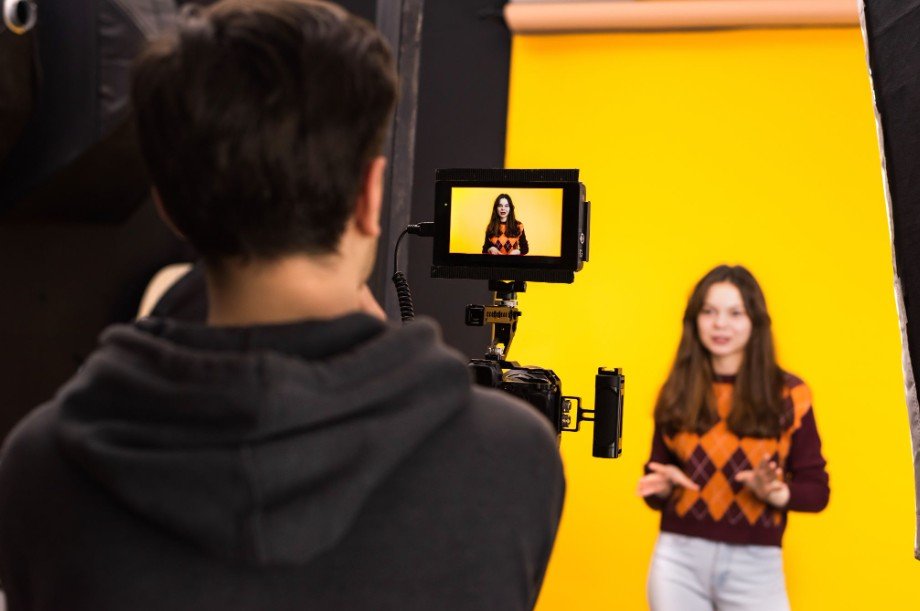
A conversation dolly works well when two characters sit side by side or share a controlled space. The camera slowly moves toward one speaker and later repeats a similar move toward the other.
Matching the speed helps viewers compare both characters and can suggest rising dominance, confidence, or a change in who controls the exchange.
How Do You Shoot a Walk-and-Talk Scene?
A walk-and-talk tracking shot can make exposition-heavy dialogue feel active. The camera may move backward in front of the actors, follow behind them, or track laterally beside them.
I block the actors first, then choose the camera path. That keeps movement motivated by the characters rather than the rig. It works especially well in offices, hospitals, backstage spaces, and other high-pressure environments.
Reviewing a video production case study can also show how blocking, camera movement, equipment choices, and production logistics come together to create smooth, purposeful coverage in real shooting conditions.
When Should You Orbit Around Two People Talking?
A circular pan or orbit can intensify romance, paranoia, uncertainty, or confrontation because the changing background makes the relationship feel less stable.
For a more controlled version of this movement, learning how to shoot an arc shot can help you plan the camera path, maintain consistent framing, and create a gradual perspective shift around the actors.
I use it selectively. A full orbit draws attention, while a slower partial arc creates a similar shift with more restraint.
How Can Movement Follow Dialogue Beats?
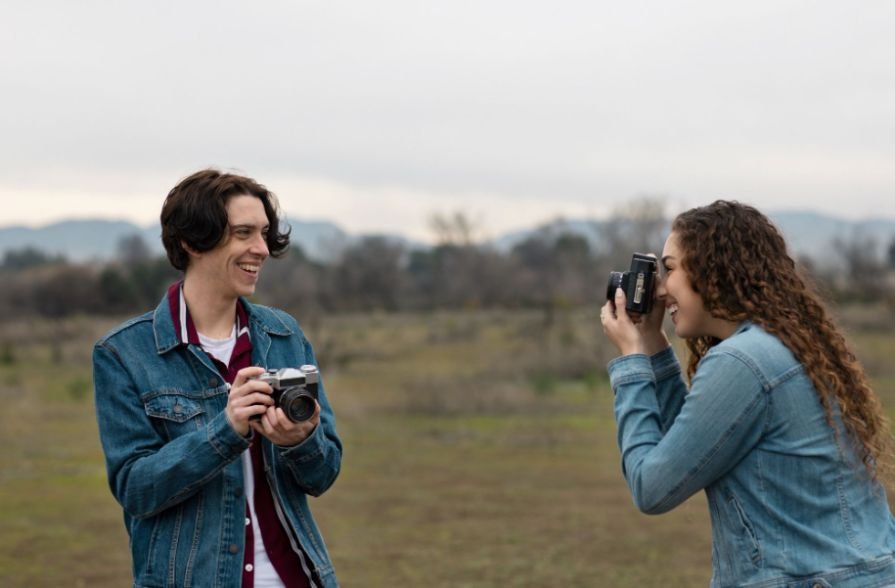
One of the strongest techniques is changing camera behavior as the conversation changes. I might begin with relaxed tracking during casual banter, then reduce movement as tension rises. When the argument breaks open, I can push into tighter coverage or stop the camera completely.
That contrast gives movement meaning. Stillness feels more uncomfortable after motion, while a sudden push-in feels stronger after restraint.
What Is an Offset Background Pan?
An offset background pan begins from a position that partly hides or turns away from a character, then gradually moves until the face becomes visible. I can combine it with a focus pull to reveal internal conflict without explaining it in dialogue.
This works when someone refuses to look at the speaker, suppresses a reaction, or realizes something before responding.
How Do Parallax and Slider Reframes Improve Dialogue?
Lateral slider or tracking movement creates parallax by changing the relationship between foreground and background objects. Even a small sideways move can add depth without overwhelming the dialogue.
A compact slider or dolly also helps with dirty singles. If the foreground actor shifts and blocks the speaker, I can make a subtle reframe instead of a distracting correction.
How Do You Keep the 180-Degree Rule While Moving?
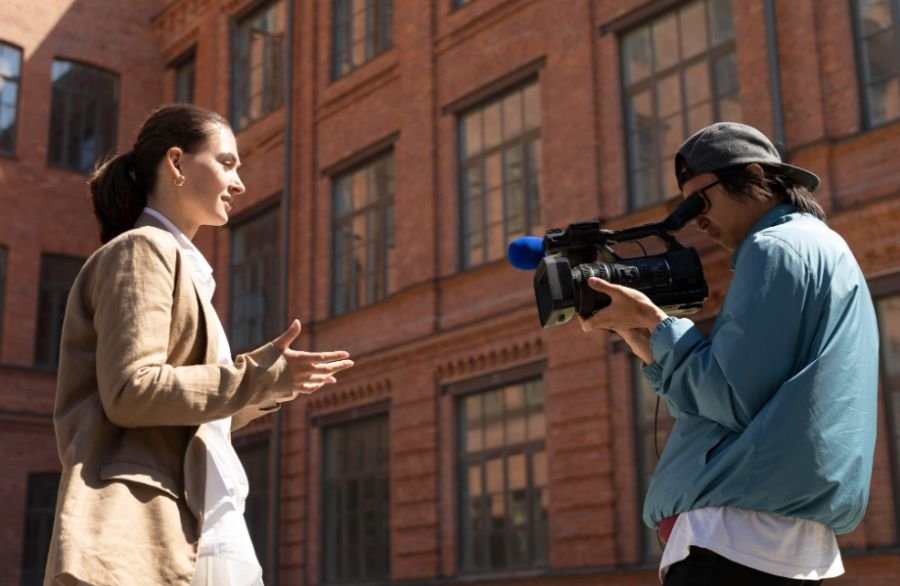
The 180-degree rule protects spatial clarity by keeping camera positions on a consistent side of the imaginary axis between characters. I treat it as a continuity tool, not an absolute prohibition.
If I cross the line, I prefer a visible transition that helps viewers understand the new geography. Sudden unexplained reversals can break screen direction and eyelines.
Does Handheld Movement Work for Dialogue?
Controlled handheld movement works well for instability, urgency, and realism. I use small organic adjustments rather than constant shaking, especially in thrillers, crime dramas, arguments, or documentary-style scenes.
Even handheld coverage should maintain readable composition, focus, headroom, and eyelines.
Frequently Asked Questions
1. What Is the Best Camera Angle for Two People Talking?
I usually begin with a master or two-shot, then add over-the-shoulder shots, medium singles, close-ups, and reactions according to the emotional needs of the scene.
2. How Do I Make a Dialogue Scene Less Boring?
Use purposeful blocking, varied shot sizes, foreground depth, reaction shots, motivated reframing, and selective movement that follows changes in the conversation.
3. Should I Use a Gimbal for Dialogue Scenes?
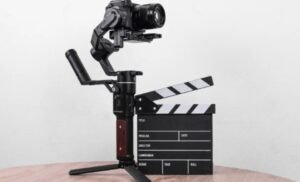
A gimbal works well for walk-and-talks or fluid blocking, but it is not automatically better than a tripod, dolly, slider, or handheld setup. Choose the tool that serves the story.
4. Can I Break the 180-Degree Rule During Dialogue?
Yes. Make the transition readable with a visible move across the axis, a neutral shot, or staging that explains the new screen direction.
Final Take
I approach camera movement for dialogue scenes as an emotional decision before a technical one. If the relationship changes, the camera may change with it. If the performance already carries the moment, I am comfortable staying still.
The goal is not to make every conversation move. It is to make every move mean something.