


When I first heard cryptocurrency solana seeker the 500 crypto phone mentioned alongside ordinary Android devices, my first question was pretty obvious: why would anyone buy a smartphone specifically for crypto?
The answer is more interesting than “because blockchain.” Solana Mobile’s Seeker is designed around the idea that wallets, decentralized apps, digital identity, payments, and onchain transactions should feel like native mobile features rather than accessories awkwardly glued onto a regular phone.
The $500 label reflects the Seeker’s widely reported retail positioning, although promotions can change. What matters more is whether the crypto-first features give you something a normal Android phone plus a downloaded wallet cannot.
Table of Contents
ToggleWhat Is cryptocurrency solana seeker the 500 crypto phone Really Offering?
At heart, Seeker is an Android smartphone with specialized Web3 hardware and software. Its current hardware includes a MediaTek Dimensity 7300 processor, 8GB of RAM, 128GB of UFS 3.1 storage, and a 6.36-inch AMOLED display with a dynamic 120Hz refresh rate.
You also get a 4,500mAh battery, wireless charging, 5G, Wi-Fi 6, Bluetooth 5.4, a nano SIM slot, and eSIM support. Those aren’t wild flagship numbers, but they make Seeker look much more like an everyday smartphone than an experimental crypto gadget.
The important difference appears below the normal Android layer. You can see the full current hardware and ecosystem overview on Solana Mobile’s official Seeker, where Seed Vault, Seeker ID, Genesis Token, and the Solana dApp Store are positioned as central features.
Why Does cryptocurrency solana seeker the 500 crypto phone Have a Seed Vault?
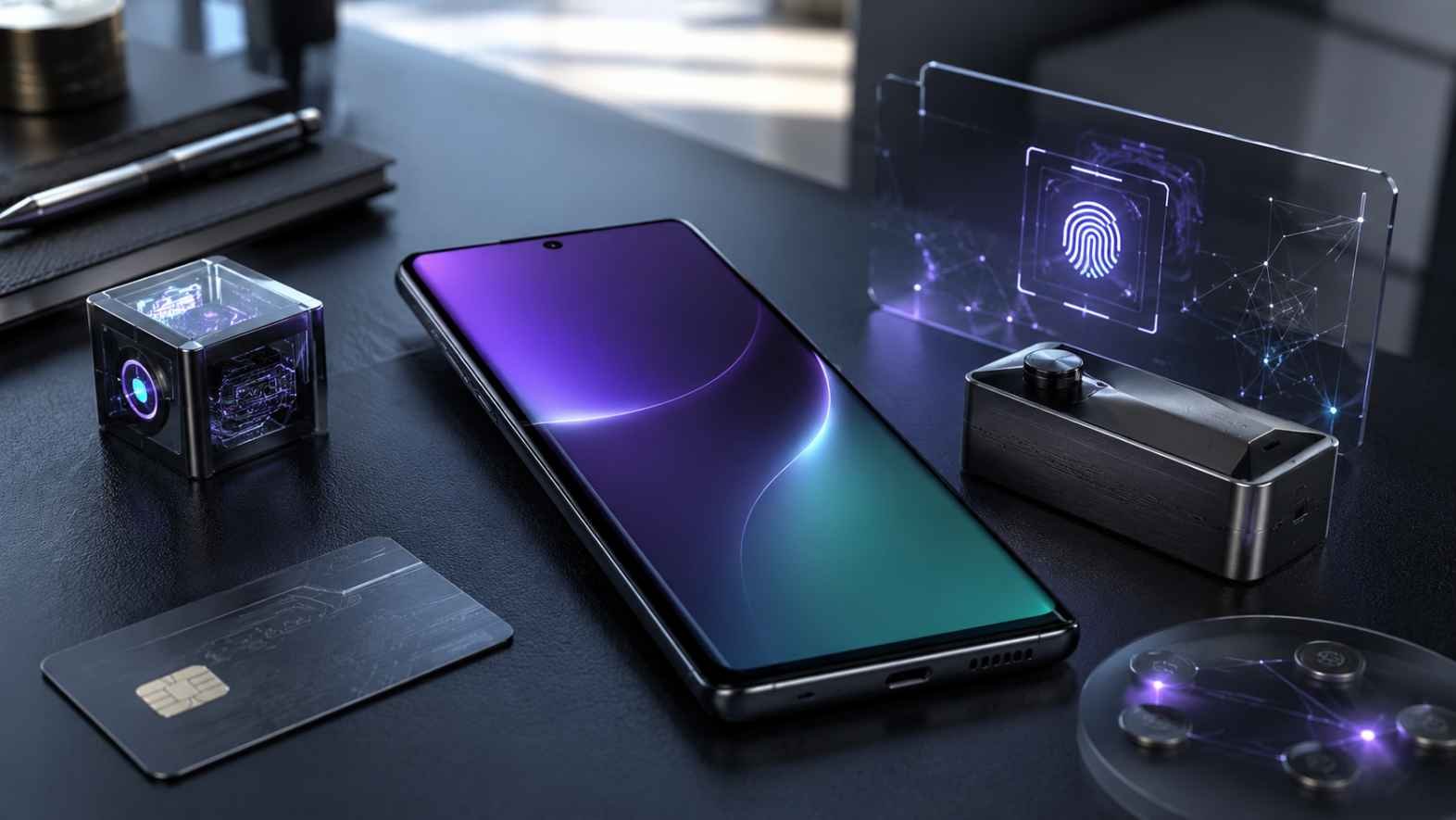
Seed Vault is arguably the feature that gives Seeker its strongest reason to exist. Instead of treating a crypto wallet like just another downloaded app, Solana Mobile integrates key-management functionality into the device.
The accompanying Seed Vault Wallet uses fingerprint access and supports streamlined transaction approval. The intention is to protect sensitive signing material while still allowing you to interact with Web3 applications without carrying a separate hardware wallet everywhere.
That doesn’t magically remove crypto security risks. You still need to protect recovery information, understand transactions before approving them, avoid phishing, and treat suspicious dApps like suspicious food left in the office refrigerator: touching them is optional.
How Does cryptocurrency solana seeker the 500 crypto phone Handle dApps?
The Solana dApp Store is another major part of the pitch. It provides access to applications spanning payments, decentralized finance, DePIN, NFTs, gaming, AI, and other onchain categories.
That gives developers a distribution channel designed specifically for crypto applications. For users, the promise is fewer awkward jumps between browser extensions, wallets, signing windows, and unrelated mobile interfaces.
This is one reason Forbes described Seeker as an attempt to move crypto functionality closer to the operating-system level rather than simply adding another wallet app. You can read that hands-on perspective in Forbes’ analysis of the Solana Seeker experience.
What Is Seeker ID and Why Should You Care?
Seeker ID works as a blockchain-connected identity inside the Solana Mobile ecosystem. Users can associate an identity with a unique .skr domain, wallet, and device-related credentials.
The idea is to give applications a way to recognize genuine Seeker users while allowing the user to carry an onchain identity across compatible experiences. That can potentially make rewards, access, reputation, and personalized Web3 services feel more integrated.
Each Seeker can also generate a non-transferable Genesis Token associated with the ecosystem. It can help establish device authenticity and provide access to certain rewards or experiences, although you should never buy hardware assuming future rewards will repay the purchase price.
Is cryptocurrency solana seeker the 500 crypto phone Powerful Enough for Everyday Use?
This is where expectations matter. Seeker isn’t trying to beat the most expensive Android flagships simply by throwing giant hardware specifications onto a comparison sheet.
Its 8GB of RAM and 128GB storage are reasonable for normal mobile use, while the 120Hz AMOLED display should make everyday navigation feel smooth. The Dimensity 7300 is also positioned more like efficient midrange silicon than elite flagship hardware.
If you’re interested in taking crypto functionality beyond mobile wallets, learning how to build your own ai crypto trading bot can also help you explore how AI and automated trading tools fit into a broader crypto workflow.
Decrypt’s hands-on review reached a similar conclusion, calling the device a more measured crypto phone and highlighting the trade-off between less luxurious hardware and deeper crypto functionality. Their assessment of how the Seeker compares with conventional Android phones is particularly useful if you’re considering it as a primary handset.
Who Is cryptocurrency solana seeker the 500 crypto phone Actually For?
I think the clearest audience is someone already spending meaningful time in the Solana ecosystem. If you regularly use DeFi, Solana payments, staking, decentralized applications, NFTs, DePIN services, or crypto wallets, having those workflows deeply integrated into your phone can be convenient.
Developers are another obvious audience. A dedicated Web3 mobile ecosystem creates an environment for experimenting with mobile-first blockchain applications rather than assuming every decentralized product should live inside a desktop browser.
If you rarely interact with cryptocurrency, however, a mainstream Android phone may provide better value based purely on camera quality, storage, processor performance, accessories, and long-term software expectations.
How Does SKR Change the Seeker Ecosystem?
Solana Mobile has expanded the platform beyond the original hardware pitch through SKR, the native asset tied to its broader mobile ecosystem.
SKR is designed to play roles involving governance, staking, incentives, developers, users, and other participants in the mobile platform. That makes Seeker increasingly part of an ecosystem rather than simply a phone that happens to include a wallet.
Because the Seeker ecosystem is closely tied to crypto participation, understanding crypto batter market volatility sim security can also be useful when evaluating the risks that come with digital assets and onchain activity.
By 2026, Solana Mobile said more than 200,000 devices had shipped, the ecosystem had exceeded 500 dApps, and users had generated more than $5 billion in onchain volume. Those are company-reported figures, but they show how much broader the project has become since the original Seeker preorder period.
How-To: How Can You Set Up cryptocurrency solana seeker the 500 crypto phone Safely?
Step 1 is updating the phone before moving assets onto it. Install current operating-system and security updates, configure a strong screen lock, and enable fingerprint protection where appropriate.
Step 2 is setting up Seed Vault carefully. Follow the device’s official wallet process and securely record any required recovery information offline. Never photograph your recovery phrase, email it to yourself, or casually paste it into cloud notes.
Step 3 is creating your Seeker ID and reviewing what is connected to it. Understand which wallet is being used and what your .skr identity represents before approving ecosystem interactions.
Step 4 is exploring the dApp Store without immediately connecting significant funds. I would start with tiny amounts while learning transaction approval screens, wallet behavior, fees, and application permissions.
Step 5 is treating every transaction as irreversible until proven otherwise. Read what you’re signing, verify destination addresses, and never approve a transaction simply because an app says a reward will disappear in thirty seconds.
What Are the Key Takeaways About cryptocurrency solana seeker the 500 crypto phone?
The Seeker’s real selling point isn’t simply that it is a $500 Android phone. It’s the combination of Seed Vault, an integrated wallet experience, Seeker ID, a specialized dApp store, and deeper Solana connectivity.
Its hardware sits closer to practical midrange territory than luxury flagship territory. That means value depends heavily on whether you actually use the crypto features.
For someone deeply involved in Solana, the integrated experience could be genuinely convenient. For everyone else, comparing Seeker with similarly priced mainstream phones before buying is sensible.
Frequently Asked Questions
1. Is cryptocurrency solana seeker the 500 crypto phone really $500?
The Seeker was widely sold and reviewed at a $500 retail price, with earlier preorder pricing below that level.
2. Can I use Seeker as a normal Android phone?
Yes. Seeker combines ordinary Android smartphone functionality with Solana-specific features.
3. Does Seeker automatically give me free crypto?
Don’t buy it on that assumption. Solana Mobile has run ecosystem rewards, Genesis Token features, and SKR-related programs, but eligibility and value can change.
4. Is Seed Vault completely hack-proof?
No security technology should be described as completely hack-proof.
Is cryptocurrency solana seeker the 500 crypto phone Actually Worth Carrying Around?
For the right person, I can see the appeal. Seeker turns crypto from something you repeatedly open through separate apps into something woven more directly into the smartphone experience.
That doesn’t make it an automatic bargain. If you spend your days messaging, photographing pets, scrolling social feeds, and barely touching a wallet, the Web3 features may sit around looking very sophisticated and very unemployed.
My tip is to count how many times you actually use onchain apps during an average week. If the answer is “constantly,” Seeker becomes interesting. If the answer is “what’s an onchain app again?” your current phone may survive another year.