



A drone is only one piece of a much larger machine. The real technology revolution is happening through UAS, or Unmanned Aircraft Systems, which combine aircraft, software, communication networks, sensors, and human oversight into a complete aerial operation. The difference matters because a flying camera alone cannot safely collect survey data, monitor disasters, or support commercial missions without the systems around it.
The Federal Aviation Administration (FAA) defines an unmanned aircraft system as the aircraft plus the equipment required for safe and efficient operation, including control components and communication links.
From precision agriculture and infrastructure inspections to hurricane research and emergency response, UAS technology is moving beyond recreational drones and becoming an important tool across the United States.
What Makes a UAS Different From a Drone?
Many people use “drone” and “UAS” interchangeably, but there is a technical difference. A drone usually refers to the aircraft itself, while a UAS describes the complete operating system.
A working UAS typically includes four major elements:
| Component | Purpose |
| Unmanned aircraft | The flying platform, such as a quadcopter, fixed-wing aircraft, or rotorcraft |
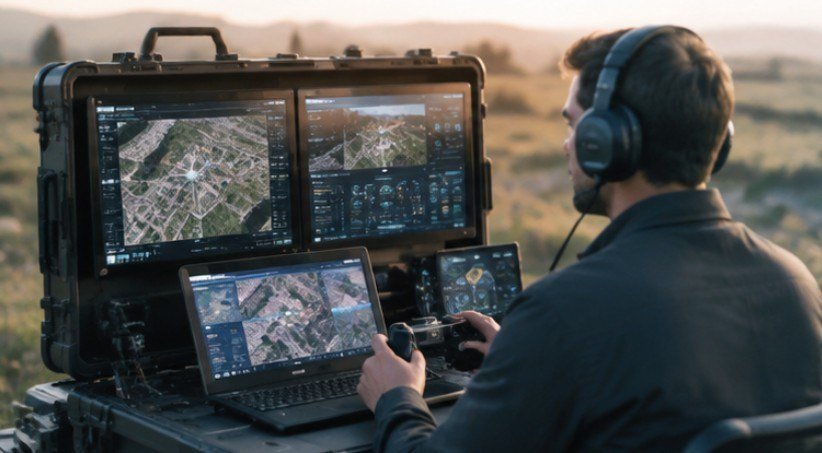
| Ground control station | The equipment used by operators to monitor and control missions |
| Communication links | Radio, satellite, or digital connections that transmit commands and data |
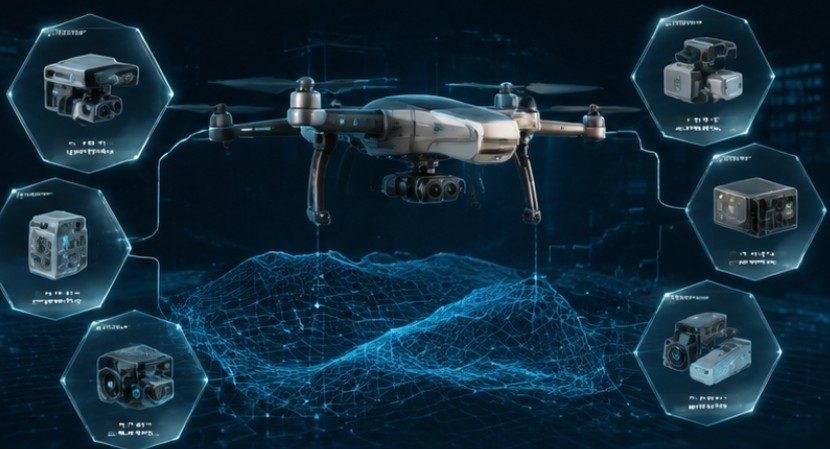
| Payload | Cameras, thermal sensors, LiDAR, mapping equipment, or scientific instruments |
The aircraft is only the visible part of the operation. Behind every professional mission are navigation systems, flight planning tools, safety procedures, and trained operators.
For example, a construction company using a UAS for site mapping may rely on high-resolution cameras and GPS positioning, while emergency teams may use thermal imaging to locate people after disasters.
Why Are UAS Technologies Becoming More Important in the US?
The growth of UAS adoption comes from a simple advantage: they can collect information in places that are dangerous, expensive, or impossible for traditional aircraft and people to reach.
Government agencies are already using these systems for specialized missions. NOAA operates UAS platforms to collect environmental information, including research data for weather studies, emergency response, and remote observations.
The benefits are clear:
- Lower operational costs compared with many crewed aircraft missions
- Reduced risk for workers in hazardous environments
- Faster data collection
- Access to difficult locations
- More frequent monitoring capabilities
A power company, for example, can inspect transmission lines using aerial sensors instead of sending workers into difficult terrain. A farmer can analyze crop health without manually checking hundreds of acres.
How Does a UAS Work?
A professional UAS operation combines aviation hardware with advanced software.
Flight Control and Navigation
Modern systems often use GPS, inertial measurement units, and automated flight controls to maintain stability. These technologies help aircraft follow planned routes, maintain position, and return safely when required.
A fixed-wing UAS may be designed for long-distance surveying, while a rotor-based system may be better suited for hovering, photography, and inspections.
Payload Systems
The payload determines what a UAS can accomplish. A lightweight camera may support real estate photography, while advanced sensors can support industrial and scientific applications.
Common payload options include:
- High-definition video cameras
- Thermal infrared sensors
- LiDAR scanners
- Multispectral cameras
- Mapping equipment
The right payload often matters more than the aircraft itself because it determines the quality and usefulness of collected data.
Ground Control and Data Management
Operators use ground stations or mobile interfaces to monitor flight information such as location, battery status, altitude, and sensor output.
In commercial operations, the collected information is often processed using specialized software to create maps, measurements, reports, or 3D models.
Where Are UAS Systems Used Today?
The range of applications continues to expand.
Infrastructure and Construction
Construction companies use UAS platforms for progress tracking, surveying, safety inspections, and site documentation. Aerial mapping can provide updated information without requiring traditional surveying methods for every stage of a project.
Agriculture
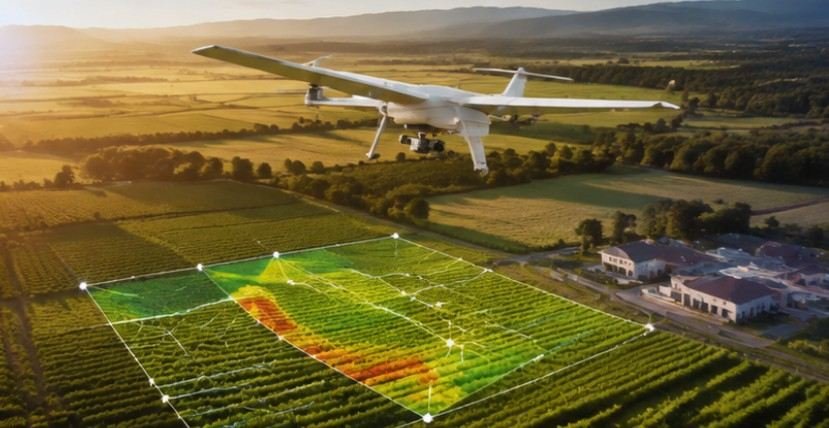
Farmers use agricultural UAS solutions to monitor crop conditions, identify irrigation problems, and analyze field performance. These systems can help improve resource management by showing where attention is needed.
Public Safety and Emergency Response
Fire departments, search teams, and emergency agencies use UAS technology for situational awareness. Thermal cameras can help identify heat sources or missing individuals in conditions where human access is limited.
Scientific Research
Researchers use UAS platforms to gather environmental data from locations that are difficult to observe using conventional aircraft. NOAA notes that uncrewed systems help expand scientific measurements in challenging environments.
What Are the Rules for Operating a UAS in the United States?
UAS operations in the US are regulated because these aircraft share airspace with traditional aviation.
For many commercial operations involving small systems, operators must follow the FAA’s Part 107 rules. These regulations cover areas such as pilot certification, aircraft registration, operating limitations, and safety requirements.
Before launching a commercial UAS program, organizations should review:
- Whether the aircraft must be registered
- Whether the operator needs a remote pilot certificate
- Whether the flight area requires airspace authorization
- Whether additional approvals are needed for advanced operations
The FAA provides dedicated resources for recreational and commercial drone operators through FAA Unmanned Aircraft Systems Resources
How to Choose the Right UAS for a Project
Buying a UAS should start with the mission, not the aircraft.
Use this simple evaluation process:
Step 1: Define the goal
Are you collecting images, measuring land, inspecting equipment, or gathering scientific data?
Step 2: Select the required payload
A standard camera may work for documentation, but specialized tasks may require thermal sensors, LiDAR, or other instruments.
Step 3: Consider flight requirements
Evaluate:
- Required flight time
- Operating environment
- Weather conditions
- Distance from the operator
- Data accuracy requirements
Step 4: Review compliance needs
A system that performs well technically may still be unsuitable if it cannot meet operational rules.
This approach prevents companies from choosing expensive equipment that does not match their actual needs.
What Are the Limitations of UAS Technology?
Despite rapid improvements, UAS systems still have challenges.
Battery life remains a major limitation for many small platforms. Weather conditions, communication range, regulations, and privacy concerns can also affect operations.
Another common misconception is that autonomous flight means no human involvement is required. In reality, most professional operations still depend on trained personnel who plan missions, monitor performance, and make safety decisions.
Advanced operations, including flights beyond visual line of sight, often require additional approvals or safety measures.
The Future of UAS Technology
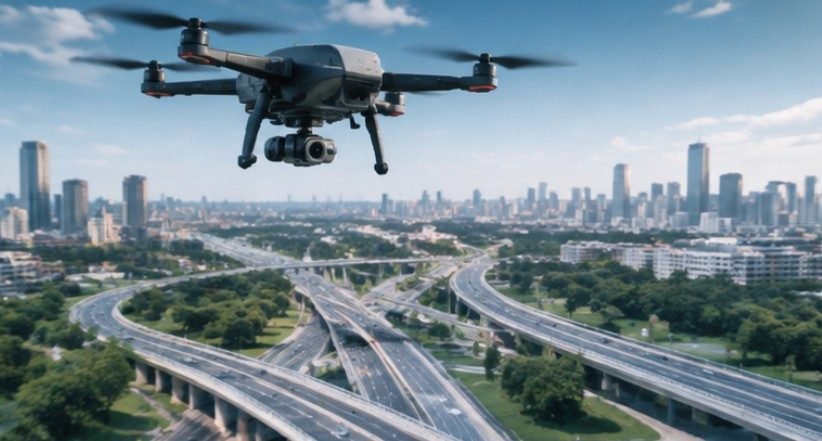
The next stage of UAS development will likely focus on smarter automation, improved sensors, safer airspace integration, and stronger data analysis capabilities.
Artificial intelligence is already helping operators process large amounts of aerial information, identify patterns, and automate parts of inspection workflows.
Organizations exploring drone-based solutions should also understand related areas such as Camera Movement Techniques to improve aerial imaging quality and mission results.
The future is not simply about making aircraft fly. It is about creating reliable systems that transform aerial data into useful decisions.
Frequently Asked Questions About UAS
1. What does UAS stand for?
UAS stands for Unmanned Aircraft System, which includes the aircraft, control equipment, communication systems, and operational components.
2. Is a UAS the same as a drone?
A drone usually refers to the aircraft, while a UAS includes the complete system needed to operate that aircraft safely.
3. Do commercial UAS operators need FAA approval?
Many commercial operators must follow FAA Part 107 requirements, including remote pilot certification and operational rules.
4. What industries use UAS technology?
Industries using UAS include construction, agriculture, public safety, environmental research, energy, and infrastructure management.
The most important shift in aviation is not that machines can fly without pilots onboard. It is that these systems can collect information, solve problems, and improve decisions in places where traditional methods fall short. As UAS technology continues evolving, the organizations that understand how to use it responsibly will gain a powerful advantage.