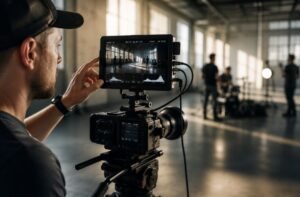




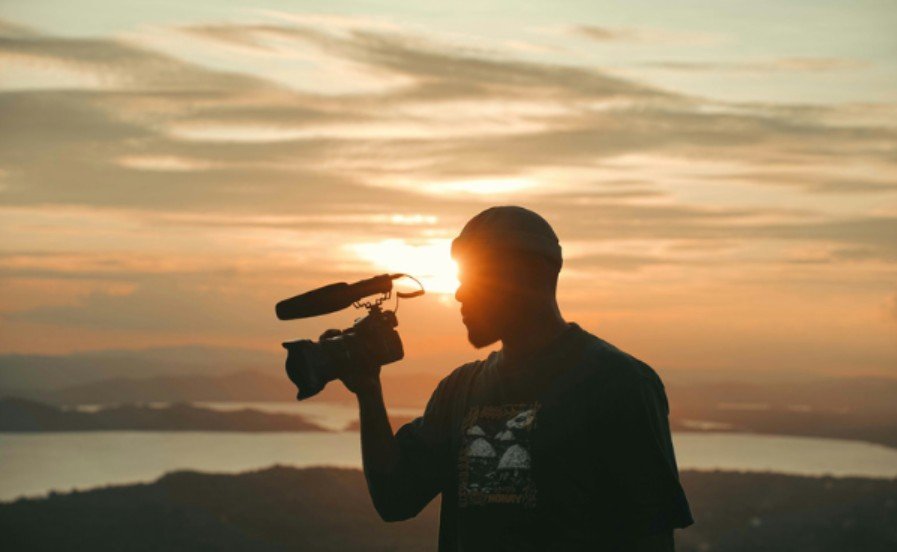
I used to think polished camera movement depended on owning a gimbal, dolly, or professional crane. In practice, expensive equipment cannot rescue an unmotivated move, while thoughtful blocking can turn a tripod, camera strap, or ordinary table into an effective production tool.
Creating cinematic camera movement for a low-budget production begins with deciding what the audience should feel. Once I understand that purpose, choosing an affordable technique becomes considerably easier.
What Makes Camera Movement Feel Cinematic?
A cinematic move guides attention, reveals information, or changes the emotional relationship between the audience and a character. Movement should never exist merely because the camera can move.
A gradual push-in can create intimacy or pressure. Pulling away may emphasize loneliness. Tracking alongside a character creates momentum, while an arc can expose a changing relationship between people. Even a static shot can be more powerful than an elaborate gimbal move when stillness supports the scene.
Composition also affects perceived movement. Placing furniture, doorframes, plants, or other objects in the foreground creates parallax. As the camera passes them, a short movement appears deeper and more dramatic.
Plan the Shot Before Choosing Equipment
Before selecting a rig, I recommend marking the beginning and ending frames. Determine where the actors will stand, when they will move, and what information the final composition should reveal.
Rehearse the action without recording. Check the operator’s path for obstacles and decide whether focus must change. If no focus puller is available, use a slightly wider lens, stop down the aperture, or have the actor remain within a predetermined focus zone.
Lens choice changes the result. Wide lenses exaggerate forward movement and make confined locations feel spacious. Longer lenses compress space but reveal small shakes more clearly. Moving physically toward a subject also changes perspective, whereas zooming only changes the framing.
Affordable Ways to Create Cinematic Movement
Use Controlled Pan and Tilt Shots
A tripod is often the most useful low-cost support. Level the camera, loosen only the required axis, and begin moving before the important action occurs. Finish gently and hold the final composition for several seconds. A fluid head helps, but careful technique can improve an inexpensive tripod.
Create a Tabletop Push-In
Place the camera on a folded cloth, smooth platform, or stable tabletop support. Slide it slowly toward the subject while maintaining light downward pressure. Including a foreground object will make this modest movement appear larger.
The surface must be level and clear. Never use an unstable platform or leave the camera unsecured near an edge.
Stabilize Handheld Movement With Body Tension
Keep the camera close to the chest, relax the shoulders, bend the knees, and take short heel-to-toe steps. A neck strap pulled gently against the body can add tension and reduce micro-jitters.
Controlled handheld footage should retain a little natural movement. Attempting to imitate a perfectly floating gimbal shot often produces distracting corrections.
Follow Action With a Safe Rolling Platform
A wheelchair or stable production cart can create a smooth tracking shot on an even surface. One person should operate the camera while another carefully moves the platform. Rehearse the route, clear obstacles, and use a spotter.
Avoid improvised vehicles on slopes, roads, stairs, or crowded locations. Saving money never justifies exposing the crew, performers, or equipment to preventable danger.
Build Reveals With a Short Slider Move
A compact slider is useful when only a small amount of travel is required. Move past a foreground wall, doorway, or prop to reveal a person or important detail. This produces more visual depth than sliding across an empty background.
Simulate a Pedestal Move
A tripod with a center column can create a limited vertical reveal. A securely mounted monopod may also support a gentle rise when operated with both hands. Keep the equipment within its intended operating limits and never suspend it over a person.
Use an Arc to Change Relationships
Walk in a controlled semicircle around one or two performers while keeping a consistent distance. Wide lenses make the move easier to manage. An arc works especially well when a conversation changes direction or one character gains control.
Turn a Whip Pan Into a Transition
A fast pan can hide a cut between locations or moments. Record the first shot ending with a rapid pan and the second beginning in the same direction. Matching the speed and motion blur creates a convincing transition without additional equipment.
Choose Gear According to the Shot
A zero-cost setup can include a tripod, strap-supported handheld work, and tabletop slides. A small budget may be better spent on a used fluid head, monopod, or compact slider than on a poor-quality gimbal.
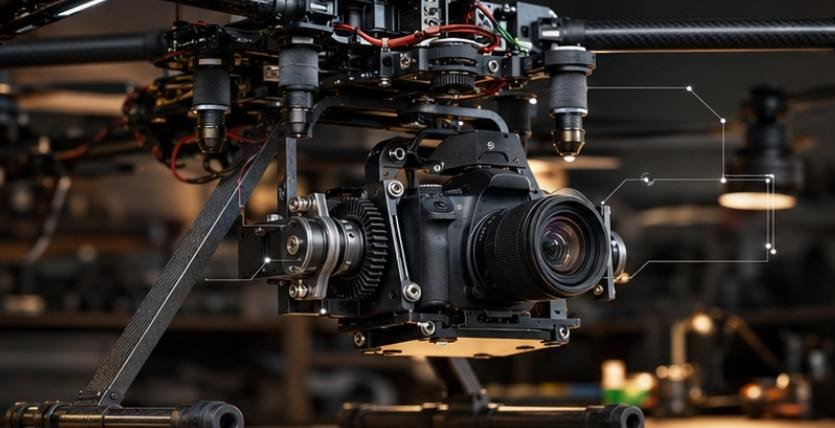
For one complex production day, renting a properly maintained gimbal, doorway dolly, or jib may cost less than buying equipment that will rarely be used. Choose the simplest tool that can execute the planned shot reliably.
Prevent Movement From Looking Cheap
The most common problem is unmotivated movement. Other warning signs include uneven starts, horizon drift, missed focus, footsteps, excessive gimbal sway, and a composition that has no clear ending.
Record at a shutter setting appropriate for the frame rate so movement retains natural motion blur. When recording 24 frames per second, a shutter near 1/48 or 1/50 second is a common starting point.
Post-production stabilization can reduce minor shake, especially when the footage includes extra space for cropping. It cannot repair severe blur, lost focus, poor framing, or major perspective changes.
Try This Five-Shot Production Plan
Open with a slow lateral reveal that introduces the location. Follow the character with a controlled handheld shot, then use a push-in when the central decision is made. Cut to a locked close-up for the emotional response. End with a measured pull-back that leaves the character within the wider environment.
This sequence creates visual variety without requiring every shot to move. It also gives movement a clear beginning, purpose, and payoff.
Frequently Asked Questions
1. What is the cheapest way to create smooth movement?
Start with a stable tripod, careful handheld posture, or a tabletop slide. Rehearsal and controlled starts and stops usually improve footage more than an inexpensive accessory.
2. Does creating cinematic camera movement for a low-budget production require a gimbal?
No. Creating cinematic camera movement for a low-budget production depends more on motivation, blocking, composition, and operator control than on a gimbal. Tripods, sliders, carts, and carefully executed handheld shots can all produce polished results.
3. Can editing software fix shaky footage?
Software can reduce small vibrations, but aggressive stabilization may crop the frame or distort the background. It should refine a usable shot rather than rescue a badly executed one.
Final Take
I have found that the most convincing camera moves are usually the simplest ones performed with confidence. I would rather execute one meaningful push-in perfectly than fill a scene with unnecessary motion.
Creating cinematic camera movement for a low-budget production becomes achievable when I plan the emotional purpose, select the simplest safe method, rehearse the route, and allow stillness to balance movement. A limited budget may restrict equipment, but it does not restrict visual intention.