



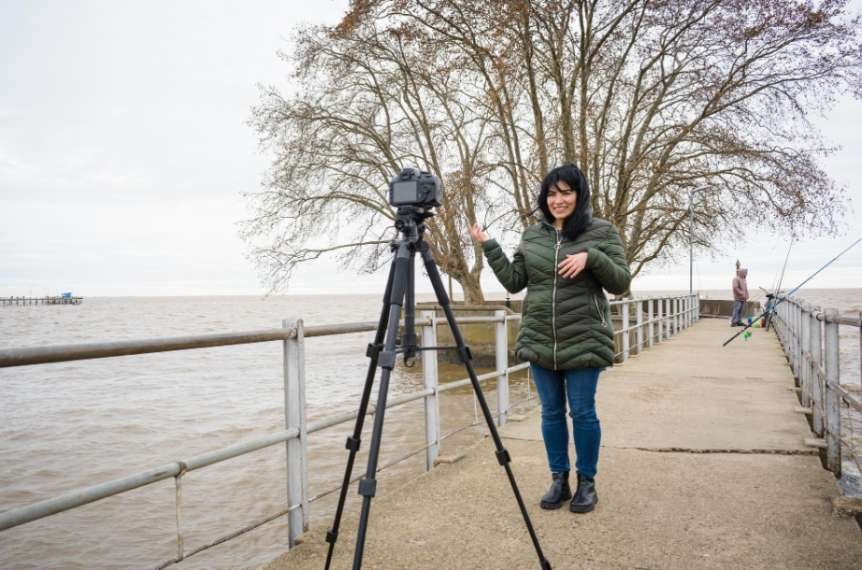
When I plan an outdoor moving-camera shot, I never treat the forecast as background information. I treat it as part of the rigging plan. Weather considerations for cable camera systems affect cable loading, traction, braking, electronics, anchors, visibility, and image stability. A rig that performs smoothly in calm conditions may react differently when gusts, rain, heat, ice, or lightning arrive.
The safest approach is to establish operating limits before installation begins and give a qualified person clear authority to stop the system.
Why Weather Changes Cable Camera Performance
A cable camera combines suspended loads, powered movement, remote control, long spans, and elevated structural connections. Weather can influence every part of that chain.
Operating limits should never be copied from another production. They must reflect the specific system, span length, payload, camera profile, anchors, support structure, terrain, and manufacturer instructions.
A compact trolley intended for mild conditions may not be appropriate for an exposed stadium, coastline, mountain route, or long outdoor run. The production must select equipment that matches the expected environment rather than assuming every cable camera can handle the same conditions.
How Wind Affects a Cable Camera System
Sustained Wind and Sudden Gusts
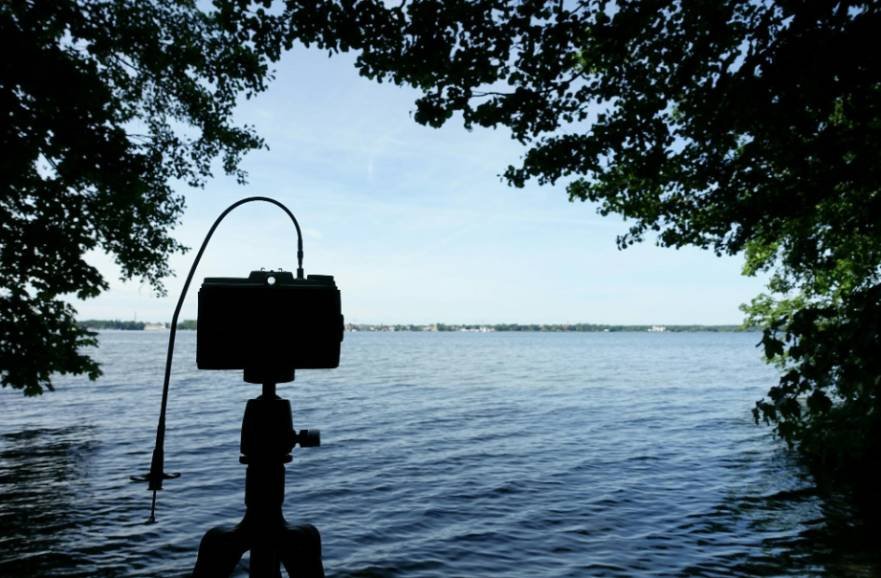
Sustained wind places continuous pressure on the cable and camera package. Gusts create faster load changes that may cause swinging, twisting, or vibration.
Matte boxes, monitors, antennas, rain covers, and large stabilized heads can increase the surface area exposed to wind. Even when the total payload remains within its approved limit, its shape can influence how strongly it reacts.
Crosswinds may push the payload sideways, while long spans can react more noticeably than short runs. Crews should monitor conditions near cable height instead of relying only on a ground-level reading or regional forecast.
Braking and Shot Stability
Wind can change stopping distance and make acceleration less consistent. Operators should perform controlled movement and braking tests after meaningful changes in weather.
Unexpected swing, line slip, vibration, delayed stopping, or loss of predictable control should trigger an immediate pause. The crew should never increase speed simply to force a shot through deteriorating conditions. Stable movement and reliable stopping matter more than preserving the schedule.
Can a Cable Camera Operate in Rain?
Some professional systems use adjustable drive components, traction controls, protected electronics, or configurations designed for wet conditions. That does not mean every system is waterproof or approved for unrestricted rain.
Water may reduce traction, contaminate braking surfaces, enter connectors, camera obscura, and limit visibility for operators and spotters. Rain covers can protect part of the camera package, but they may increase drag and change its aerodynamic profile.
Before restarting, the crew should inspect connectors, cables, pulleys, drive wheels, safety systems, and controls. A slow-speed test should confirm traction, braking, end stops, communication, and video monitoring.
Mud, standing water, or softened ground near temporary anchors and support structures must also be assessed before movement resumes.
Lightning Requires an Immediate Shutdown
Thunder is a stop signal, not permission to complete another take. When thunder is heard or lightning is detected nearby, outdoor work should stop and personnel should move to a substantial building or enclosed hard-topped vehicle.
Crew members should not remain beside elevated cables, metal supports, anchors, exposed rigging, or electrical equipment. National Weather Service guidance recommends remaining in safe shelter for at least 30 minutes after the last sound of thunder.
Once the storm has passed, the system still requires inspection. A qualified supervisor should examine anchors, connectors, power equipment, cables, controls, and the complete travel path before authorizing a restart.
Cold Weather, Snow, and Ice
Cold conditions can reduce battery performance, affect lubricants, slow electronic displays, stiffen some materials, and make precise control more difficult for crew members wearing gloves.
Temperature changes may also influence cable behavior. Crews may need to calculate tension in physics terms when evaluating how temperature, load, span, and cable geometry affect the system. The actual effect depends on the cable material, tensioning method, span length, anchor configuration, and supporting structure.
Snow and ice create additional hazards. Accumulation can add weight, reduce traction, obstruct pulleys, cover exclusion-zone markings, and create falling-ice risks.
Ice on a cable should never be treated as a minor inconvenience. Operations should remain stopped until the line, trolley, brakes, supports, and anchors have been inspected and restored to the approved configuration.
Heat, Sunlight, Fog, and Dust
High heat and direct sunlight can raise the temperature of batteries, motors, controllers, cables, and protective enclosures. Productions should follow equipment temperature limits, provide ventilation where required, and watch for thermal warnings or reduced performance.
Heat also affects people. Fatigue and dehydration can weaken communication, concentration, and decision-making during complex movements.
Fog, dust, smoke, or heavy precipitation may make the travel path impossible to verify. If operators or spotters cannot confirm that the route and exclusion zone are clear, movement should stop.
Dust and grit may also contaminate bearings, drive surfaces, connectors, braking components, and camera equipment.
Build a Weather Action Plan Before Rigging

A weather action plan should identify who monitors conditions, who can stop operations, where the crew will shelter, and what circumstances require shutdown or inspection. It should record manufacturer limits, engineered restrictions, payload details, span length, wind exposure, venue rules, and communication procedures.
Weather planning should also account for how rain, softened ground, temperature changes, or strong winds may affect the supporting structure and attachment points. Reviewing the cable camera anchor point installation guide can help the team verify load paths, anchor suitability, hardware, redundancy, and inspection requirements before changing conditions increase risk.
Before operation, the team should review the forecast, inspect anchors and cables, verify the secondary safety system, test controls, confirm end stops, and establish an exclusion zone.
Where wind-induced movement or oscillation is a concern, non-contact cable vibration frequency identification can help qualified technicians assess vibration behavior without physically touching the tensioned line. Weather readings should be documented whenever conditions are changing.
When Should Cable Camera Operations Stop?
Operations should stop whenever conditions exceed documented limits or the system no longer behaves predictably.
Other shutdown triggers include thunder, lightning, icing, unstable anchors, poor visibility, water intrusion, unreliable communication, unexpected line slip, abnormal vibration, uncontrolled swing, or inconsistent braking.
Crews can also use a daily film rigging inspection checklist for safer film sets to confirm that cables, anchors, connectors, controls, safety systems, and exclusion zones remain suitable before operation begins or resumes.
The absence of a published weather limit is not permission to continue. It means the production needs guidance from the manufacturer, system provider, qualified operator, or engineer.
Frequently Asked Questions
1. What wind speed is too high for a cable camera?
There is no universal wind limit. The correct threshold depends on the approved equipment, payload, span, anchors, support structures, and manufacturer or engineering requirements.
2. Can a cable camera work in light rain?
It may operate only when the specific system is approved for those conditions and testing confirms reliable traction, braking, visibility, communication, and electrical protection.
3. What are the main weather considerations for cable camera systems?
The main concerns include wind loading, payload swing, wet-line traction, braking, lightning, temperature, snow, ice, visibility, anchor stability, and post-weather inspection.
4. Does a rain cover make the system weatherproof?
No. A cover may protect part of the camera package, but it can add aerodynamic drag and does not protect every motor, connector, cable, control, or structural component.
A Safer Way Forward
I see weather planning as an operating discipline, not a last-minute forecast check. Weather considerations for cable camera systems should be built into the rigging plan, safety briefing, testing process, shutdown rules, and restart procedure.
When crews follow equipment-specific limits, monitor changing conditions, and stop at the first sign of unreliable control, they protect the shot, the equipment, and everyone working below the system.